Preschoolers are at an age when they begin to understand themselves and the world around them. Keep them engaged with these all about me activities for preschoolers.
Now is a perfect time to explore activities that deepen self-awareness and social understanding.
Channeling their curiosity with hands-on preschool activities sets the stage for learning while keeping it fun.
The activities below support fine and gross motor skills, critical thinking, problem-solving, and other early development skills.
1. Rainbow Colors of Me

This adaptable color activity encourages preschoolers to think critically using colors. Use a template or create your own and let children choose colors that represent them. It’s a simple way to practice color recognition and self-expression.
2. First Day of School Crayon Craft
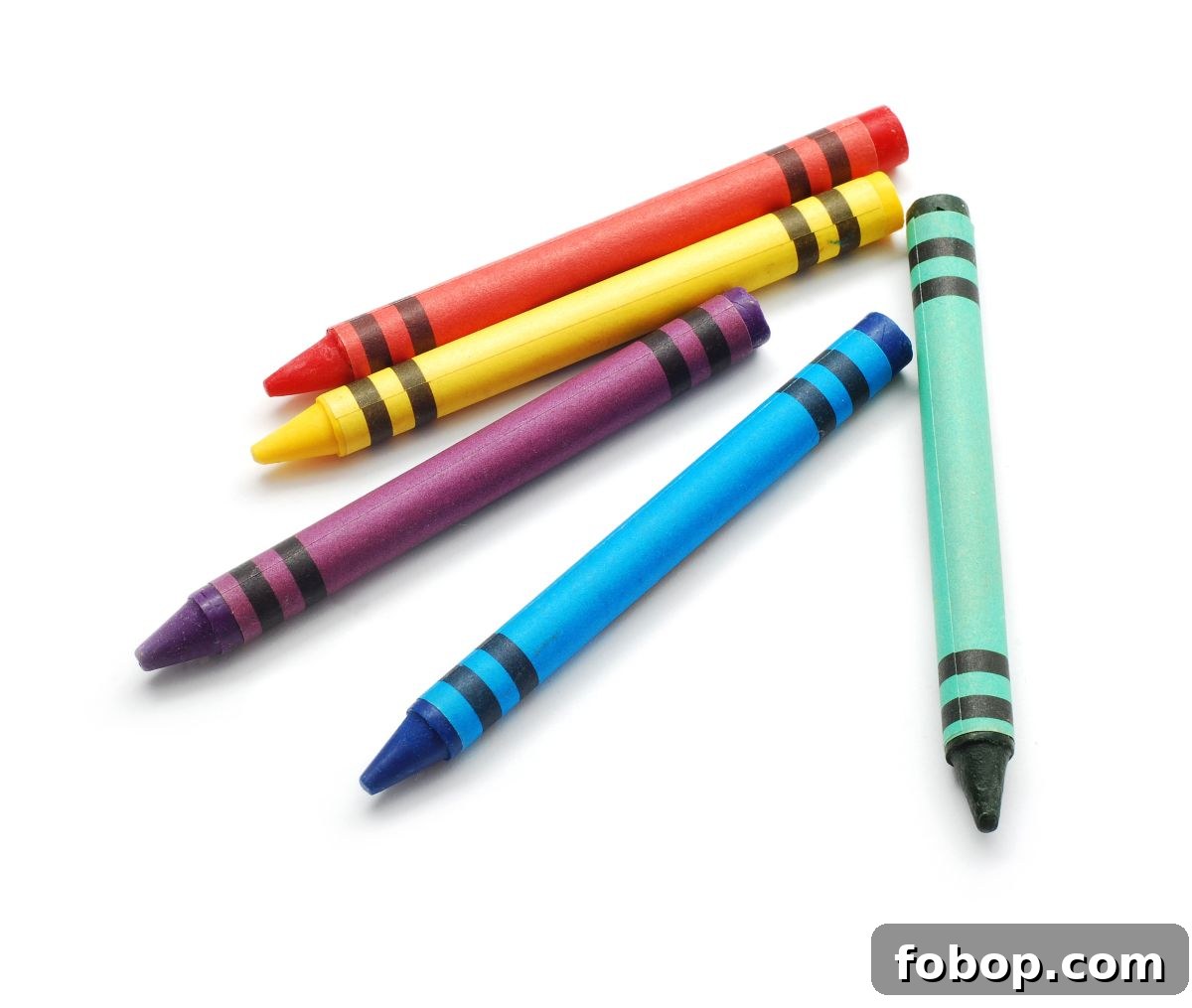
Fold construction paper in half, cut a pointed top and rounded edges to mimic a crayon, and keep the seam to paste a get-to-know-me sheet inside. Decorate the front with a photo and the child’s grade. This is a favorite for the start of the school year.
3. First Day of School Worksheet
Create or print a simple first-day worksheet and guide children as they fill it out. These printables make a comforting and structured activity for new learners.
4. Time Capsule
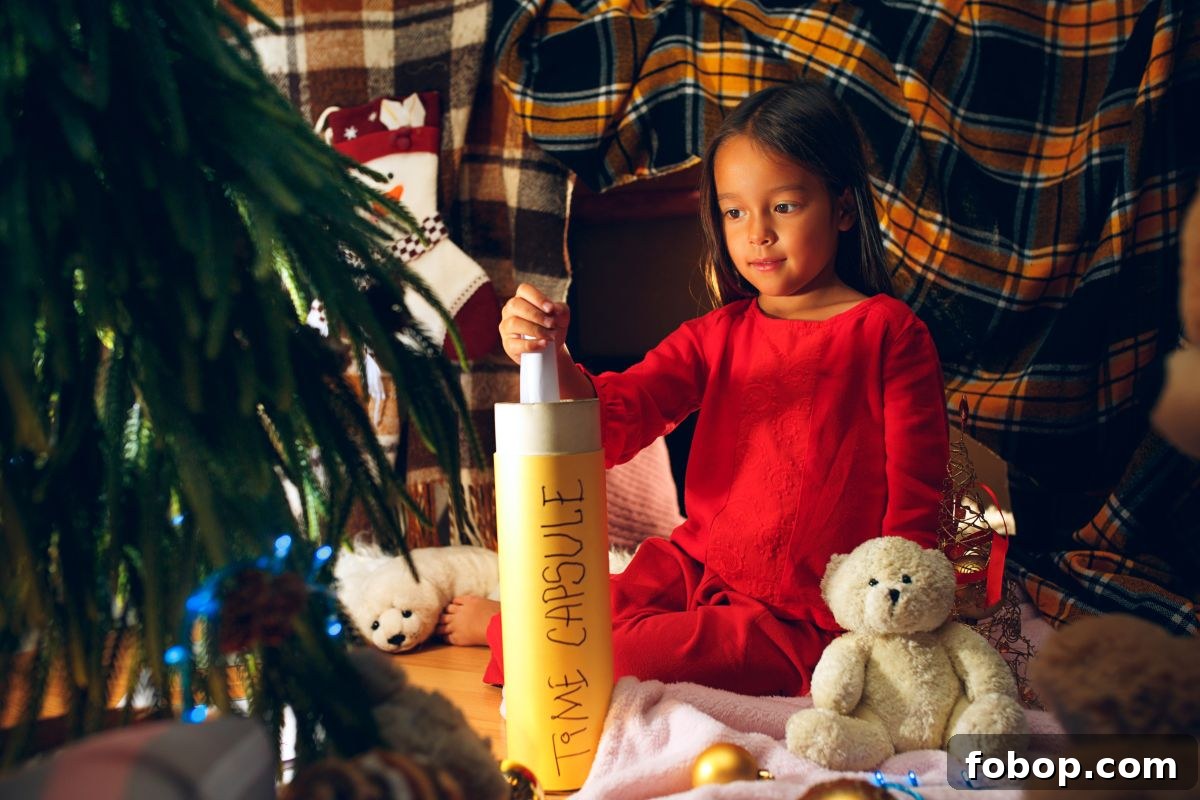
Have children place favorite items—photos, small drawings, or mementos—into a sealed container. Label it with the date and plan to open it later. Time capsules are memorable projects that capture a moment in a child’s life.
5. Mask Self Portrait
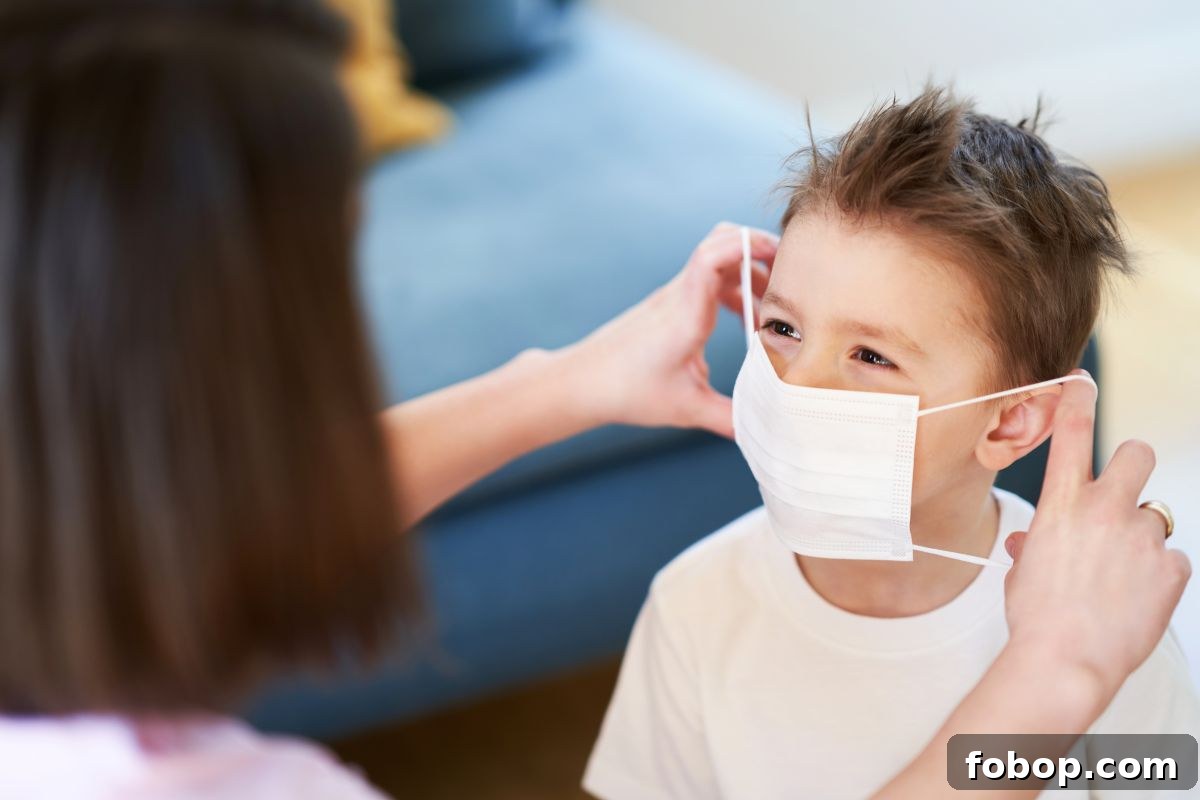
Provide a head template and mask outline for children to personalize. Fold the paper into sections so part of the sheet shows their face and part shows their interests and mask design. This activity blends art with personal reflection.
6. Family Handprint Tree
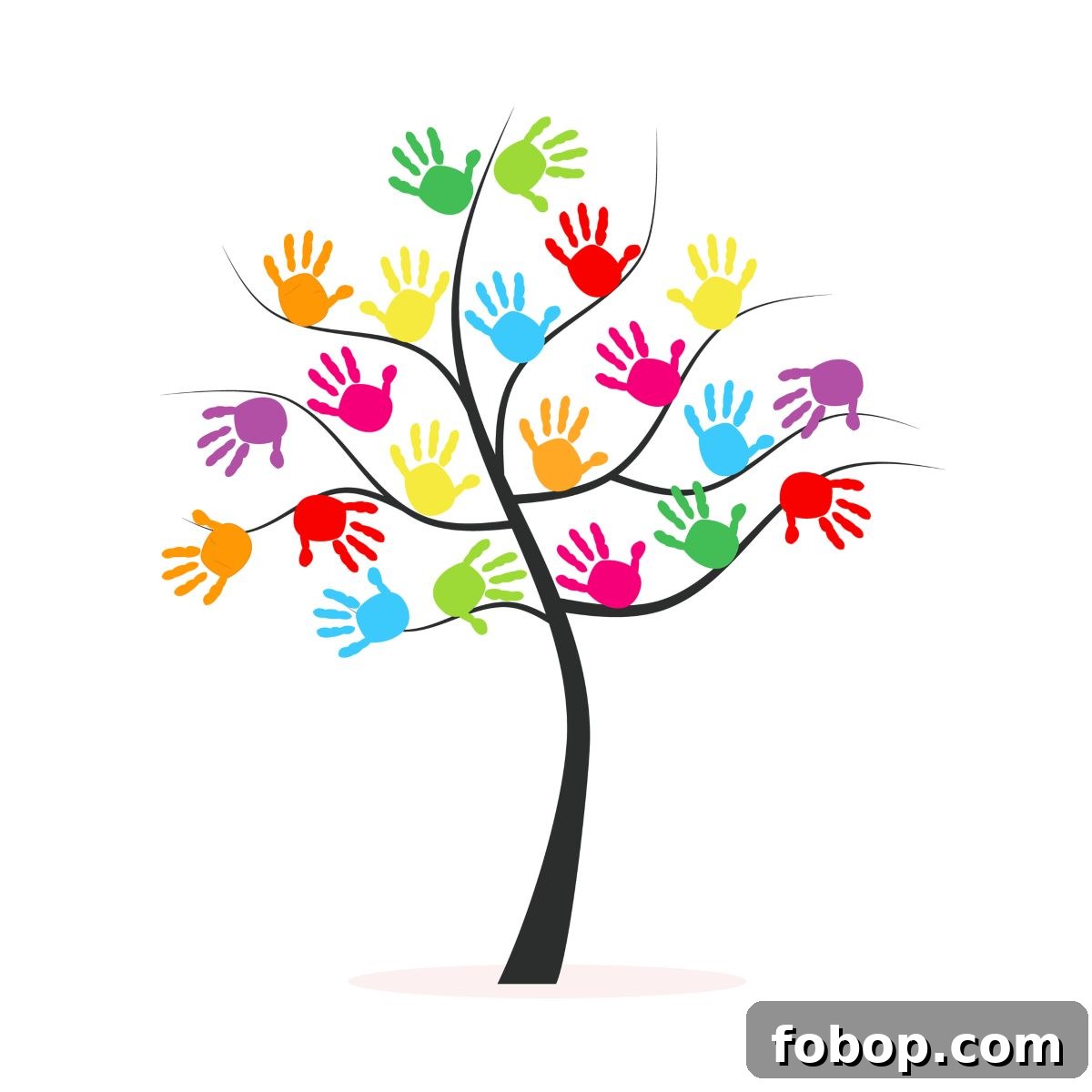
Create a tree base from a paper plate and a paper tube trunk. Have family members paint their hands and stamp them as leaves, then cut and attach each handprint to the tree. Assembling the tree creates a meaningful opportunity to share what each person is thankful for.
7. Mini Printable Book
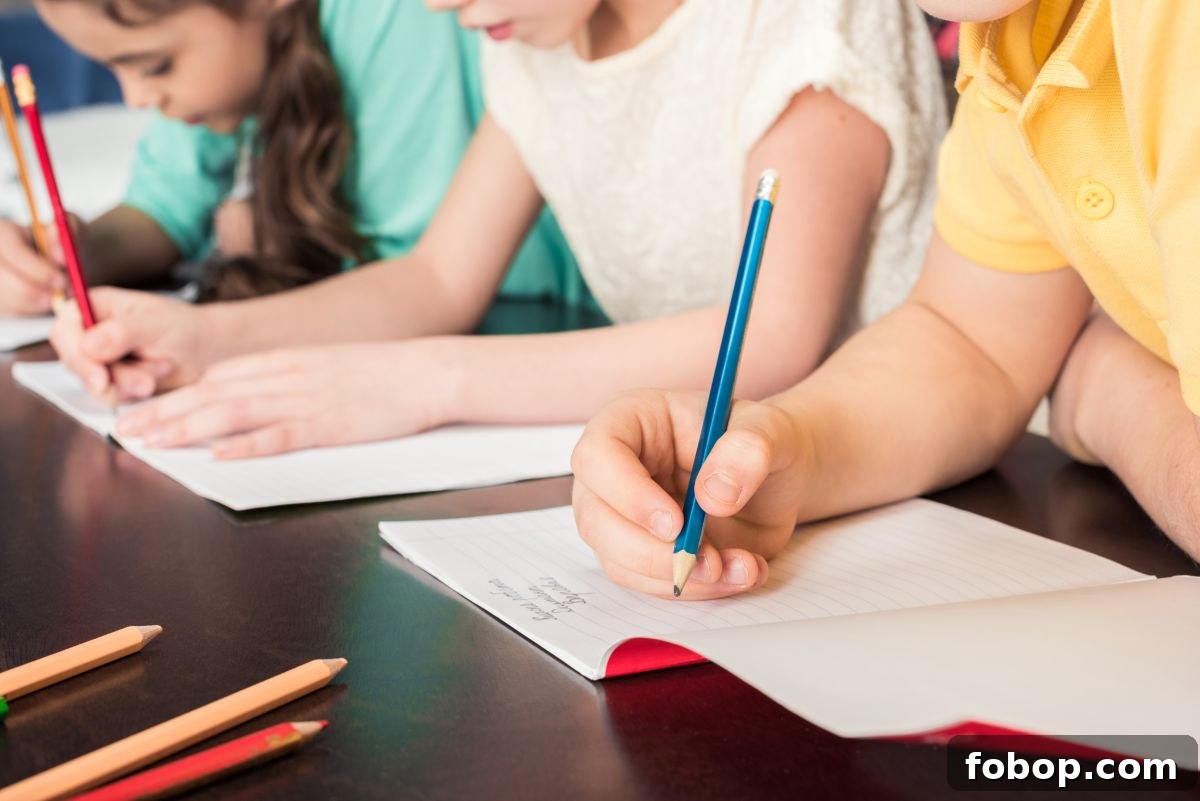
Mini books are a sweet keepsake for the start or end of a school year. Children can draw, write, or dictate memories and favorite things. You can make one by hand or use a printable template to save time.
8. Working Lung Model
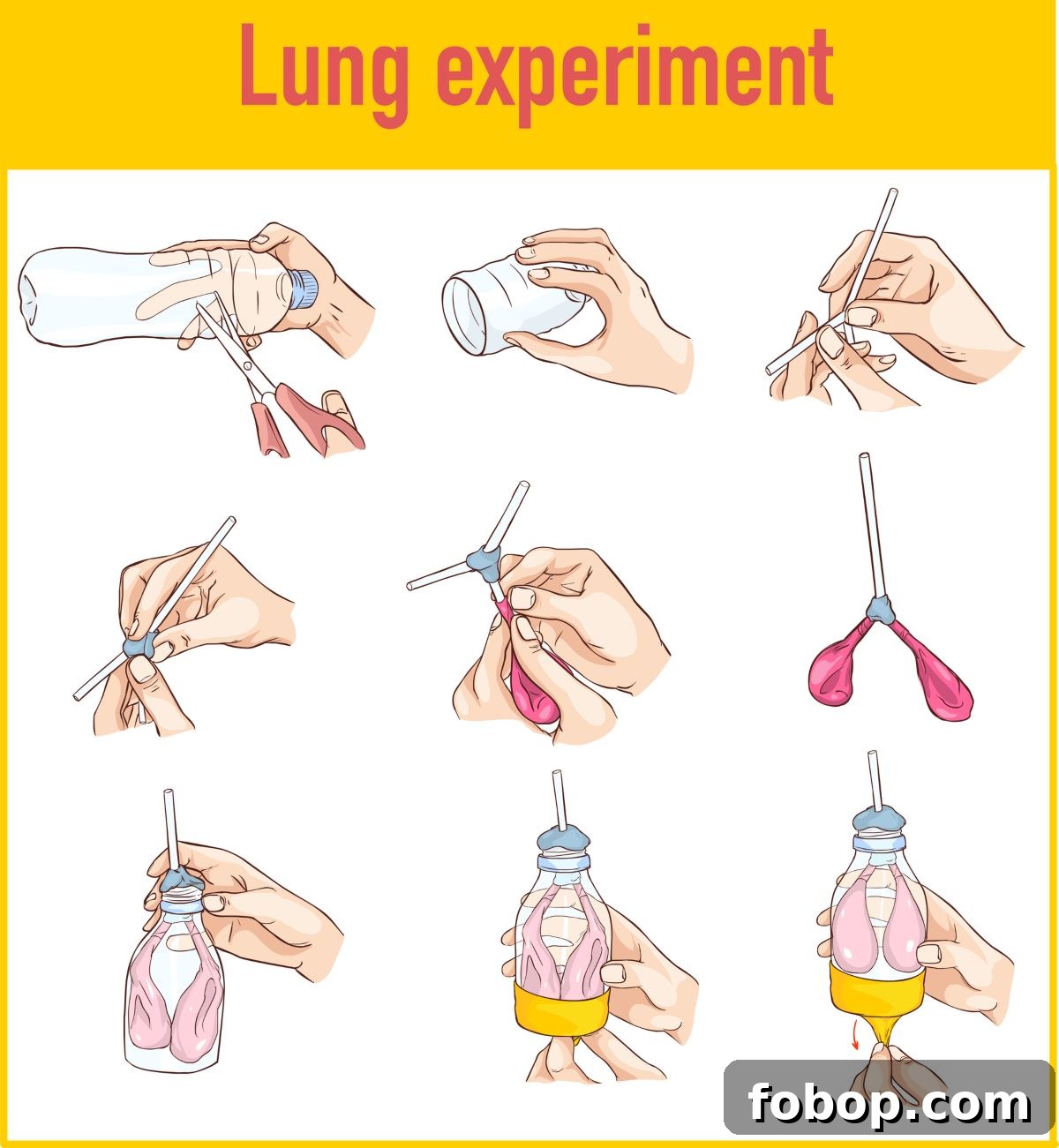
Build a simple lung model to demonstrate how breathing works. This hands-on science experiment is engaging and helps children understand the basic function of lungs.
9. Emotions Sensory Play
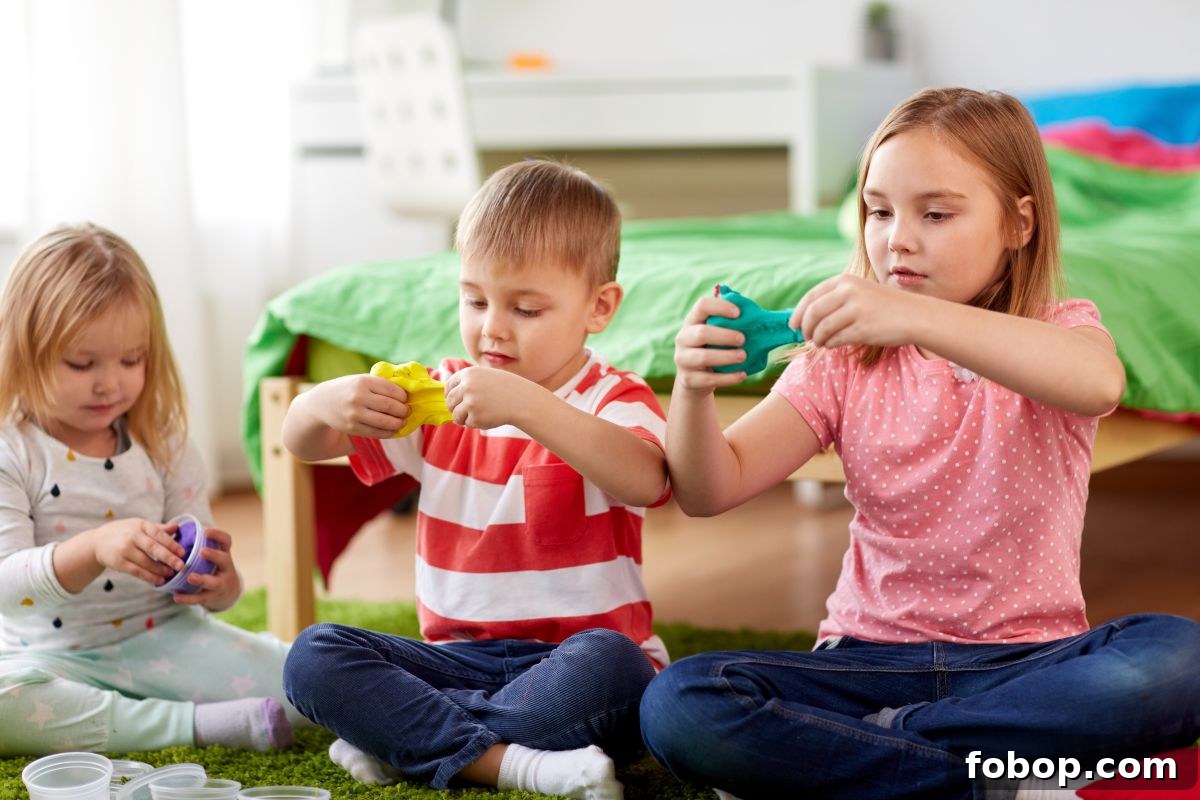
Use colored Play-doh or slime to represent emotions—red for anger, yellow for joy, purple for fear, blue for sadness. Invite children to describe how they feel in different situations and reinforce that multiple emotions can coexist.
10. All About Me Worksheet
Classic “All About Me” sheets prompt children to think about their likes, family, and favorite activities. These worksheets are excellent for self-reflection and for teachers to learn about each child.
11. Roller Coaster Activity Sheet

Use a roller coaster visual to talk about emotional highs and lows. Children can place stickers or draw faces along the track to show how they feel in various situations, helping them recognize and name emotions.
12. Pumpkin Puppet Social Emotional Activity
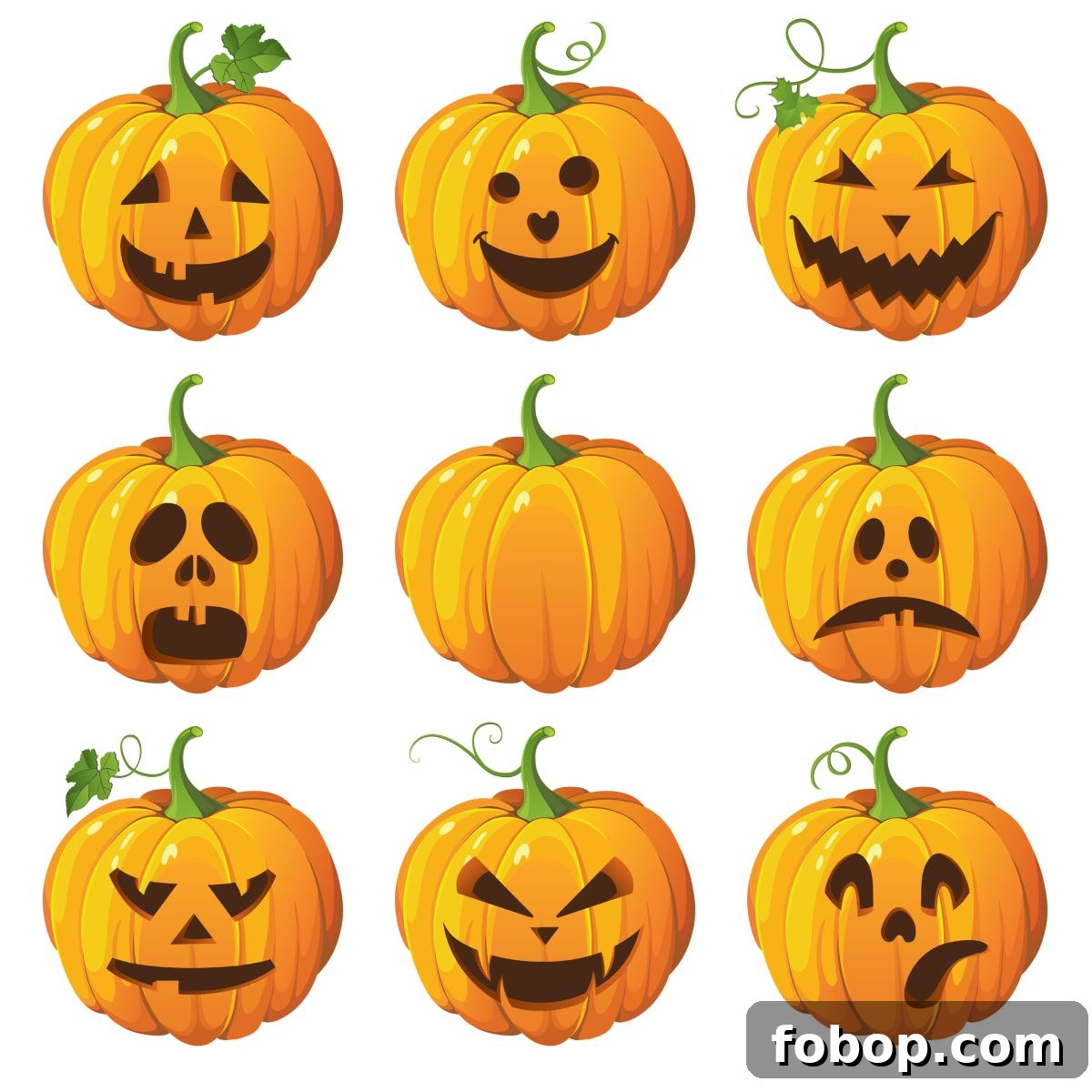
Decorate paper bags with interchangeable faces to represent different emotions. Children can say “I feel ____” and match the facial expression to the feeling. This tactile activity supports emotional vocabulary and expression.
13. 5 Senses Pop Rocks
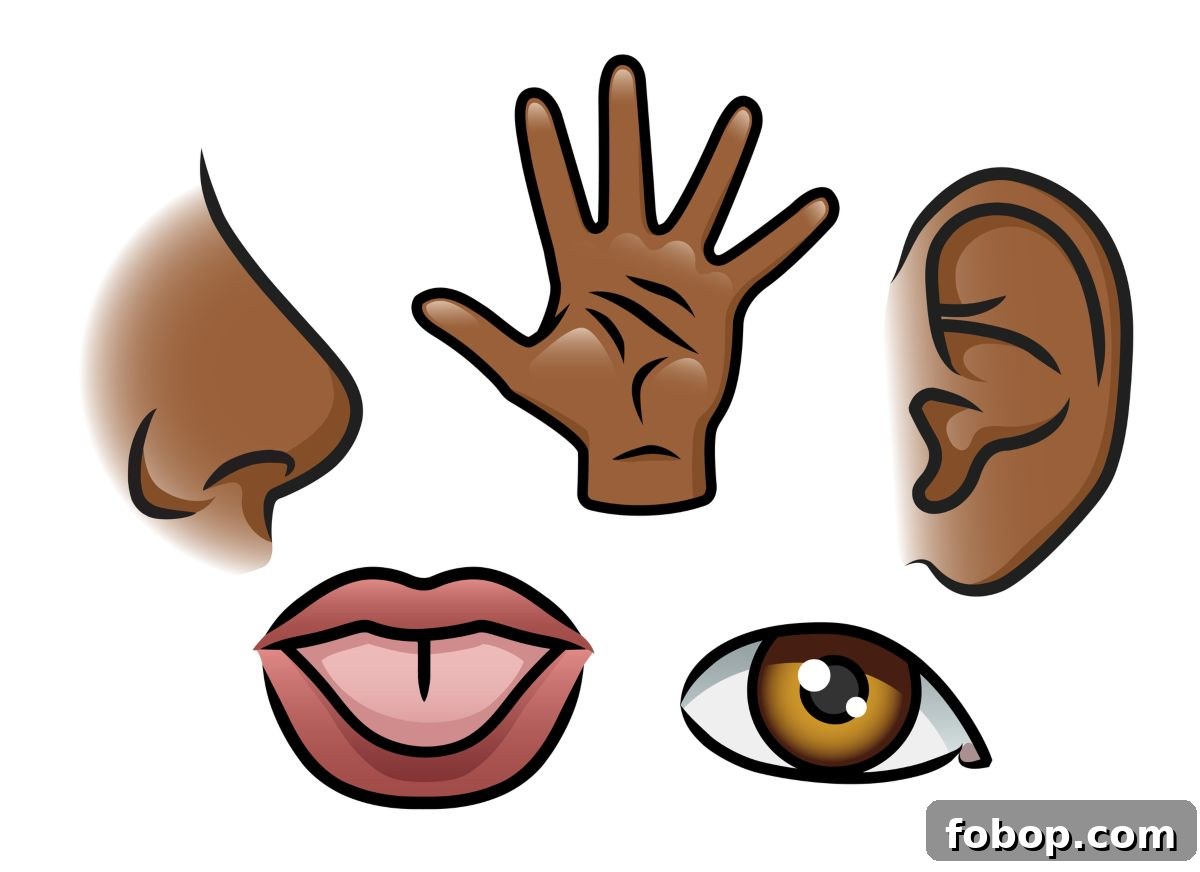
Using a small amount of Pop Rocks, explore the five senses: look, smell, touch, taste, and hear. Have children describe each sense and record observations. It’s a memorable way to learn about sensory input.
14. My Name Turkey Craft
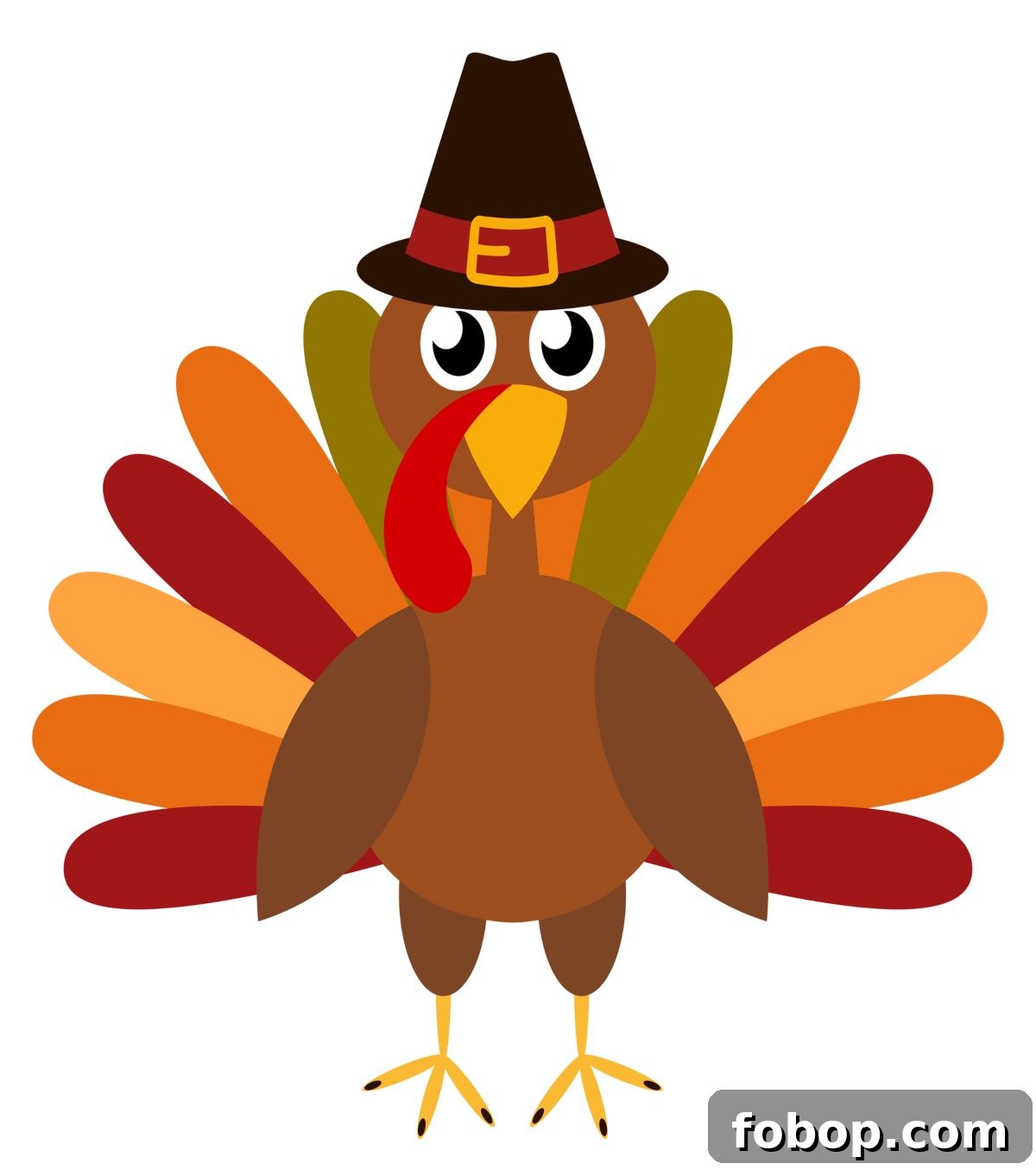
Use feathers or paper strips labeled with letters to spell a child’s name and create a turkey craft. This seasonal activity reinforces letter order and spelling in a playful way.
15. Name Recognition Activity
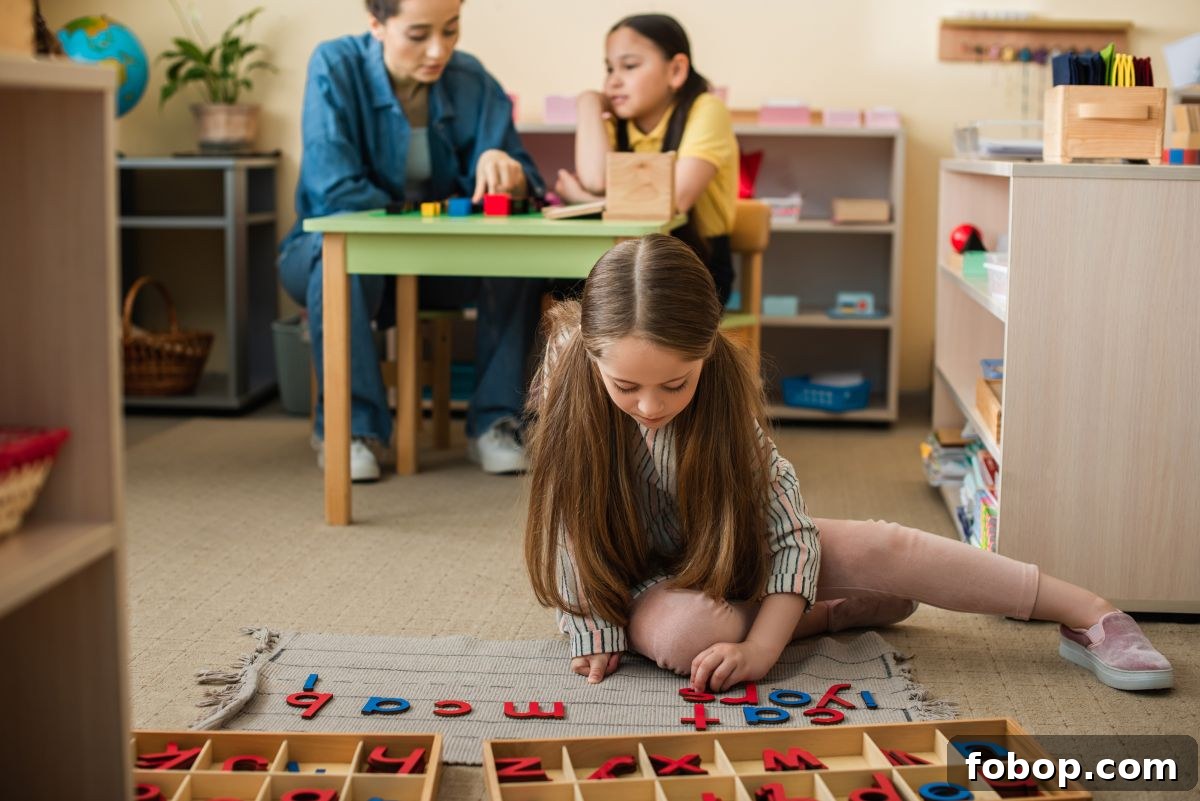
Use colored sticky notes to write each letter of a child’s name twice and place them around the room. Matching colors and letters helps with letter order and visual discrimination.
16. Body Parts Matching Activity
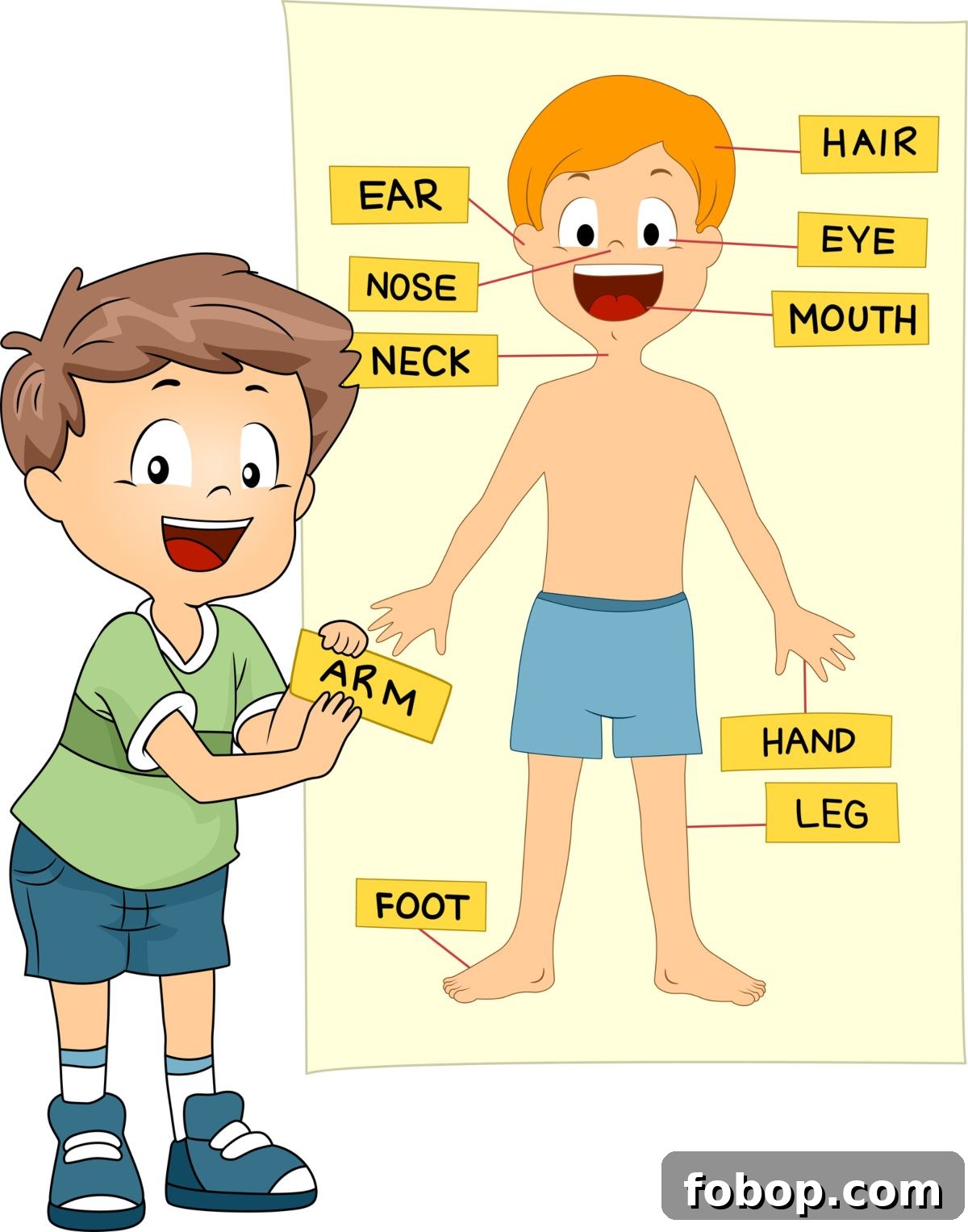
Printable body-part matching games help children learn vocabulary and where parts belong. Set up three matching sets: pictures, labels, and body outlines for a hands-on lesson.
17. Shape of Me Cards
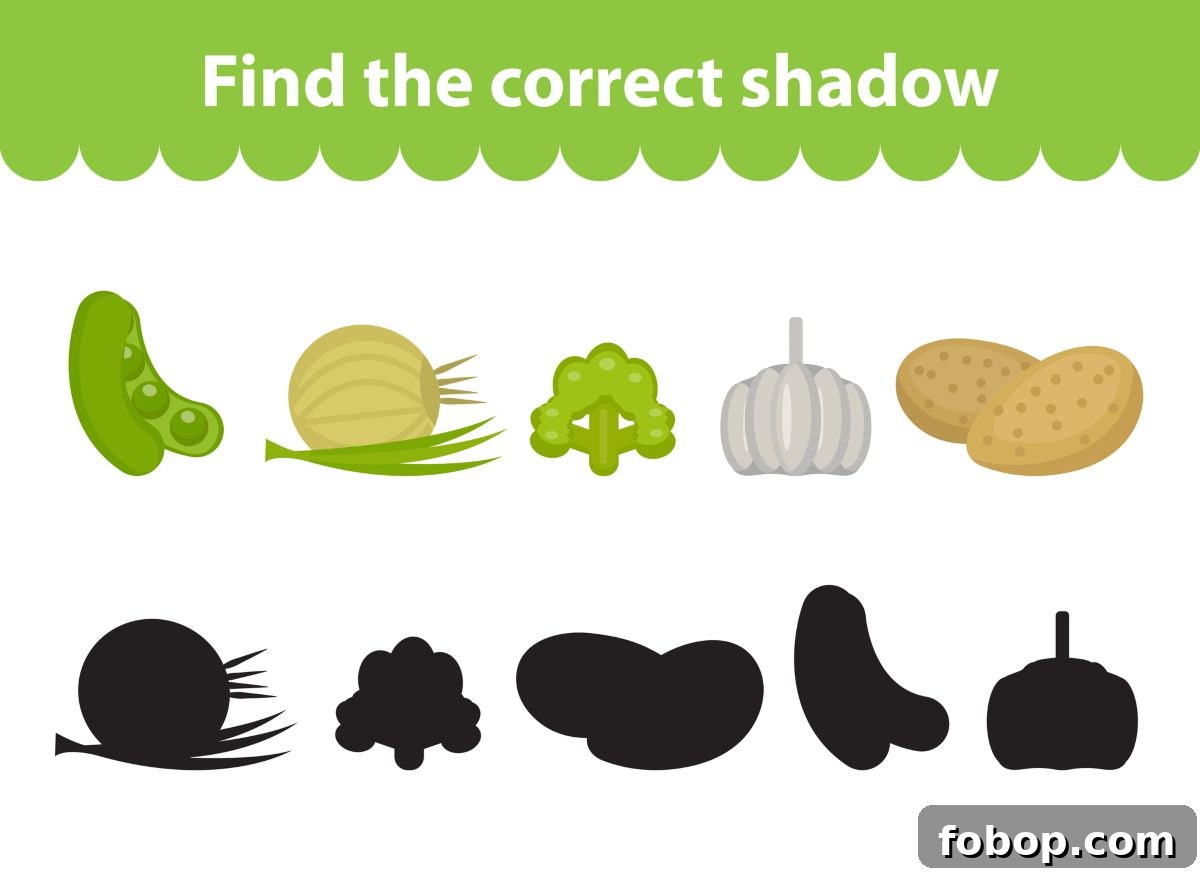
Shadow matching or shape cards develop visual discrimination skills. Print, laminate, and let children clip or point to matches as they identify similarities and differences between images.
18. Family Tree Sensory Play
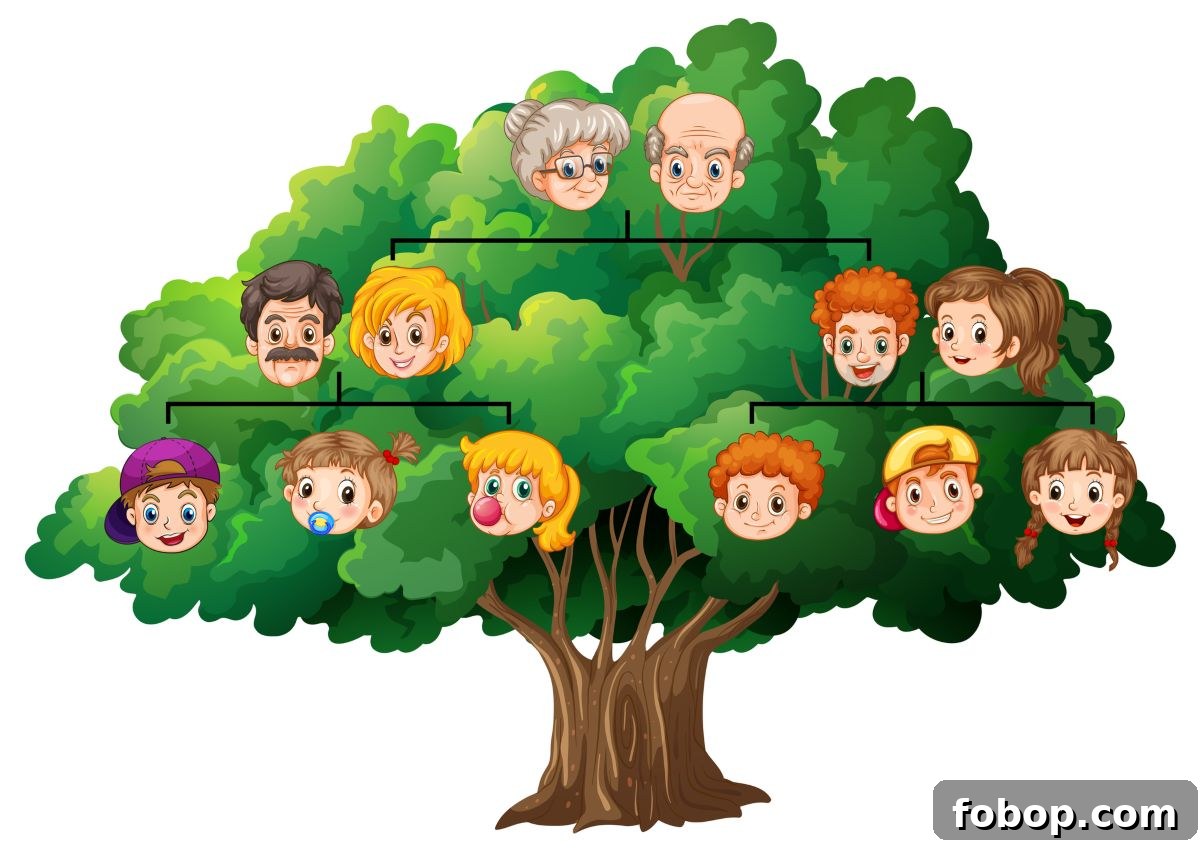
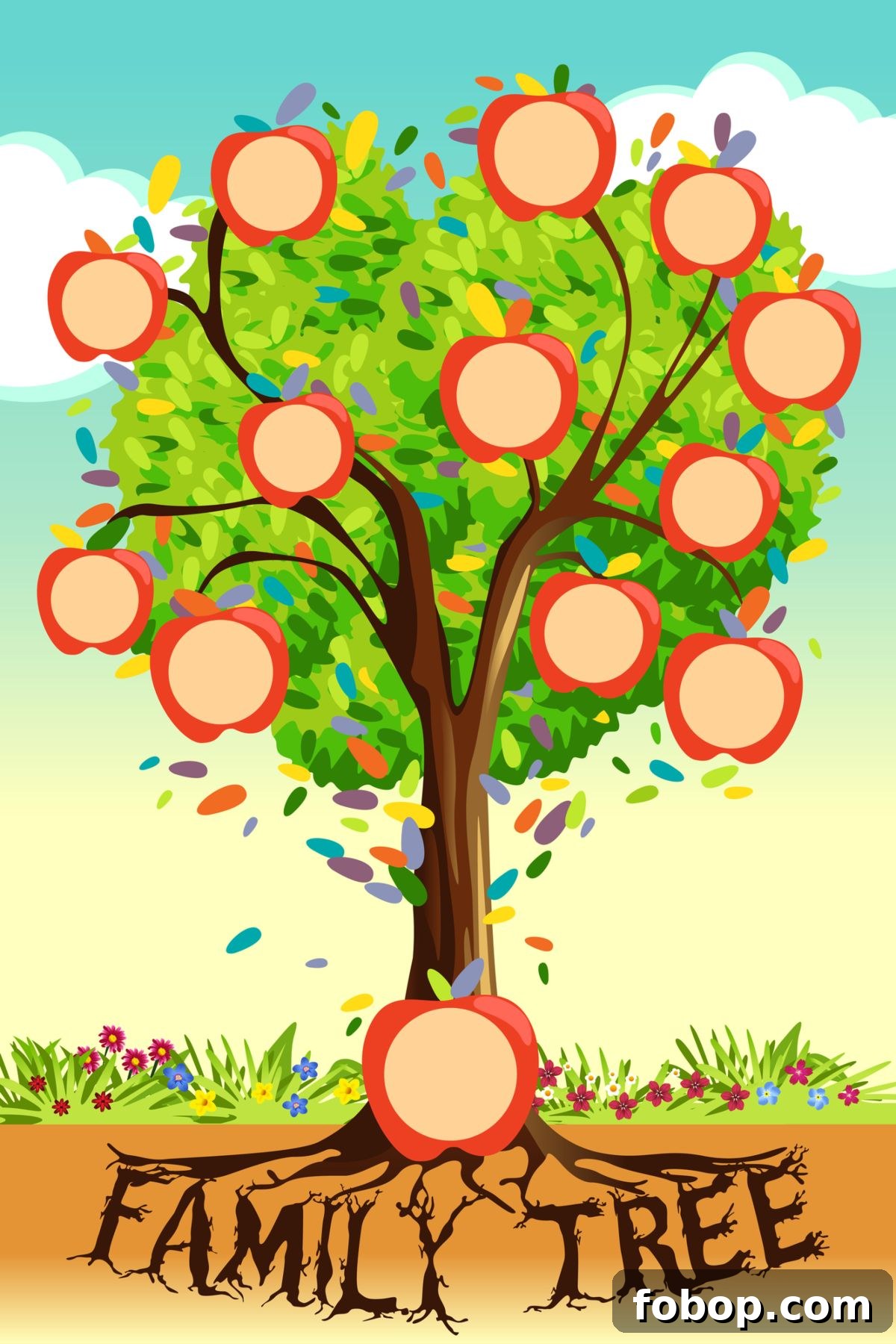
Attach family photos to a drawn tree, seal or laminate the page, and place it in a sensory bin with sand, beans, or small objects. Children can search for family members, reinforcing recognition and memory.
19. Dog Themed Name Recognition Activity
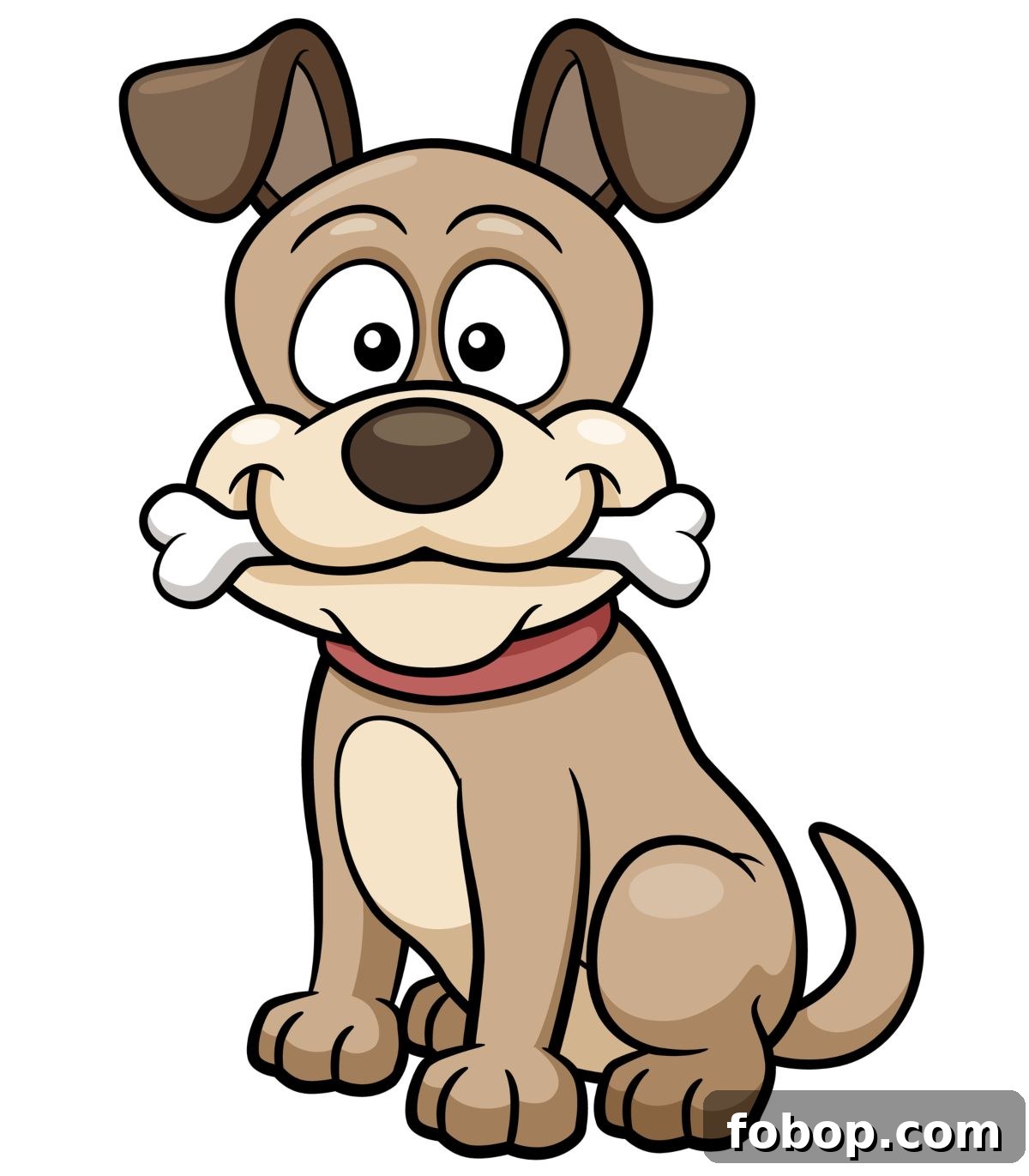
Themed name activities, like a dog puzzle, make name practice playful. Customizable puzzles and cut-and-match activities engage children while reinforcing letter order.
20. 5 Senses Fall Leaf
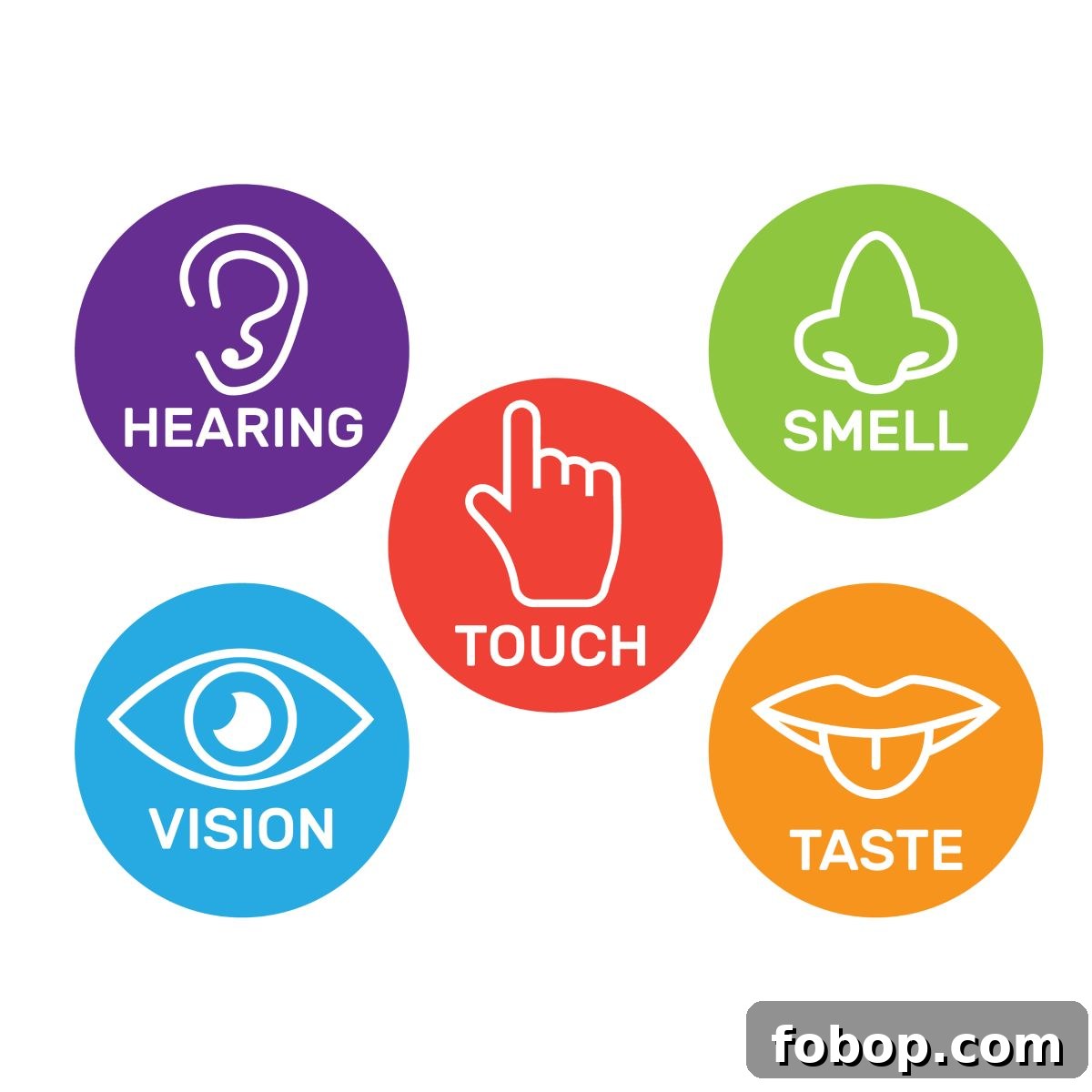
Use autumn leaves to discuss the five senses—observe color changes, texture, smell, sound when dry, and, if appropriate, taste safe items associated with fall. Seasonal exploration supports observation skills.
21. Emotions Playdough Mat
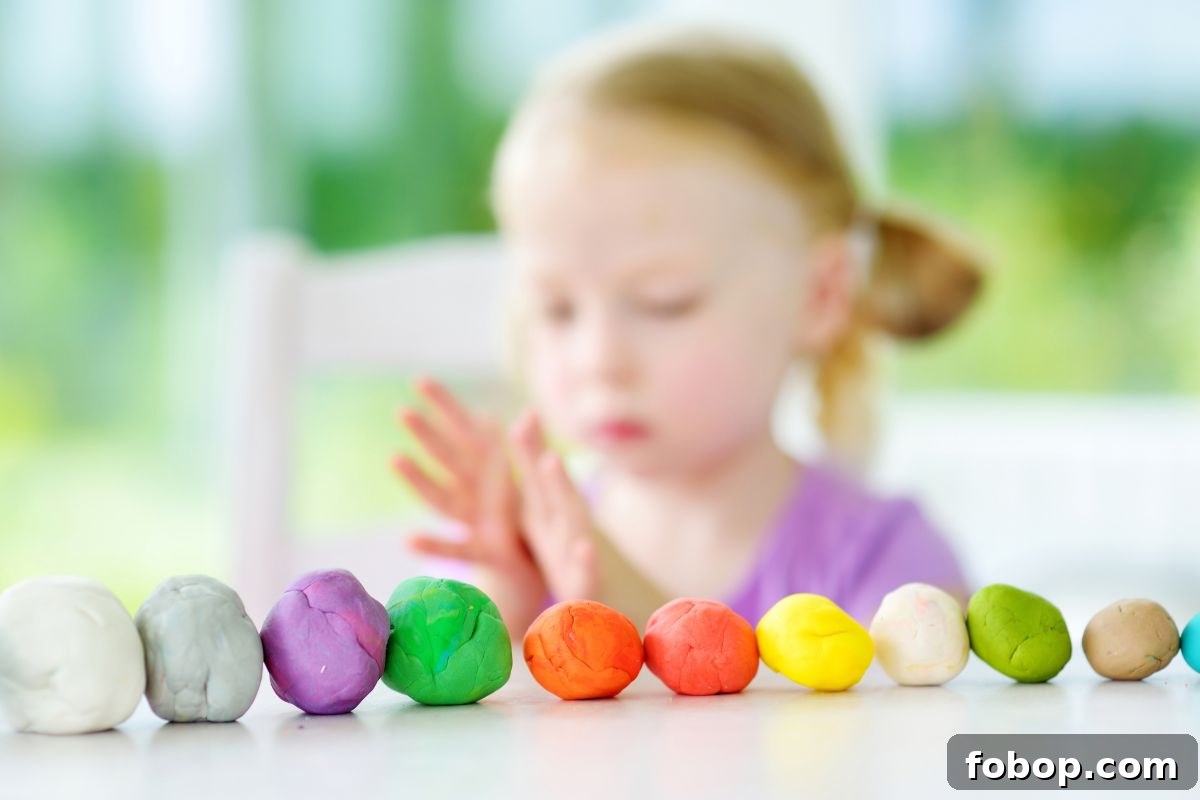
Use playdough mats that depict different emotions and invite children to create faces or features matching each feeling. This tactile approach helps discuss emotions naturally.
22. Label a Skeleton Worksheet

A simple skeleton worksheet can introduce basic anatomy in a non-threatening way. Use simpler labels if needed and let children color as they learn where major bones are located.
23. Name Recognition with Cups
Write each letter of a child’s name on cups and on a matching board. Have the child place the cups over the corresponding letters to spell their name, which builds letter-to-letter correspondence.
24. Edible Family Tree Activity
Create a family tree using edible bases like pancakes or cookies and edible “leaves” or photos secured with icing. This tasty project combines creativity with family recognition.
25. Body Parts Printable Activity
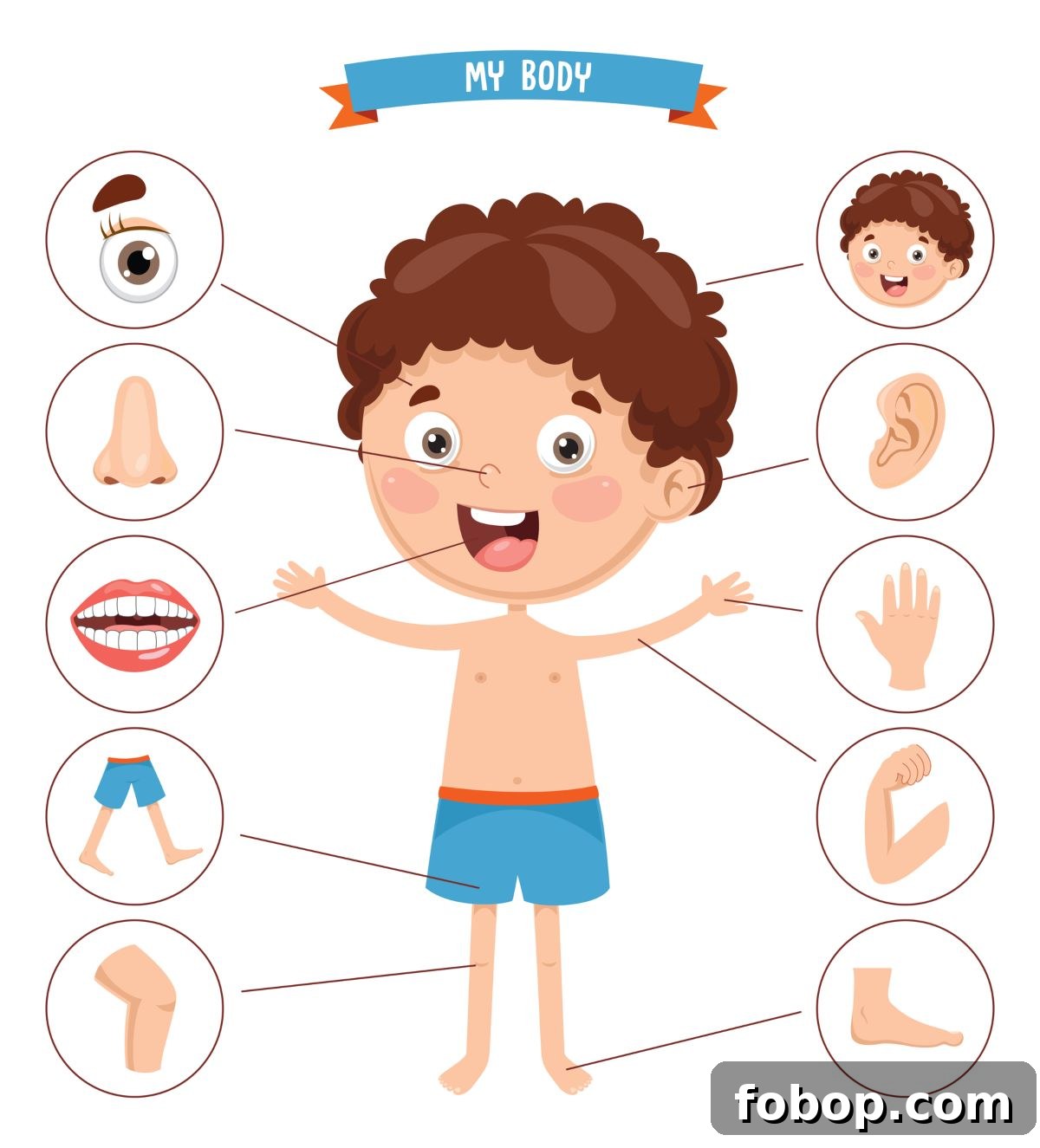
Printable body-part activities and games, such as bingo, invite curiosity about the human body and reinforce vocabulary through play and repetition.
26. Name Bean Collage
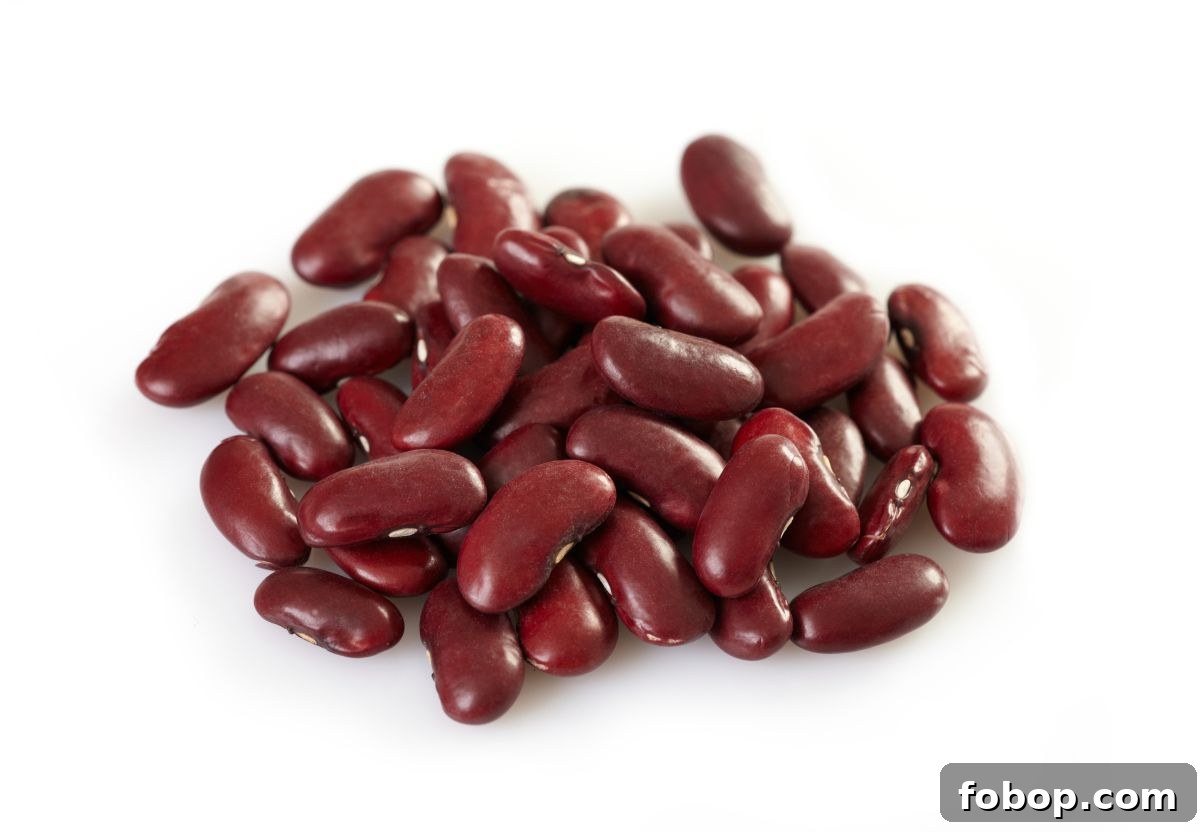
Write the child’s name on construction paper, trace it with glue using a q-tip, and have the child press dry beans onto the glue to form each letter. This activity strengthens fine motor skills and letter recognition.
27. Lego Self Portrait
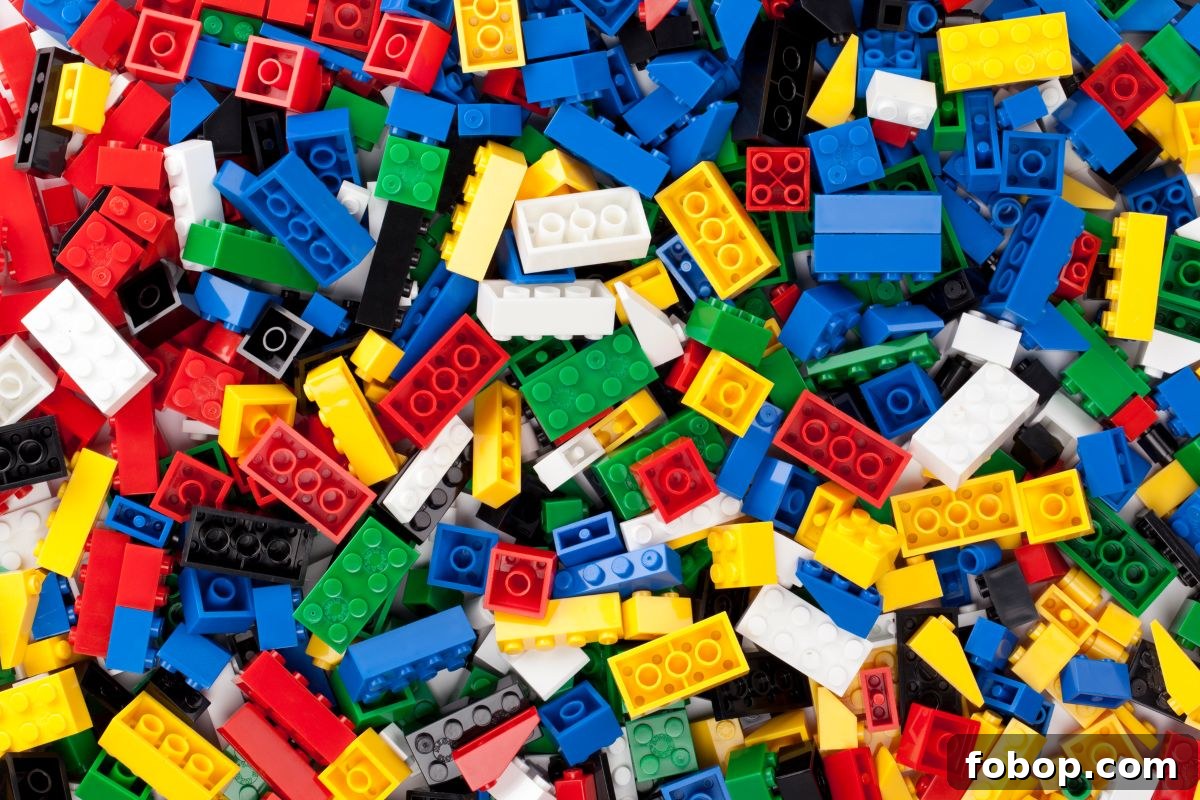
Using a Lego baseplate, guide children to build facial features and hairstyles with bricks to create a self-portrait. This project encourages spatial reasoning, creativity, and fine motor development.
These activities provide varied ways to explore identity, emotions, family, and basic academic concepts. Rotate activities to keep preschoolers engaged and to support different learning styles.