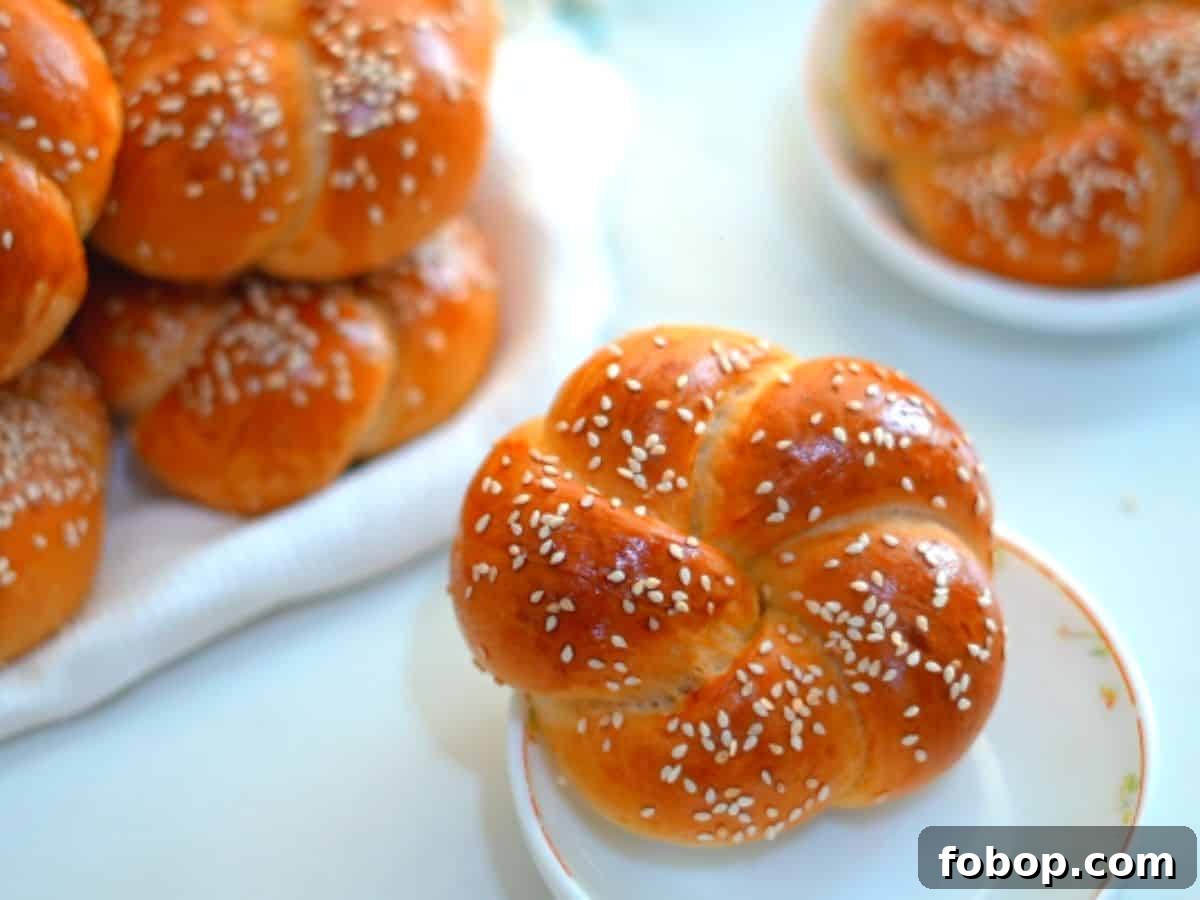
Easy Kaiser Roll Recipe makes it simple to bake soft, golden kaiser rolls at home in a few straightforward steps.
Why you will love this easy Kaiser Roll Recipe
- Uses only six basic ingredients
- No special equipment required—no kaiser stamp needed
- Faster prep since this version doesn’t require a double proof
- Delicious rolls that are perfect with butter or as sandwich buns
What is a kaiser roll
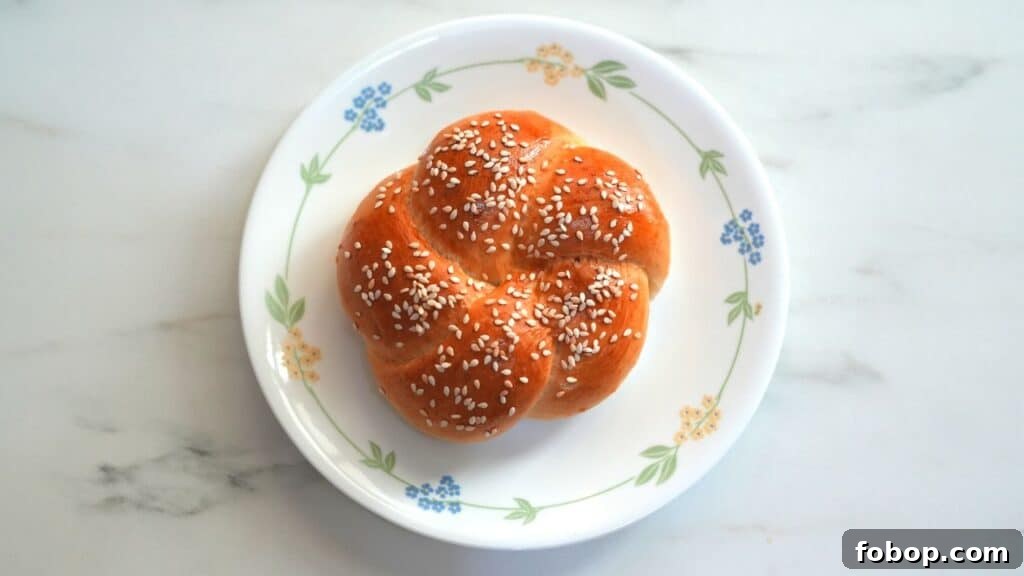
A kaiser roll is a round bun with a distinctive top pattern of symmetric segments that resemble the petals of a crown.
Kaiser roll ingredients
- Flour: 550 g (about 4 1/4 cups, loosely packed)
- Warm water: 300 ml (about 1 cup + 1/4 cup)
- Honey or sugar: 50 g (1/4 cup sugar or ~1/6 cup honey)
- Salt: 10 g (1 1/2 tsp)
- Yeast: 5 g (1 1/2 tsp)
- Butter or oil: 50 g (3 1/2 tbsp)
How to make a kaiser roll
The process is simple and can be broken into these main steps:
- Prepare the dough
- Divide and shape the rolls
- Final proofing
- Bake until golden
1. Prepare the kaiser bun dough
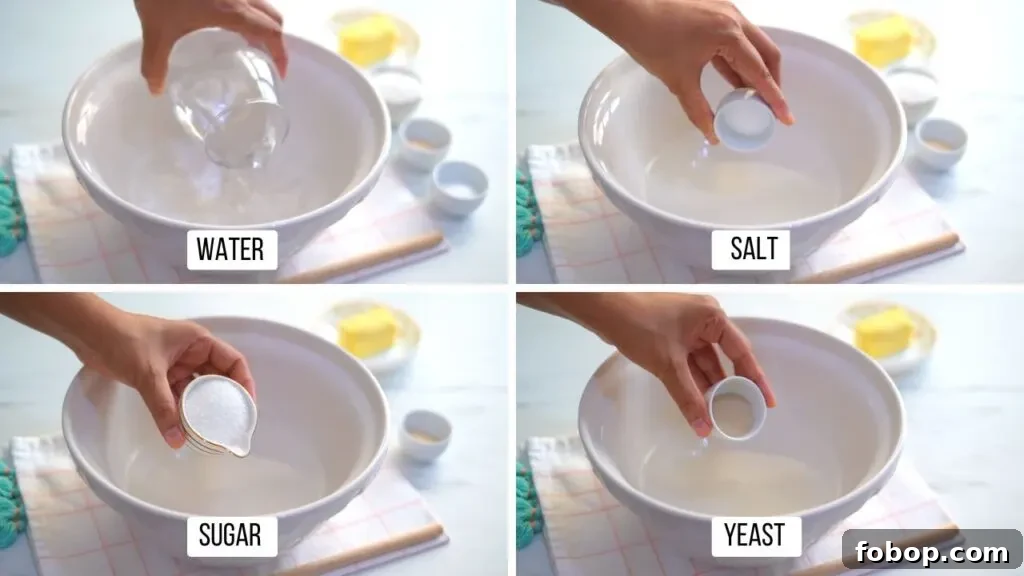
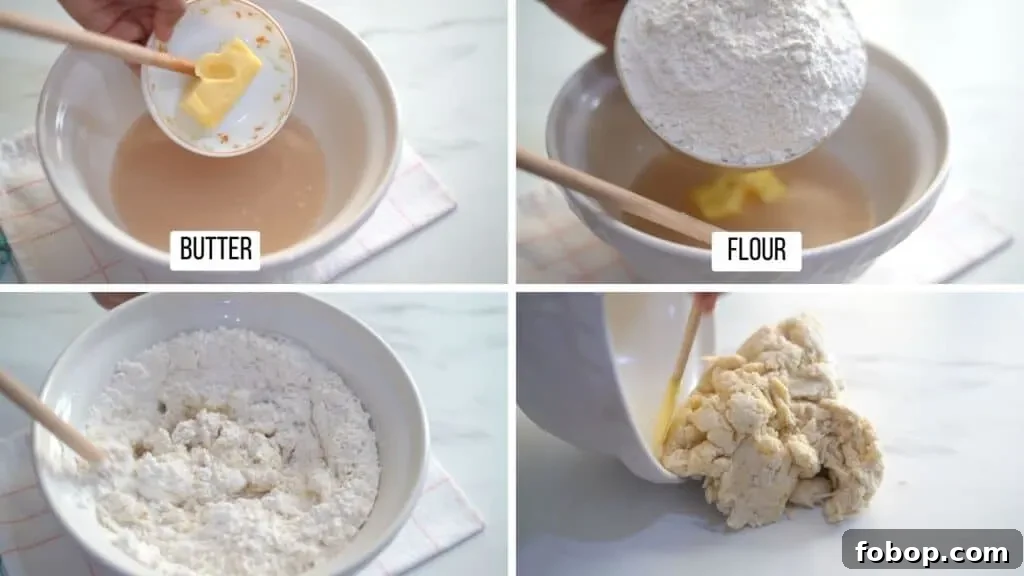
Combine warm water, salt, sugar and yeast in a bowl, then add the butter. Stir in the flour and mix until a shaggy dough forms. Transfer to a clean surface and knead for 8–10 minutes until the dough becomes soft and smooth.
During kneading the dough may feel sticky after a few minutes—resist adding flour immediately. Continue kneading and the dough will absorb the moisture and firm up. If after about 6 minutes it still seems too sticky, add 1–2 tablespoons of flour. If it’s too dry, add 1–2 tablespoons of water. When properly kneaded the dough should be smooth and elastic.
2. Divide and Shape the Kaiser Rolls
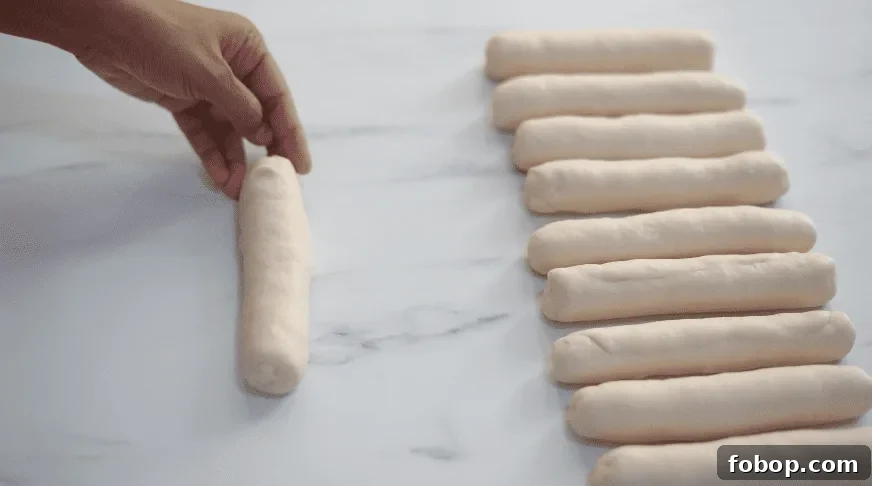
After kneading, divide the dough into equal portions. This recipe was divided into 10 parts for large, fluffy rolls. Using a kitchen scale helps ensure even sizes so they bake uniformly. Roll each portion into a ball and cover for 8–10 minutes to relax the gluten before shaping.
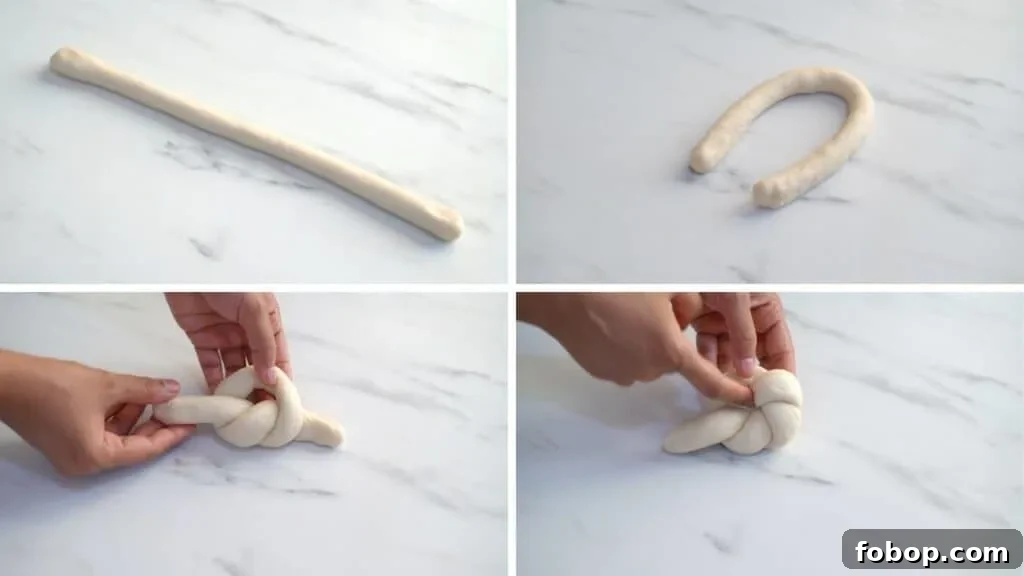
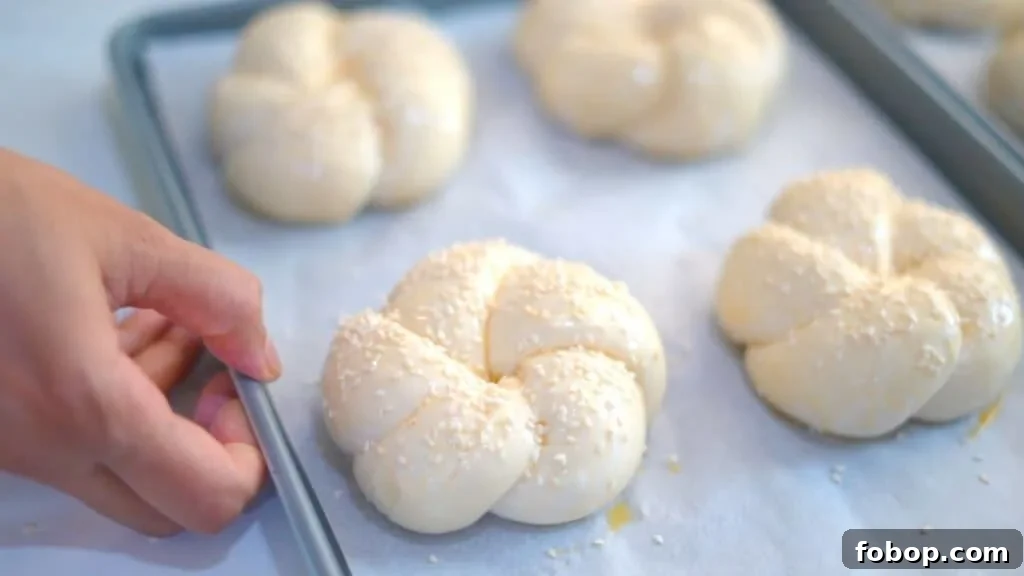
To shape: flatten a dough ball and roll it into an elongated rope (about 15 cm to start, later stretched to roughly 36 cm). Form a loose knot with the rope so you have two tails. Tuck one tail over the knot and push it through the hole, then bring the other tail down and tuck it underneath. Pinch and seal the underside to stop unraveling. Place shaped rolls on a parchment-lined tray.
3. Final rising
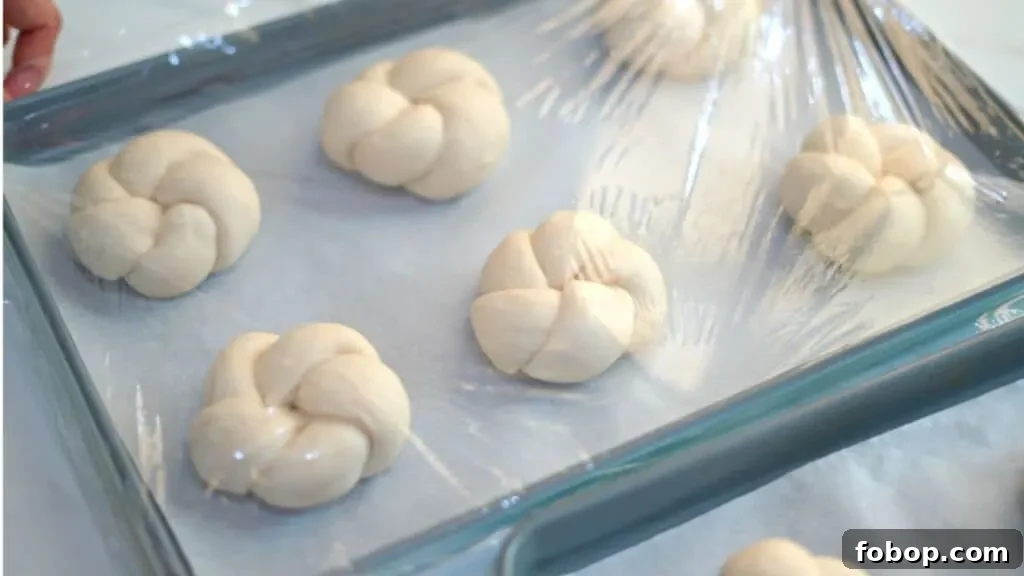
Cover the tray with plastic wrap and proof the shaped rolls for 70–75 minutes, adjusting for room temperature—warmer kitchens will take less time, cooler kitchens more. Proof until the rolls have noticeably puffed.
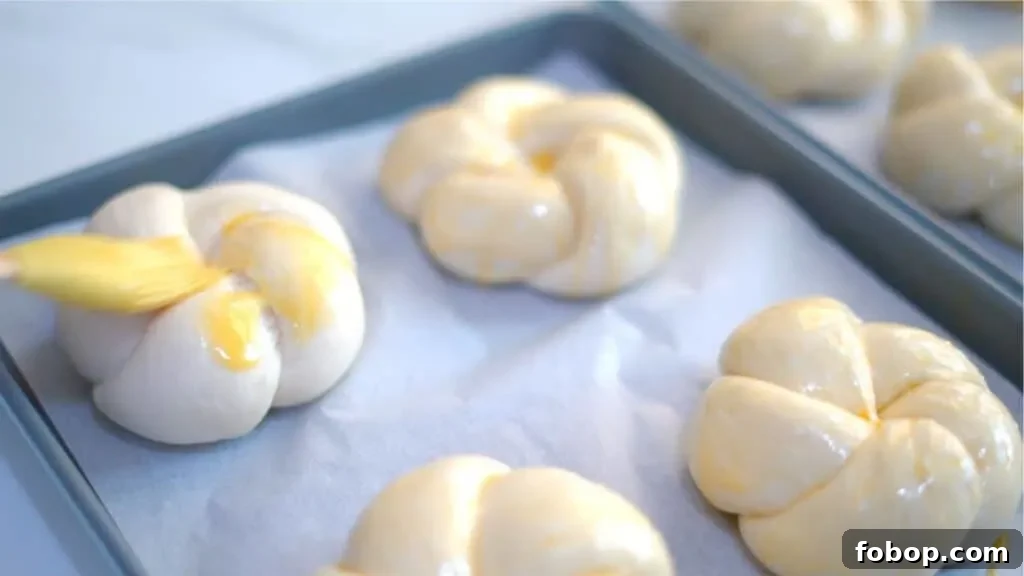
Brush the tops with an egg wash for shine and a golden finish, then sprinkle sesame or poppy seeds if desired.
4. Bake the kaiser rolls
Preheat the oven to 180°C (356°F) and bake the rolls for 26–30 minutes or until they are evenly golden brown. If the exterior browns too quickly while the interior is still doughy, lower the oven temperature by about 10°C next time.
Video: see how to shape kaiser rolls
Frequently asked questions
Why are my kaiser buns dense?
Dense rolls most often result from insufficient rising time—especially the final proof. Also check your yeast: expired or overheated yeast (from hot water) can be inactive. Make sure water is warm, not hot, and allow adequate proofing so the dough doubles and creates gas bubbles.
Why are they burnt outside but raw inside?
This indicates an oven that’s too hot. Lower the temperature by about 10°C and bake a little longer so the interior cooks through without over-browning the crust.
How to make the buns fluffier?
- Avoid adding extra flour during kneading; keep the dough hydrated.
- Knead well for 8–10 minutes until the dough is smooth and elastic.
- Allow the shaped rolls to proof fully until puffed and nearly doubled.
- Don’t overbake—the rolls should be taken out when golden and cooked through.
Why do my buns smell yeasty?
- They may be over-risen—stop proofing when nearly doubled.
- Underbaked centers can also produce a strong yeasty aroma—ensure they are fully baked.
Storage and reheating
Store rolls at room temperature in a cool, dry place for 2–3 days in plastic wrap or a paper bag. For longer storage, wrap well and refrigerate for up to seven days (refrigeration can dry bread faster). To reheat frozen or chilled rolls, brush or spray them with water and warm in a 175°C (350°F) oven for about 5–10 minutes until soft and fresh.
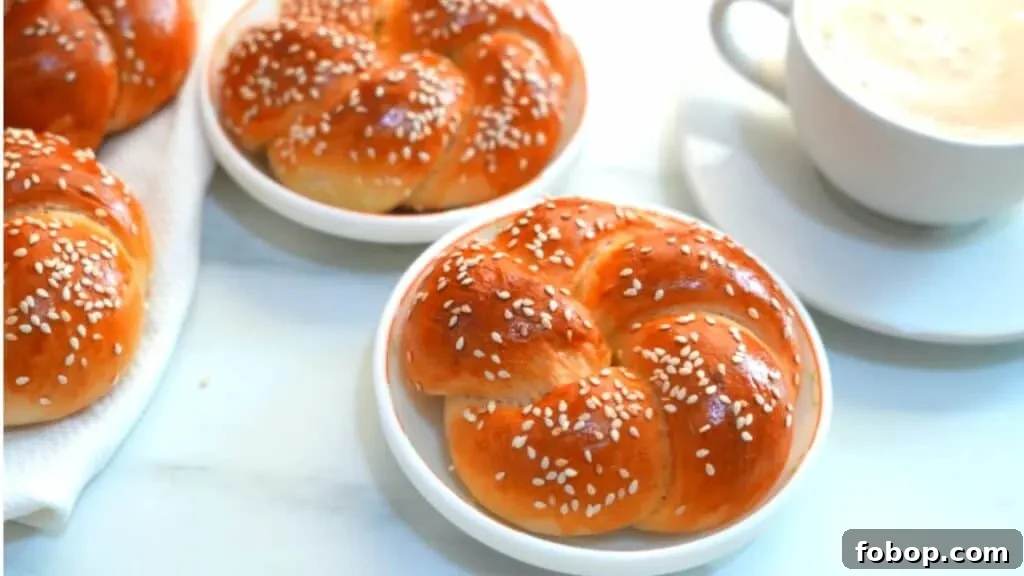
How to serve Kaiser Rolls
Kaiser rolls are versatile: serve them with soups, use them as burger or sandwich buns, or enjoy with jam, honey, cold cuts, or cheese. They work equally well for savory or slightly sweet pairings.
Can I freeze the buns?
Yes. Wrap rolls in plastic or foil and freeze for up to one month. Reheat in a toaster or preheated oven for about 10 minutes to refresh them.
Using eggs or substitutes
If you want to enrich the dough with one egg, note that 1 egg ≈ 45 ml water by volume. Add the egg and reduce the water by 45 ml. Eggs add richness and a slightly yellow tint to the dough. For the final glaze, milk gives a matte golden color while an egg wash gives a shiny, deep golden finish. You can skip the wash if you prefer.
Alternative names
These rolls are also called: Emperor roll, Hard roll, Semmel, Vienna roll, or Wiener Kaisersemmel.
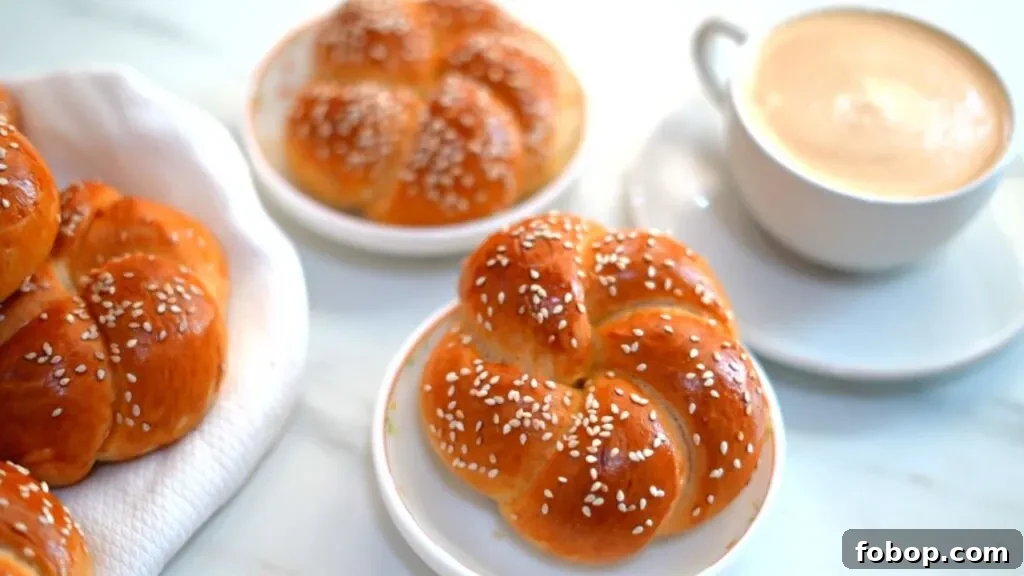
Easy Kaiser Roll Recipe
Ingredients
- 550 g flour (about 4 1/4 cups)
- 300 ml warm water (1 cup + 1/4 cup)
- 50 g sugar or honey (1/4 cup sugar)
- 10 g salt (1 1/2 tsp)
- 5 g yeast (1 1/2 tsp)
- 50 g butter or oil (3 1/2 tbsp)
Instructions
- Prepare the dough: Mix warm water, salt, sugar and yeast. Add butter, then flour. Knead 8–10 minutes until smooth and elastic. Adjust with small amounts of flour or water only if necessary.
- Divide: Divide into 10 equal portions, roll into balls and rest covered 8–10 minutes.
- Shape: Roll each ball into a rope, tie a loose knot, tuck and seal the tails underneath, then place on a parchment-lined tray.
- Proof: Cover and proof 70–75 minutes, or until well puffed. Times vary with room temperature.
- Finish and bake: Brush with egg wash for shine, sprinkle seeds if desired, and bake at 180°C (356°F) for 26–30 minutes until golden.
Notes
One egg can replace 45 ml of water. If using eggs, reduce water accordingly. Store at room temperature for 2–3 days or refrigerate up to a week (may dry faster). Freeze wrapped for up to a month.