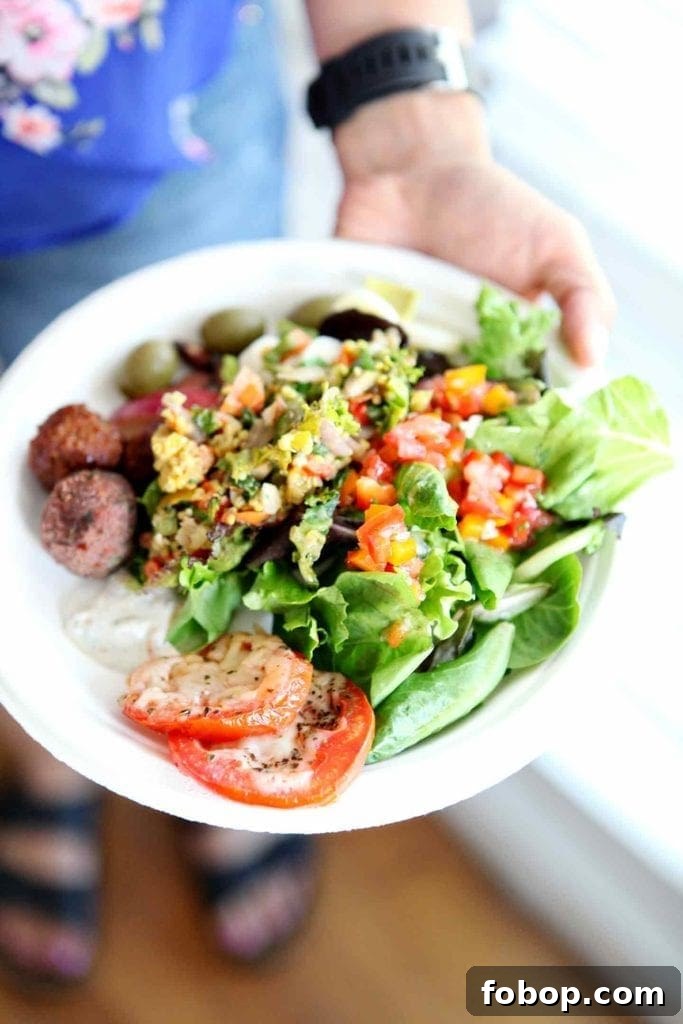
Gathering friends and family for a potluck meal? Use these practical tips and tricks to plan a successful potluck party. A memorable potluck blends clear communication, thoughtful planning, preparation and a little organization — and it doesn’t have to be overwhelming. With these easy steps, your potluck will be a hit.
2025 Update: This post was first shared in July 2017 after a DFW blogger potluck hosted by my friend Dixya. It’s been updated with clear, actionable steps and fresh tips to help you host your own potluck gathering.
Food bloggers tend to know how to pull off a great potluck — and for good reason. A recent summer potluck hosted by Dixya reminded me how much fun these gatherings can be. After that event, I collected the best advice I learned and organized it here to help you host smoothly.
Why you should host a potluck
Potlucks are a relaxed, community-driven way to bring people together while sharing the workload. You can set a theme, decide which items you’ll provide and let guests pitch in with the rest. The goal is connection, not perfection — and potlucks make it easy to enjoy a meal with friends without being responsible for every dish.
Occasions that work well for potlucks
If you need an excuse to host, here are ideas that pair perfectly with a potluck:
- Graduation party
- Housewarming
- Farewell or goodbye party
- Work gatherings
- Holidays like Friendsgiving, Christmas or Valentine’s potlucks
- Baby showers and bridal showers
- Football or sports watch parties
- Sunday dinners or other special occasions
- Just because — a casual get-together
Below are tips focused on how to host a potluck rather than specific recipes, though I include food ideas later to inspire you.
1. Choose your date and guest list
Start by picking a date that works for you and your likely guests. Weekends often give people the time they need to cook. Once you have a date, list who you want to invite and begin planning the invitations.
2. Plan a menu or theme
Decide on a theme before inviting guests so the food feels cohesive. Keep the theme broad enough to allow variety — for example, BBQ, Tex-Mex, soups, brunch or appetizer-focused gatherings. You’ll be coordinating the menu, so decide what you’ll provide and encourage guests to bring complementary dishes (sides, desserts, drinks, finger foods).
How to coordinate who brings what
Make it clear how guests should tell you what they plan to bring. Options include:
- Have each guest message you directly with their dish
- Create a group text if the guests all know each other
- Use a shared sign-up sheet or spreadsheet so everyone can list their contribution
Coordinating prevents duplicates and ensures a well-rounded spread.
Food for Thought: Highlight Local Flavors
At the DFW blogger potluck, sponsors and local brands were highlighted, which introduced guests to new products. You don’t need sponsors to do this — simply ask guests to bring a favorite local product or a dish that showcases a regional flavor. It’s an easy way to add variety and encourage conversation.
What should the host make?
As host you can make the main dish, multiple items, or a signature appetizer and dessert. Choose recipes that you enjoy and can prepare without excess stress. It’s fine to make more than one thing, but balance your workload so you can also be present with guests.
Potluck food ideas
Choose dishes that fit your theme and are easy to transport or keep warm. Some ideas by season or style:
- Summer BBQ: slow-cooker pulled pork, baked beans, coleslaw, taco pasta salad, homemade barbecue sauce
- Winter: soups and stews like baked potato soup or Texas chili served with bread
- Tex-Mex: tacos, charred corn salsa, guacamole and chips
- Grill-focused: sausages, grilled vegetables and skewers
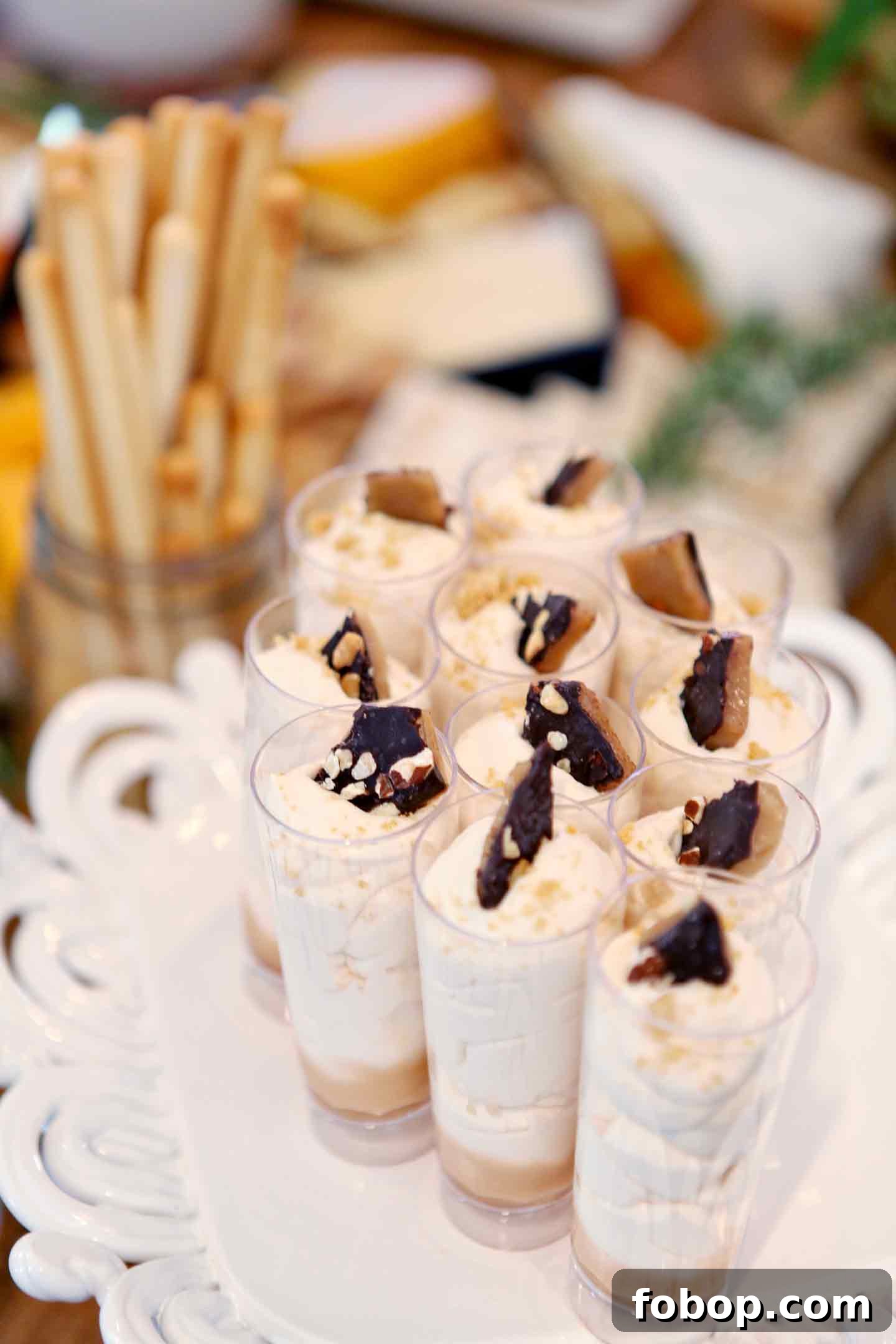
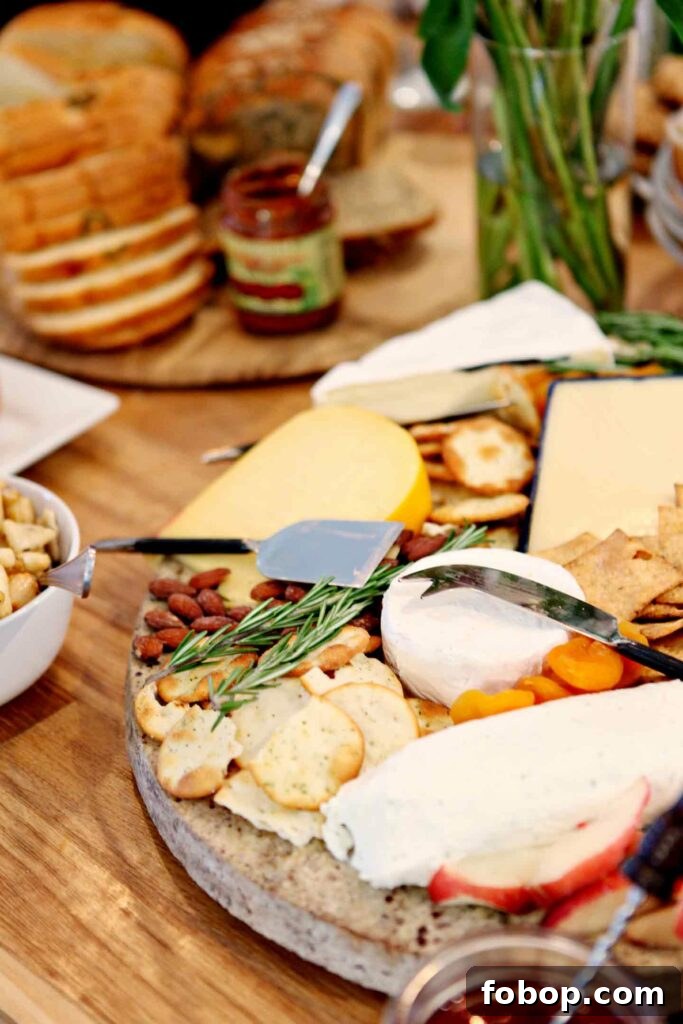
- Appetizers and snacks: crostini, dips, queso, hummus, snack boards and cookie bars for dessert
Ask guests to estimate portions based on the number of attendees to ensure there’s enough food overall. Encourage variety so the buffet includes mains, sides, drinks and desserts.
Pro tip!
Check for dietary restrictions and allergies. Ask guests in advance if anyone needs gluten-free, dairy-free or other accommodations and plan so everyone has something to enjoy.
3. Invite friends
Send a clear invitation with the date, time, location and theme. Include instructions for how guests should let you know what they’ll bring and whether they should arrive with dishes ready on a platter plus serving utensils. A simple digital invite, group text or email works perfectly — aim for clarity and ease.
Invitation tips
Keep invitations simple and include any logistical details: where to park, whether you’ll provide plates or expect guests to bring serving pieces, and any dietary notes. If you want a keepsake, design a digital invite or use a printable, but plain text or messages are fine if that’s easiest for you.
Try this…
Encourage guests to provide recipe cards
Ask guests to bring a printed recipe or a small recipe card for their dish. It’s a great way for everyone to collect favorites and recreate dishes at home.
4. Plan a cooking timeline
Create a schedule for prep and cook times so dishes are ready when guests are expected to eat. List recipe times (including chilling or resting), note what can be prepared ahead, decide a serving time and work backwards. Add 30–45 minutes of buffer to reduce stress and keep this timeline visible in the kitchen on the day of the event.
DON’T FORGET!
Build in time to get ready, too. Plan to shower and dress once longer-cooking items are in the oven or slow cooker. A little preparation time helps you be relaxed and present when guests arrive.
5. Grocery shop
Shop up to a week in advance for ingredients and party supplies. Buy plates, cups, cutlery and to-go containers if you prefer disposable items for easy cleanup. If you’ll provide alcohol, buy or assign someone to pick up beer, wine and mixers ahead of time. Make a full list so you don’t make last-minute runs.
6. Plan your serving dishes and labels
Decide which platters and bowls you’ll use for each dish. Label serving platters with sticky notes or small cards tied to plates so guests know what each dish is. Remind guests to bring serving utensils and their own platters if needed.
7. Make as much as you can in advance
Prep what won’t compromise quality: chop vegetables, pre-mix dressings, assemble casseroles to bake the day of, bake desserts a day or two earlier, and prepare drinks in advance. Anything you can do ahead reduces day-of stress and lets you enjoy the event.

8. Decorate if you want to
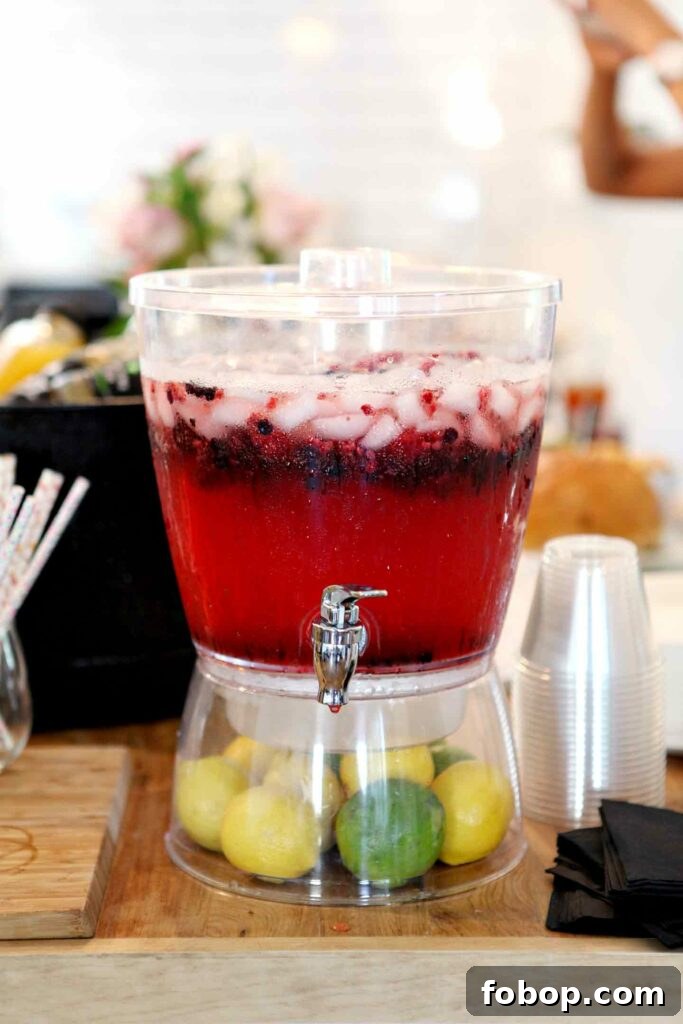
Decorating isn’t required. If you have time, simple touches elevate the table: fresh greenery as a centerpiece, unscented candles, festive napkins, a self-serve bar or pitchers of infused water. Keep it simple and functional so it adds atmosphere without stress.
9. Take a deep breath, keep your cool and have fun
On the day of the potluck, pause, breathe and follow your timeline. Do small tasks first, empty the dishwasher, enjoy a moment of coffee, and accept help from guests. If plans shift, serve appetizers early and let people mingle. The point is to spend time with friends — not to achieve perfection.
- Start with coffee and a quick review of your plan.
- Enlist help and accept offers to assist.
- Have simple games or conversation starters if guests don’t know each other.
- Let guests mingle and enjoy the food — and join them.
Frequently Asked Questions
Generally, no. If you’re invited to a potluck, it’s expected that you bring a dish or contribution. Check with the host if you’re unsure.
Choose sides that match the theme and travel well: salads, mac and cheese, deviled eggs, roasted vegetables or grain-based salads are reliable choices.
Crostini, bruschetta, meatballs, sliders, dips with chips, or small skewers are popular finger-food options that are easy to share.
Desserts that slice or portion easily are ideal: brownies, cookie bars, loaf cakes or dessert bars. They’re simple to transport and serve.