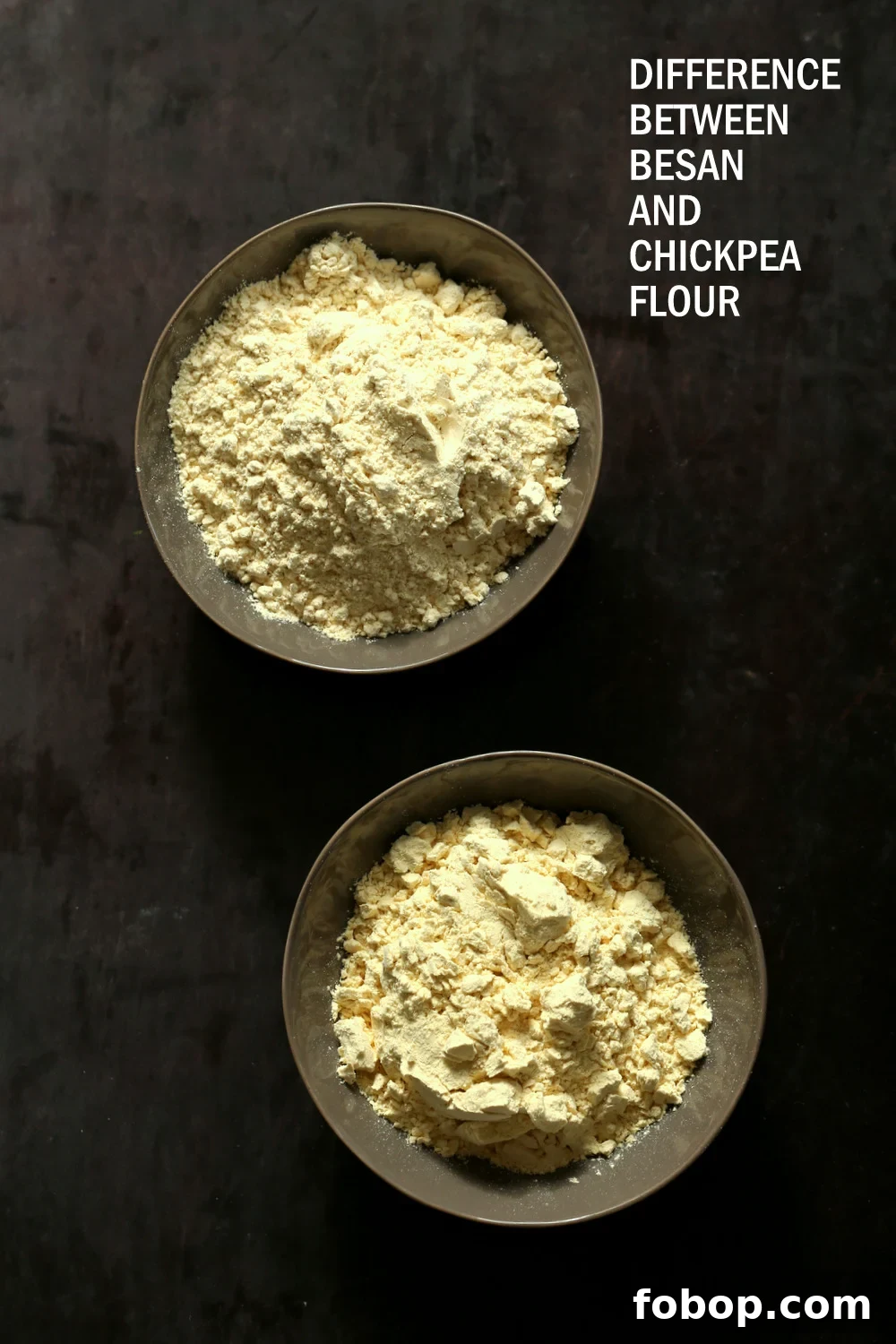
Besan and chickpea flour are not the same. Besan, often called gram flour, is made from chana dal (split brown chickpeas). Chickpea flour, sometimes labeled garbanzo flour, is made from whole white chickpeas. They share similar flavors and uses, but their textures and behaviors differ enough that substituting one for the other can change the outcome of a recipe. Below are practical differences and guidance for when to use each flour.
What is besan?
Besan, or gram flour, is ground from chana dal, which are split brown chickpeas. It is usually finely milled and has a smooth, compact texture.
What is chickpea flour?
Chickpea flour, also called garbanzo flour, is ground from whole white chickpeas (garbanzo beans). It tends to be coarser and lighter in texture than besan and can require more liquid in batters.
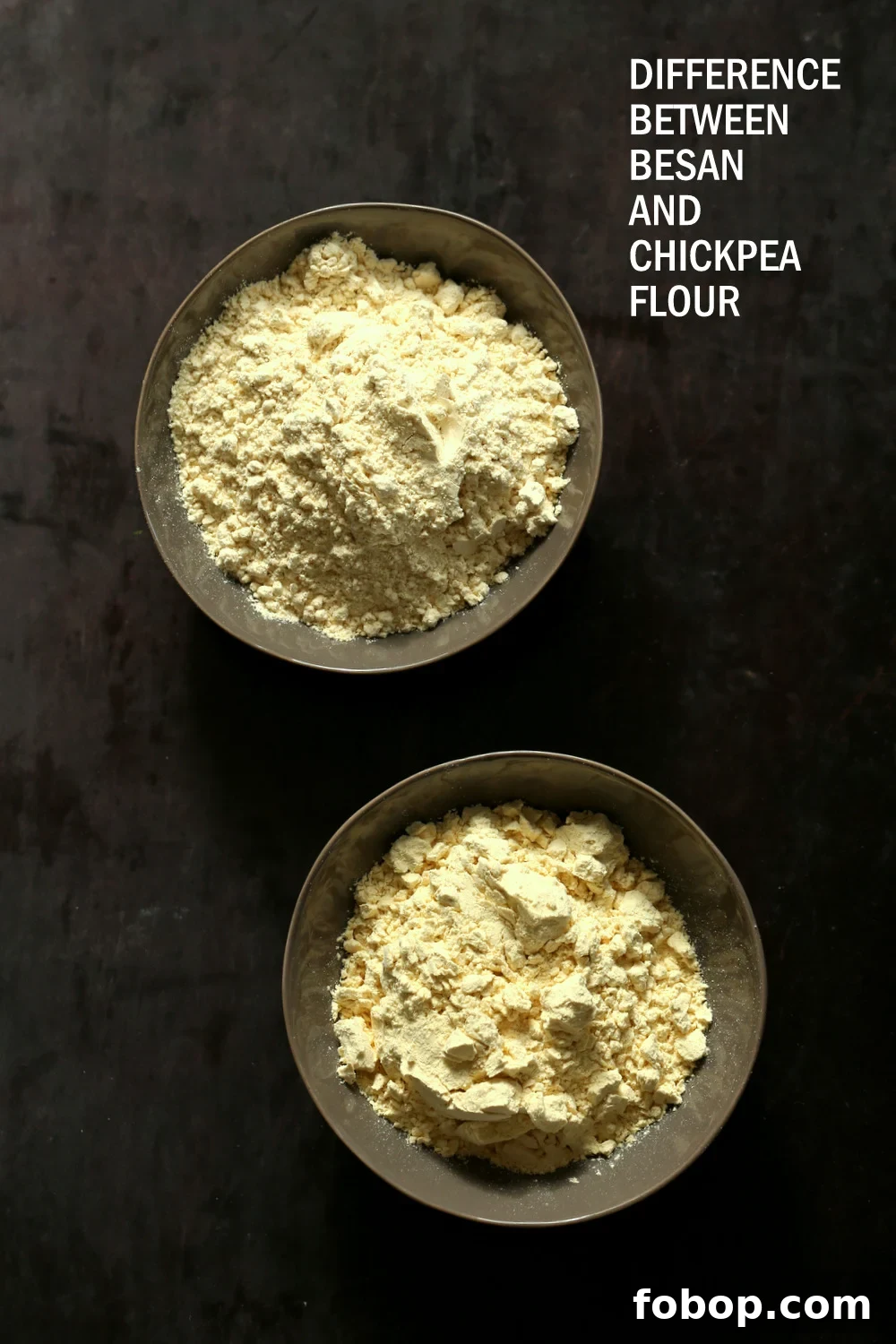
In the photo above, the lighter, fluffier bowl at the top is chickpea flour. The finer, smoother, more compact flour in the bottom bowl is besan.
What is the difference between besan and chickpea flour?
Besan and chickpea flour are distinct products. Besan is typically made from brown chickpeas (chana dal) and is often very finely ground. Chickpea flour is typically made from white chickpeas and is coarser. In some regions or brands a package labeled “chickpea flour” may actually be made from brown chickpeas, so reading the product description helps. The different source and grind affect hydration, texture, and flavor.
Can I substitute besan and chickpea flour for one another?
Yes, but with adjustments. Besan is finer and usually needs less liquid. White chickpea flour is coarser, absorbs more liquid, and often yields drier baked goods. Both flours have a slightly bitter raw taste, so many recipes rely on cooking time to mellow the flavor. Some swaps work fine with minor tweaks, while others require more careful adjustments to hydration or cooking time.
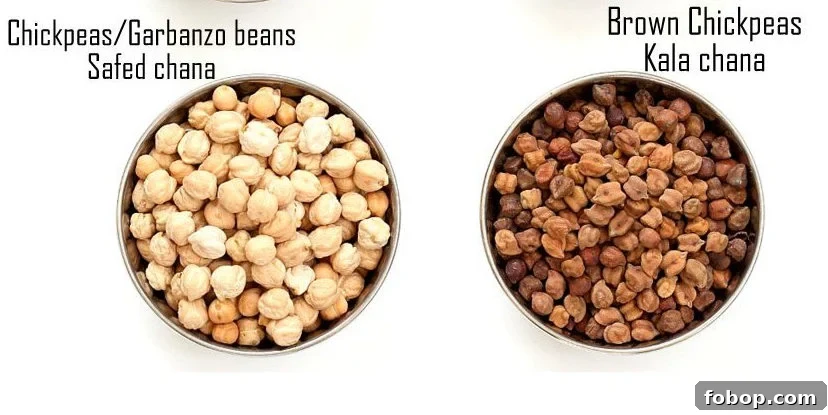
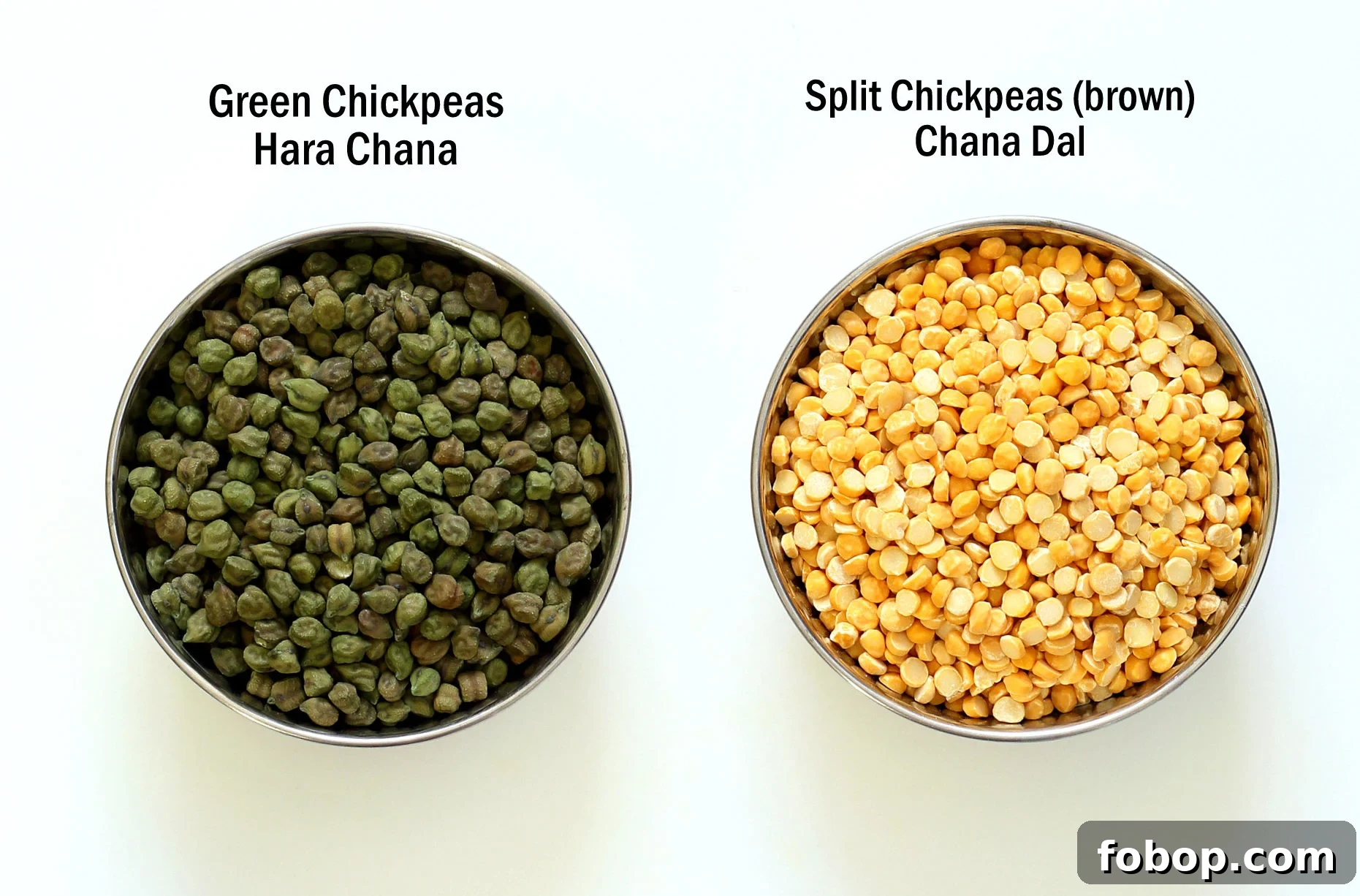
Chana dal is brown chickpeas split and de-skinned, and besan is usually made from this. When besan is produced from whole brown chickpeas with the skin (sometimes called kala chana besan), it will be darker and earthier than the more common chana dal besan.
Best uses for besan
Besan’s finer texture and milder flavor make it ideal for recipes where the flour may not be fully roasted or cooked through, or where it contributes to a delicate, moist result. Typical uses include:
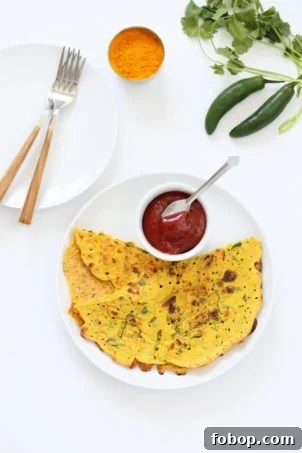
- Thin crepes and pancakes like chilla
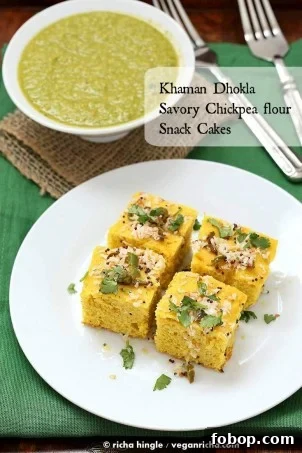
- Steamed savory cakes such as dhokla
- Fritters and pakoras that benefit from a crisp but tender interior
- Soups and gravies like kadhi
- Sweets such as besan halwa, ladoo, and burfi where a smoother texture is desired
Besan often performs better than coarse chickpea flour in gluten-free leavened baking where moisture retention and a less dry crumb are desirable.
More besan recipe ideas
- Besan halwa
- Ladoo (besan sweet balls)
- Besan burfi
- Steamed dhokla
- Kadhi (yogurt and besan soup)
- Cookies and other baked treats where flavor, not volume, is the goal
Best uses for chickpea flour (garbanzo flour)
Chickpea flour’s coarser grind and stronger, slightly more bitter flavor make it a good choice where structure and setting matter. It holds up well in volume-based recipes and where a firmer texture is desired:
- Socca and flatbreads
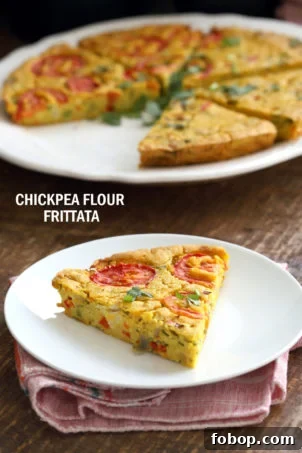
- Quiches, pies, and frittatas where the batter needs to set
- Baked fritters and savory muffins that require more body
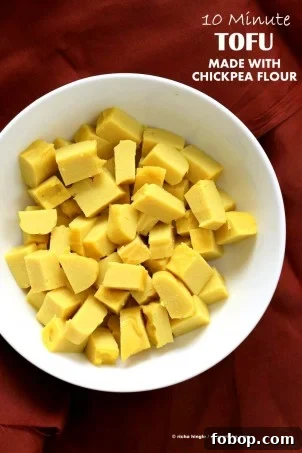
- Chickpea tofu (Burmese-style tofu) for a firmer result
- Eggless omelets when a thicker, fluffier texture is preferred
Chickpea flour tends to dry out more in baking and requires sufficient cooking to remove raw bitterness. It works well when the recipe is designed to accommodate its texture and flavor.
More chickpea flour recipe ideas
- Socca
- Gluten-free naan
- Chickpea flour tofu (firmer texture)
- Chickpea flour frittata
- Chickpea flour scramble
- Gluten-free flatbreads and savory bakes
Making and storing these flours
You can make chickpea flour or besan at home by grinding dry chickpeas or chana dal in a high-speed blender or grain mill to the desired fineness; home-ground flour may be coarser than commercial varieties. Store either flour in an airtight container in a cool, dry place. At room temperature they stay fresh for several months and longer if refrigerated. If the besan or chickpea flour is purchased from a warm-climate store, consider refrigerating to preserve freshness.
Using chickpea or besan in gluten-free baking
Neither flour is a direct substitute for wheat or all-purpose flour, because they lack gluten’s binding properties. In gluten-free baking they can replace a portion of a flour blend, but recipes usually require reformulation—additional moisture, sweetener, and longer baking time to cook out the raw flavor. Besan is generally less bitter and may be easier to work with in some cases.
Why a recipe might fail when using these flours
- Besan and chickpea flour behave differently—recipes written for one may need adjustments in liquid or flour amount.
- Labeling can be inconsistent; a product labeled besan might be made from white chickpeas or vice versa, depending on brand and region.
- Many online recipes assume the two flours are interchangeable and may not note which was used, leading to unexpected results.
Conclusion: Besan is typically made from brown chickpeas (chana dal), is finely milled, and has a milder flavor. Garbanzo or white chickpea flour is usually coarser, drier, and somewhat more bitter, requiring more moisture in recipes. Because their textures and flavors differ, check product descriptions when possible and adjust recipes for hydration and cooking time when substituting between them.
Questions? Leave a comment and share what you’d like to know about using besan and chickpea flour in your cooking.