
⏰ TL;DR: THC may be detectable in blood for roughly 3–4+ hours, saliva for up to 72+ hours, urine for around 30+ days, and hair for up to 90+ days.
Wondering how long edibles remain in your system? There’s no single answer—timing depends on factors like your body, how often you use, dosage, and metabolism. Below you’ll find a clear, practical breakdown of how edibles interact with the body and what influences how long THC can be detected.

Article Features
- Detection times depend on dose and frequency of use
- Individual physiology and metabolism cause wide variation
- Want to skip the hard work? Shop directly for premium cannabis products delivered to your door. Now shipping across the US.

Why You Will Love This Guide
Edibles—brownies, cookies, or cannabutter—are foods infused with THC or CBD. They offer a discreet, often flavorful way to consume cannabinoids, but many people want to know how long those compounds stay in the body.
Whether you’re planning a predictable experience or have concerns about drug testing, it helps to understand how edibles are absorbed, how long effects last, and what influences detection windows.
The catch is that edible timelines vary a lot between people. Factors like metabolism, body composition, dosage, and usage frequency all play a role. This guide explains those variables so you can make informed choices.
Let’s dive in and clarify what you can reasonably expect when you consume an edible.
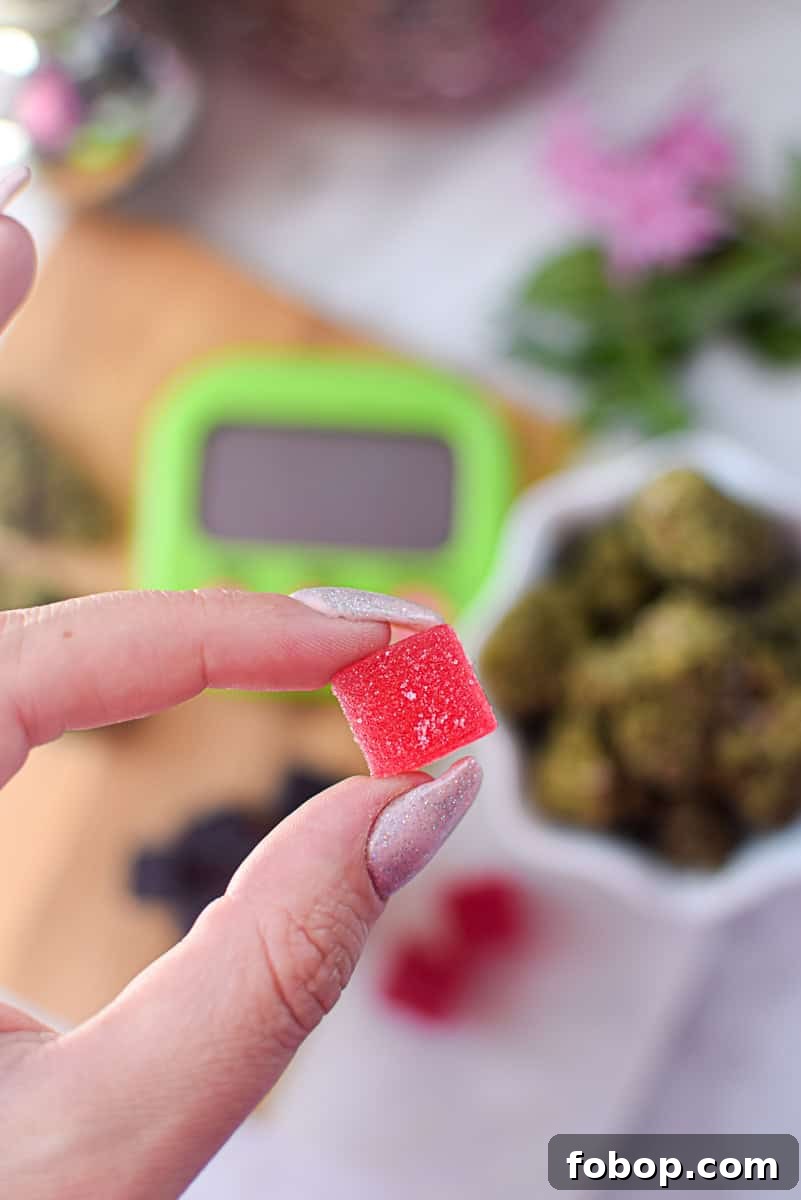
How Long Can Edibles Stay In Your System
So how long do edibles stick around?
THC—the psychoactive compound that causes the “high”—can be present in your body for different lengths of time depending on the testing method and your individual circumstances.
Common detection windows:
- Saliva: Up to about 72 hours
- Blood: Often around 3–4 hours (though active metabolites can sometimes be detected longer)
- Urine: Approximately 30 days for regular users (shorter for occasional users)
- Hair: Up to around 90 days
These are general estimates. Edibles can produce effects that last several hours, but metabolites from THC may remain in the body much longer and show up on tests days or weeks later.
Key variables that influence detection include dose, frequency of use, body fat percentage (THC is fat-soluble), and metabolic rate. Knowing these helps set realistic expectations about how long THC may be detectable.
Additional factors that can affect your final experience:
- Amount of THC consumed – Larger doses increase how much THC and metabolites enter and linger in the body.
- Frequency of use – Occasional users clear THC faster than daily or heavy users, who can accumulate metabolites.
- Body type – THC stores in fatty tissue, so body fat percentage and BMI influence how long it remains detectable.
- Metabolic rate – Faster metabolisms generally process and eliminate THC more quickly than slower ones.

How Edibles Work in the Body
If you’re new to edibles, start low and go slow. Edibles are processed differently than inhaled cannabis because they pass through the digestive system and liver before entering the bloodstream.
When you eat a THC-containing edible, the digestive tract absorbs cannabinoids and the liver converts a portion of THC into 11-hydroxy-THC, a metabolite that is often more potent and can produce stronger or longer-lasting effects than smoked THC.
Onset of effects from edibles is slower—usually 30 to 90 minutes after ingestion—and peak effects can take longer to arrive. Duration varies by person but commonly lasts several hours.
Because THC and its metabolites are fat-soluble, they can remain stored in fat cells after the noticeable effects fade, explaining why tests can detect them long after use.
🧁 Edibles are great when you’re prepared—know your limits, start with a low dose, and allow time for the effects to begin before taking more.

Getting Ready For a Drug Test
If you expect an upcoming drug test, it helps to know which type you’ll face. Most tests target delta-9 THC or its metabolites, and detection windows differ by sample type.
Common test types:
- Blood test
- Saliva test
- Hair follicle test
- Urine test
The most reliable way to avoid a positive result is to abstain from THC completely.
Some people try short-term measures like drinking more fluids, green tea, or cranberry juice, or using vitamin C and over-the-counter “detox” products. Results vary and none are guaranteed—abstinence is the only consistently reliable method.
More Articles You Will Love

Articles & How-To Guides
A Beginner’s Guide to Cannabis Edibles

Articles & How-To Guides
Why Edibles Don’t Work For Everyone

Articles & How-To Guides
Do Edibles Work Better on A Full or Empty Stomach?

Articles & How-To Guides