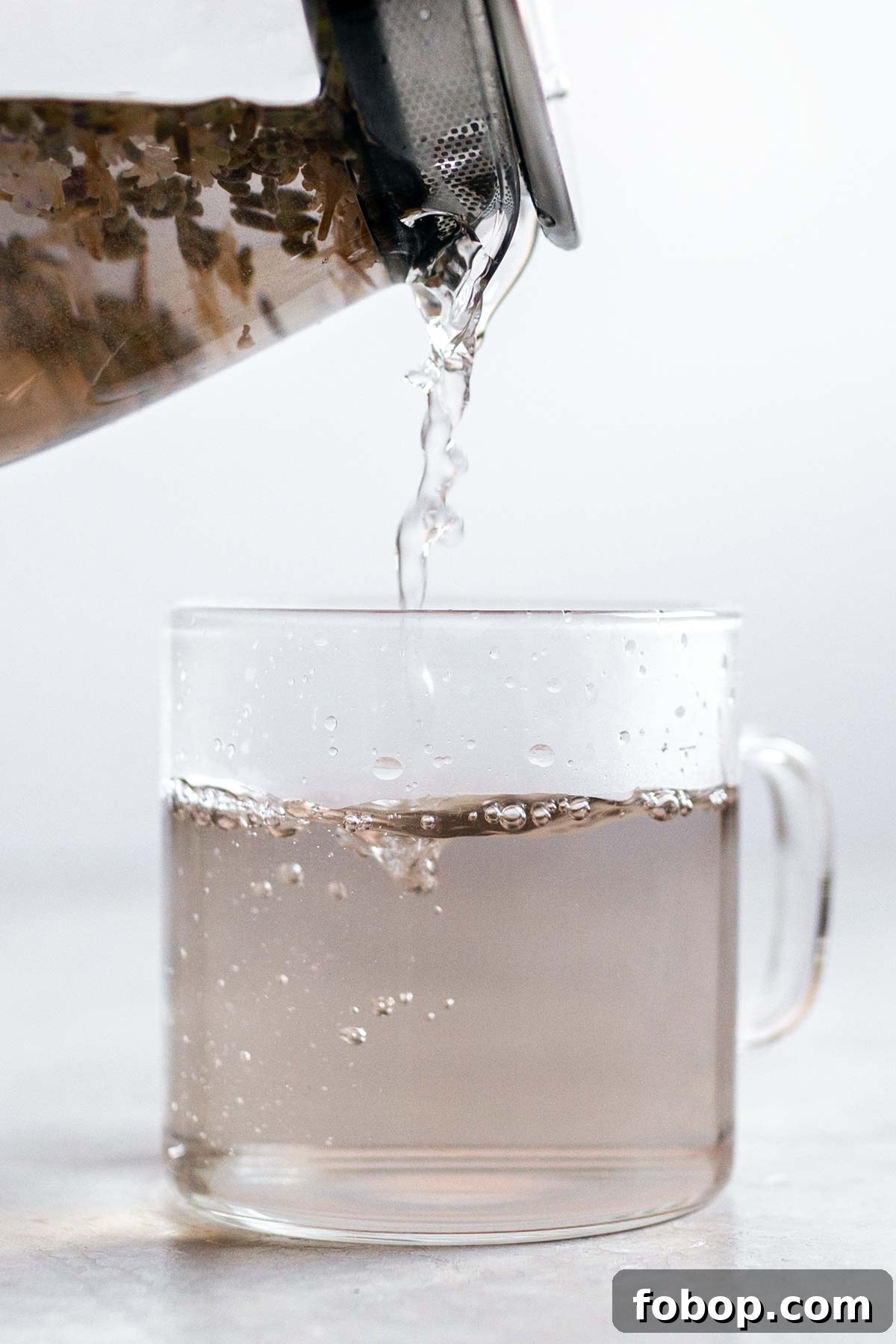
Lavender tea is a caffeine-free herbal infusion made from dried lavender flower buds. Below are clear, expert-tested steps from a certified tea sommelier for brewing a balanced, fragrant cup.
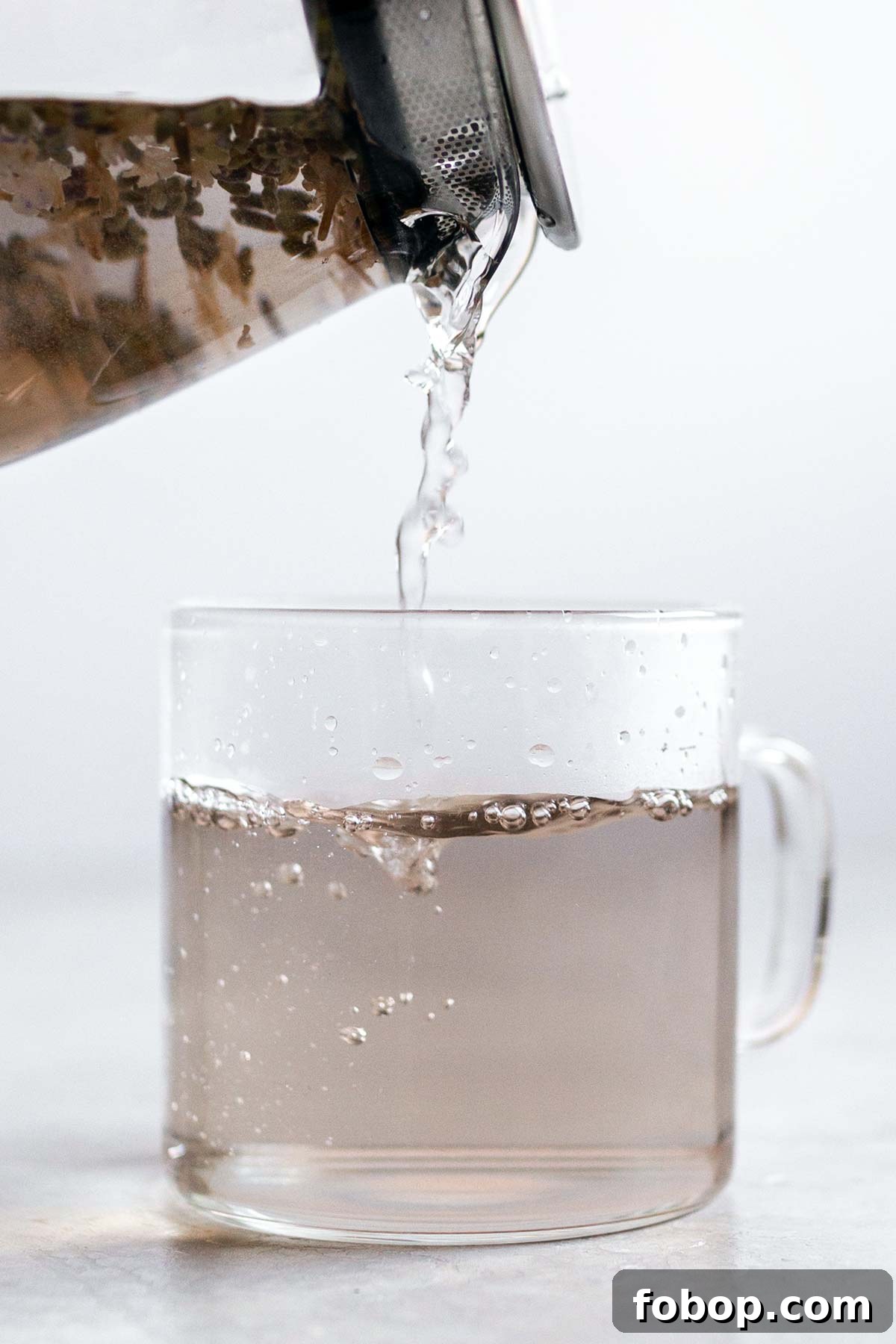
Lavender Tea
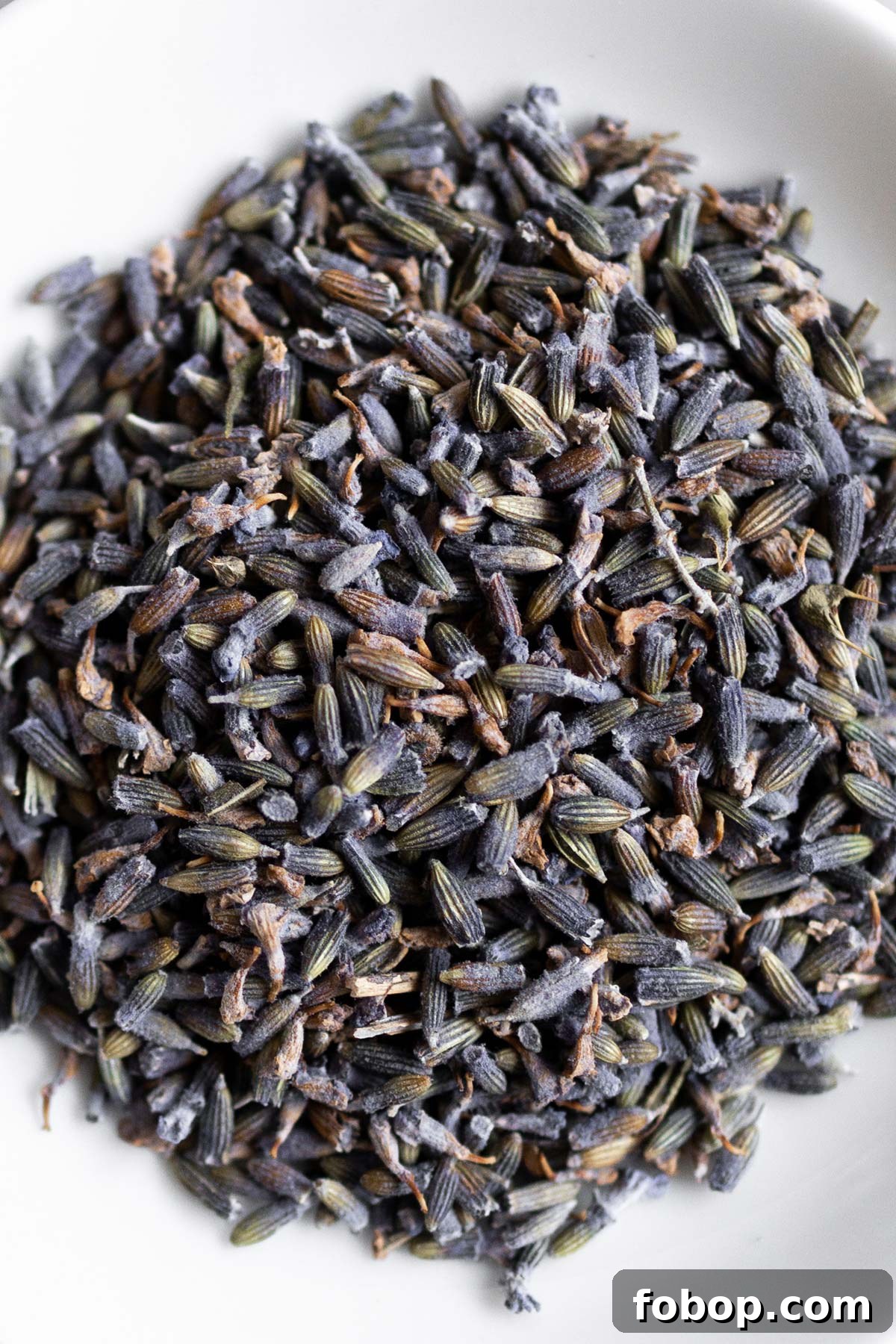
Lavender tea, also called a tisane, is made by steeping dried lavender buds in hot water. It’s naturally caffeine-free, so be sure to use food-grade lavender that hasn’t been treated with pesticides. English and French lavenders are the most common varieties used for tea. The flowers are purple, and the brewed infusion often has a delicate pale purple or beige tint rather than a vivid purple.
Note from Jee

I often check tea menus to confirm if a lavender drink is truly caffeine-free, since some blends include black tea. When ordering, ask whether the beverage is pure lavender or a lavender-flavored black tea.
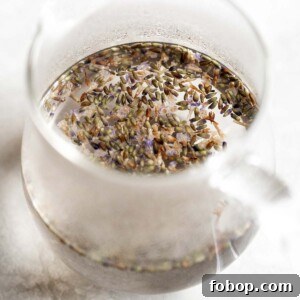
Also, don’t expect a bright purple brew—a properly steeped cup is usually a soft beige with a hint of purple.
Recipe Summary
- A concise, step-by-step guide to making lavender tea.
- Measurements and timing tested to produce a pleasant, not overpowering, lavender flavor.
- Recipe uses loose lavender buds for best quality; tea bags or sachets work as an alternative.
Ingredient Notes
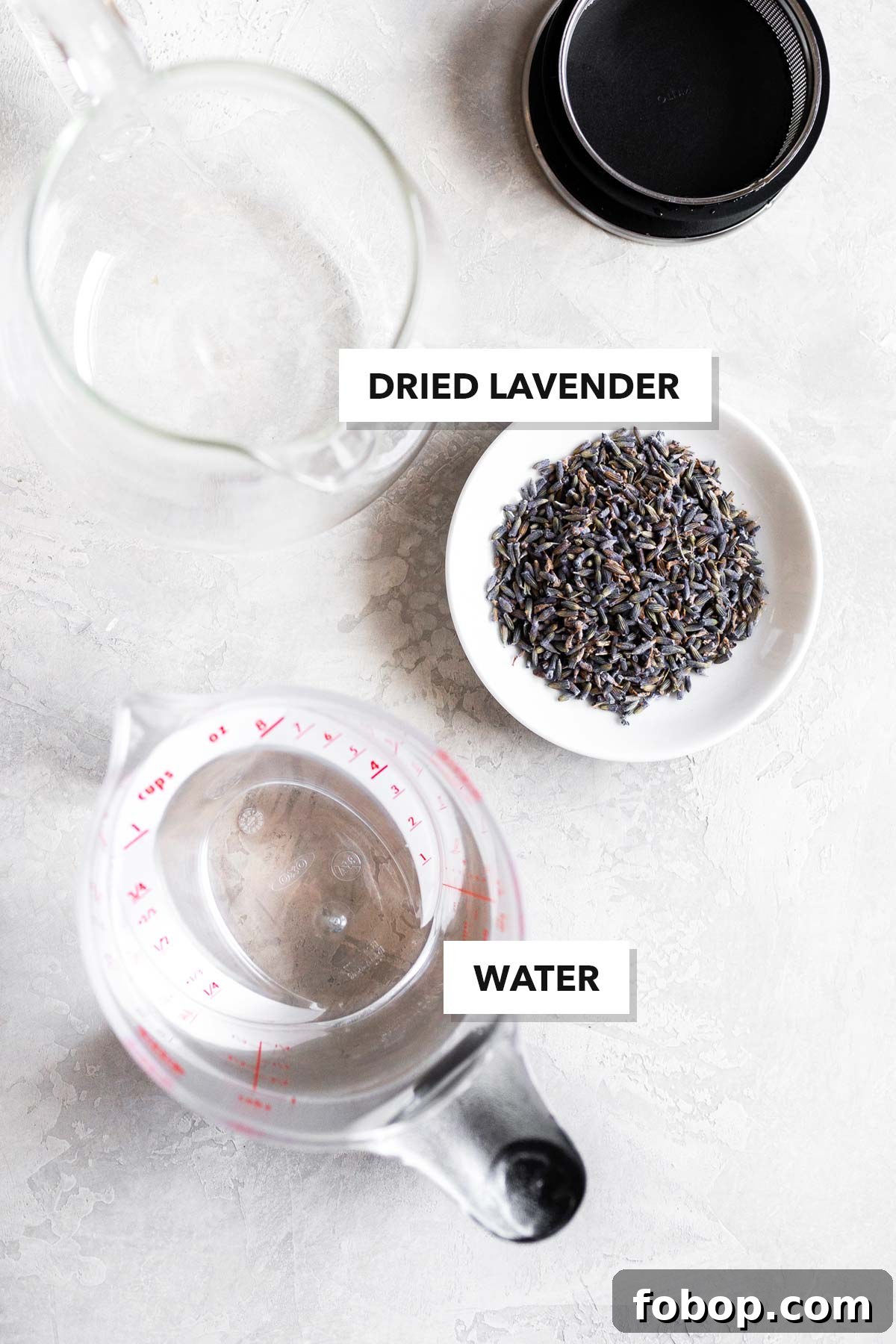
- Lavender: Choose food-grade loose lavender buds when possible. Whole buds indicate higher quality.
- Water: Use filtered water for the cleanest flavor—better water equals better tea.
Step-by-Step Instructions
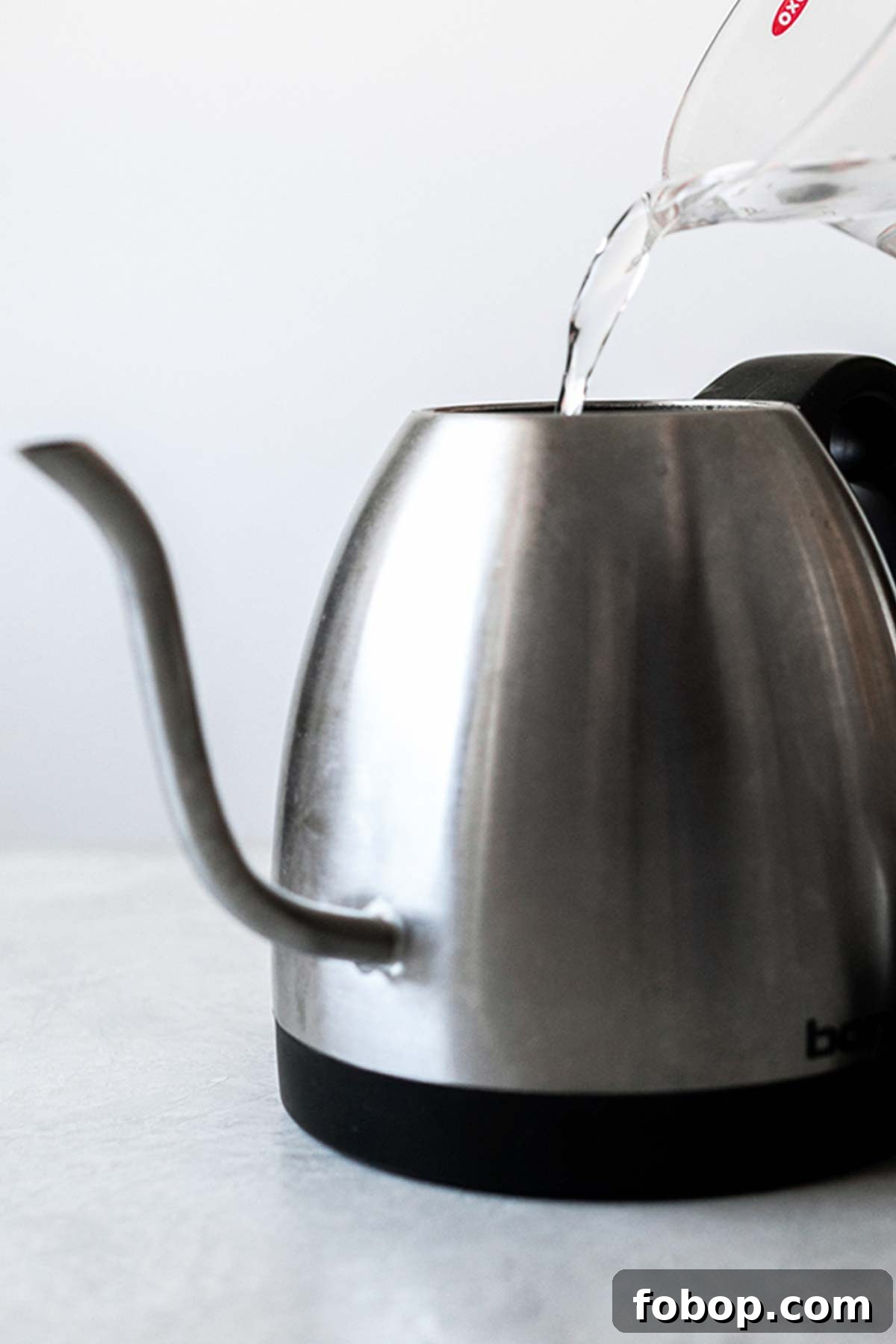
Step 1: Boil water. If you have an electric kettle with temperature control, set it to about 208°F (98°C). Boil slightly more water than you need so you can warm the teapot.
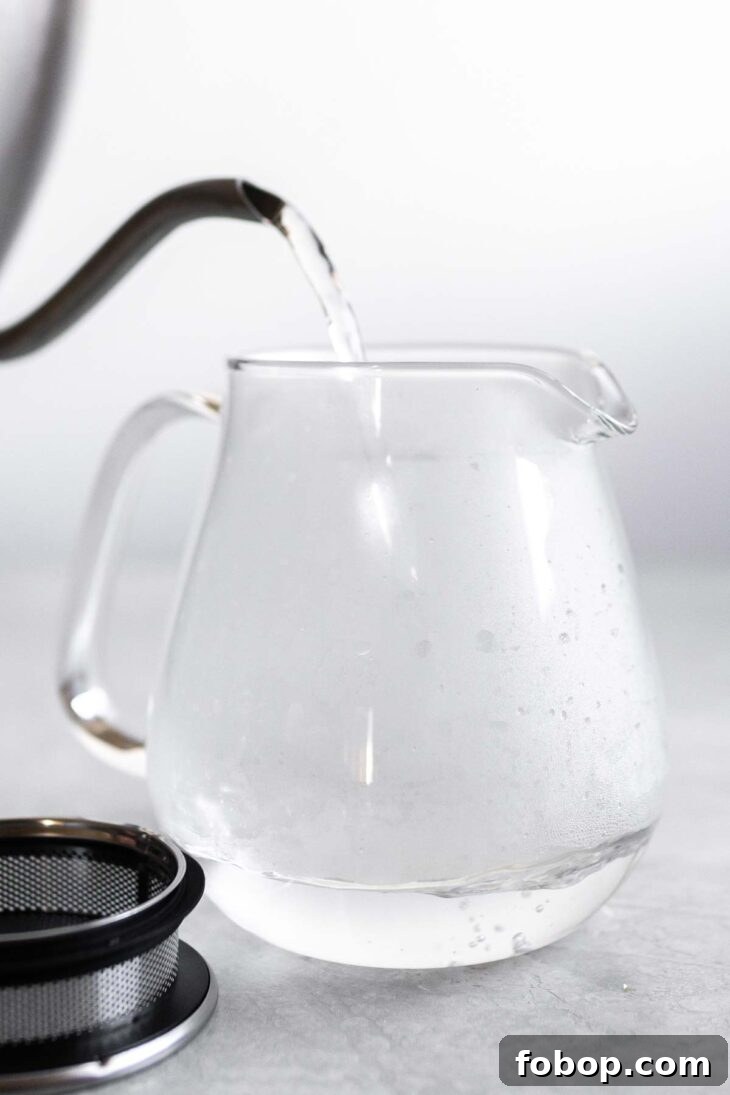
Step 2: Warm the teapot. Pour hot water into the pot, swirl, then discard. Pre-warming keeps the steeping temperature more consistent.
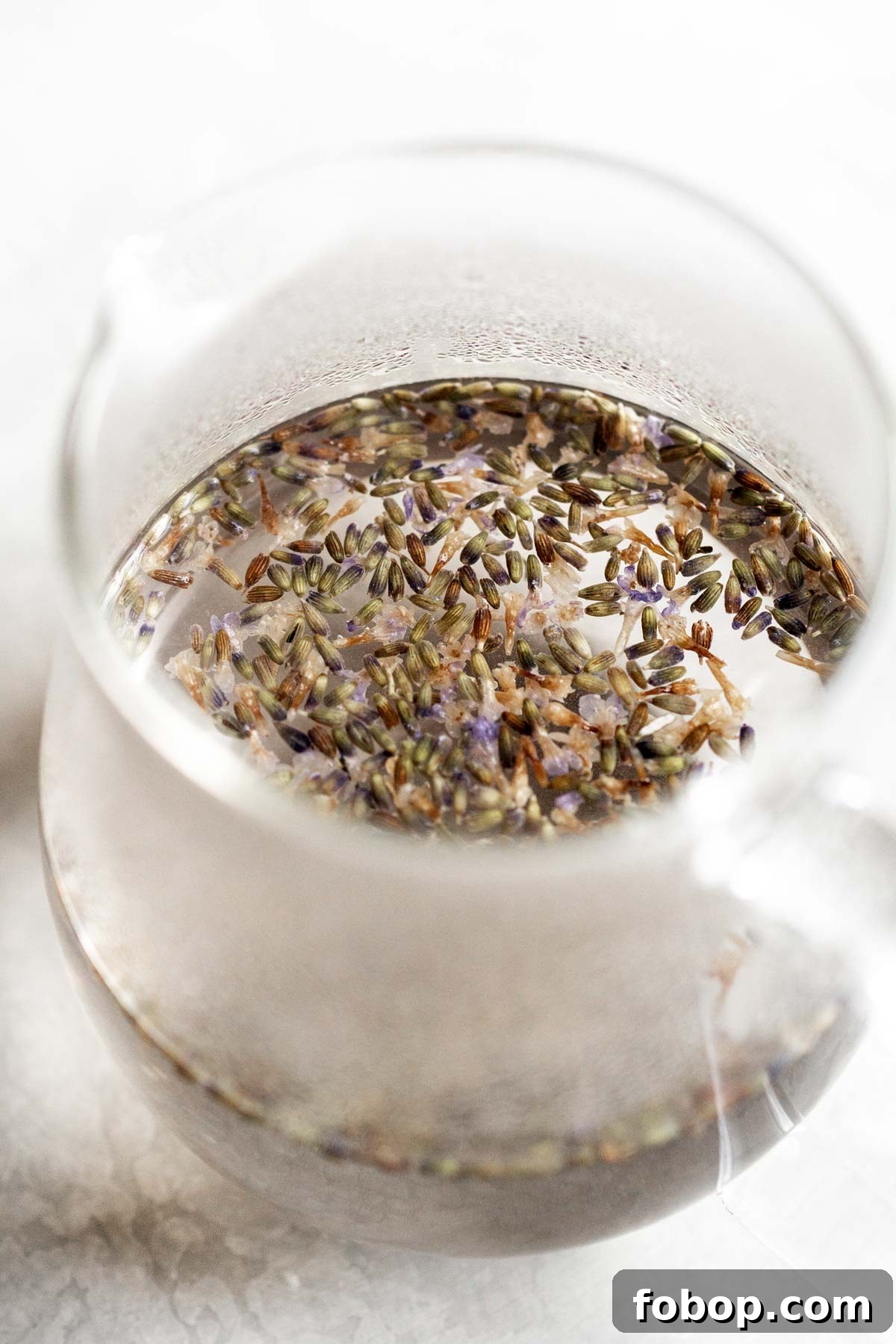
Step 3: Add lavender to the teapot and pour in hot water. Cover and steep. For a single cup use about 1/2 teaspoon loose lavender (or one sachet); adjust to taste.
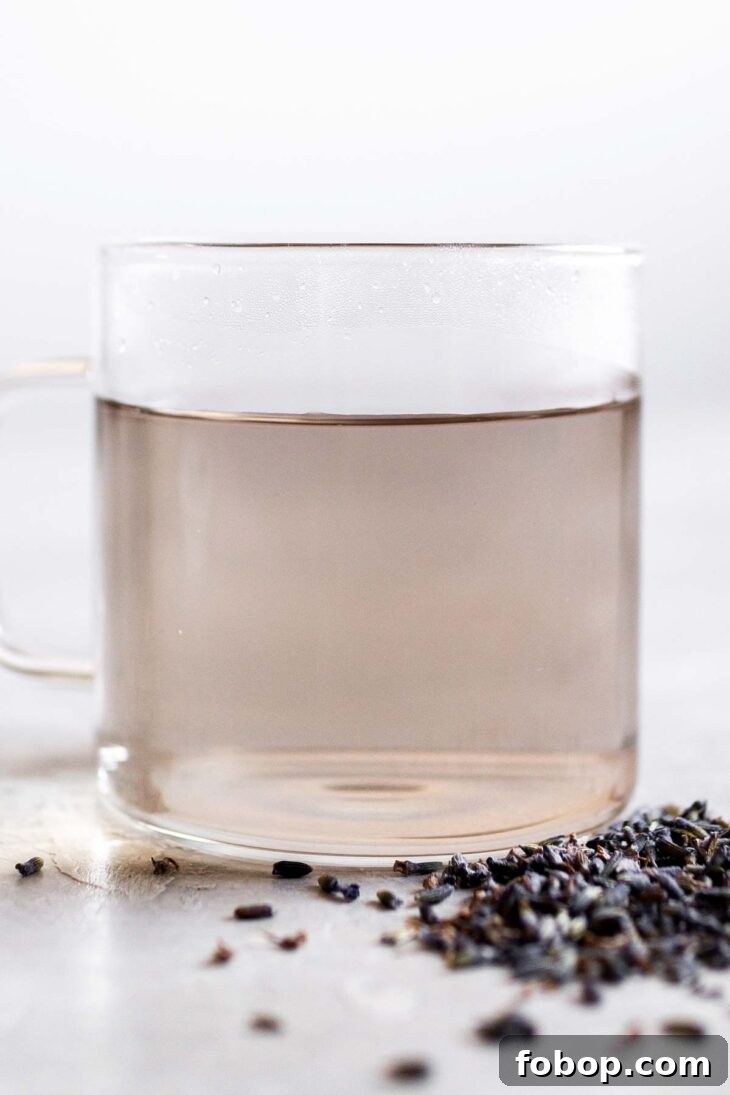
Step 4: After steeping, strain out the buds and pour the tea into a cup. A five-minute steep yields a clear lavender aroma and flavor; steep longer for stronger infusion.
Photo Credit: amazon.com
Tea Sommelier’s Tips
Use lavender sparingly.
Lavender is potent—too much will create an overpowering, unpleasant flavor. Start light and increase only if you prefer a stronger profile.
Longer steeping won’t make it bitter.
Unlike many true teas, herbal infusions such as lavender don’t typically become bitter with extended steeping. If you want a deeper lavender taste, steep a bit longer.
Sweeten if desired.
Serve hot or iced without sweetener, or add simple syrup to dissolve evenly if you prefer a sweeter cup.
Blend with black or floral teas.
If you want a caffeinated version, add a sachet or 1 1/2 teaspoons loose black tea. Lavender also pairs well with Earl Grey or chamomile.
Store cooled lavender tea in the fridge.
Keep brewed tea covered in a glass pitcher or airtight container for up to four days.
Related
- Peppermint Tea
- Hibiscus Tea
- Rooibos Tea
- Top 10 Tea Sommelier Tips To Make A Better Cup Of Tea
- Butterfly Pea Flower Tea
Save this recipe for later by pinning it to your board.
Lavender Tea
Ingredients
- 1 cup water, + more to warm teapot
- ½ teaspoon lavender tea, or 1 tea sachet or tea bag
Instructions
-
Boil water.
If using an electric kettle with temperature setting, set to about 208°F. Boil a little extra to warm the teapot. Filtered water gives the best flavor.
-
Warm the teapot.
Pour hot water halfway into the teapot, swirl, and discard. Warming keeps the steeping temperature steady.
-
Add lavender and steep for 5 minutes.
-
Strain and serve.
Notes
- Loose lavender gives a better, more authentic flavor than most tea bags.
- To make a caffeinated version, add a black tea sachet or 1 1/2 teaspoons loose black tea.
- Avoid adding too much lavender—start with a small amount and increase only if desired.
- Herbal infusions are forgiving: they can steep longer without turning bitter.
- Brewed lavender tea can be refrigerated for up to four days in a covered glass container.
Nutrition
Nutrition information is automatically calculated and should be used as an approximation.