Girls Can Grill BBQ rubs are back. Read about how they were developed, the flavor profiles of each blend, and where to buy them.
Listen to the BBQ Tips Podcast on
Table of Contents
- Listen to the BBQ Tips Podcast on
- History of Girls Can Grill Rubs
- Bringing a Rub to Market
- Brisket Rub
- Chicken Rub
- Pork Rub
- Where to buy GCG Rubs
I have exciting news: my Girls Can Grill spice rubs are available again. The journey to relaunch them was long and sometimes wild, but it was worth it. I want to share the backstory, the production process, and the flavor details so you know what makes each blend special.
I offer three blends—brisket, chicken, and pork. I began developing these rubs in 2017 while competing on the barbecue circuit. Though I used many pre-made rubs early on, I’m a cook at heart and prefer crafting my own seasonings to achieve the exact flavor profiles I want: balanced saltiness, sweetness, pepper, a touch of heat, and vibrant color that creates a beautiful bark on pork and chicken.
In late 2019 Spiceology approached me about bottling my blends. They produced the rubs and launched them in March 2020. Despite the pandemic disrupting the marketing launch, the rubs sold well, were picked up by retailers, and reached international buyers. In 2023, after a company reorganization, I decided to rebrand and take control of the line, making a few tweaks I’d wanted.
Bringing a Rub to Market
I now manage the rubs with help from Susie and Todd Bulloch of Hey Grill Hey through their Patio Provisions company. They support connections to co-packers, label makers, suppliers, shippers, retailers, and wholesalers, and handle fulfillment. I retain ownership and direct the label and product decisions, while they help execute the logistics.
Making a commercial spice rub involves careful steps. Below are highlights from my experience if you’re considering creating your own blend.
Developing the recipe
When formulating a recipe for commercial production, measure ingredients by weight (grams) rather than volume. Weight-based recipes scale consistently, so a formula will taste the same whether you make one cup or 100 pounds. My original home recipes were in teaspoons and tablespoons, but I converted them to weight-based formulations for production.
Formulation testing
Co-packers may use slightly different ingredient sources—granulated garlic, kosher salt brands, and other items can vary in particle size and density. That can change perceived saltiness, texture, and flavor. Expect several rounds of revisions. My Chicken Rub was right on target early, while Brisket and Pork required multiple adjustments to nail flavor balance, color, and textural characteristics.
Color and natural ingredients matter to me. For pork I worked to enhance molasses and caramelized flavors without overdriving chiles, and to achieve a deep mahogany bark using natural components rather than artificial colorings.
Labels
I designed my labels using Adobe InDesign. If you don’t have design experience, hire a professional or use design tools to prepare concepts, then work with a designer who understands color systems like Pantone and can incorporate required nutrition and allergen information supplied by your co-packer. Choose a quality printer for labels—the finish and adhesive make a big difference on shelf appeal.
Bottling
After final formulations and labels are ready, the co-packer schedules production, bottles the rubs, applies labels, and ships finished product to the fulfillment warehouse.
Ordering and fulfillment
Set up a sales platform—I’m using Shopify—so customers can order and pay online. Decide shipping fees and packaging. I worked out a flat-fee shipping structure based on weight that keeps costs reasonable for customers while covering most expenses. My fulfillment partner stores and ships product from their warehouse in Saint George, Utah.
Brisket Rub
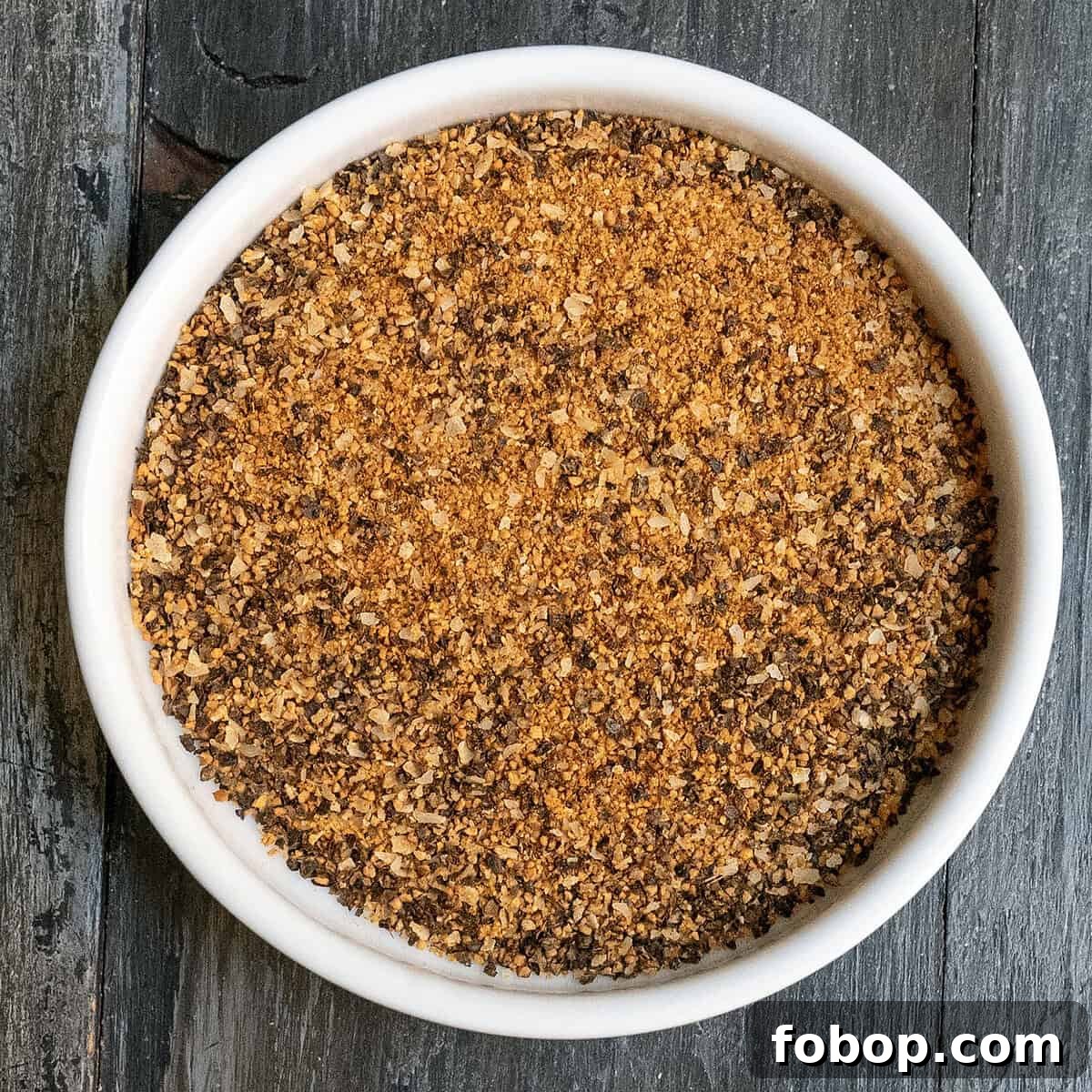
The Brisket Rub is an all-purpose beef seasoning focused on salt, pepper, and garlic, with coarse black pepper (16 mesh) for texture. What sets it apart are the chiles and spices: guajillo chile adds an earthy, slightly floral note, and cumin deepens that umami character. The chiles contribute natural red color for an attractive bark.
Use it on brisket, steaks, hamburgers, tri-tip, or mixed into ground meat for tacos. For competition brisket, I recommend applying it and letting the meat rest overnight. The blend contains no MSG; if you prefer to use MSG in competitions, add it separately. I also blend this rub with beef consommé for mopping and finishing the bark on smoked brisket.
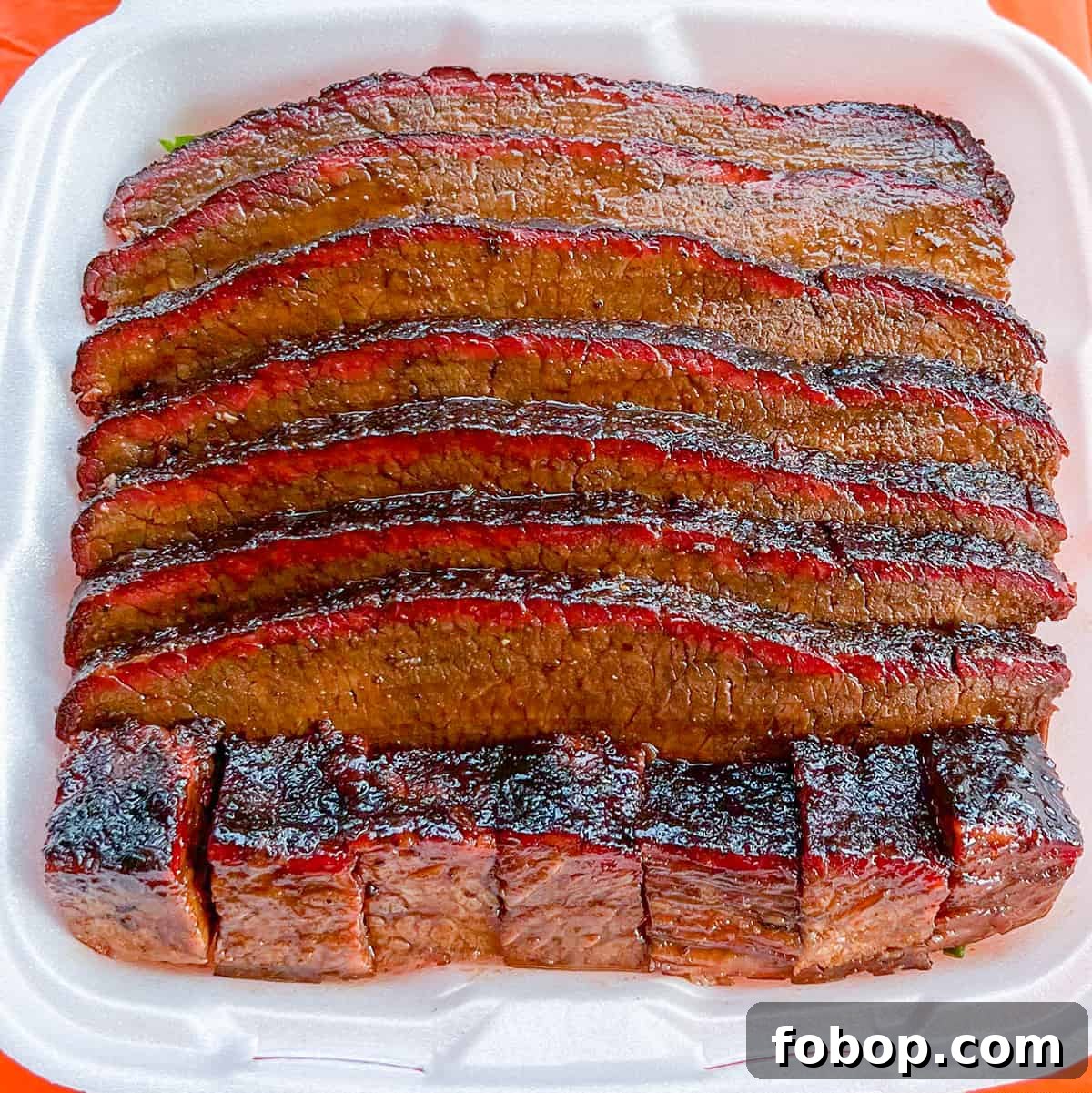
This rub helped me place well in competitions and produces a robust, textured crust ideal for high-heat searing or low-and-slow smoking.
Chicken Rub
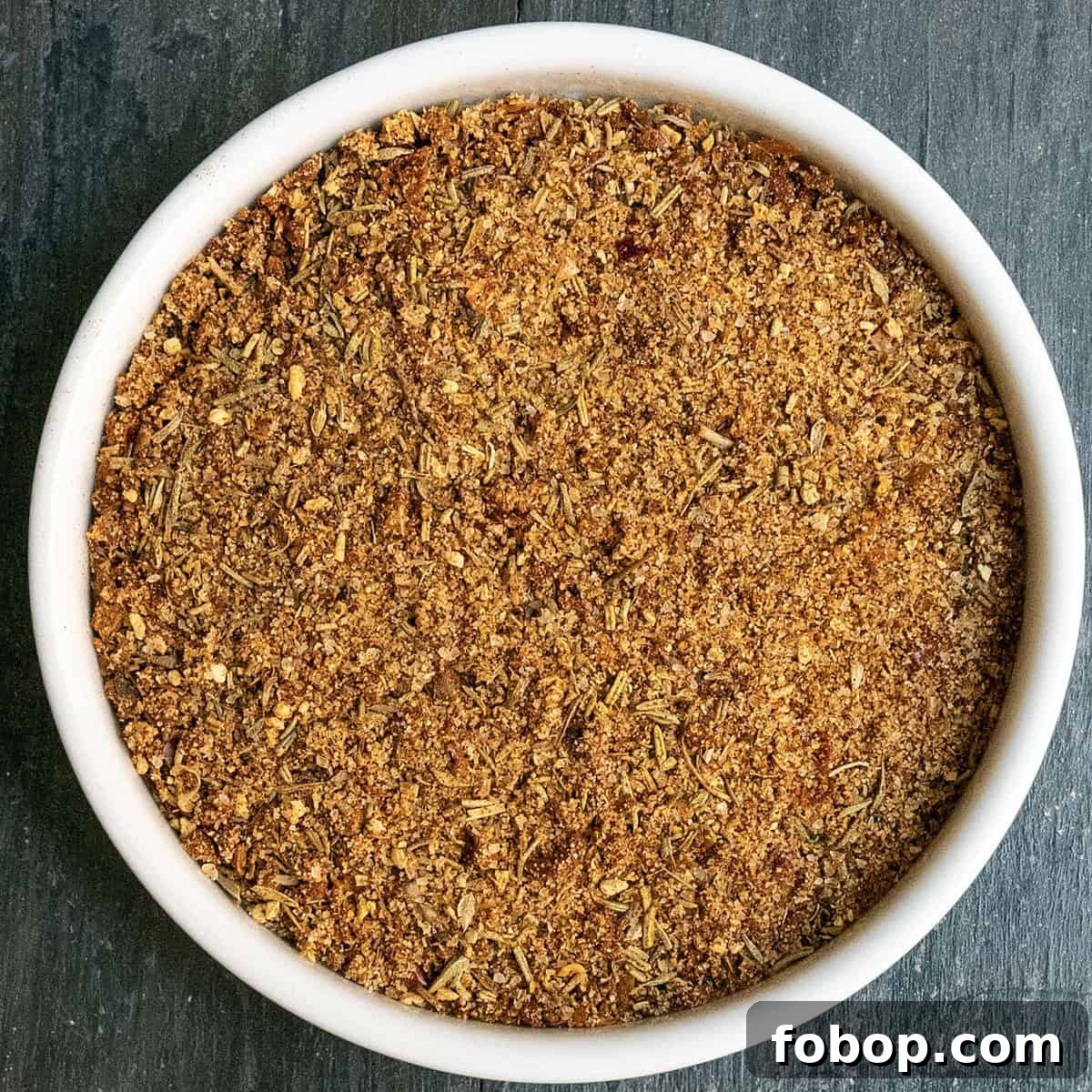
The Chicken Rub is finer in texture and built around salt, pepper, and garlic with bright citrus notes—lemon zest—plus rosemary and a mix of herbs reminiscent of poultry seasoning or herbes de Provence. Mild chiles and paprika add color and subtle warmth without overpowering the poultry flavors.
This blend works on chicken, duck, turkey, and roasted vegetables like asparagus and potatoes. The finer grind means you don’t need to process it before use, although grinding it further can make it suitable as a finishing seasoning that dissolves into sauces. The rub was developed to create a crave-worthy first bite that makes judges and guests want another taste.
Pork Rub
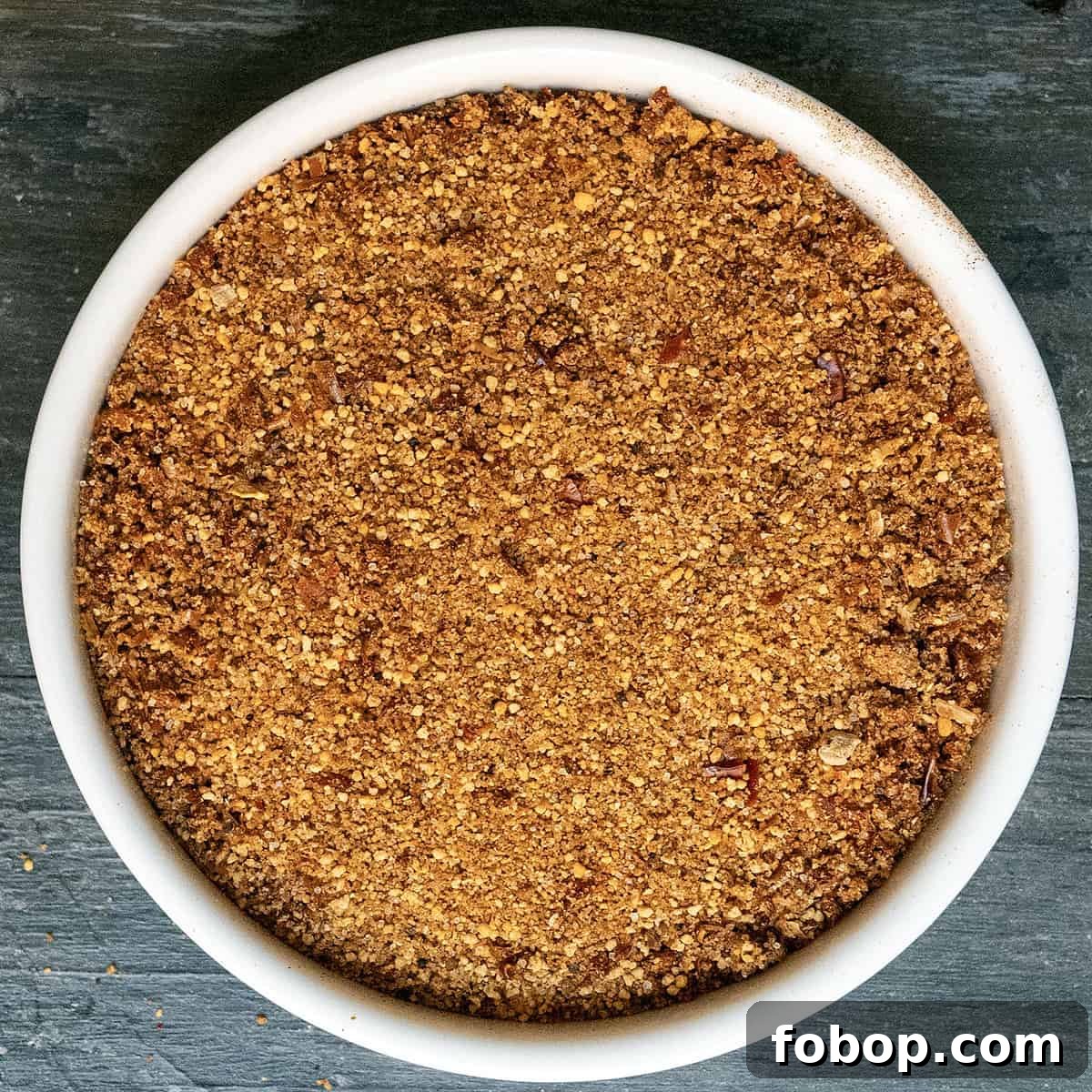
The Pork Rub is my most-requested blend and features a complex sugar profile—brown sugar, cane sugar, coconut palm sugar, and honey granules—designed to create layered caramelization and molasses notes. The sugars vary in texture, allowing different dissolution rates and depth of flavor.
Chiles and paprika add natural red color and earth-floral complexity, while garlic rounds out the profile. The current formulation is finer and more granular than previous versions, so it melts evenly on pork and produces a gorgeous mahogany bark without excessive chunkiness.
This rub is ideal for pork shoulder, ribs, chops, loin, and also works well on vegetables, salmon, shrimp, and other proteins where a touch of sweetness and caramelization is desired. Mixing the Pork and Brisket rubs creates a balanced savory-sweet seasoning for many dishes.
Where to buy GCG Rubs
All three rubs are back in stock and available at shop.girlscangrill.com. They also make thoughtful gifts, with options to buy single jars or the Pitmaster pack. For wholesale inquiries, please reach out through the wholesale page on the shop site.
Retail locations carrying the rubs include Pretzels Barbecue in Littleton, Colorado; Missouri Barbecue Supply in Columbia, Missouri; and West Coast Barbecue Shop in Chula Vista, California.
Each bottle includes a QR code linking to the Girls Can Grill website with product photos and recipe ideas that use each rub—click a bottle image online to find multiple recipes and serving suggestions.
Thank you for your patience while I relaunch this line. I’m proud of these award-winning blends and excited to get them into your hands. Tune into the Pitmasters Podcast and related BBQ Tips episodes for more updates, and check the website for recipes and additional BBQ Tips content.
Tune into more of my BBQ Tips podcasts or browse the site for additional BBQ Tips.