
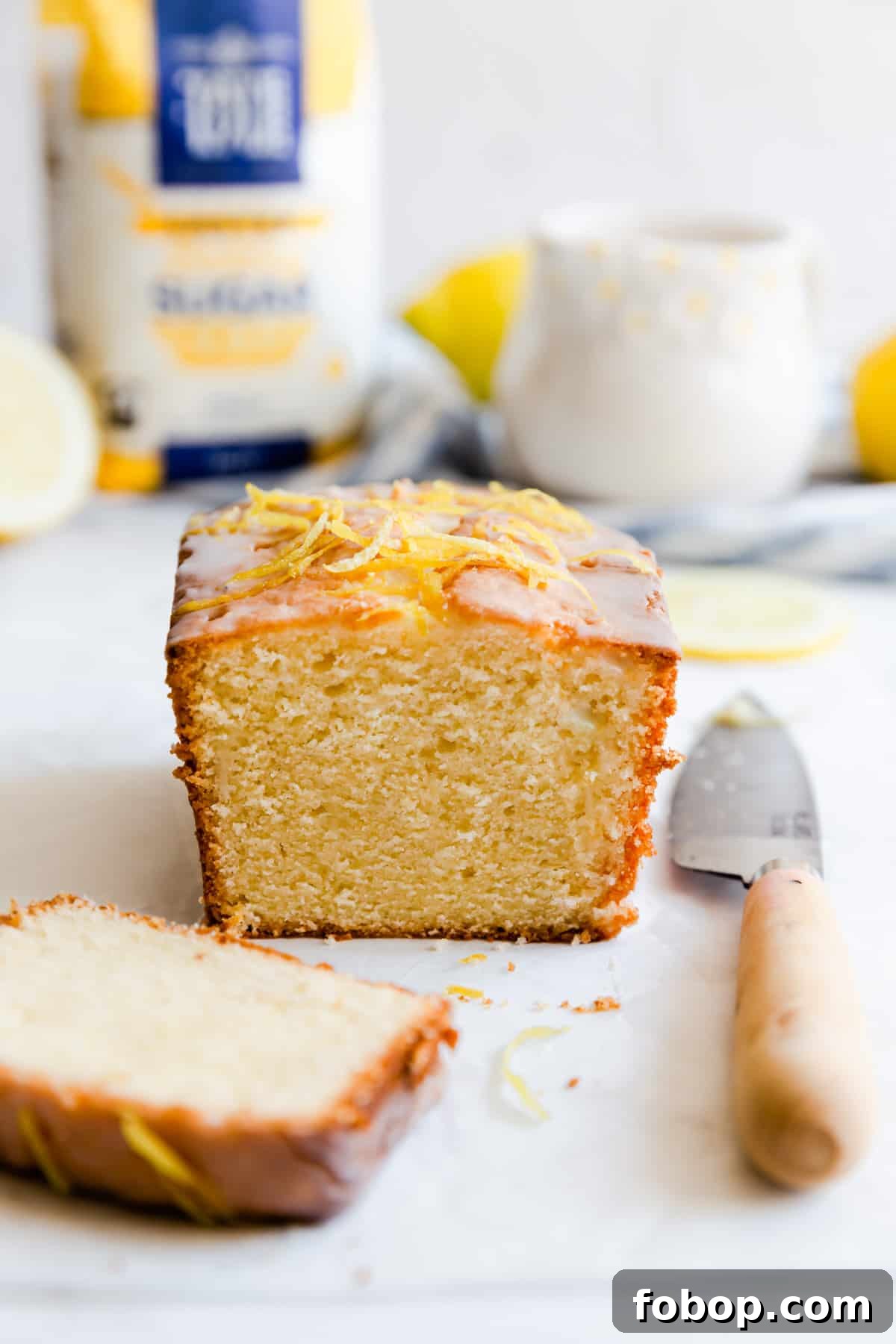
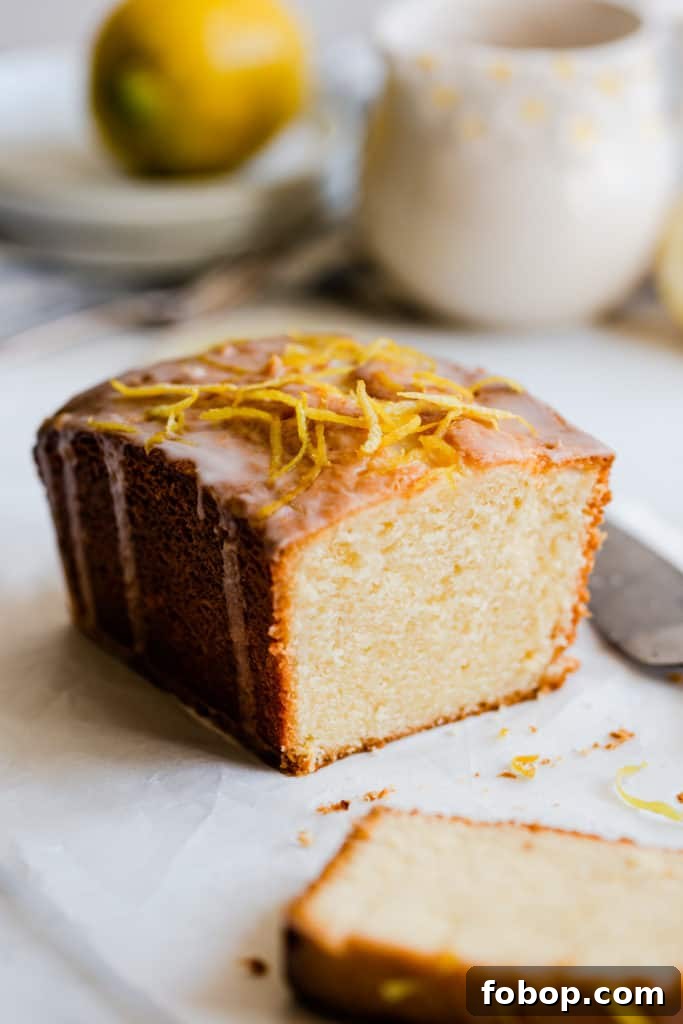
Lemon drizzle cake — a timeless classic, here in a small-batch version. This easy loaf has a light yet moist crumb and is bursting with fresh, zesty lemon flavour.

This post was created in collaboration with Tate & Lyle Sugars. All thoughts and opinions are my own.
Many people in the UK name lemon drizzle as a favourite teatime treat — and it’s easy to see why. Simple to make and full of bright, balanced flavour, it’s equally at home on a special occasion or alongside a midweek cup of tea.
Why make a small batch?
If you want just a few slices of lemon drizzle without baking a large loaf, this small-batch recipe is ideal. It yields a 1 lb loaf — perfect for two to four people over a couple of days. If you need a larger loaf, the recipe doubles easily.
No self-raising flour? No problem
This recipe uses self-rising flour, but you can make your own if you only have plain (all-purpose) flour. For every 150 g plain flour, add 2 teaspoons baking powder, then sift together a couple of times to distribute the raising agent evenly.
How to make this cake
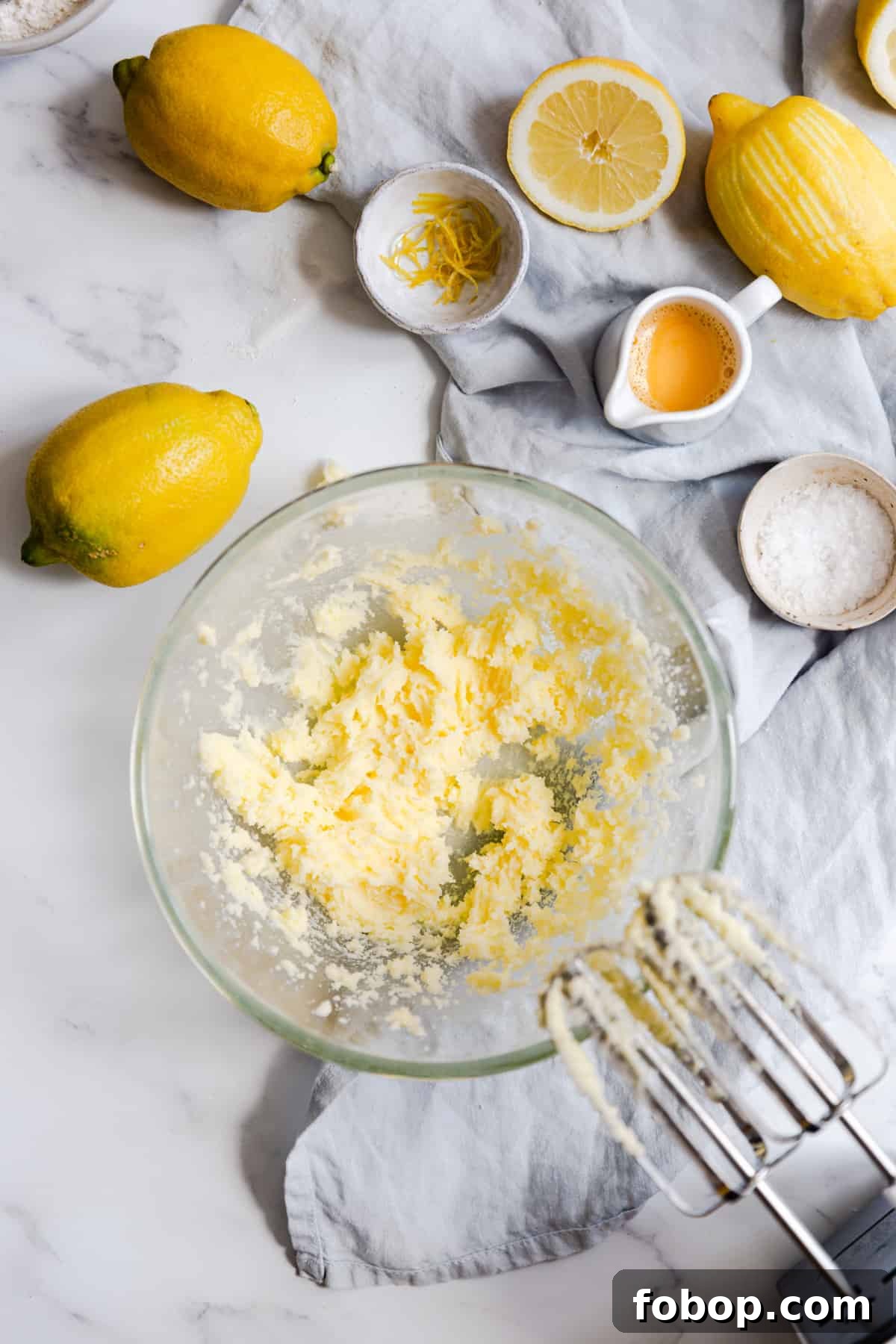
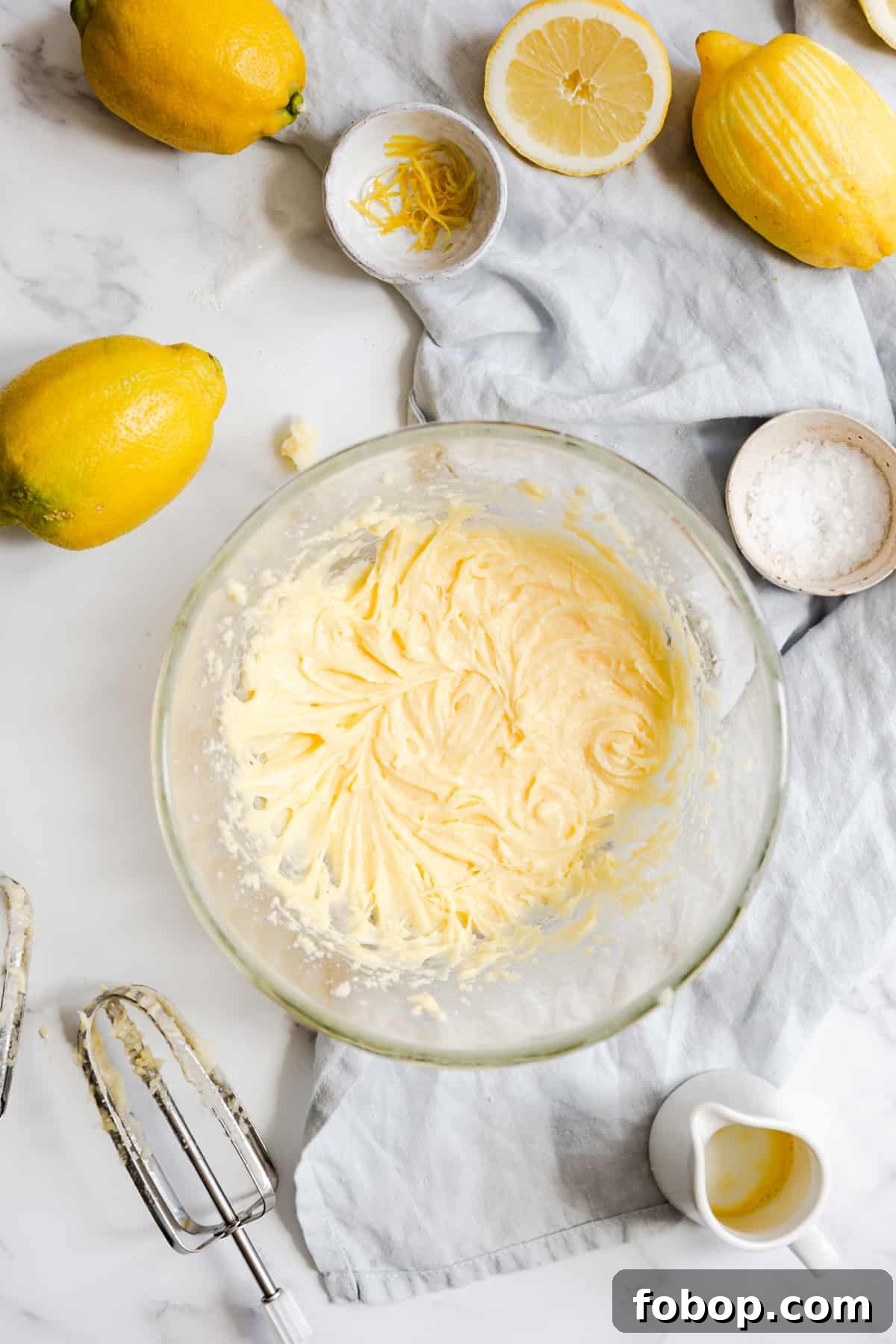
Begin by creaming the butter and sugar together. A handheld electric mixer on medium speed works well — cream for about 3–4 minutes until pale and fluffy. Reduce the speed, then add the beaten egg a little at a time, mixing well after each addition until the batter is smooth and thick.
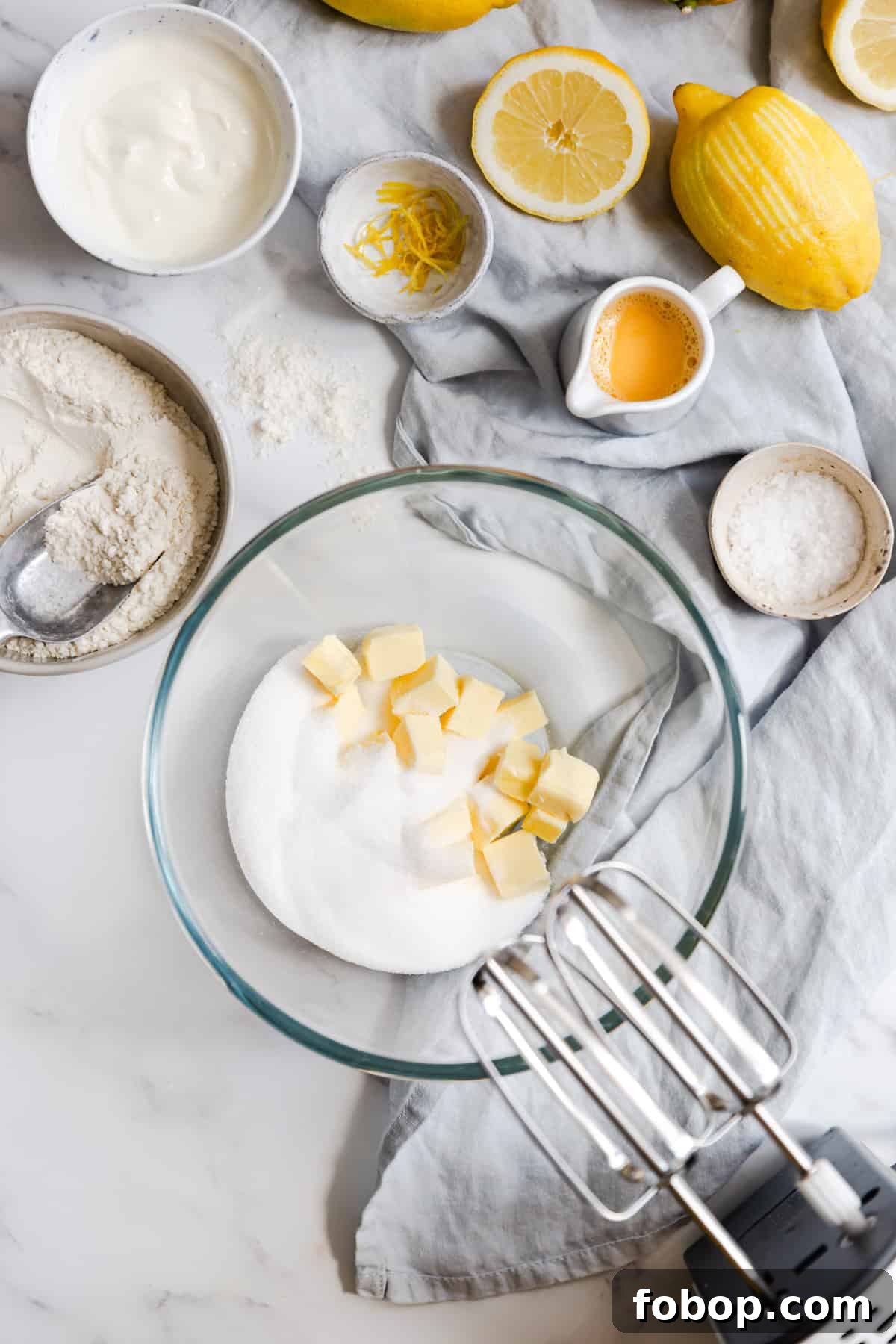

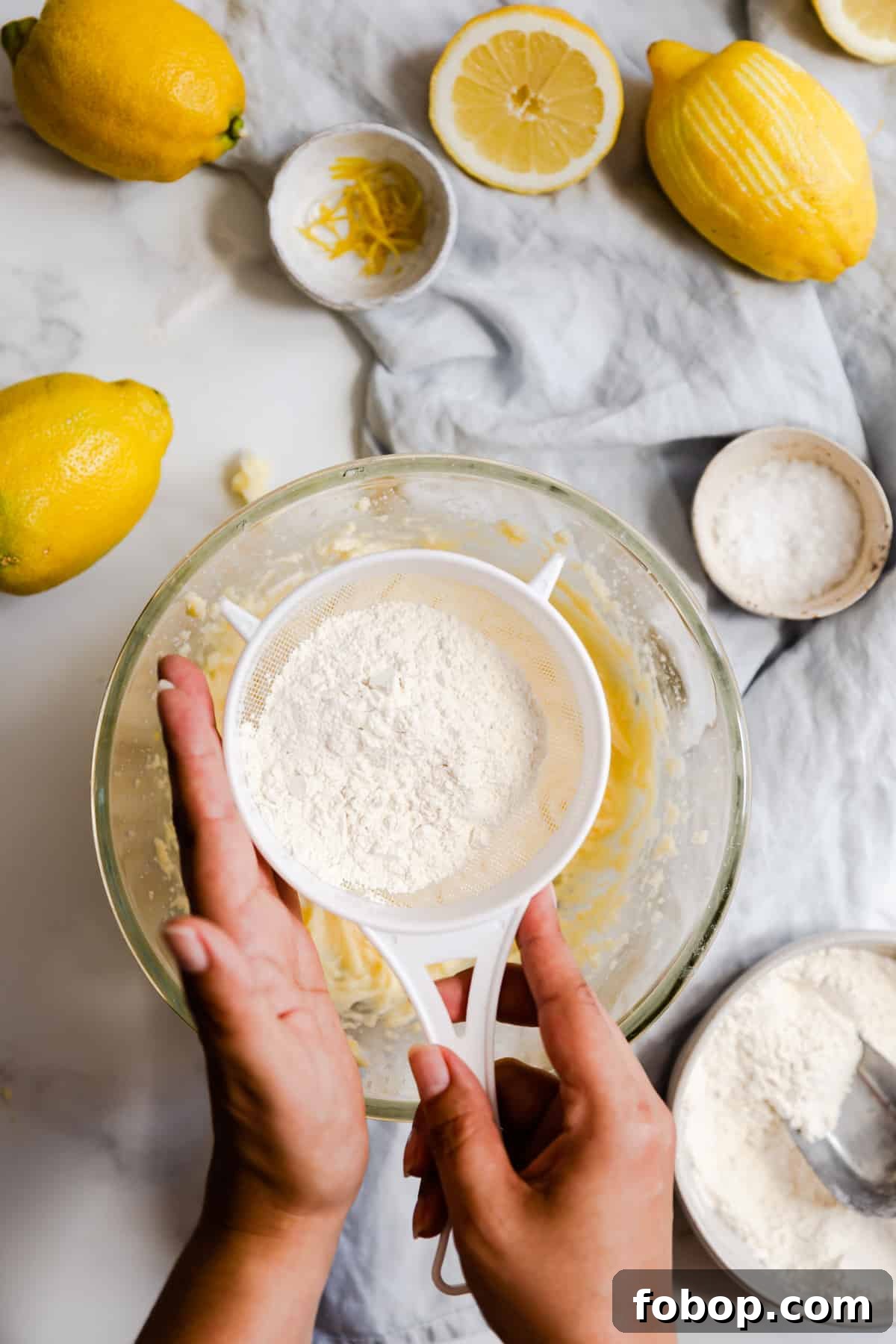
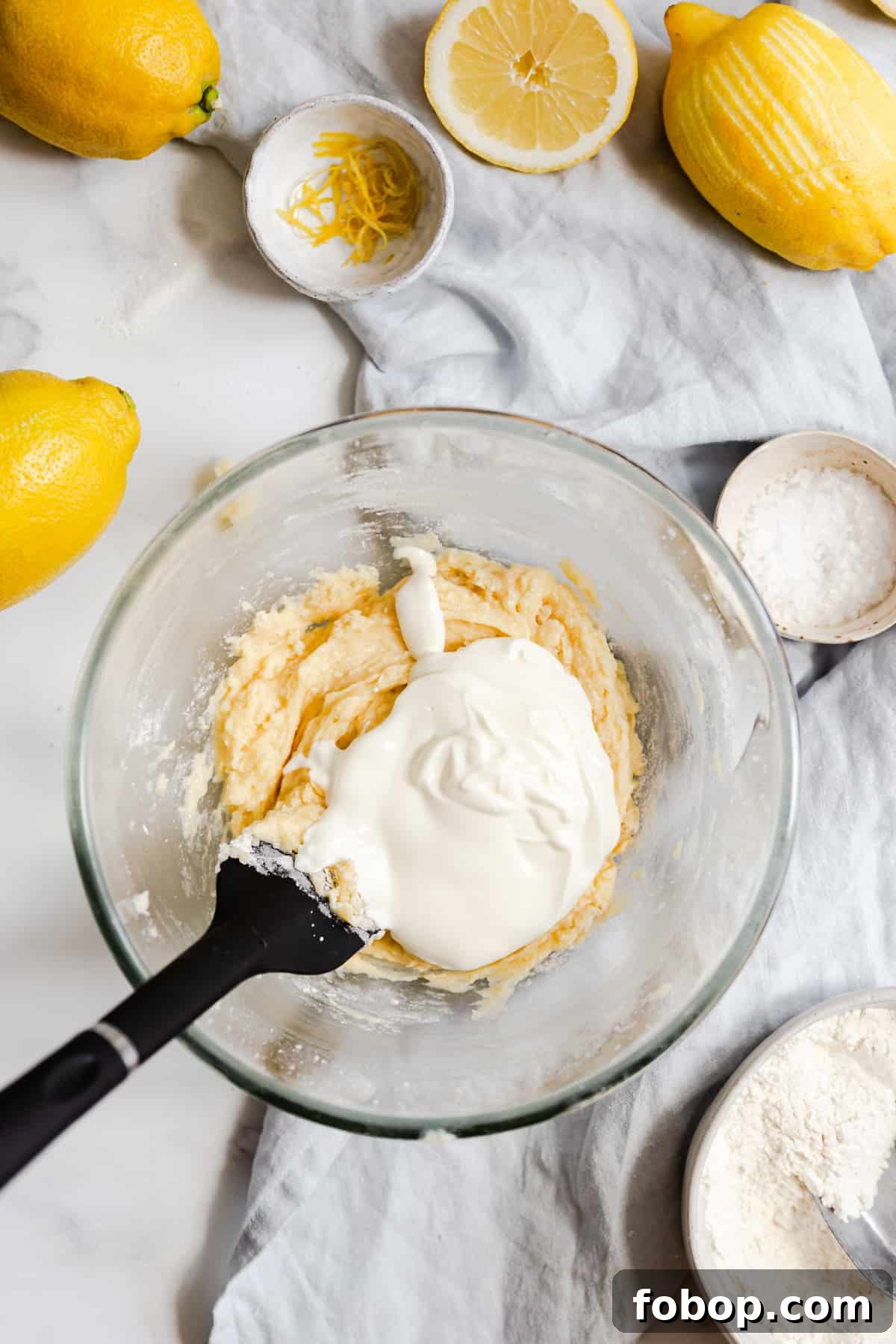
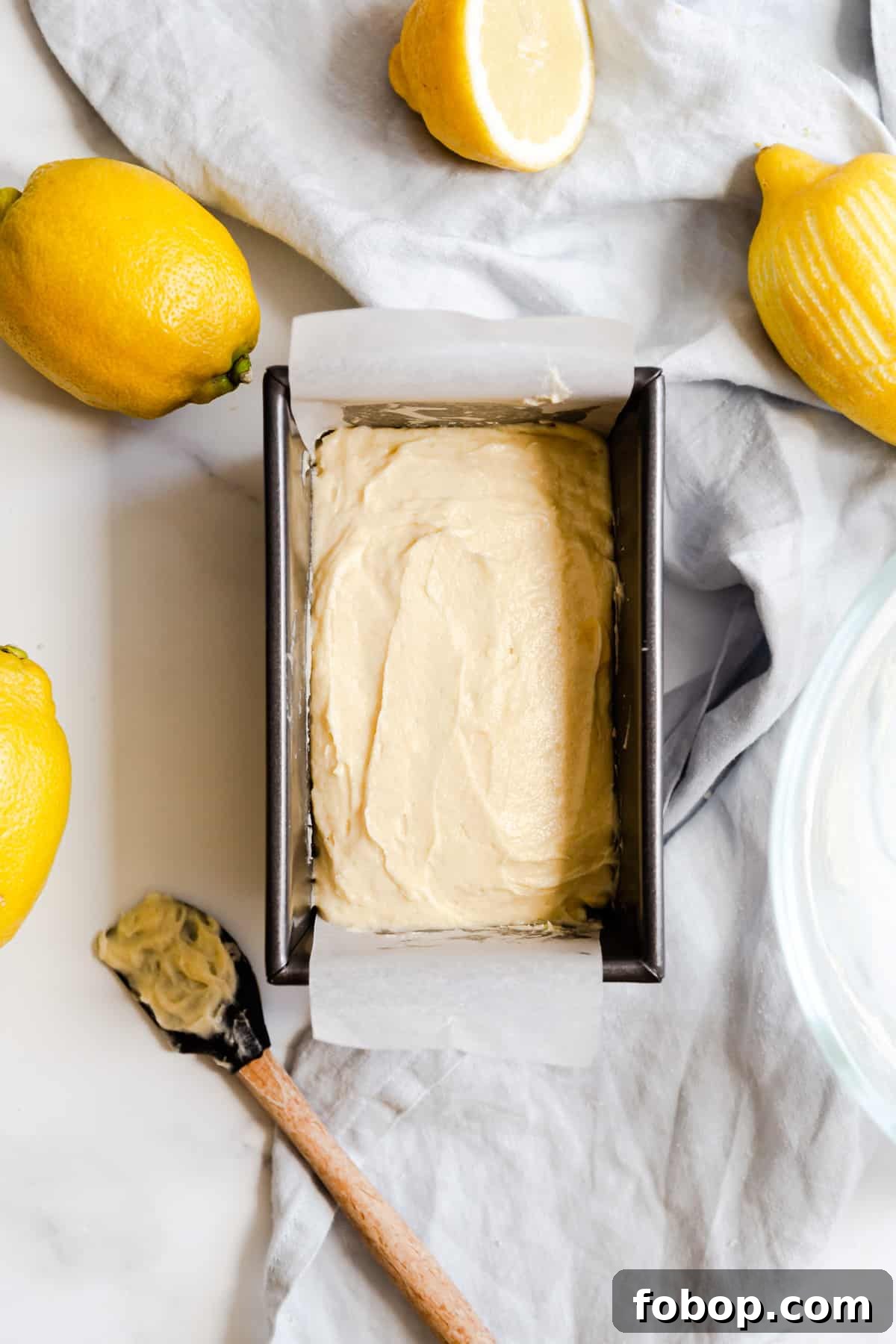
Sift half the flour and the salt into the batter and fold gently with a spatula — just until combined. Add the yogurt or cream, fold again, then sift in the remaining flour with one teaspoon of lemon zest and fold until evenly mixed. Transfer the batter to a lined 1 lb loaf tin and bake.
Baking tips
Use room-temperature ingredients — especially butter, egg and yogurt or cream — for an even, well-emulsified batter and consistent bake. Keep folding to a minimum once you add the flour to avoid developing gluten and ending up with a dense crumb.
Ingredient swaps and glaze preferences:
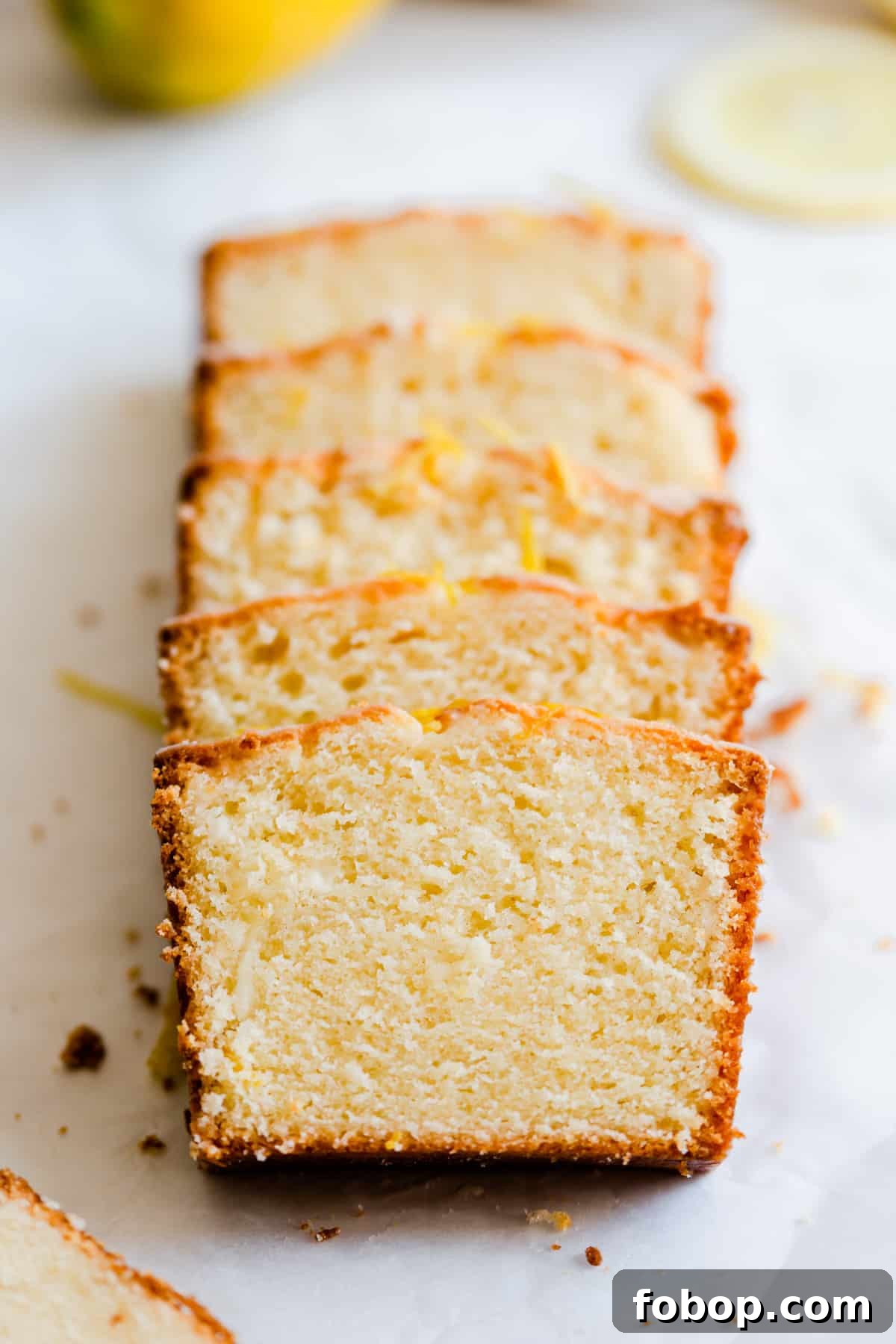
- You can swap the yogurt for cream. Greek yogurt gives a lovely texture, but natural yogurt or single, double or sour cream all work.
- If you don’t have icing sugar for the glaze, use caster sugar in the same quantity. The glaze will be thinner but still tasty.
- Adjust glaze thickness by adding more icing sugar for a thicker finish or a little extra lemon juice for a thinner glaze.
Storage
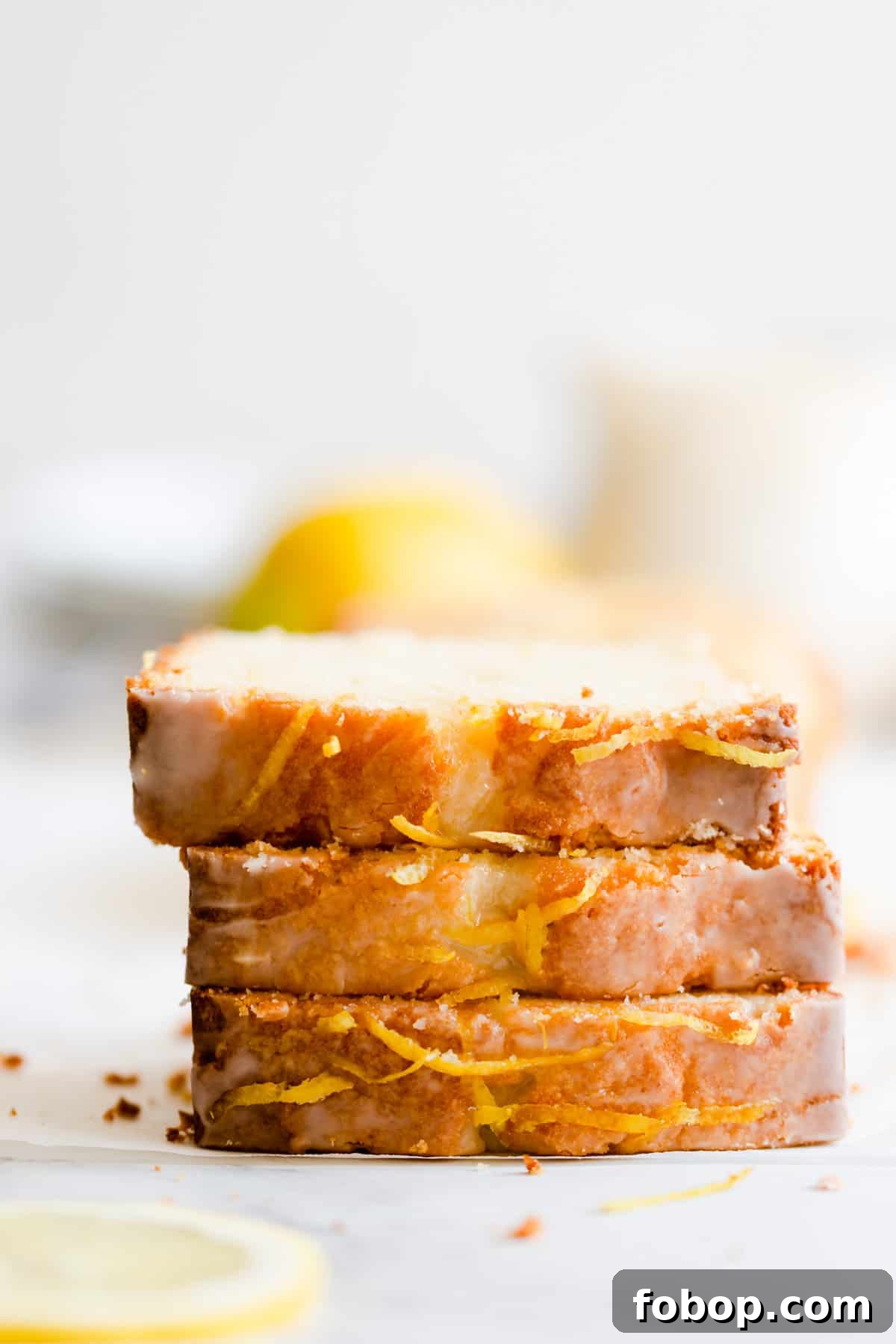
Store the cake at room temperature in an airtight container for up to 3 days. For longer storage, wrap tightly in foil and freeze for up to one month. Thaw in the fridge overnight.

If you try this recipe, I’d love to hear how it turned out — leave a comment or rating below.
📖 Recipe

Small batch lemon drizzle cake
Equipment
- 1 lb loaf tin
- Baking paper
- Spatula
- Electric mixer
- Fine sieve
- Skewer or cocktail stick
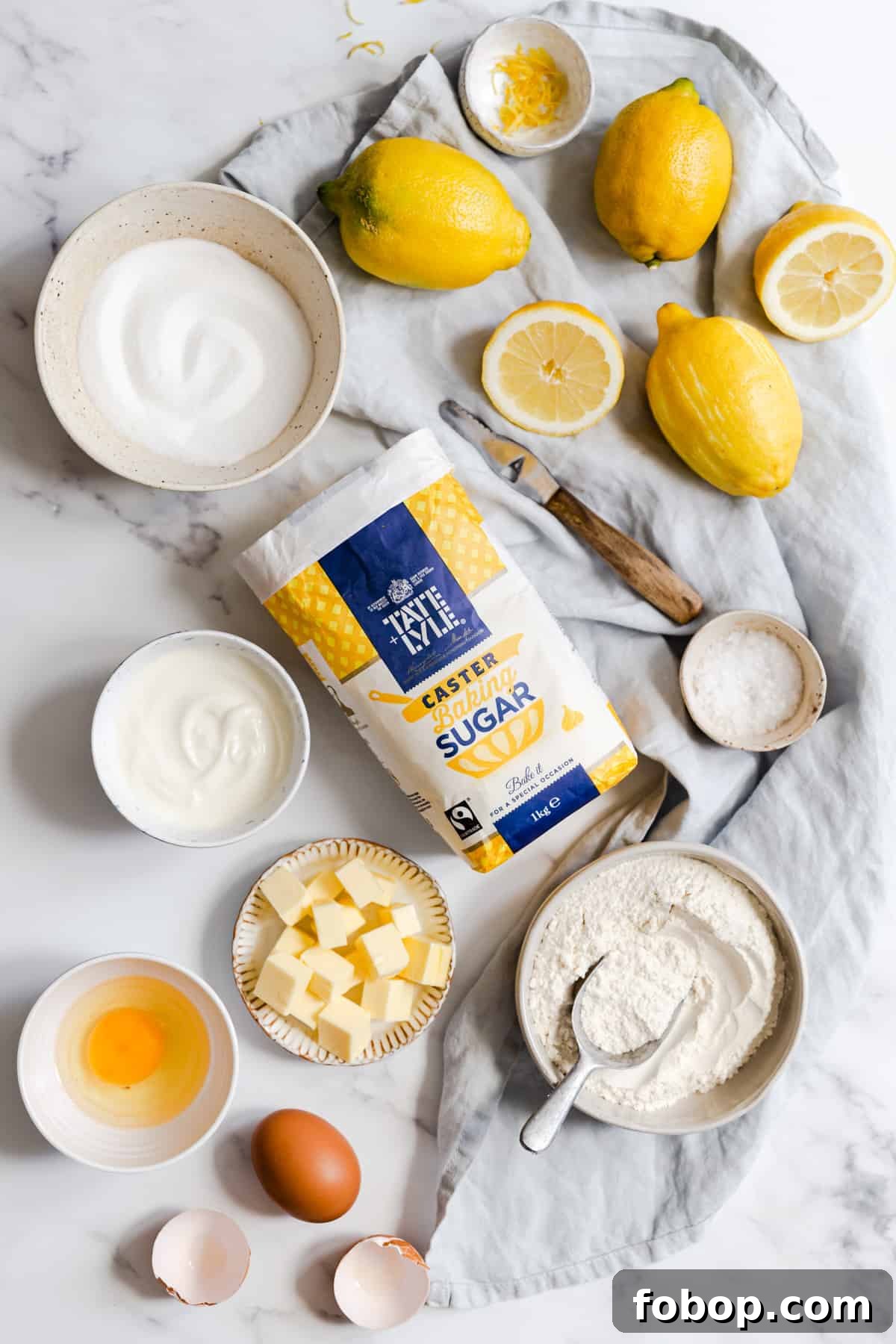
Ingredients
- 100 g unsalted butter, softened
- 125 g Tate & Lyle pure cane caster sugar
- 1 large egg, beaten
- 125 g self-rising flour
- ¼ tsp salt
- 80 ml yogurt or cream (Greek or natural yogurt, single, double or sour cream all work)
- 2 tsp lemon zest
For the drizzle:
- 100 g Tate & Lyle icing sugar
- Juice of ½ small lemon
Instructions
- Preheat the oven to 170°C (fan). Grease and line a 1 lb loaf tin with baking paper.
- Cream the butter and sugar in an electric mixer on medium speed until pale and fluffy, about 3–4 minutes. Reduce speed to low and add the beaten egg a little at a time, mixing well after each addition.
- Sift half the flour and the salt into the butter mixture and fold gently. Add the yogurt or cream and fold again. Sift in the remaining flour, add 1 tsp lemon zest and fold until combined.
- Pour the batter into the prepared tin and bake for 35–45 minutes, or until a skewer inserted into the centre comes out clean. Allow the cake to cool in the tin.
- Make the glaze by whisking the icing sugar with the lemon juice until smooth. Adjust the consistency with more sugar for a thicker glaze or more lemon juice for a thinner glaze.
- Poke the cooled cake all over with a skewer and pour the glaze over the top. Sprinkle the remaining lemon zest, slice and enjoy.
Note: All recipes are developed and tested using metric weights. For best results use digital scales. US customary conversions are provided for convenience but may not have been tested.
Video
Notes
- If you don’t have self-rising flour, make your own by combining 150 g plain flour with 2 tsp baking powder and sift together a couple of times.
- Bake times vary by oven. My loaf took about 45 minutes; test with a skewer and extend baking time if needed. If the top browns too quickly, cover loosely with foil.
- If you don’t have icing sugar, caster sugar works as a substitute in the same amount; the glaze will be thinner but still delicious.
- The recipe doubles easily for a larger loaf.
Nutrition
If you’d like to receive future recipes by email, consider signing up for the newsletter.