
Welcome to my Ultimate Tulum Guide. If some of this feels familiar, it’s because I’ve written about Tulum before and have returned since that first trip. Tulum captured my heart so completely that it became the first non-U.S. destination I visited more than once. We came back for our third wedding anniversary after spending our first anniversary here, and each visit revealed new layers of this special place.
Tulum is worth the trip. In this guide I share everything I’ve learned over two visits: where to eat, where to stay, what to do, and the best day trips from Tulum. Read on to plan a trip full of beaches, cenotes, ruins, and unforgettable food.

About Tulum
Tulum sits in Quintana Roo, Mexico, tucked between the Caribbean coast and the jungle. The town grew around the famous Mayan ruins perched on cliffs overlooking the sea — “Tulum” actually means “wall.” The area blends natural beauty, great food, and relaxed beach culture. If you want a tropical escape that feels more off-the-grid than a typical resort town, but still offers modern comforts, Tulum fits the bill.
Because much of Tulum lies in a sensitive tropical environment, conservation is a priority. You’ll notice rules designed to protect flora and fauna: for example, certain chemical insect repellents aren’t allowed when entering cenotes. Local vendors are promoted over chains, so the dining scene is largely independent and authentic. Think of Tulum as a relaxed, eco-conscious destination with a creative, slightly bohemian vibe.
Tulum is divided into Tulum Town (Pueblo) and Tulum Beach (Playa). Both have advantages: the Town is budget-friendly with great Airbnbs, while the Beach offers direct ocean access and the classic coastal experience. If you can, choose the beach for the full Tulum feel; if you’re on a tighter budget, the town is an excellent option.
What You Need To Know Before You Go — Getting There, Local Info, Currency
Visa and Arrival – Most travelers don’t need a visa for short stays, but check your local Mexican consulate to confirm. If you plan to stay longer than 180 days you will need a visa. Tulum has no airport; the closest major airport is in Cancún. At arrival you’ll receive an immigration form — keep it with your passport as you’ll need it to depart Mexico.
Transfers from Cancún – From Cancún you can reach Tulum by shuttle, public bus, or rental car. We used a reputable airport shuttle service for peace of mind; on a prior visit we rented a car at the airport. Each option works depending on your comfort level and itinerary.
When to Visit and Trip Length – Tulum is enjoyable year-round. July is popular and can be busier; the lower season runs roughly October to May and can yield better rates. I recommend a minimum of five days to explore comfortably; a week or more lets you discover cenotes, ruins, beaches, and nearby day trips at a relaxed pace.
Safety – From personal experience Tulum feels safe for tourists, both in town and on the beach, even into the evening. Standard travel precautions apply as they would anywhere.
Currency and Payments – The local currency is the Mexican Peso (MXN). While some places accept U.S. dollars, you’ll generally get better value using pesos. Tulum is still largely cash-based: many restaurants and small shops prefer cash and some ATMs may be unreliable. Exchange at a bank in town or bring enough cash to cover your needs.
Water and Toilets – Don’t drink tap water in Mexico. Use bottled water for drinking and brushing your teeth, and avoid swallowing shower water. In many places you should not flush toilet paper — use the bin provided — to avoid plumbing issues.
Wifi and Connectivity – Don’t expect strong or constant Wi‑Fi in rooms. Many properties have better service in public areas like lobbies or on the beach. Limited connectivity can be a gift — it encourages unplugging and enjoying your surroundings.
Transport Locally – Renting a car gives you the most flexibility for exploring cenotes, ruins, and nearby beaches. Taxis are reliable but can add up, especially for multiple short trips along the beach strip. Biking is also a popular option for short distances on the hotel strip.

Where to Stay — Town (Pueblo) vs Beach (Playa)
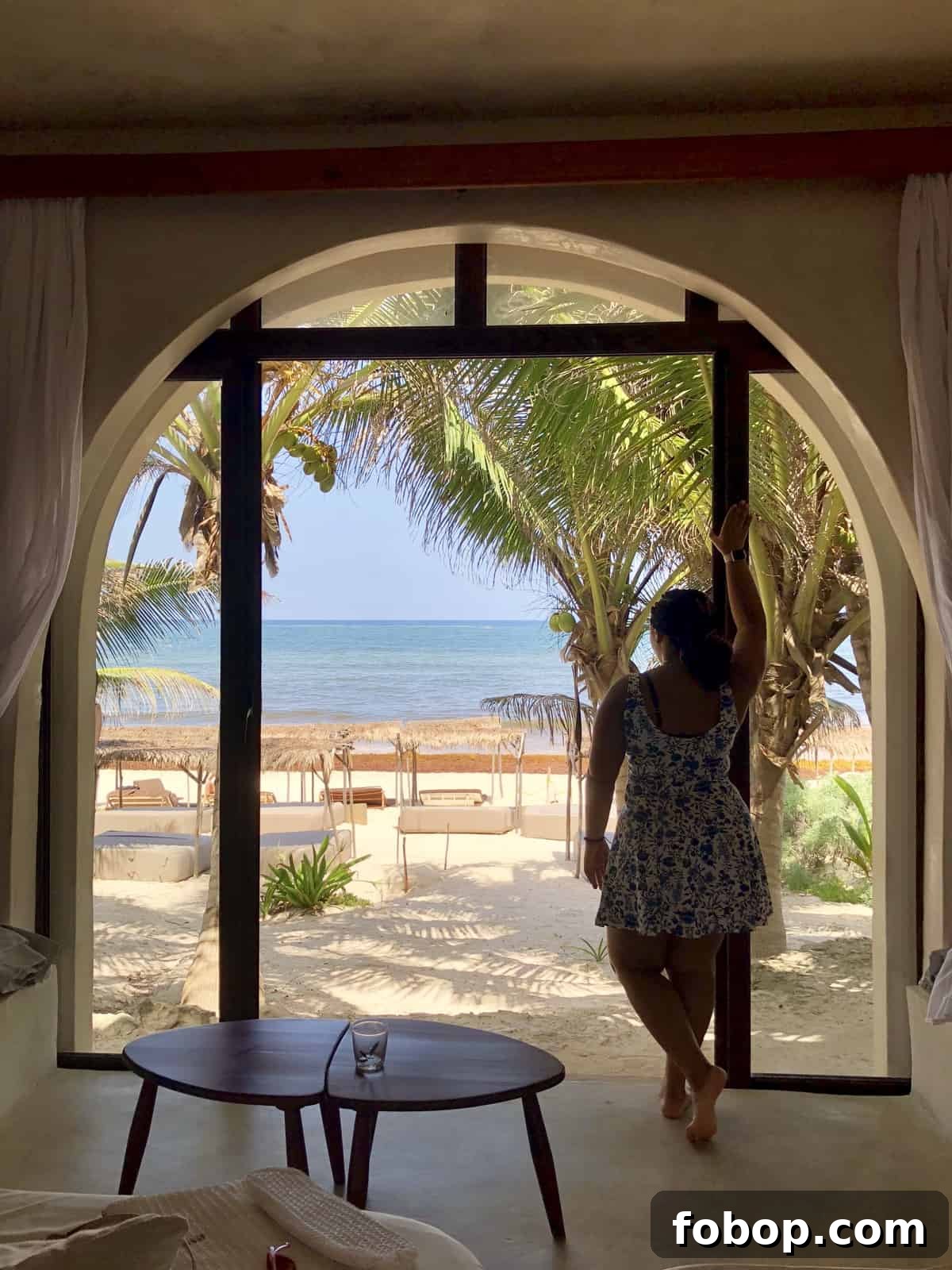
Papaya Playa Project
Papaya Playa Project is a standout beach stay. We loved the room, ocean views, and thoughtful service. Staff went above and beyond with logistics and helpful touches. The property offers a complete Tulum experience with beachfront access, yoga, and a menu that includes many vegan options. If you want a memorable, slightly upscale beach stay, this is a top pick.
Los Amigos
Los Amigos is a great choice in Tulum Town. It feels like a small boutique hotel with daily housekeeping, a helpful front desk, and bikes to borrow. The rooftop pool and central location make it a convenient and affordable option for town-based travelers.

What To Do in and Around Tulum
Cenotes
You can’t visit Tulum without exploring cenotes — natural sinkholes filled with crystal-clear water. Popular ones include Gran Cenote, Dos Ojos, and Nicte-Ha. Cenotes vary in size and character: some are wide and open, others are cavernous and dramatic. Many offer snorkeling or diving, and life jackets are available at locations for non-swimmers. Bring biodegradable sunscreen and be prepared to be amazed by the clarity and underwater formations.
Mayan Ruins of Tulum
The Tulum ruins are a coastal archaeological site with dramatic cliffs and ocean views. I found the history and remaining structures incredibly engaging. Wear comfortable shoes, bring sun protection, and consider combining a ruins visit with some beach time nearby. If you have time, the Coba ruins are another impressive site known for its climbable pyramid.
Day Trips
Chichen Itza
Chichen Itza is a classic day trip for history and culture. Guided tours help bring the site to life. If you want to support local artisans, consider buying souvenirs from local vendors off the main tourist paths — you often get more meaningful items and the stories behind them. Bring enough cash, as ATM access can be limited.
Akumal — Swim with Turtles
Akumal is famous for sea turtles. Swimming with these large, gentle creatures is a special experience. The protected areas enforce rules to avoid disturbing wildlife: no touching, no fins in some zones, and strict guidelines to minimize impact. Respecting these rules helps preserve the animals’ habitat.
Akumal Monkey Sanctuary – The nearby sanctuary is a joyful place to visit and pairs well with a trip to Akumal Beach. Combined, both can be done in a few hours.
Sian Ka’an Biosphere Reserve
Sian Ka’an is a UNESCO biosphere reserve offering guided boat tours through protected ecosystems. These full-day excursions showcase wildlife and pristine coastal waters. They’re longer tours, so plan accordingly.
Where to Eat & Drink
Papaya Playa Project
The hotel’s restaurant offers many vegan options and made for a welcoming first meal. Expect creative plant-based dishes alongside local flavors.
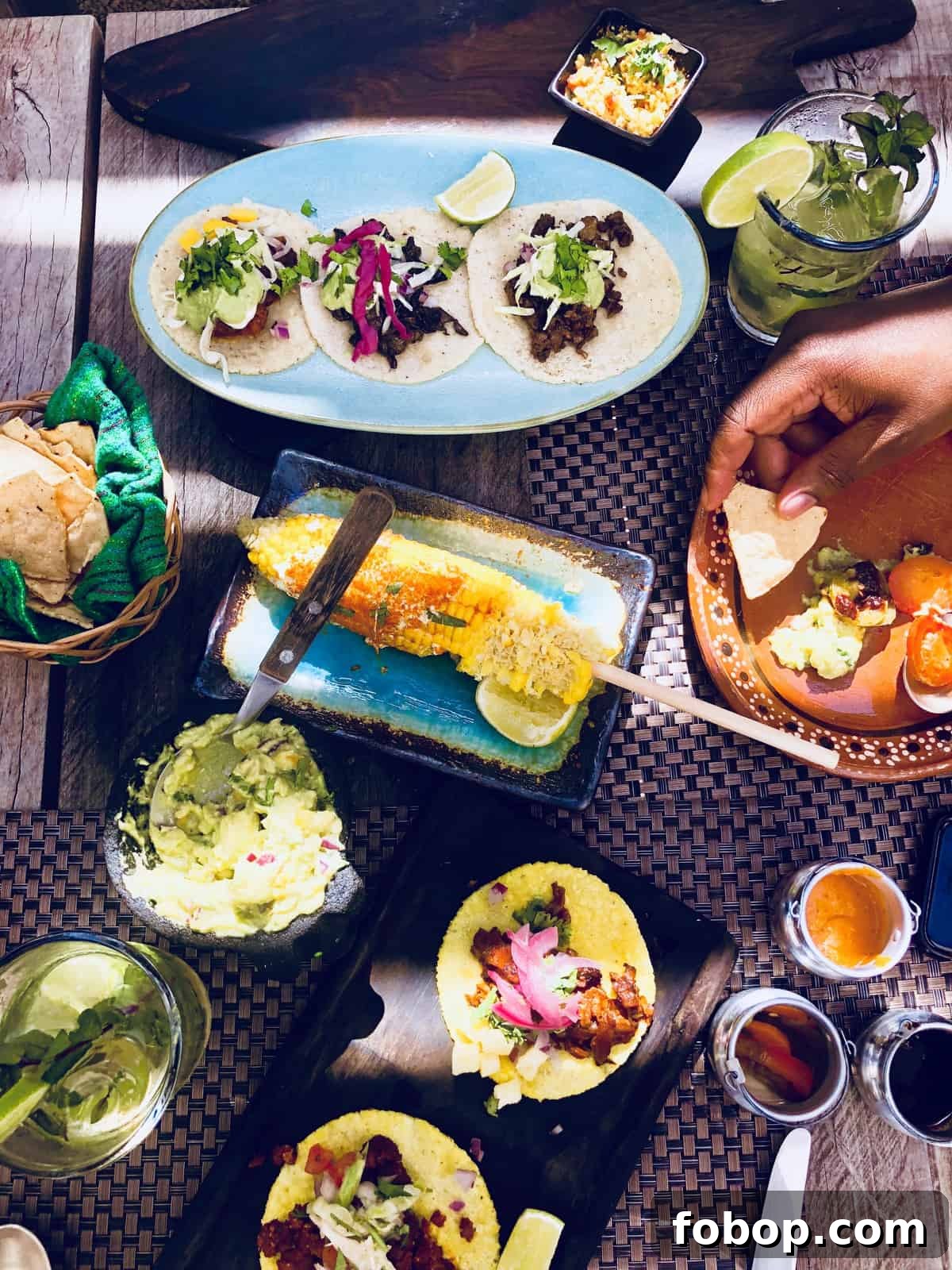
Charly’s Vegan Tacos
Charly’s is a vegan taco standout. The tacos are inventive and memorable — we went twice. Note that some small spots like this may operate primarily in cash, so bring pesos or be prepared to arrange alternate payment.
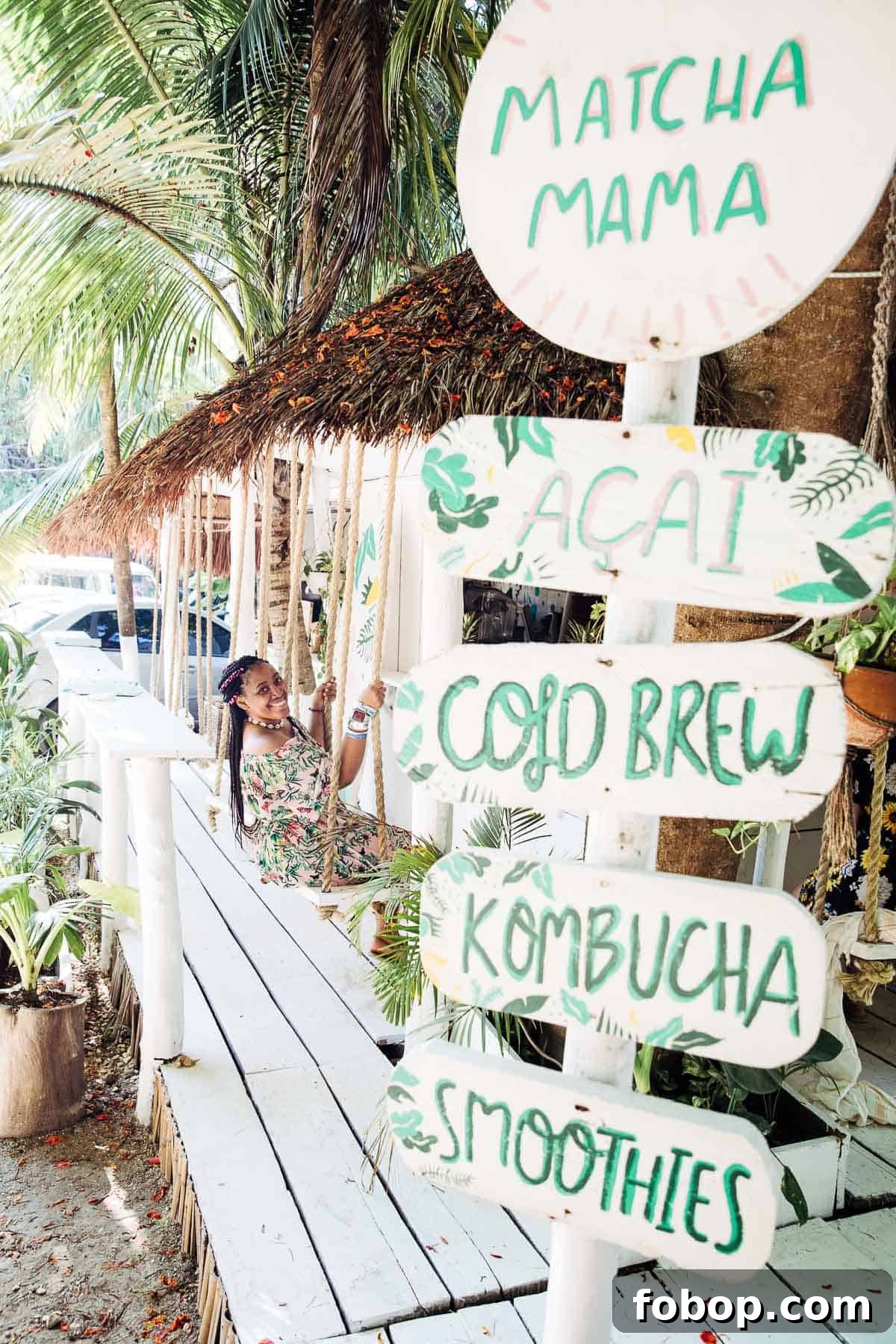
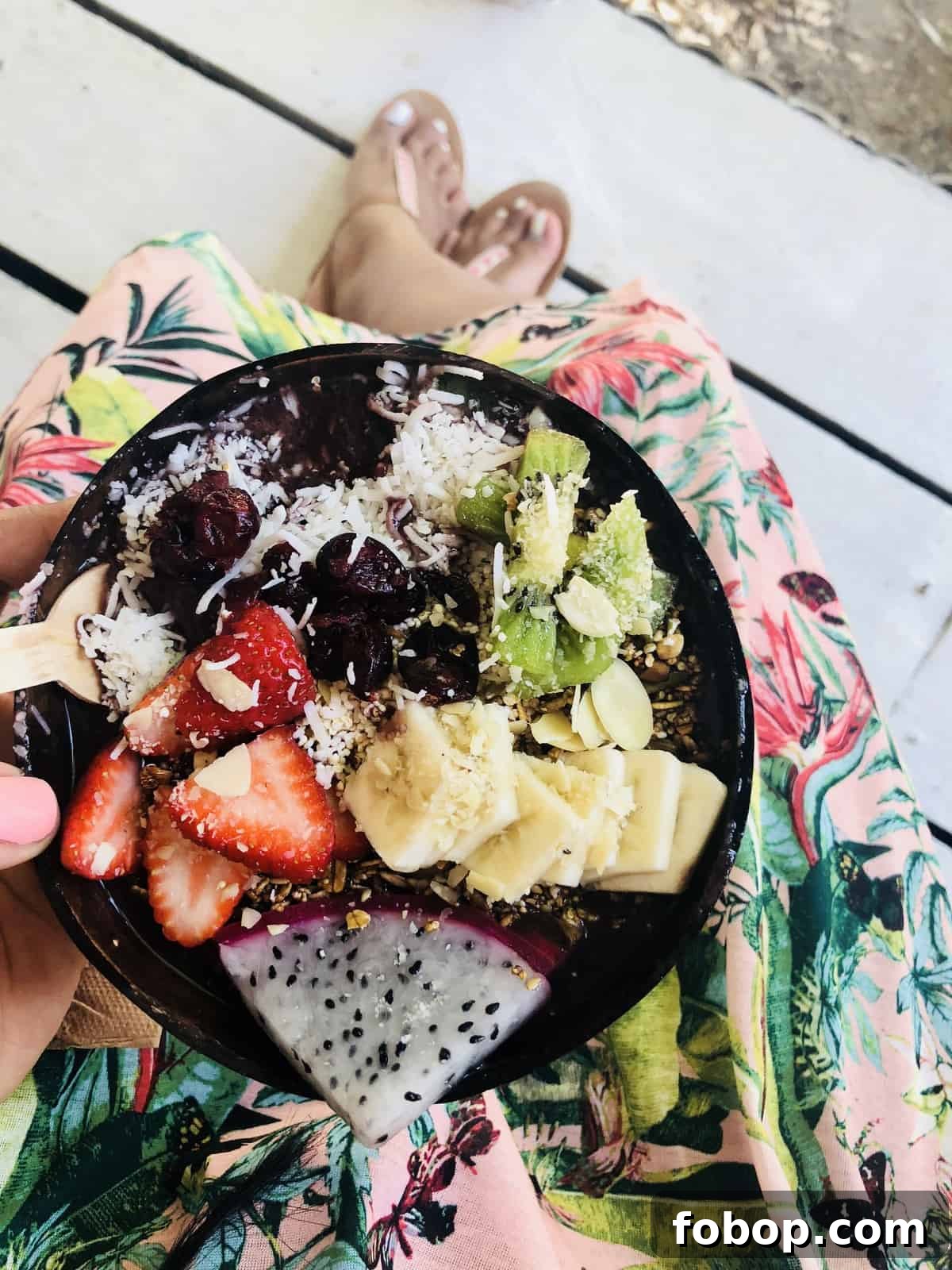
Matcha Mama
Matcha Mama is great for light meals and smoothie bowls — ideal for an in-between meal stop or a healthy pick-me-up.
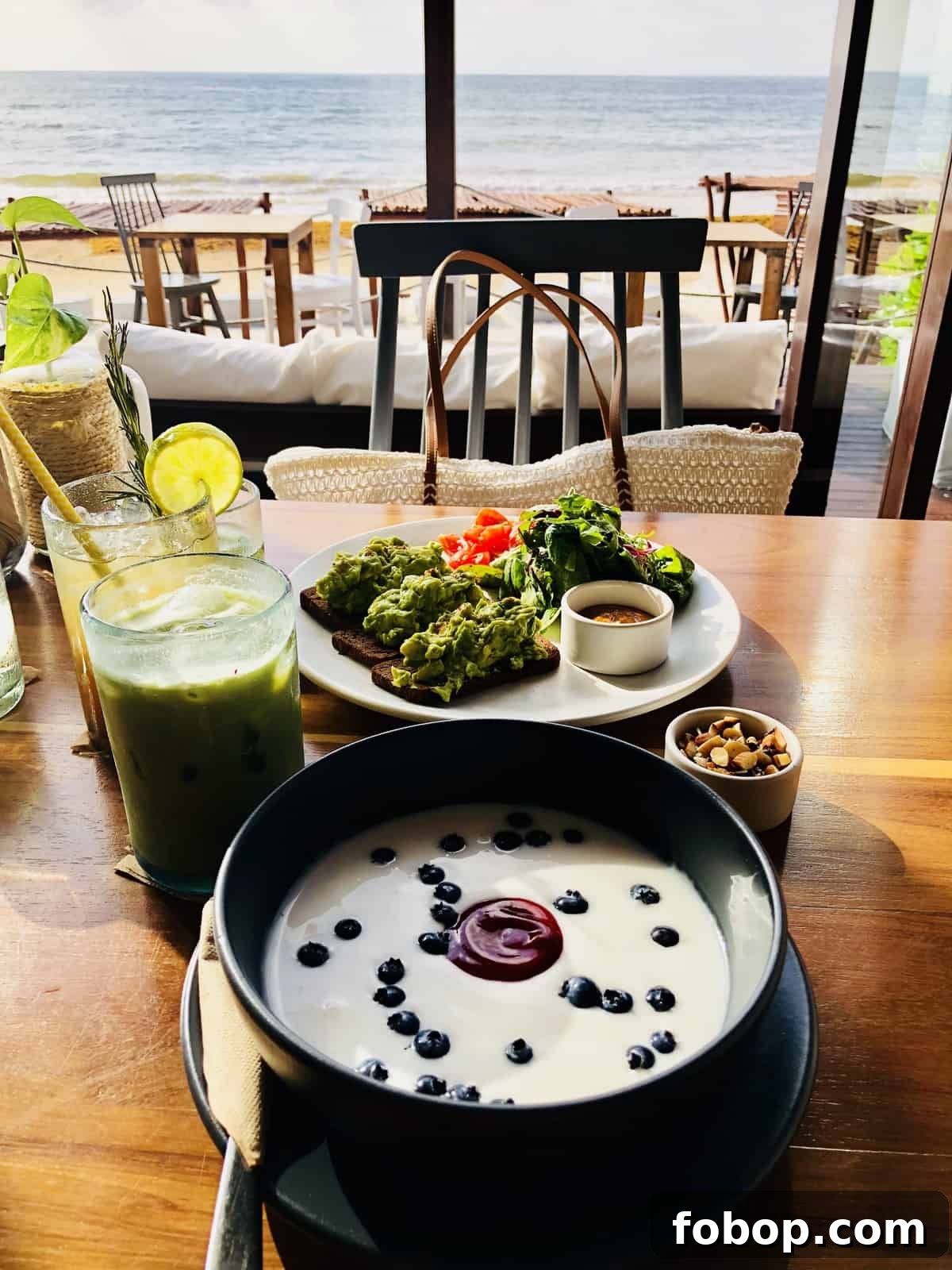
The Real Coconut (at Sanara)
Breakfast at Sanara is memorable for fresh, light dishes and ocean views. The menu includes coconut yogurt, superfood bowls, and inventive plant-based options — perfect after a few days of tacos.
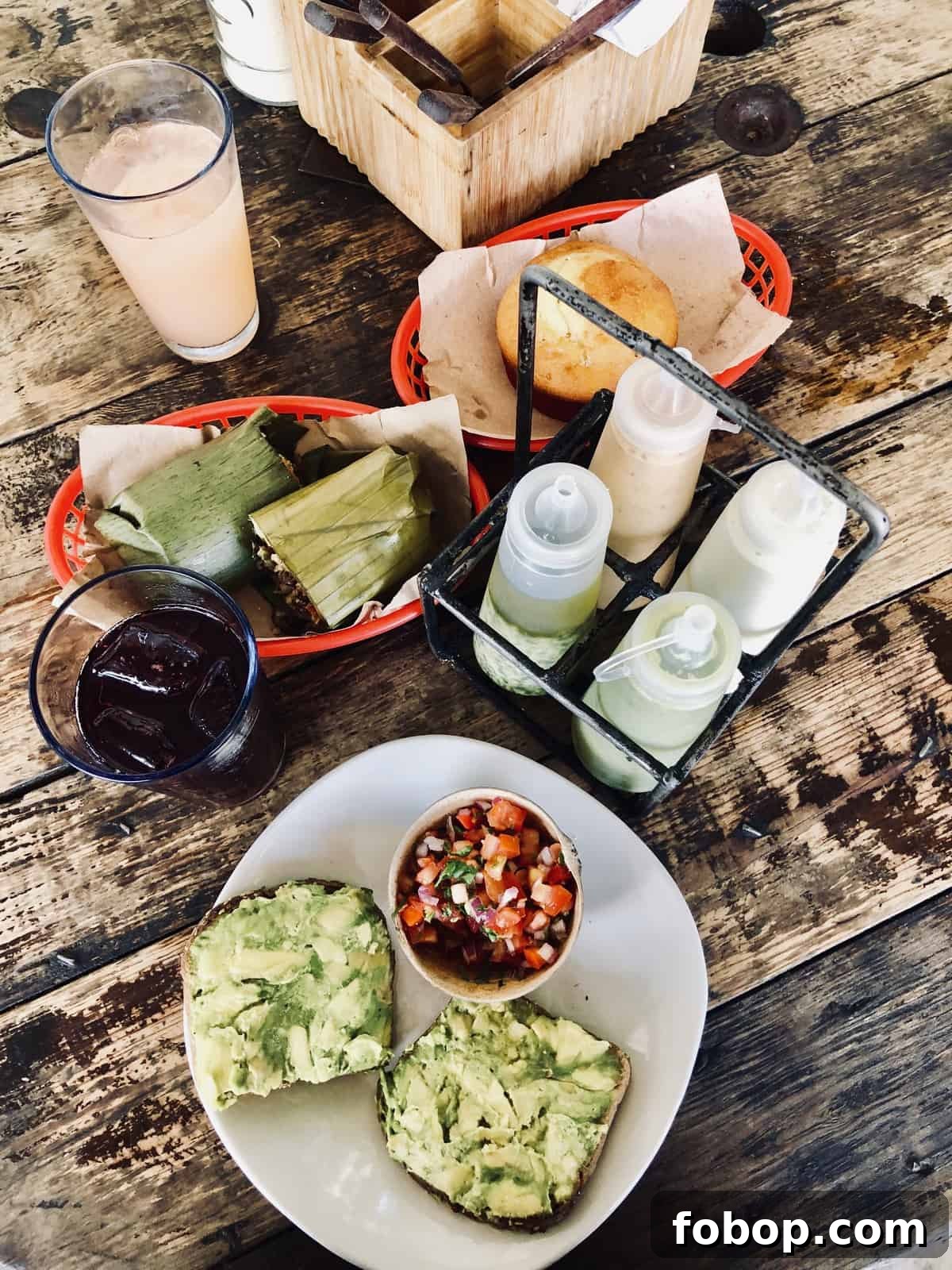
Burrito Amor
A casual, affordable spot that was a favorite on an earlier visit. It remains a reliable choice for simple, tasty meals at budget-friendly prices.
Kin Toh
Kin Toh offers a more upscale, dramatic dining experience. Opinions can vary — some dishes stood out to us, while others missed the mark — but it’s a good option if you’re seeking a special dinner.
Bolas de Postre | I Scream Bar
This lively spot is known for its vegan ice cream and upbeat atmosphere. Live music, affordable drinks, and creative flavors make it a fun night out.
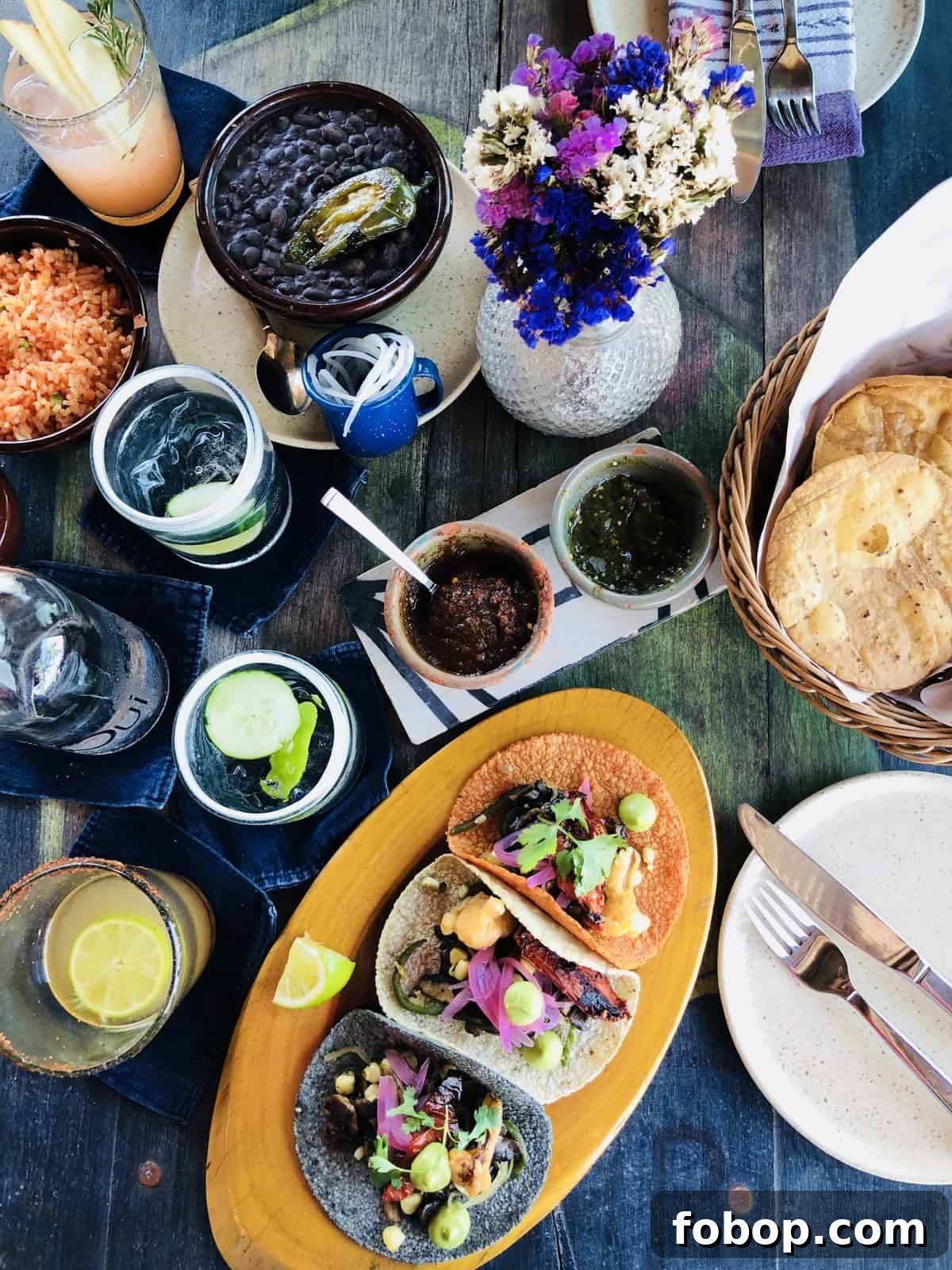
La Zebra
La Zebra serves great food and cocktails in a lively beachside setting. The staff is accommodating and will often adapt dishes to be vegan-friendly if you request it.
Co.Co Amor / Raw Love / Nomade
These venues are frequently recommended for vegetarian and vegan options. Raw Love is vegan, Co.Co Amor offers many vegetarian choices, and Nomade’s daytime menu tends to be particularly plant-friendly.
Top 5 Travel Tips for Tulum
Rent a car – A rental gives you flexibility to explore cenotes, ruins, and nearby beaches without relying solely on taxis.
Bring natural bug spray – Mosquitoes are common. Use natural repellents approved for cenote and eco-site entry, and reapply as needed.
Keep an open mind – Try local fruits, dishes, and new experiences. Tulum is full of flavors and activities you might not find at home.
Visit the town – Spend time in Tulum Town for authentic local food, markets, and a different, vibrant atmosphere than the beach strip.
Unplug – Embrace downtime. Limited wifi and a relaxed pace are part of Tulum’s charm — give yourself permission to disconnect and enjoy the moment.


I hope you enjoyed this Ultimate Guide to Tulum. When are you going and what do you want to do there? Share your plans and any questions in the comments — I’d love to hear about your trip.