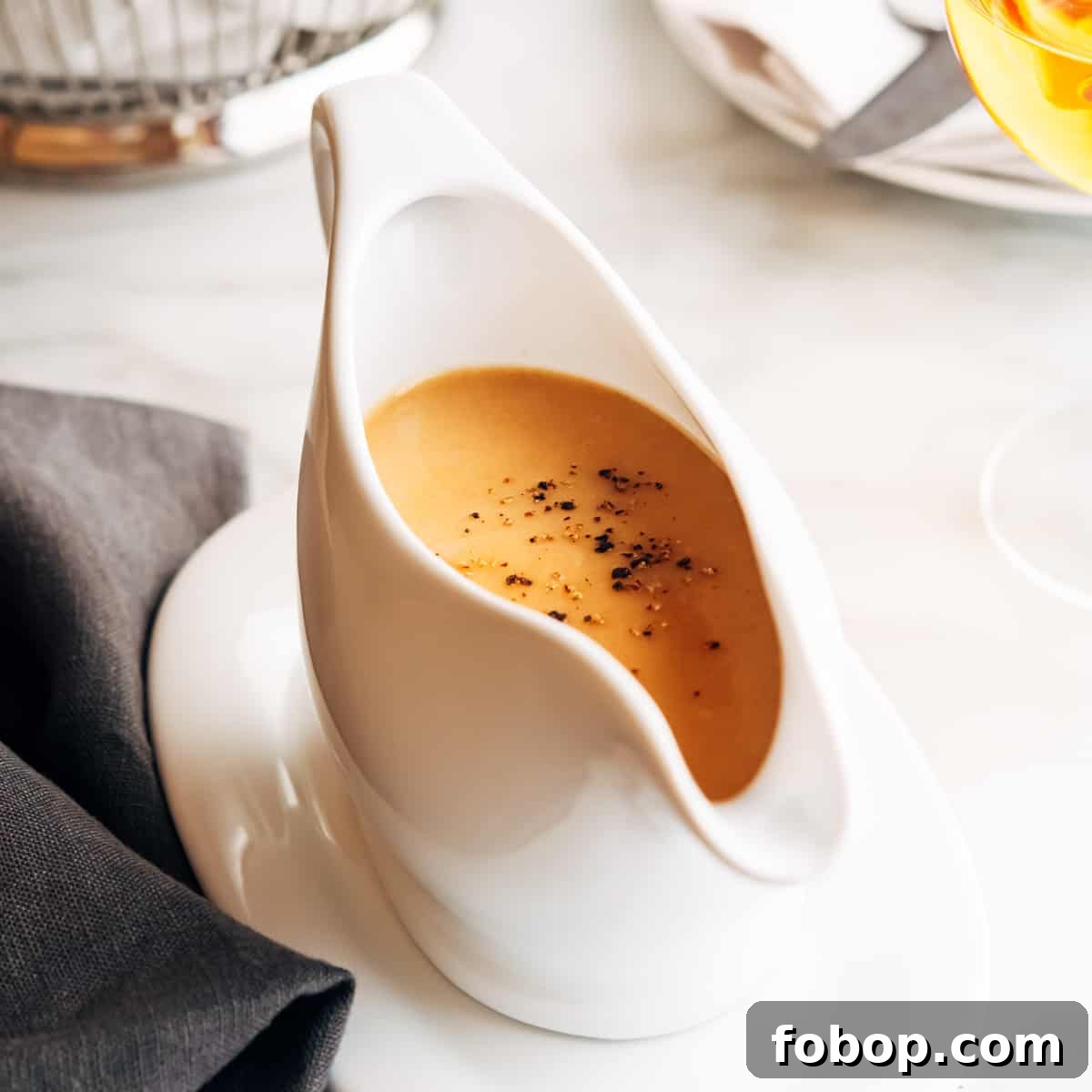
Making rich, restaurant-quality turkey gravy without drippings is easier than you think. Two simple techniques—toast the flour and brown the butter—create a deeply flavored roux in about 20 minutes that mimics the color and savory depth of roast drippings.
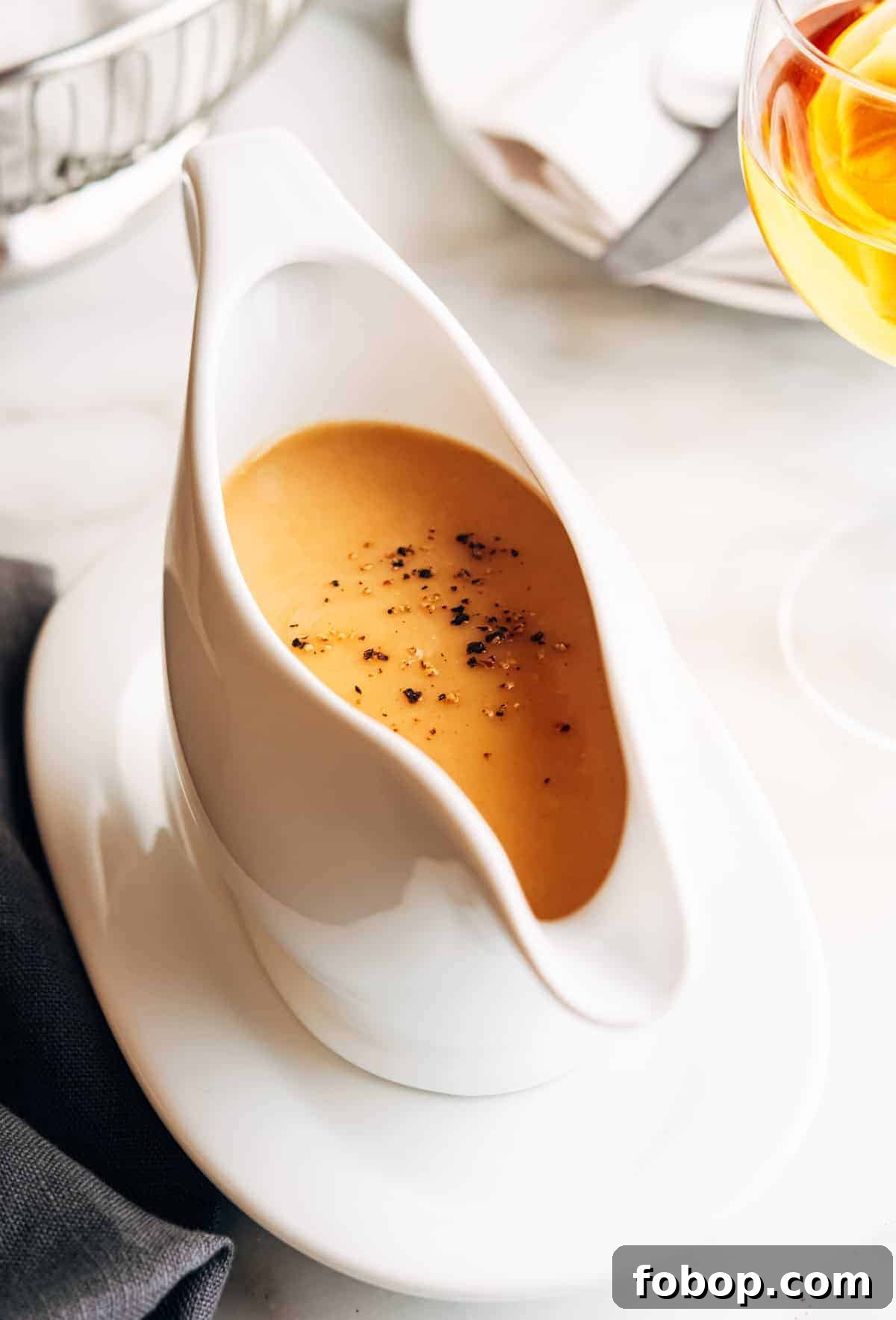
Turkey gravy brings moisture and buttery richness to sliced turkey, mashed potatoes, and stuffing. It ties the whole plate together and elevates a holiday meal. But you don’t need a roasting pan to enjoy great gravy. This quick method uses just three main ingredients plus salt and pepper so you can make flavorful gravy any night of the year.
“This was finger licking good. Never made gravy without drippings and this turned out to make the foodies in the family very happy. Key to taster was the toasting of the flour. What a great idea. I used super fine wheat flour from Italy. Total gravy satisfaction.”
judy peeples
Table of Contents
- Why This Recipe Works
- Ingredients for Turkey Gravy Without Drippings
- How to Make Turkey Gravy without Drippings
- How to Toast Flour
- How to Make Brown Butter
- My Pro-Tip for Perfect Turkey Gravy
- Variations and Add-Ins
- How to Reheat Leftover Gravy
- FAQ
- Plan Your Holiday Menu
- Serve With
- Turkey Gravy without Drippings Recipe
Why This Recipe Works
- Toasting the flour: Gently toasting flour removes the raw, pasty flavor and develops a nutty, roasted base that adds real depth to the gravy.
- Brown butter mimics drippings: When butter browns, the milk solids caramelize and produce the same nutty, savory notes that appear in pan drippings.
- Separate technique, better results: Instead of making a roux and hoping the flour cooks through, you toast the flour and brown the butter separately, then combine them. The result is a reliably deep color and clean, rich flavor.
- Three-ingredient simplicity: When technique is strong, you don’t need a long list of additions. Chicken or turkey stock, toasted flour, and butter—plus salt and pepper—are enough to make impressive gravy.
Ingredients for Turkey Gravy Without Drippings
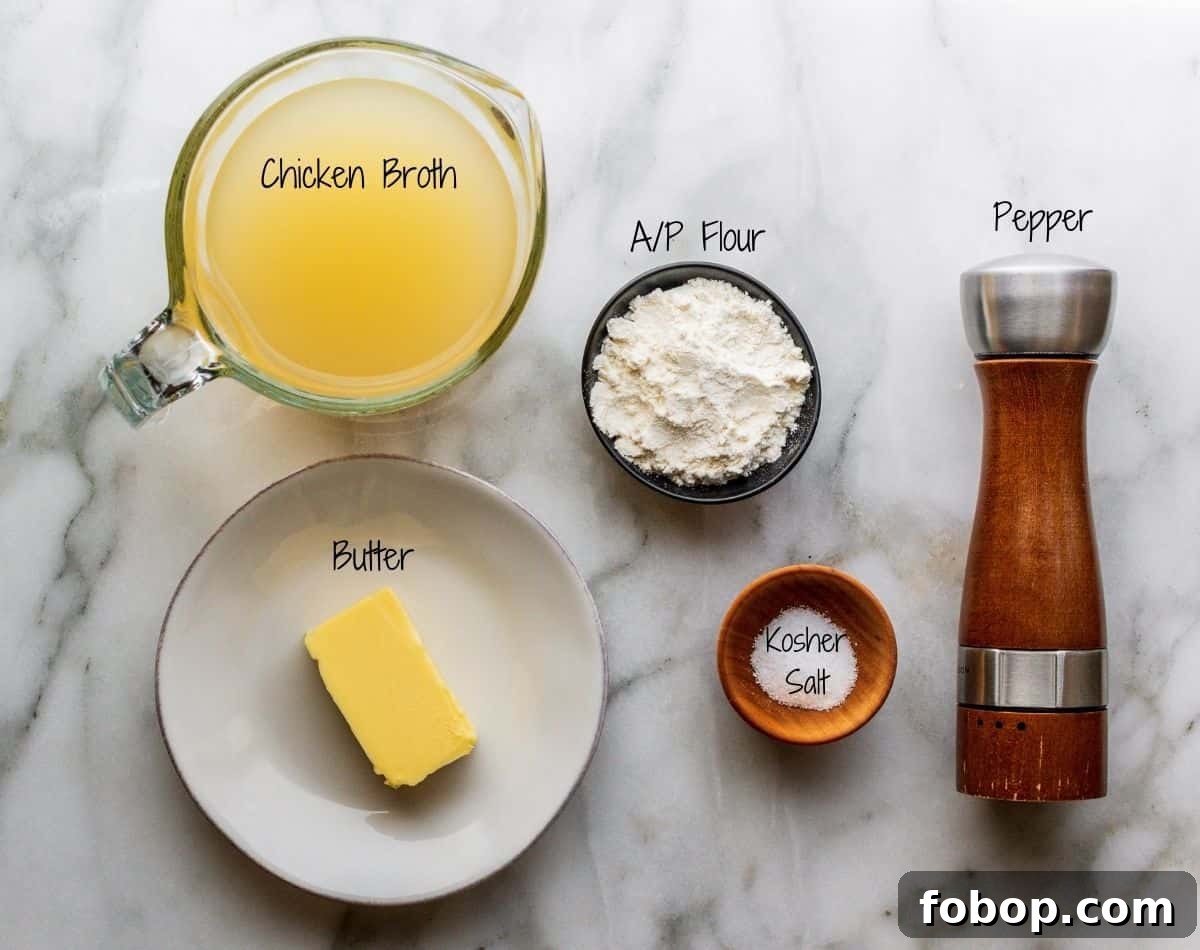
- Chicken broth: Regular or low-sodium both work. Turkey stock is ideal if you have it.
- All-purpose flour: Toasted to develop flavor. Sift only if clumpy.
- Butter: Salted or unsalted; adjust salt at the end if you use salted butter.
- Salt and pepper: Freshly ground black pepper is recommended.
How to Make Turkey Gravy without Drippings
Bring the chicken broth to a gentle simmer in a medium saucepan set over medium heat. While the broth warms, toast the flour and brown the butter separately, then combine them into the simmering stock to finish the gravy.
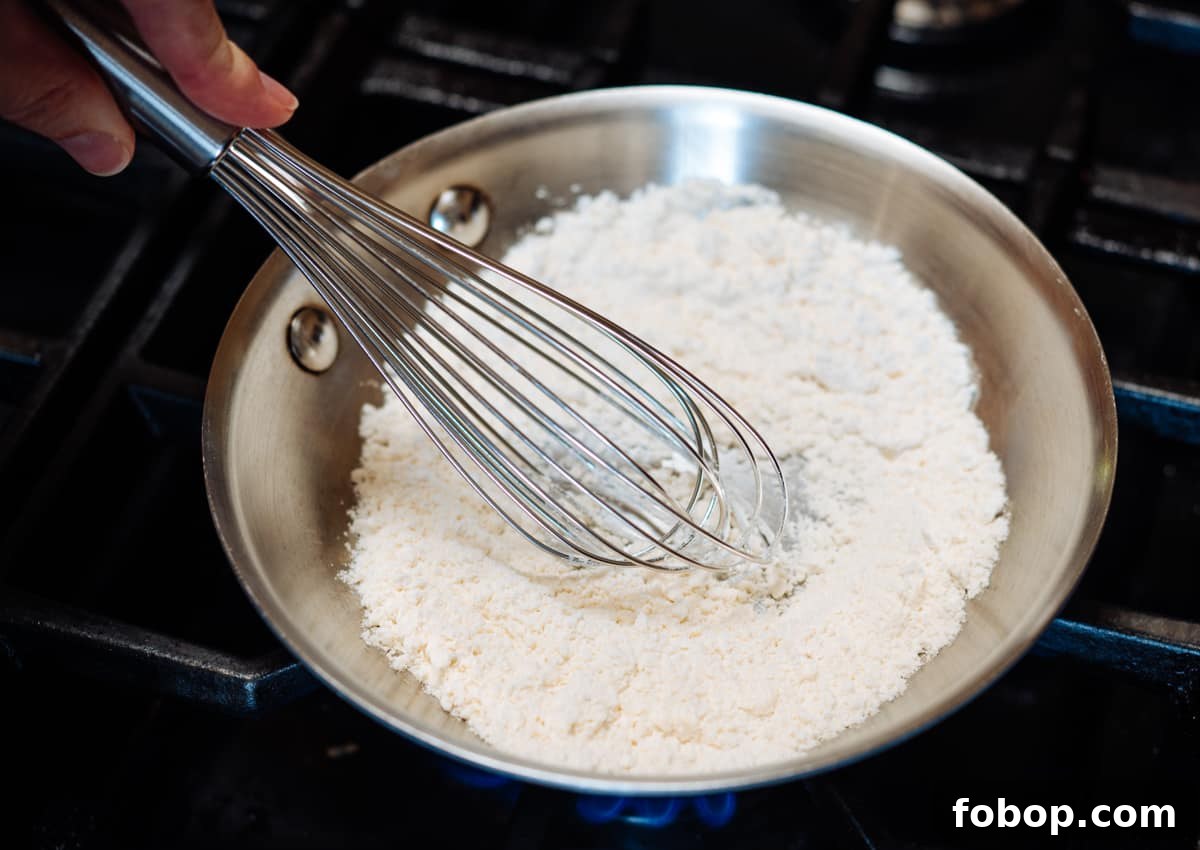
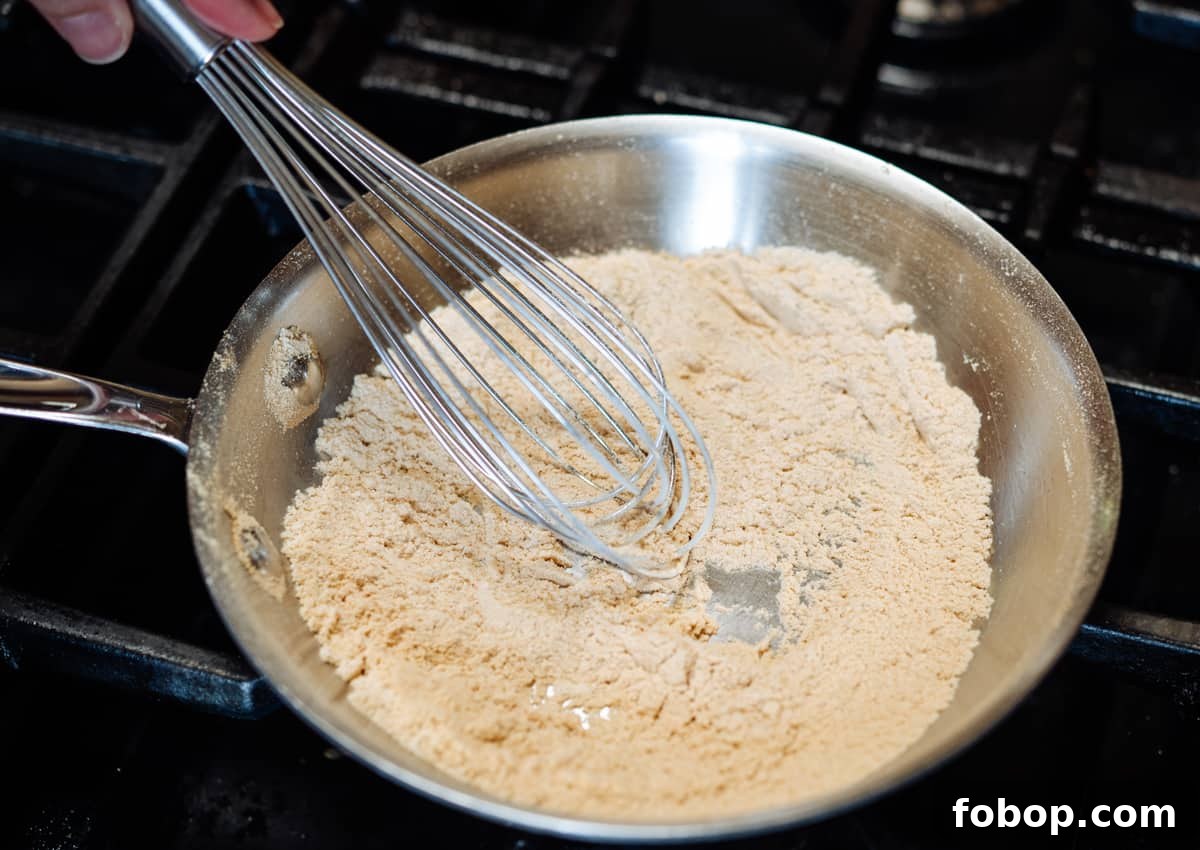
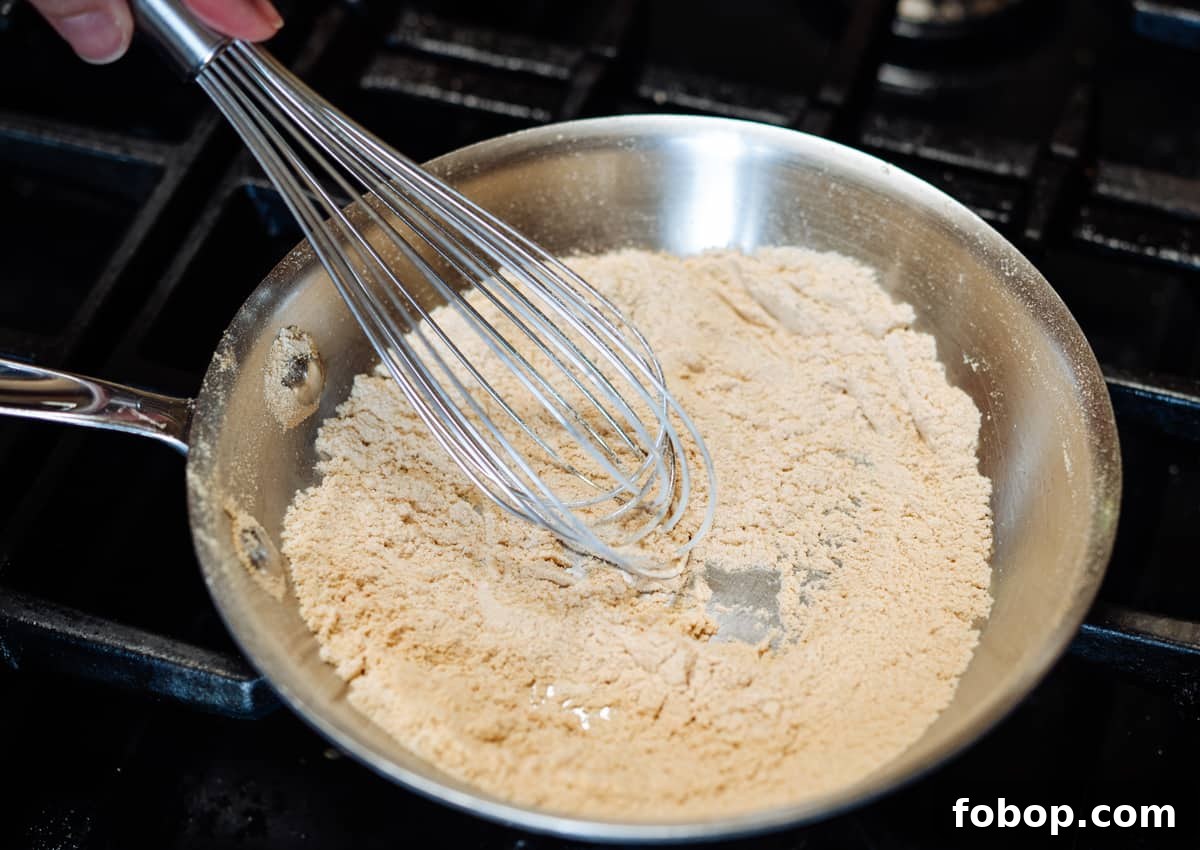
Toast the flour: add the measured flour to a dry skillet over medium-low heat and whisk constantly until it turns light golden and smells nutty, about 3 to 5 minutes. Transfer it immediately to a small bowl to stop the cooking.
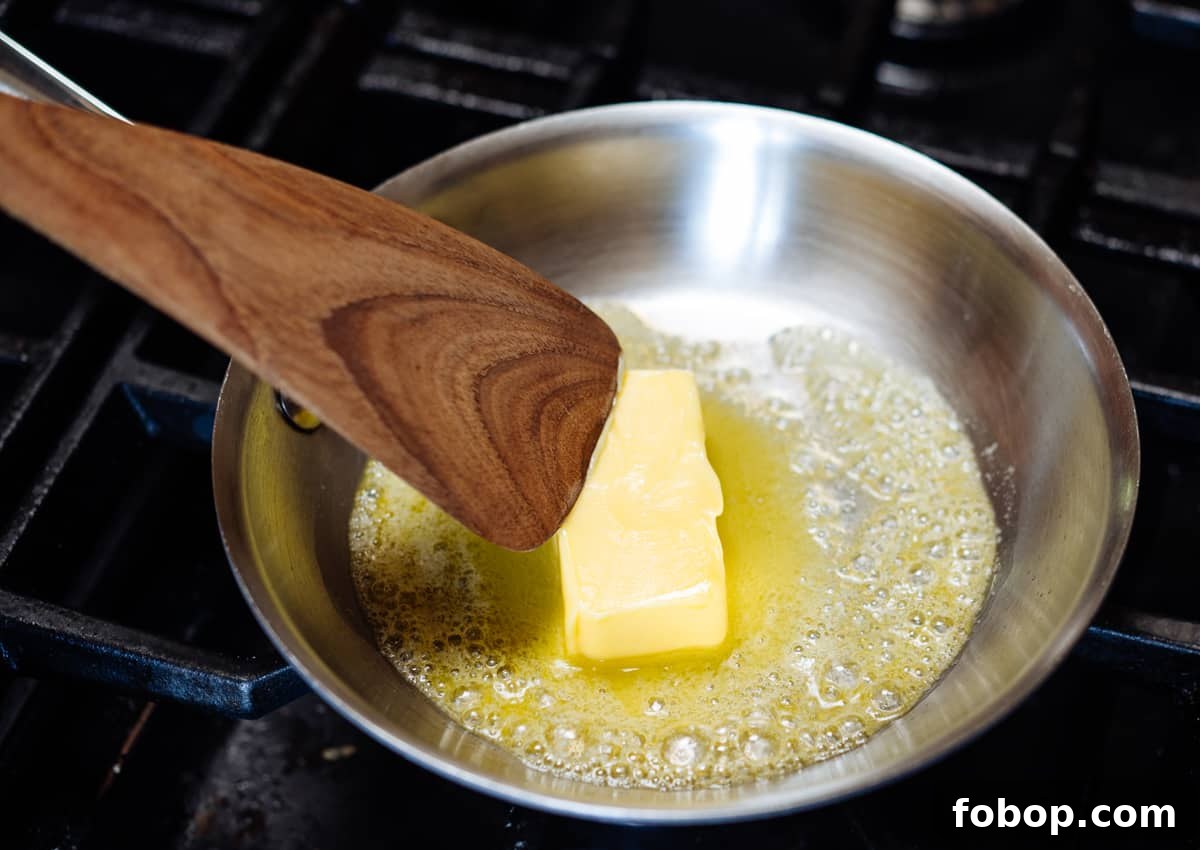
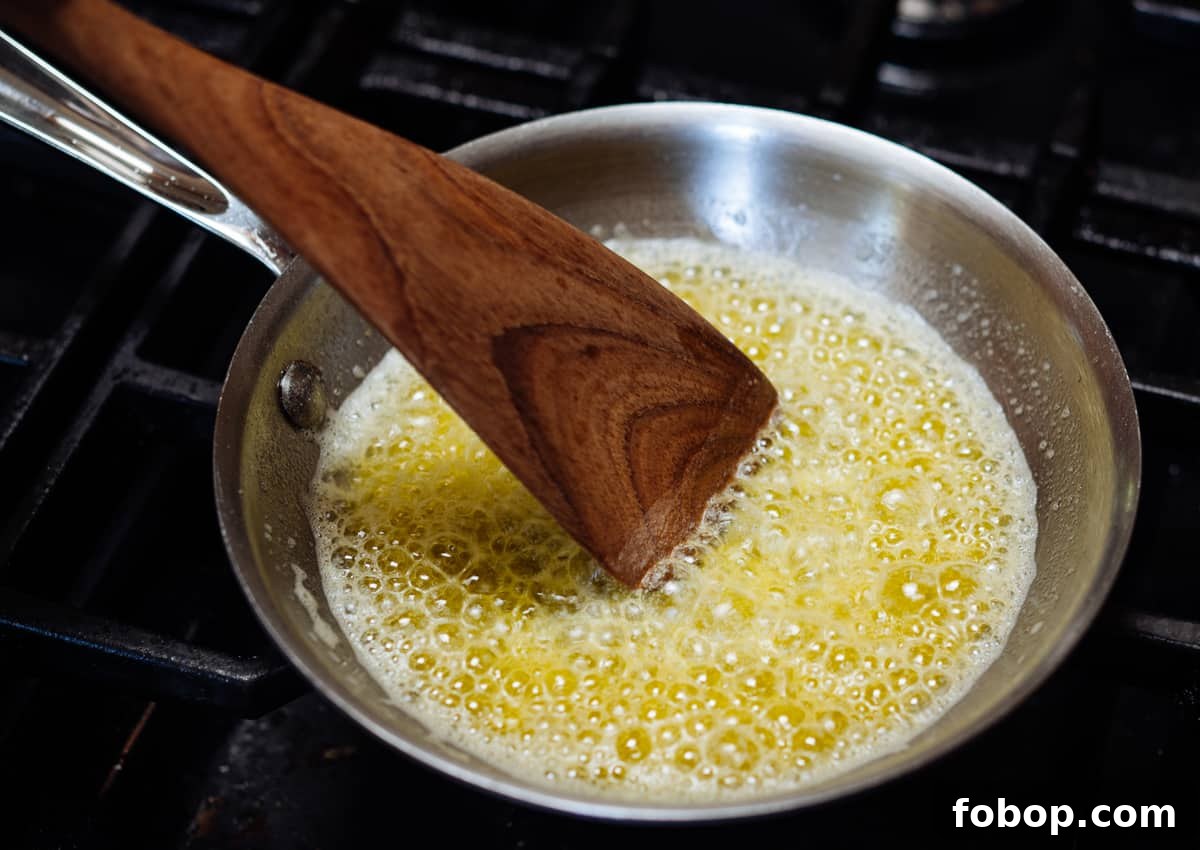
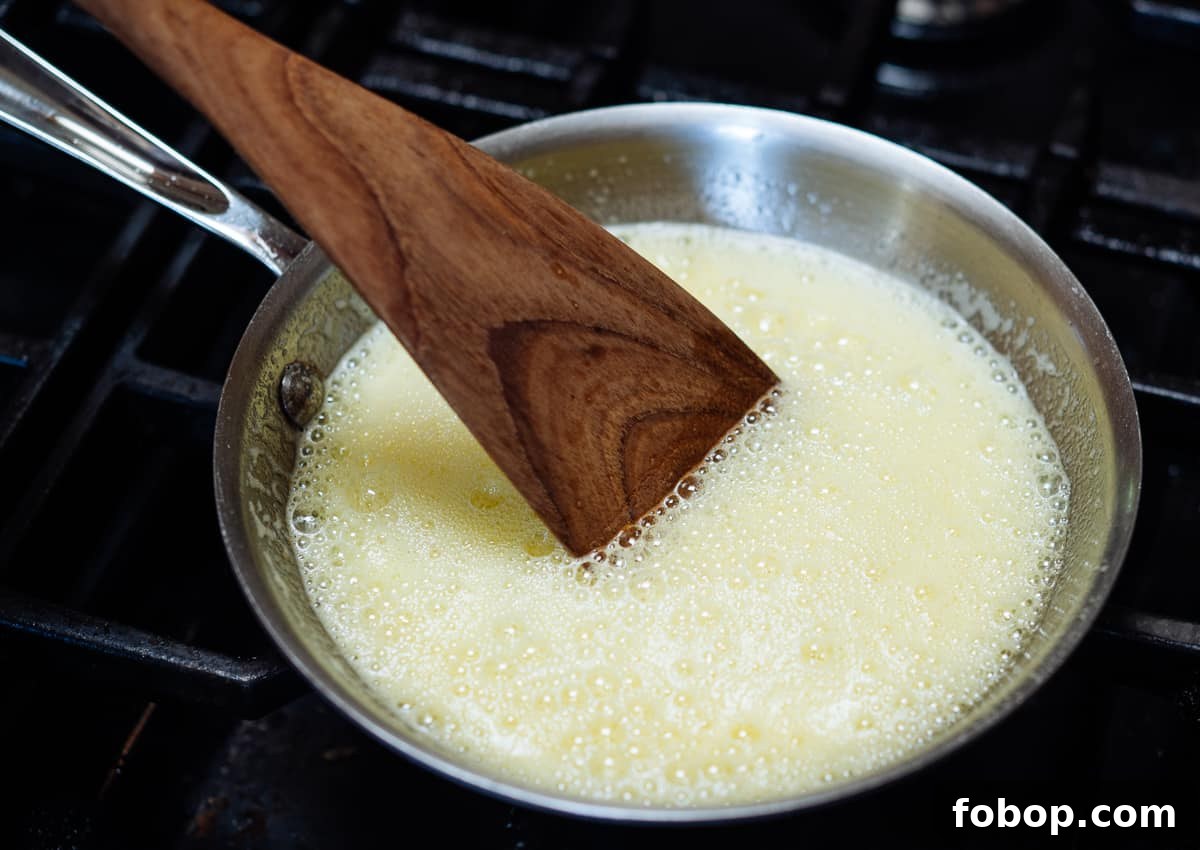
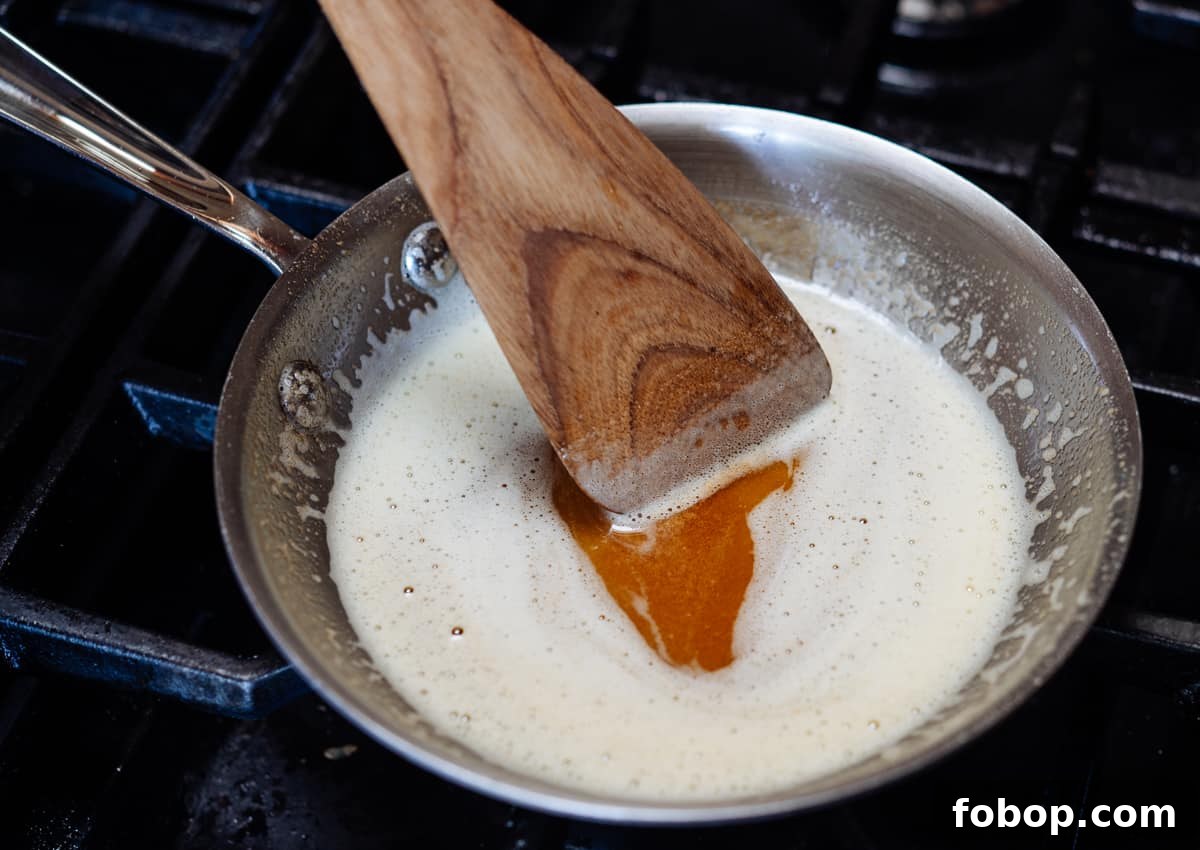
Brown the butter: wipe the skillet clean, add the butter, and cook over medium heat, stirring constantly. The butter will melt, foam, and then begin to turn golden with brown flecks. Remove it from the heat as soon as it smells nutty and has developed color—about 3 to 4 minutes—to avoid burning.
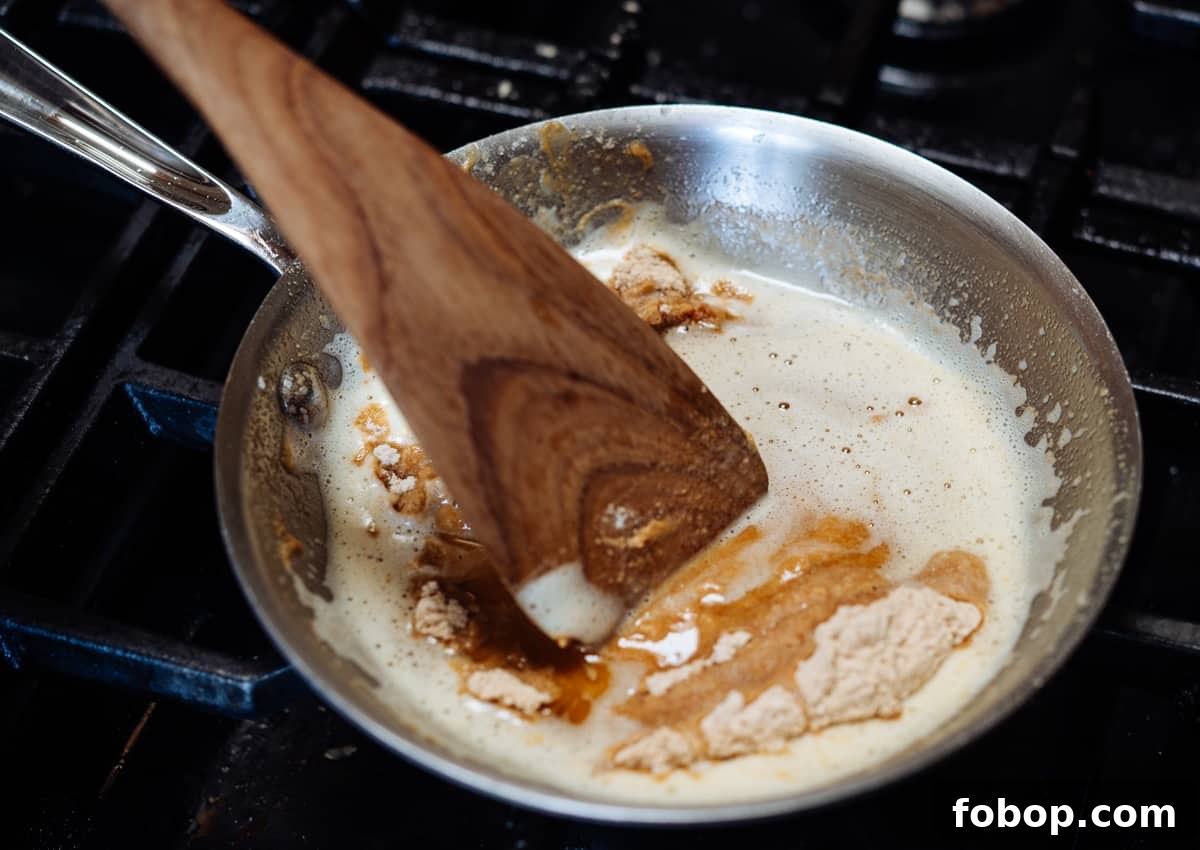
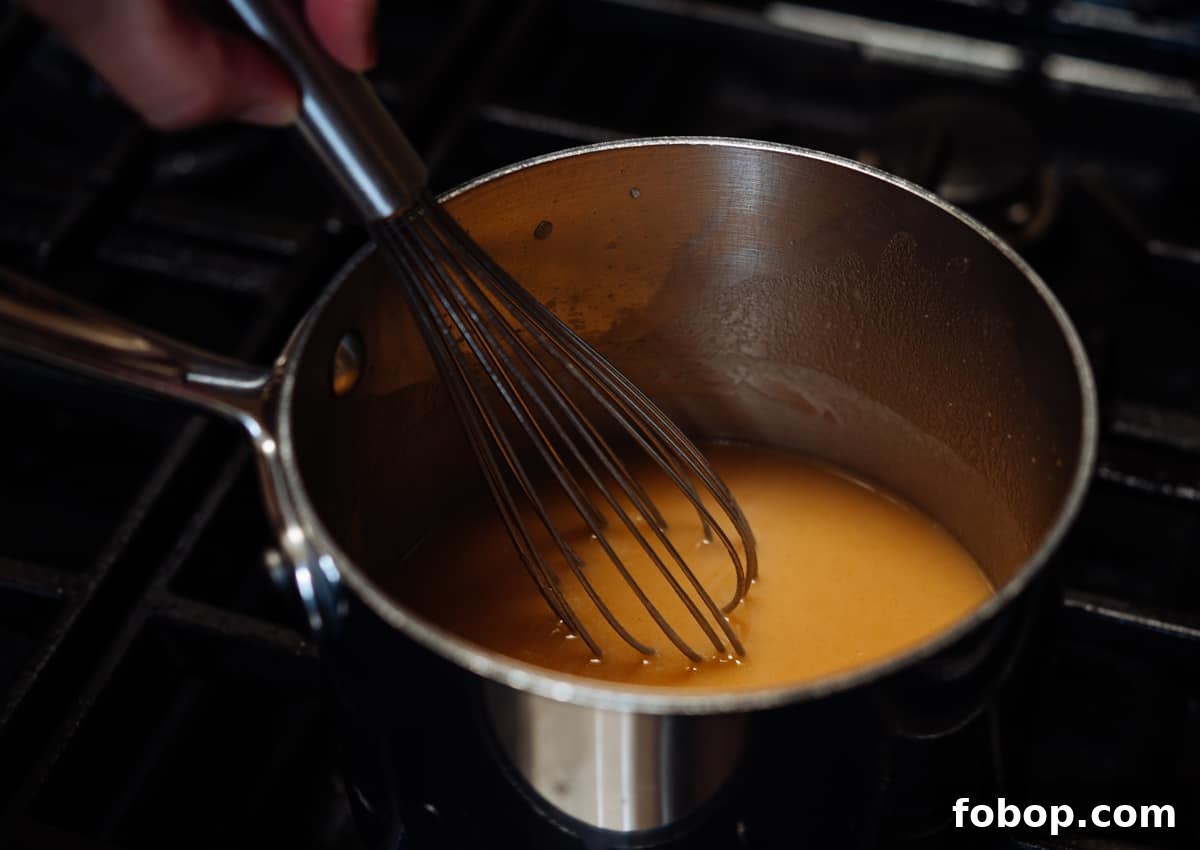
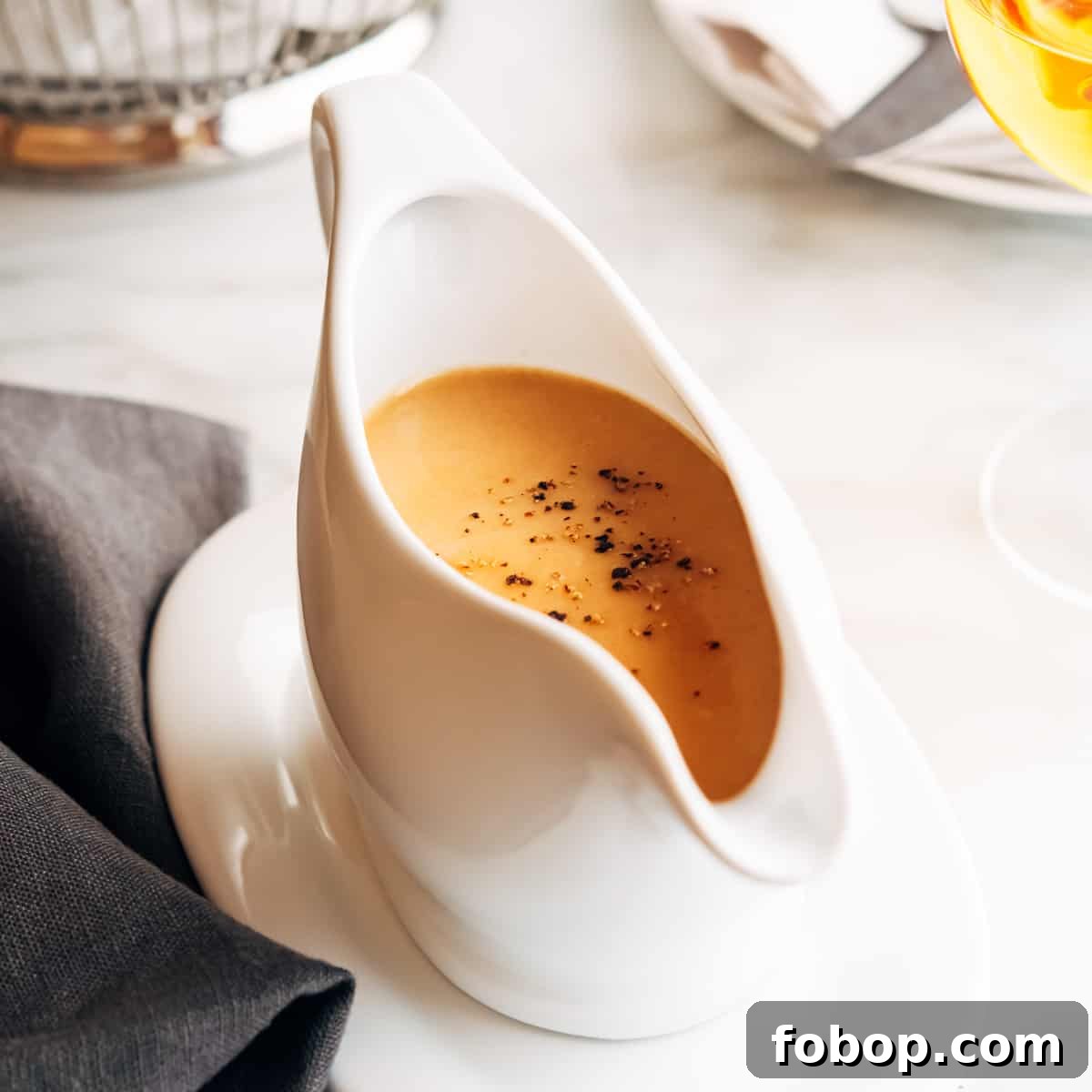
Combine and finish: stir the toasted flour into the brown butter until smooth, then whisk the mixture into the simmering broth all at once. Cook over medium heat, whisking constantly, until the gravy thickens, becomes smooth, and bubbles. Thin with additional warm stock if you prefer a looser consistency. Season to taste with salt and freshly ground black pepper and serve hot.
How to Toast Flour
Toasting flour adds nutty, toasty notes to many recipes. Heat a dry skillet over moderate heat, add the flour, and whisk continuously for 3 to 5 minutes. You’ll see a slight color change and smell a nutty aroma. Use the toasted flour immediately for best results.
How to Make Brown Butter
Brown butter is simple but requires attention. Use a light-colored skillet so you can watch the color change. Cut the butter into even pieces, melt over medium heat, and stir as it foams. When the foam subsides and golden brown flecks form with a nutty aroma, remove the pan immediately. If you’re not using the butter right away, transfer it to a heat-safe bowl to stop the cooking.
My Pro-Tip for Perfect Turkey Gravy
- Trust your senses, not the clock: Smell and sight are the best guides. Watch for a nutty aroma when toasting flour and a deep golden color with browned flecks when making brown butter. These cues beat a strict timer every time.
Variations and Add-Ins
Customize the gravy with fresh herbs like sage or thyme, caramelized onions, or sautéed mushrooms. A splash of white wine or a tablespoon of cream can add extra complexity and richness.
How to Reheat Leftover Gravy
Reheat leftover gravy gently over low heat in a saucepan, stirring frequently to prevent sticking. If it’s too thick, thin it with warm broth a little at a time and re-season before serving.
FAQ
Yes. Store gravy in the refrigerator for 3 to 4 days or freeze for several months; reheat gently before serving.
This recipe was designed for that situation: toasted flour and brown butter recreate the savory depth of drippings.
Both thicken well, but toasted flour in a brown-butter roux adds more flavor than cornstarch.
Whisk in additional warm stock until you reach the desired consistency, then taste and adjust seasoning.
Prevent by whisking constantly and using sifted flour. If lumps form, strain the gravy through a fine-mesh sieve before serving.
Stored in an airtight container in the refrigerator, it keeps 3–4 days; frozen, it lasts several months.
Once you master toasted flour and brown butter, you can make excellent gravy any time—holidays, Sunday dinner, or a weeknight. The technique delivers a deep, savory flavor that rivals drippings-based gravy and is easy to scale for larger gatherings.
Plan Your Holiday Menu
- Thanksgiving Menu Planner
- Christmas Menu Planner
Serve With
- Dry-brined turkey
- Turkey roulade with garlic and herbs
- Mashed red potatoes
- Yukon Gold mashed potatoes
- Cornbread dressing
- Brioche rolls
Turkey Gravy without Drippings

Video
Ingredients
- 2 cups chicken broth or turkey stock, or more for thinner gravy
- 1/4 cup all-purpose flour sifted if lumpy
- 1/4 cup butter cut into 4 1-tablespoon size pieces
Instructions
-
Simmer broth: Bring chicken broth to a simmer in a medium saucepan over medium heat.
-
Toast the flour: Add flour to a dry skillet over medium-low heat and whisk constantly for 3–5 minutes until light golden and aromatic. Transfer to a small bowl and wipe the skillet clean.
-
Brown the butter and finish the gravy: Return the skillet to medium heat, add the butter, and stir constantly as it melts, foams, and browns (3–4 minutes). Remove from heat when golden with brown flecks and a nutty aroma. Stir in the toasted flour until smooth, then whisk the mixture into the simmering broth. Cook, whisking, until thick, smooth, and bubbly. Season with salt and pepper and serve hot.
Notes
- On burned butter: If the butter burns, discard it, wipe the skillet, and start again. Burned butter will make the gravy bitter.
- On lumps: If lumps appear, strain the finished gravy through a fine-mesh sieve before serving.
- Scaling the recipe: Double or triple the ingredients as needed; use larger cookware to accommodate the increased volume.
Nutrition
Nutrition information is an approximation.
Leave a comment & rate the recipe below!