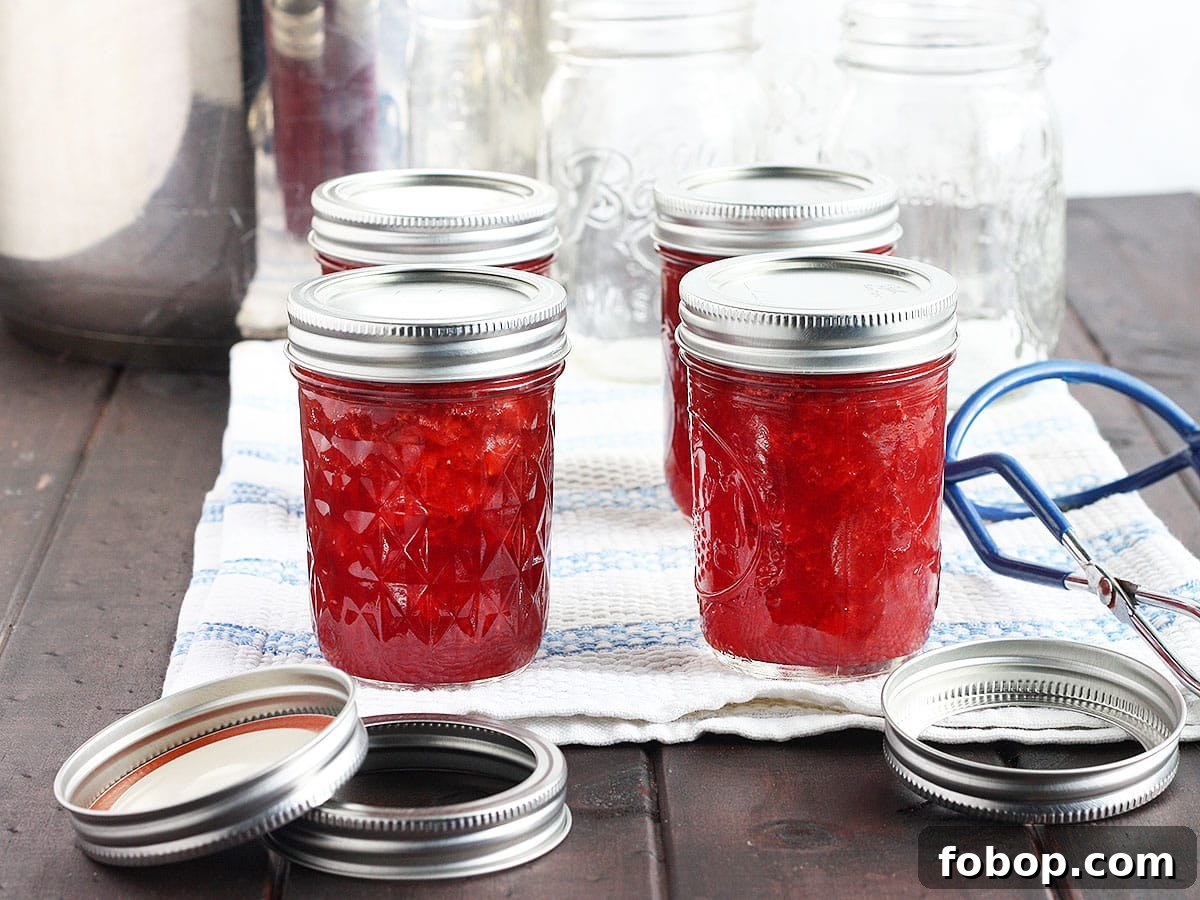
What is water bath canning and how can you get started? This complete beginner’s guide explains everything you need to know to preserve food safely and confidently.
This post may contain affiliate links. See the site’s privacy policy for details.
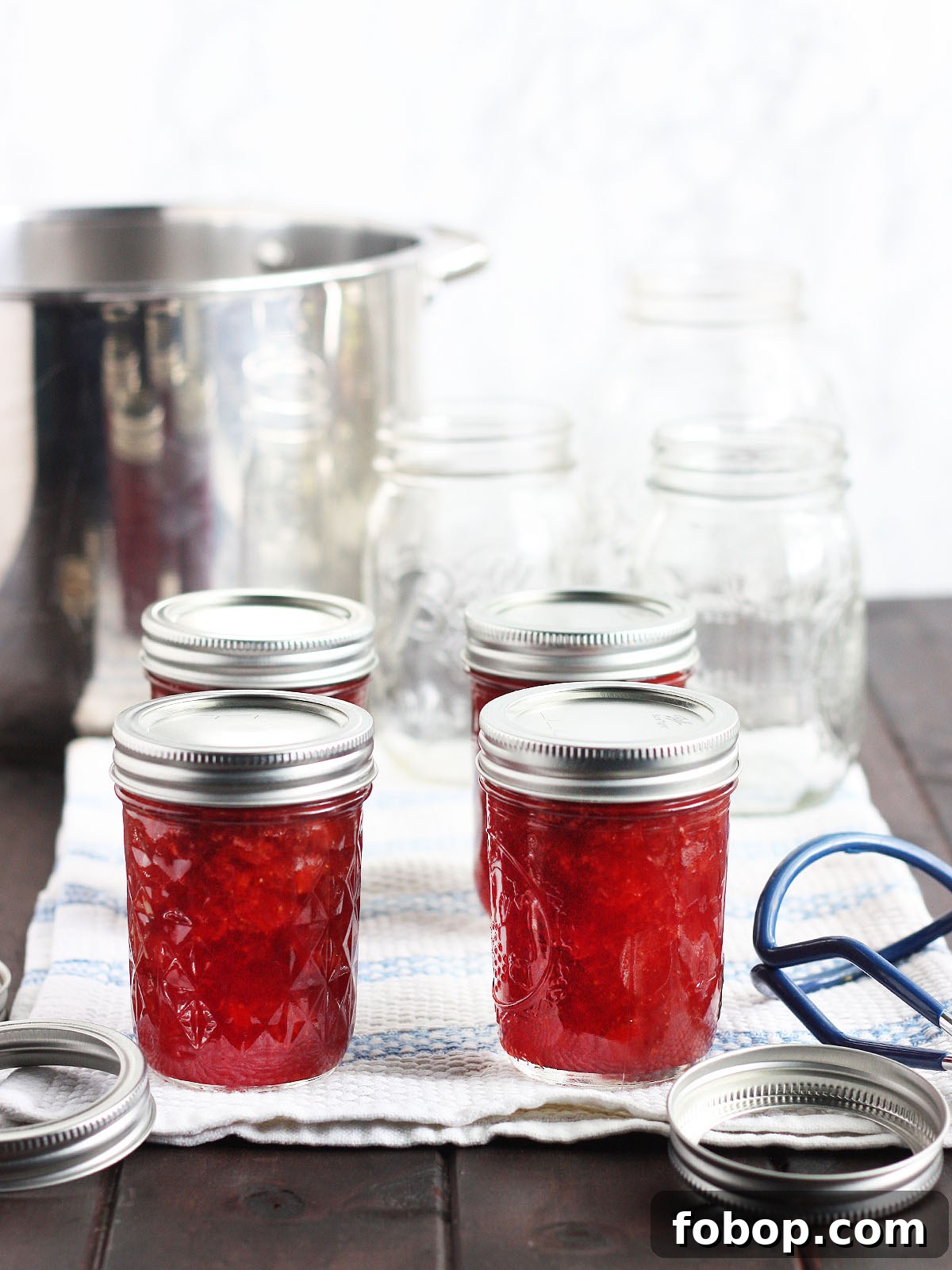
If you’ve ever wanted to preserve homegrown produce or make your own jams, pickles and sauces, water bath canning is an approachable and reliable method to start with. It requires only basic equipment, it’s safe for many high-acid foods, and it’s a great way to enjoy seasonal flavors year-round. Below is a clear, practical guide to help beginners understand the method, select the right supplies, and follow the steps for successful canning.
What is water bath canning?
Water bath canning preserves food for long-term, shelf-stable storage. Foods are packed into glass jars fitted with flat metal lids and screw bands. The filled jars are completely submerged in boiling water and processed for a set time depending on the food and jar size. As the jars cool, the lids form a vacuum seal that keeps contents safe and shelf-stable.
How does water bath canning work?
There are two key principles behind water bath canning. First, the boiling water and the heat applied to the jar contents destroy harmful bacteria that cause spoilage and foodborne illness. Second, the cooling process creates a vacuum seal that prevents new bacteria or oxygen from entering the jar. Together, heat and vacuum preserve the food safely when the correct recipes and processing times are used.
Water bath vs. pressure canning
Water bath canning is suitable for high-acid foods because acidity prevents the growth of dangerous bacteria. Boiling water reaches 212°F (100°C), which is sufficient for these acidic recipes. Low-acid foods (such as most meats, seafoods, and many vegetables) require pressure canning. A pressure canner raises the internal temperature well above boiling, which is necessary to destroy heat-resistant bacterial spores. Use the method required by your recipe—do not interchange water bath and pressure canning for foods they are not designed for.
Foods suitable for water bath canning
- Jams, jellies, marmalades, and fruit preserves.
- High-acid fruits like apples, blackberries, cranberries, blueberries, peaches, pears, strawberries, and raspberries.
- Lower-acid fruits and some vegetables only when acidified (for example, adding bottled lemon juice or vinegar as directed).
- Pickled vegetables and relishes made with a vinegar-based brine.
Foods to never water bath can
Do not water bath can foods that are low in acid and require higher temperatures to be safe. These include:
- Meat and most poultry
- Seafood
- Dairy-based products
- Soup stocks and broths
- Many plain vegetables and legumes unless processed in a pressure canner
Adding acid
Proper acidity is essential for safe water bath canning. For savory pickles and relishes, use vinegar that is at least 5% acidity (white and apple cider vinegars are common choices). For fruits, tomatoes and certain vegetables, bottled lemon juice is recommended because it provides a consistent acidity level. Fresh lemon juice varies in acidity and can’t guarantee safe pH levels for canning.
Basic canning supplies
Canning supplies make the process safer and easier. Essentials include:
- Canning lids: Single-use flat lids have a sealing compound that bonds during processing. Lids should be discarded after opening.
- Rings (bands): Reusable metal bands hold lids in place during processing. Remove bands after jars cool and seals are confirmed.
- Glass mason jars: Use jars approved for home canning and discard any that are chipped or cracked. Reuse jars indefinitely if they remain in good condition.
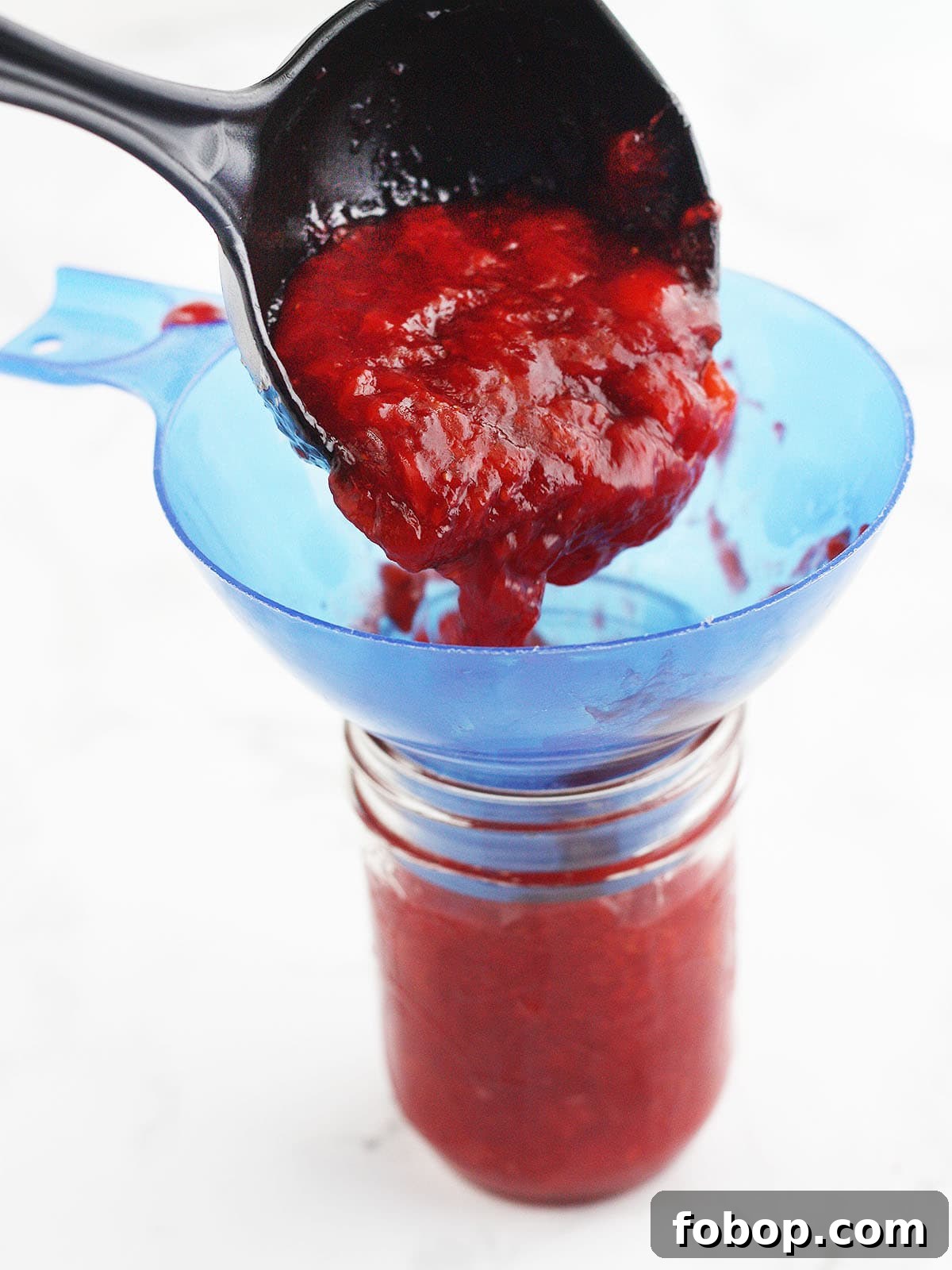
- Canning kit: A kit typically includes a wide-mouth funnel, jar lifter, magnetic lid lifter, and a headspace measuring tool.
- Canning pot and rack: A deep stock pot with a rack keeps jars off the bottom and allows boiling water to circulate around them. Any sufficiently deep pot will work if jars are covered by at least one inch of water.
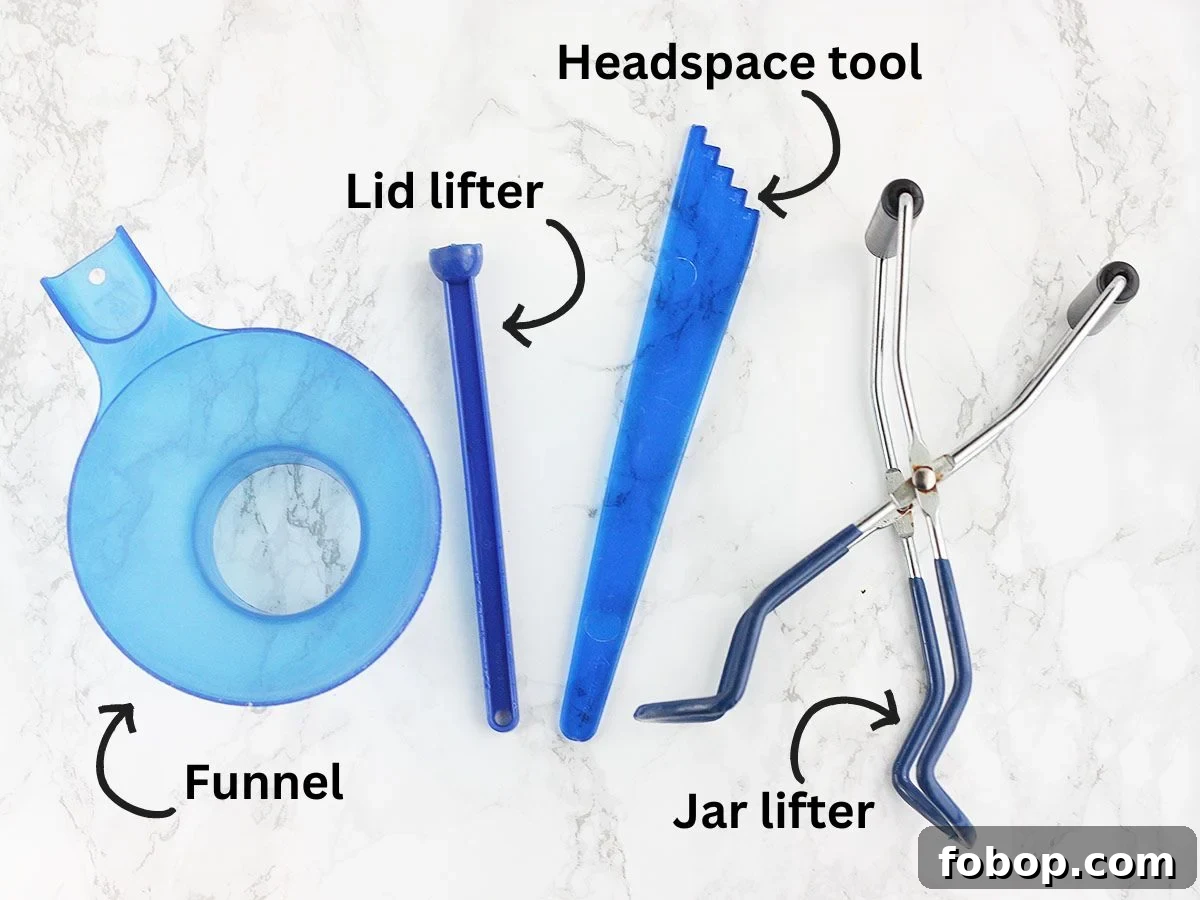
Other helpful items include a large ladle, a towel for cooling jars, and reliable canning recipes or reference books to ensure correct processing times.
Jar sizes and openings
Choose jar sizes to fit the food and how you plan to use it:
- Quart (32 oz): Good for soups, broths, whole fruits and larger pickles.
- Pint (16 oz): Ideal for jams, salsas, sauces and pie fillings.
- Half-pint and jelly jars (8–12 oz): Best for jellies, small preserves and gift-sized portions.
Wide-mouth jars are convenient for whole fruits and easy filling; regular-mouth jars work well for sauces, salsas and diced produce.
Water bath canning: basic steps
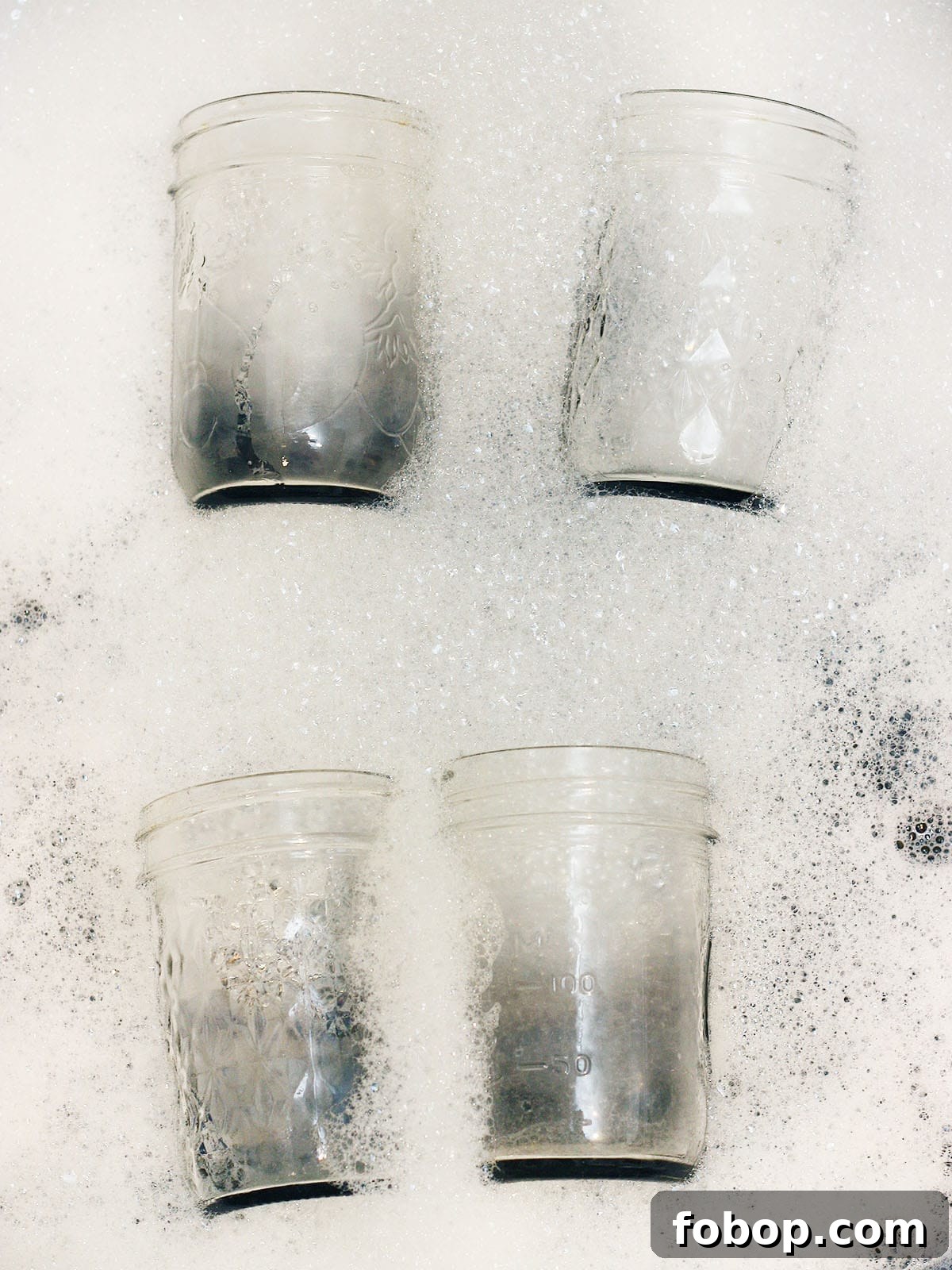
- Wash jars: Clean jars in warm, soapy water and keep them warm until filling to avoid thermal shock.
- Fill jars: Follow your recipe for hot-pack or raw-pack instructions. Hot-pack involves filling jars with hot food and liquid; raw-pack uses fresh foods with hot liquid added before sealing.
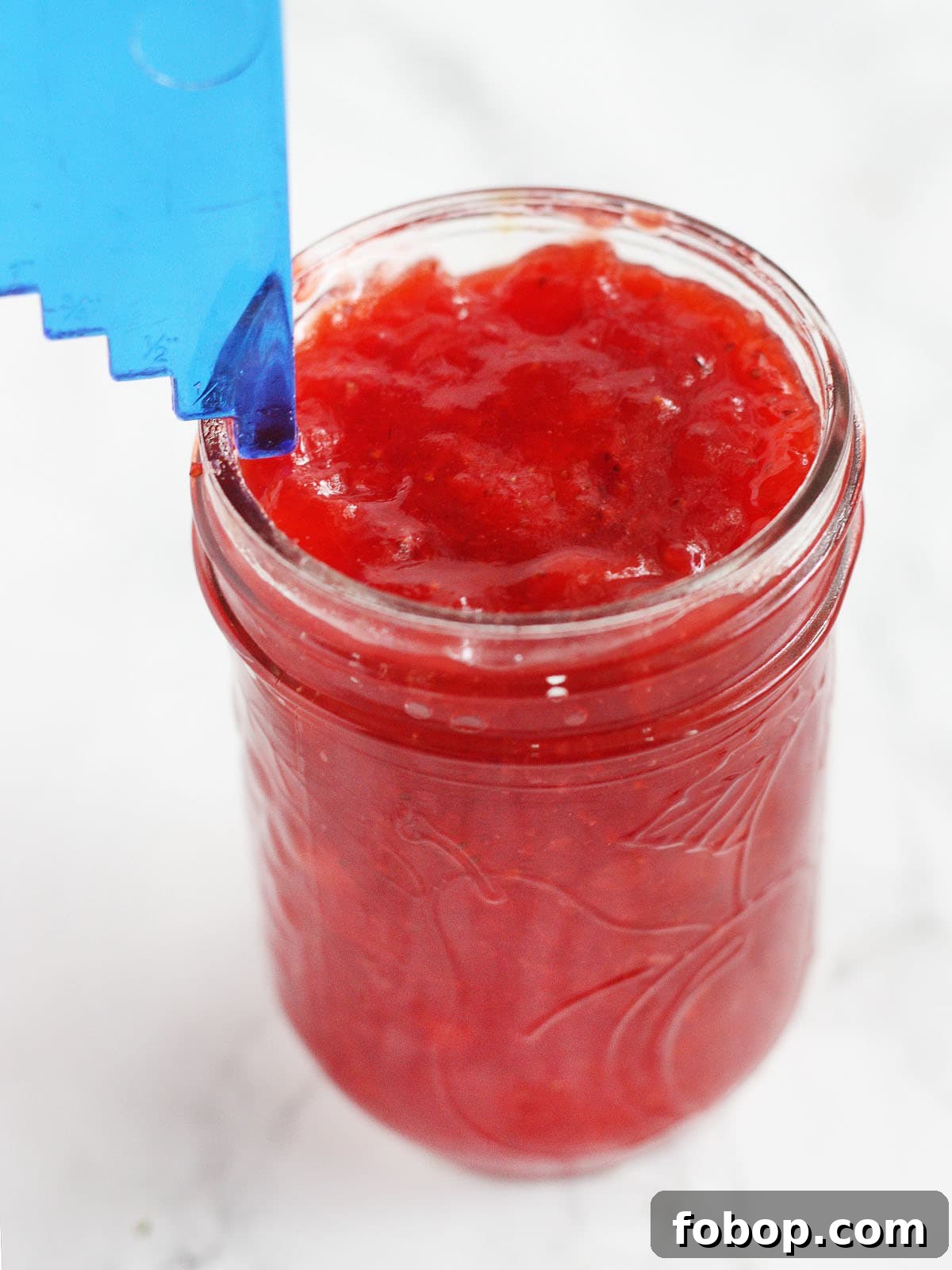
- Check headspace: Measure the specified headspace (the gap between food and lid) using the tool from your canning kit. Proper headspace is essential for a reliable seal.
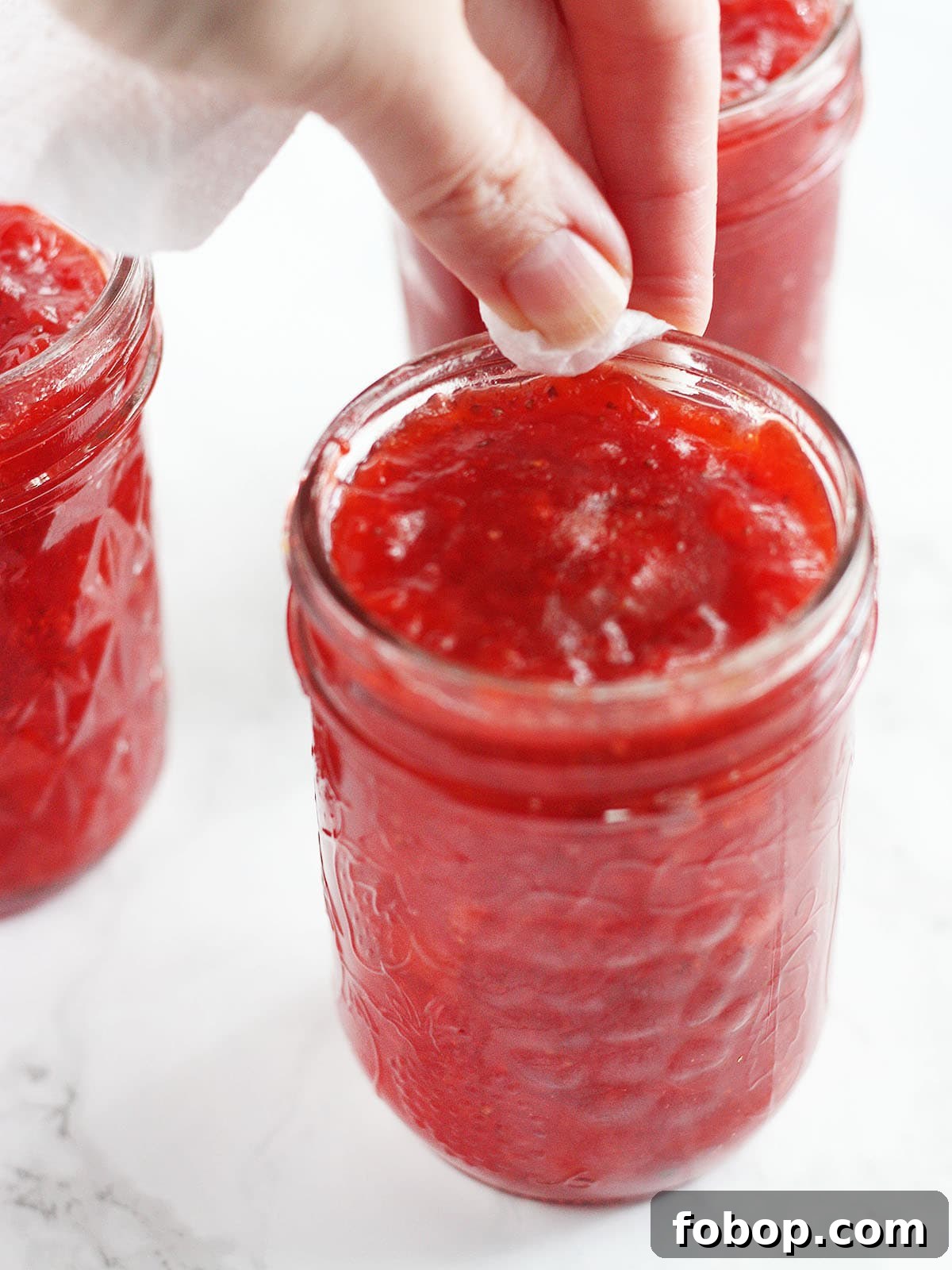
- Wipe rims: Remove any food residue from jar rims with a damp cloth to ensure the lid seals correctly.
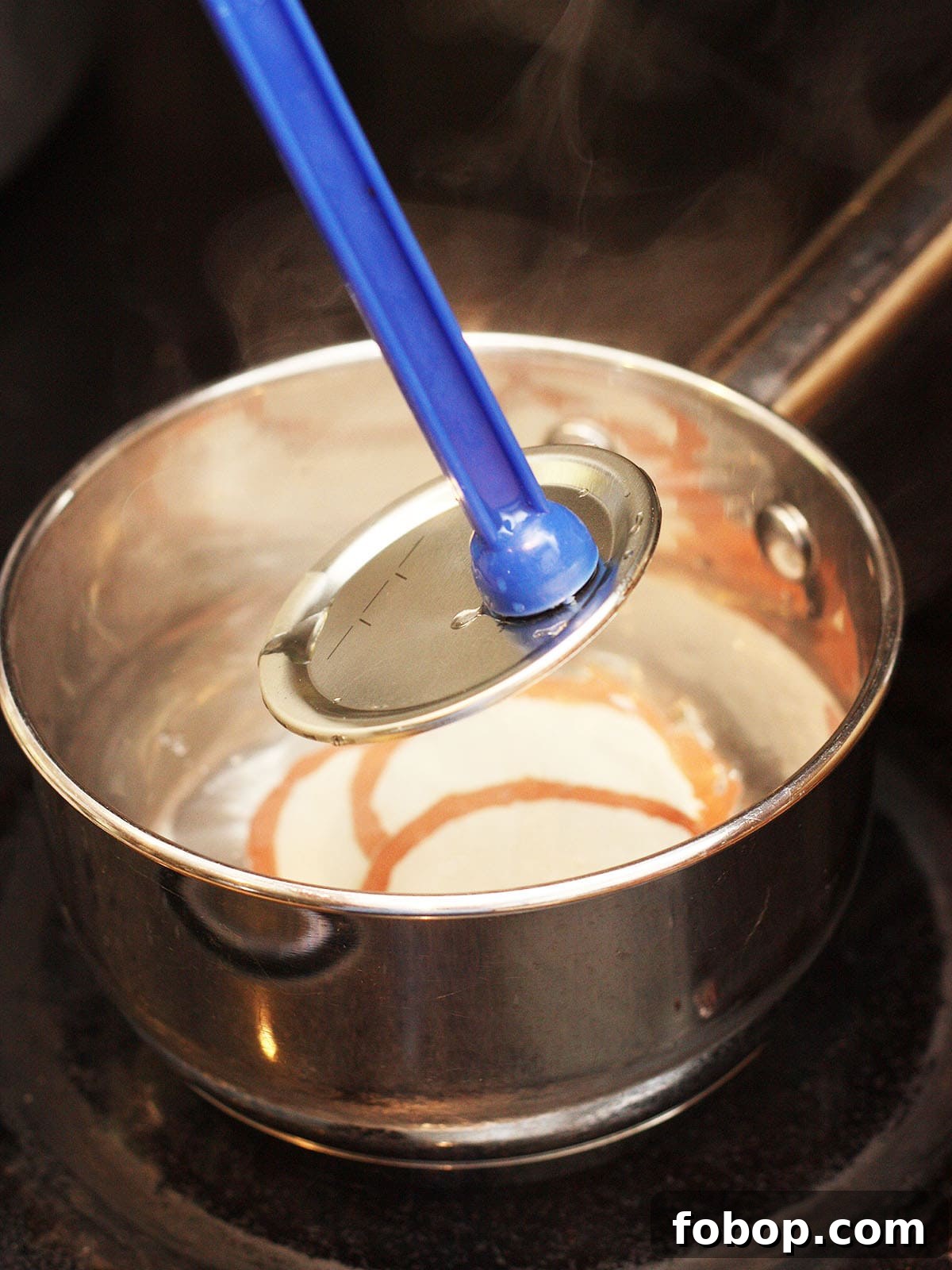
- Sanitize lids: If desired, warm lids in hot (not boiling) water to soften the sealing compound. Avoid boiling lids as that can damage the sealing surface.
- Apply lids and rings: Place the lid and screw the band finger-tight—no need to over-tighten.
- Process jars: Arrange jars on the rack in the canner, cover with at least one inch of water, bring to a full boil, and process for the time given by your trusted recipe.
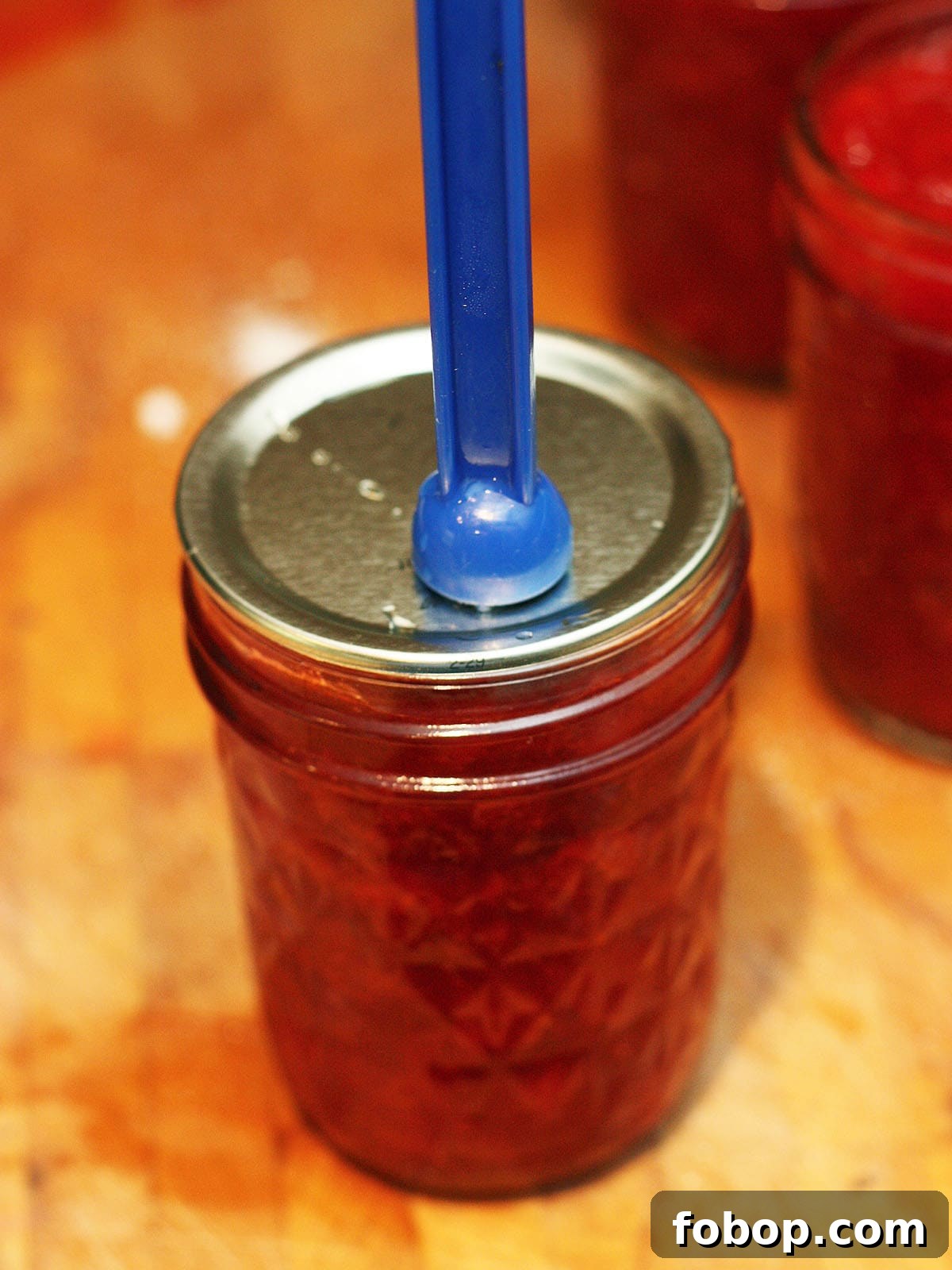
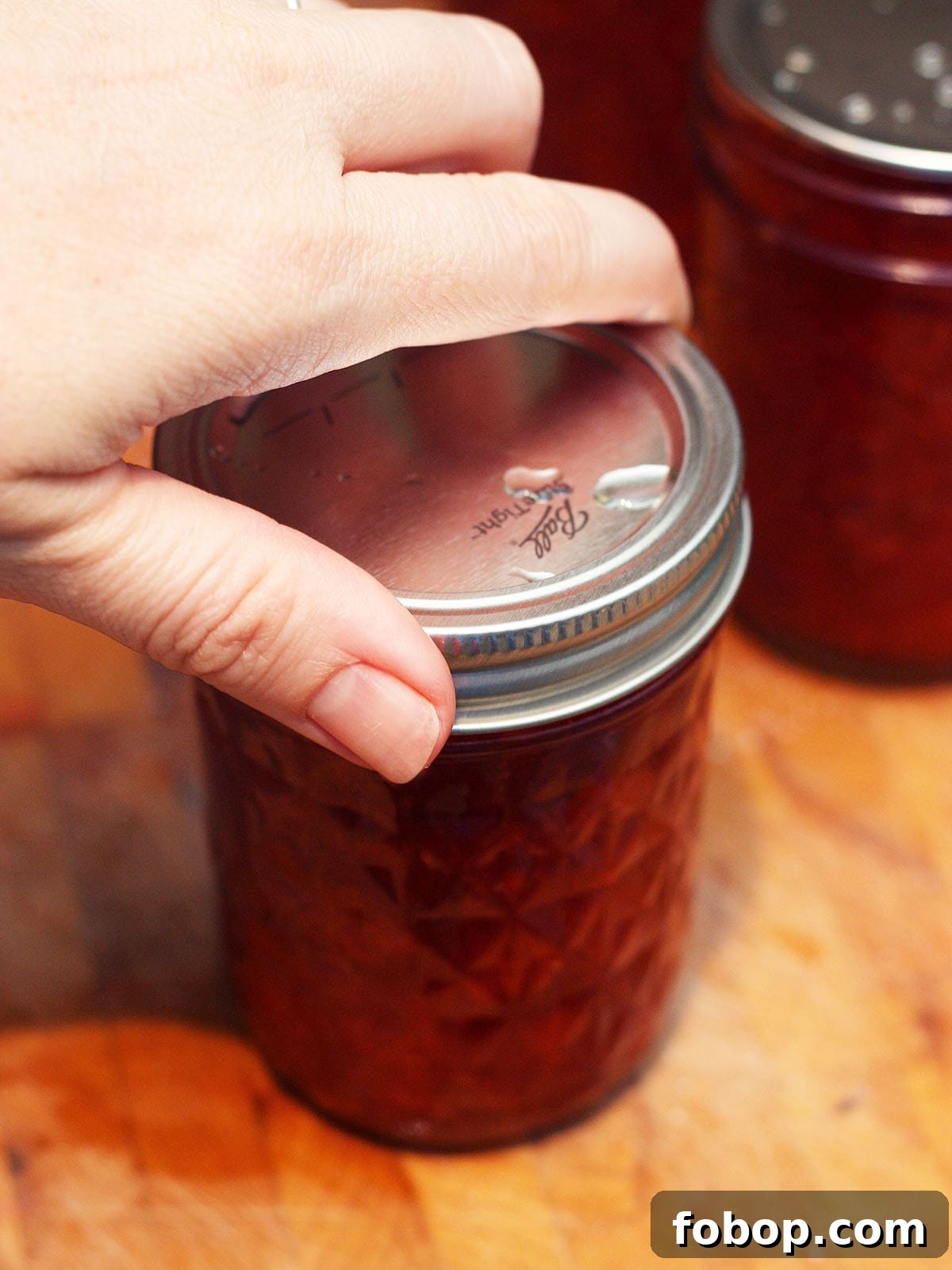
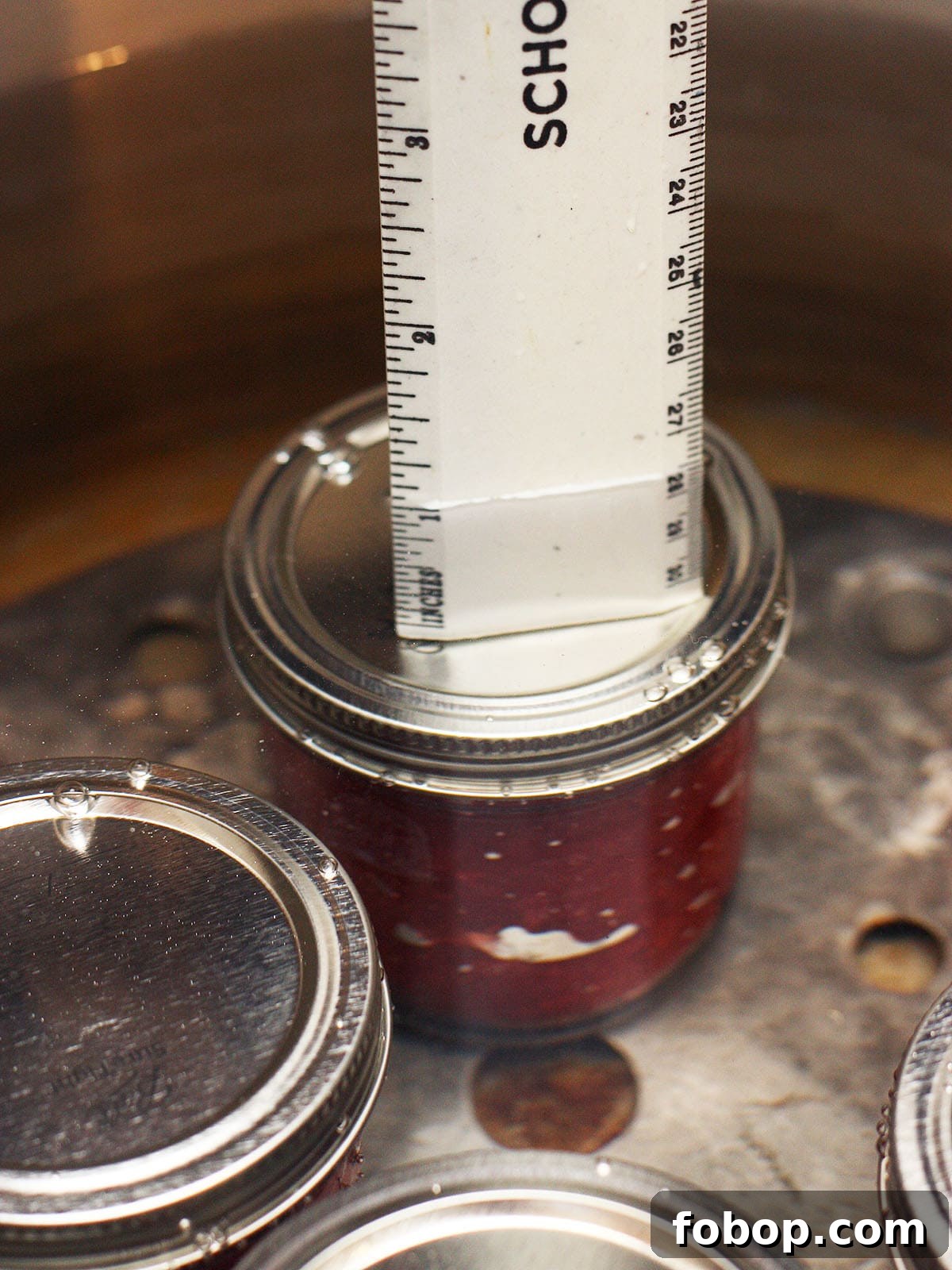
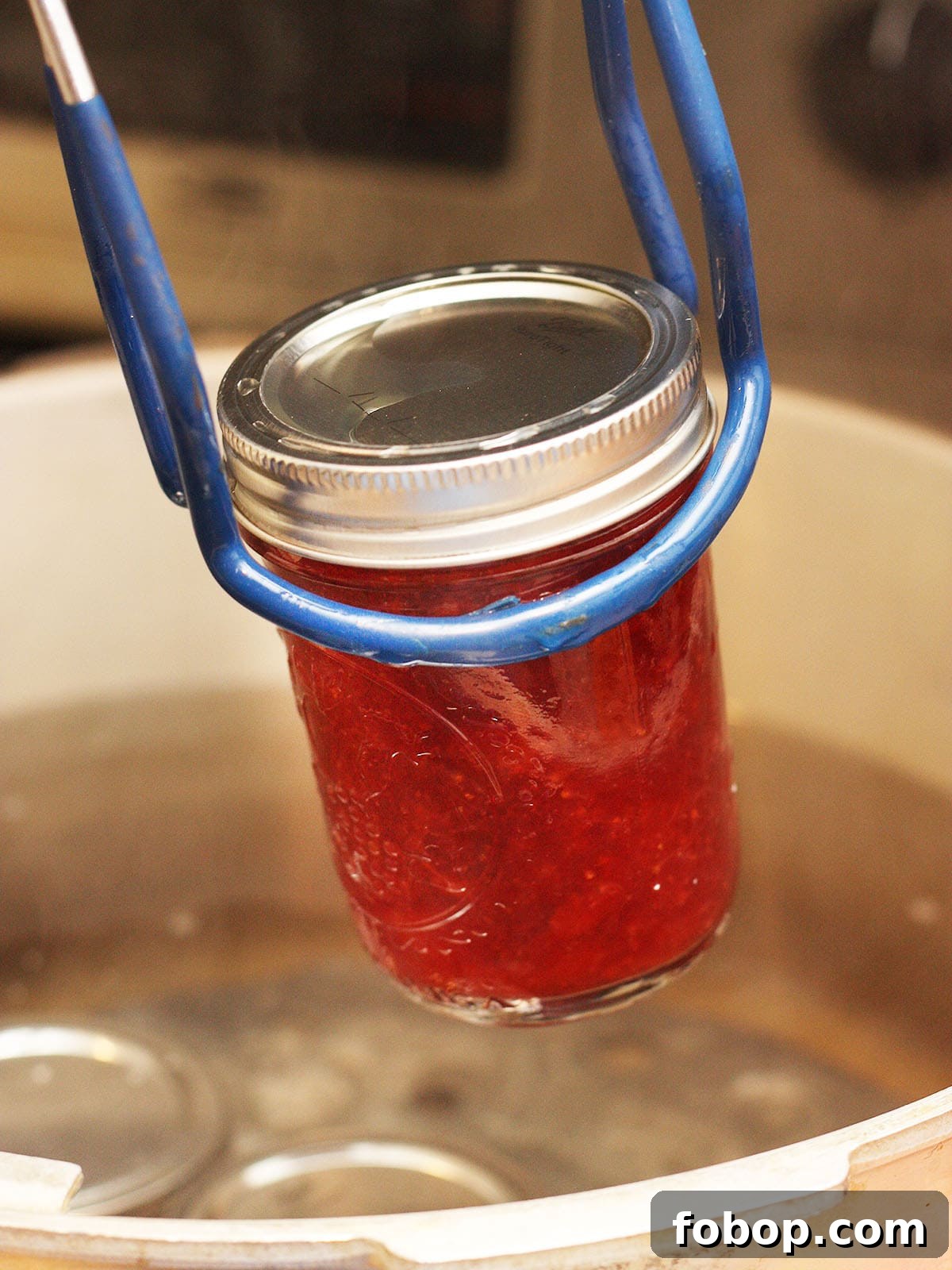
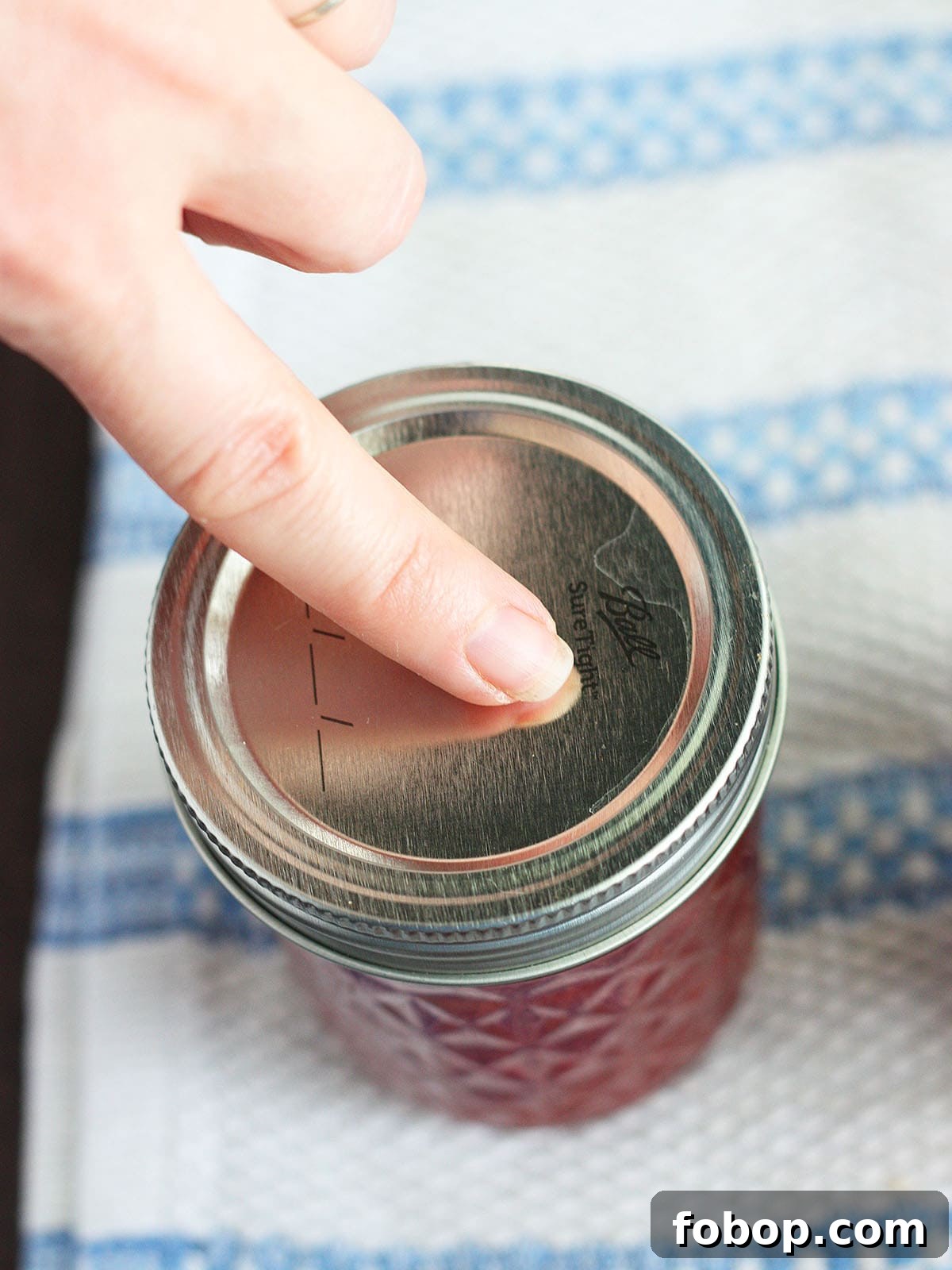
Tips to ensure a good seal
When processing time is complete, turn off the heat, remove the canner lid, and let jars sit in the hot water for about five minutes. Then lift jars out with a jar lifter and set them on a towel to cool undisturbed. Seals often form within a few hours but can take up to 24 hours. Once a proper vacuum seal is confirmed (the center of the lid is concave and does not flex), remove the bands before storing. Store sealed jars in a cool, dry, dark place.
Storage and shelf life
Store canned goods in a cool, dry location away from direct sunlight. Properly processed and sealed jars can remain safe for years, but flavor and texture are best within 12–18 months. Always inspect jars before use: check for bulging lids, leakage, off-odors, or visible spoilage and discard any suspect jars.
Common questions
It depends on the food. Jams and jellies can often be reprocessed if you catch them within 24 hours. Other foods, especially pickled or textured items, may suffer quality loss if reprocessed and are better refrigerated and consumed soon.
Older methods like open-kettle canning or inverting jars can produce a seal but do not guarantee that harmful bacteria are destroyed. Only properly processing jars in a water bath or pressure canner according to tested recipes will ensure safety. Avoid alternative heat sources like microwaves, ovens, dishwashers or direct sunlight for processing jars.
Using hot tap water to start the canner speeds heating and reduces thermal shock risk for jars. The water should be hot but not boiling when you place jars in the canner.
Yes. If you can’t process immediately, store filled, unsealed jars in the refrigerator and process them within a few days. Bring jars to room temperature before processing to reduce the risk of breakage.
A rack is recommended. It prevents direct contact with the stove’s heat, helps water circulate evenly, and reduces the chance of jars breaking or chipping during boiling.
Recommended resources
- Food in Jars — a practical resource for small-batch preserving and recipes.
- Ball Book of Canning and Preserving — a comprehensive reference for safe canning practices and tested recipes.
- PickYourOwn.org — detailed guidance and charts often used by home canners for reference.
Watch video
Water bath canning recipes
- Garden fresh salsa
- Homemade blueberry pie filling
- Homemade strawberry jam
- Plum jelly
- Strawberry fig preserves
- Spicy pickled okra
- How to can diced tomatoes
- More canning recipes and ideas