It’s been nearly ten years since I first connected with Claire, the gifted author behind the influential natural foods blog Clea Cuisine. Over that time our relationship has grown into a genuine and meaningful friendship.
Clea is one of those rare people who project a quiet confidence and serenity, unshaken by passing trends or the noise of the world. She follows her own taste and instincts, and that authenticity has earned her a devoted audience. As one of the earliest voices in France to write about ingredients like agar agar, rice flour, and almond butter, she has helped reshape how many readers cook and eat.
So when she proposed a culinary exchange between our blogs — each of us choosing three recipes from the other, mixing them up, and creating something new — I agreed immediately. I enjoyed diving into Clea’s archives and chose her Cream of carrot with white miso and ginger, her Chocolate and ginger pudding with agar agar, and her Ultimate lemon tart.
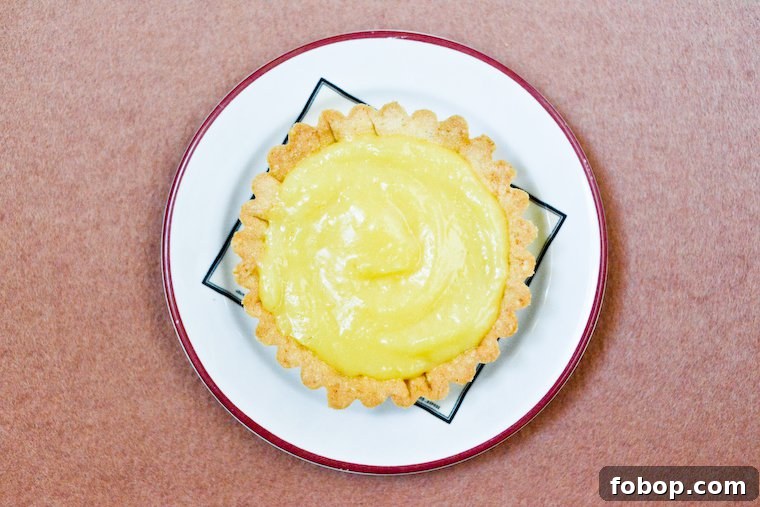
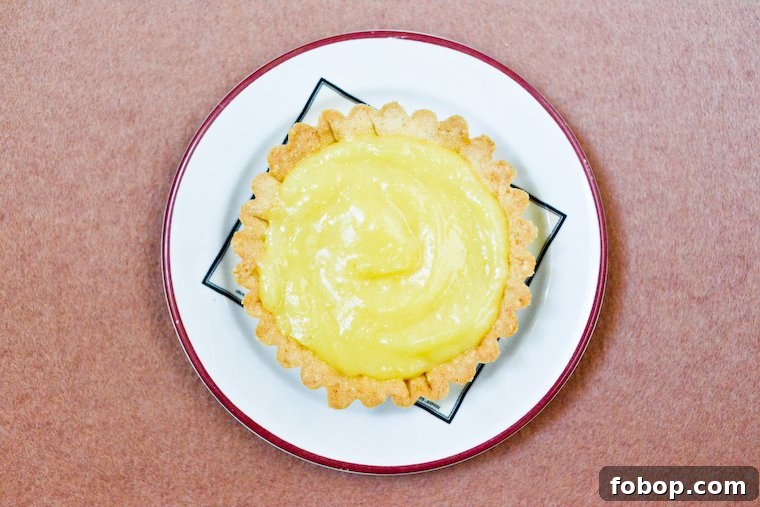
I share Clea’s preference for a very tangy lemon tart — not overly sweet — and I think the recipe below strikes the right balance.
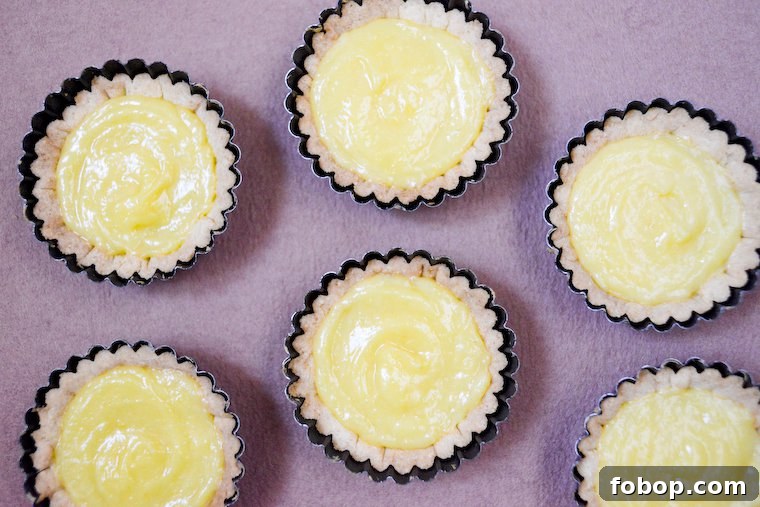
At first I imagined a lemon tart infused with ginger and white miso — white miso can add an intriguing savory depth to desserts — but early trials showed miso didn’t belong in this version, so I pivoted. The final result was a batch of lemon ginger tartlets that delighted everyone who tasted them.
Lemon and ginger are a proven pairing; to Clea’s lemon curd I simply added finely grated fresh ginger. The result is a vivid, slightly tart lemon ginger curd that works perfectly in these tartlets but is versatile enough to be used on brioche, stirred into yogurt, spread on crêpes, or eaten straight from a spoon.
For the crust I used the pâte sucrée recipe popularized by pastry chef Jacques Genin. It’s straightforward to make, easy to handle, and bakes into a crisp, delicate shell that forms a lovely contrast with the silky curd.
If you’d like to see what idea my archives inspired in Clea, you can find her version of the swap on her blog about Pasta with almond-zucchini gremolata and roasted onions.
Join the conversation!
Do you know people like Clea who inspire you with their poise and taste? How do you prefer your lemon tarts — tangy, sweet, or topped with meringue?

Have you tried this? Share your pics on Instagram!
Please tag your pictures with #cnzrecipes. I’ll share my favorites!
Prep Time: 40 minutes
Cook Time: 30 minutes
Total Time: 8 hours, 30 minutes
Makes six 10- to 12-cm (4- to 4 3/4-inch) tartlets.
Ingredients
- 175 grams (3/4 cup) unsalted butter, at room temperature, plus more for greasing
- 125 grams (1/2 cup + 2 tablespoons) unrefined cane sugar
- 60 grams (2/3 cup) almond flour (almond meal or ground almonds)
- 2 large organic eggs, at room temperature
- 1 large organic egg yolk, at room temperature
- 1/4 teaspoon fine sea salt
- 310 grams (2 1/3 cups) all-purpose flour, plus more for dusting
- 4 organic lemons
- 30 grams (1 ounce) fresh ginger, peeled and very finely grated
- 125 grams (1/2 cup + 2 tablespoons) unrefined cane sugar
- 1 tablespoon corn starch, combined with 1 tablespoon water (slurry)
- 3 large organic eggs
Instructions
- In a large bowl, combine the butter, sugar, and almond flour. Rub the butter into the dry ingredients with a flexible spatula until the mixture is even and sandy.
- Beat in the eggs and yolk until incorporated.
- Fold in the flour and salt just until no trace of flour remains. Do not overwork the dough.
- Turn the dough onto the counter and knead gently a few times so it comes together into a ball.
- Divide in two. Wrap one half tightly and store in the refrigerator or freezer for another time. Place the other half on a plate, cover, and refrigerate for at least 2 hours or overnight.
- Divide the dough into six equal pieces; each piece should weigh about 65 grams (2 1/3 ounces) if you use a scale.
- Have six tartlet molds ready, 10 to 12 cm (4 to 4 3/4 inches) in diameter. Grease them with butter if they are not non-stick.
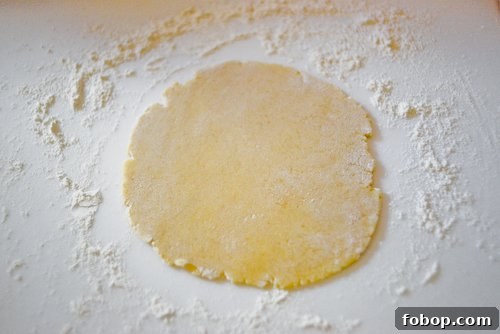
- Working with each piece in turn, roll it into a thin round large enough to line a mold, keeping the surface and rolling pin lightly floured.
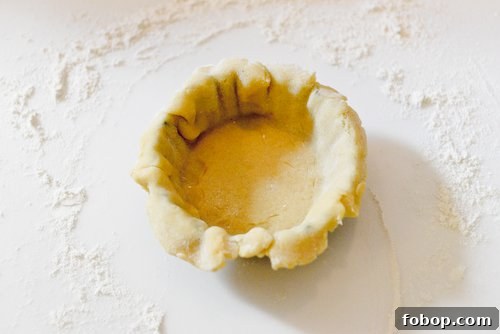
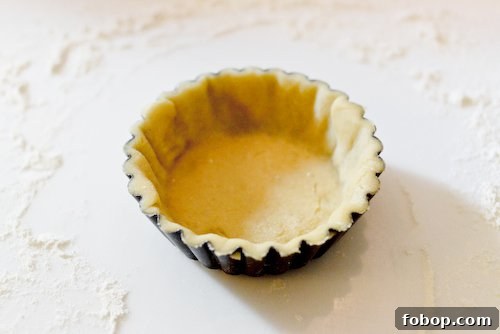
- Brush off excess flour with a pastry brush and fit the dough snugly into the mold, allowing excess to hang over the edges.
- Roll the pin across the edge to trim the excess dough (save scraps for cookies), press the sides to secure the dough, and return the molds to the refrigerator for at least 1 hour.
- Preheat the oven to 160°C (325°F). Bake the tartlets for 20 to 25 minutes until golden brown. Cool completely on a rack while you prepare the curd.
- Zest two lemons into a medium saucepan and juice all four lemons to yield about 150 ml (1/2 cup plus 2 tablespoons) of juice. Add the grated ginger, sugar, and cornstarch slurry.
- Warm the mixture over low heat, stirring regularly until the sugar dissolves.
- Beat the eggs in a separate bowl and whisk in the warmed lemon-ginger mixture.
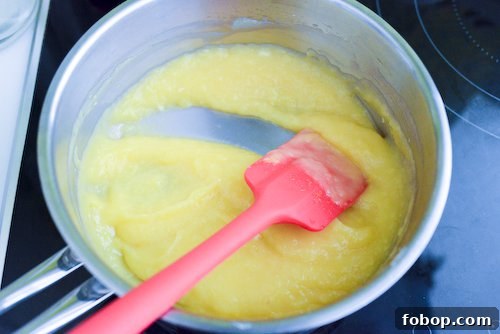
- Return the mixture to the pan and cook over medium-low heat, stirring constantly in a figure-eight motion until the curd thickens and leaves a clear trail on the spatula.
- Divide the curd among the six tartlet shells and smooth the tops with a spatula.
- Refrigerate for at least 4 hours and up to 8 hours to set. Remove from the fridge 15 minutes before serving. Best eaten the day they are made, though leftovers keep well for a couple of days.
Notes
- If you don’t have tartlet molds, use the same recipe to make a single tart 25 to 28 cm (10 to 11 inches) in diameter.
- This is a make-ahead recipe; start early in the day if you plan to serve the tartlets in the evening. For lunch service, make the dough and line the molds the day before, then bake and fill the morning of.
- The pâte sucrée is suitable for other sweet tarts with fruit, nuts, or chocolate.
- The lemon ginger curd can be used on toast or brioche, to fill a cake roll, or as a filling for a yogurt cake.
- To make the recipe nut-free, substitute a pâte sablée in place of the pâte sucrée.