
As coaches, we frequently hear clients say they didn’t meet their daily macro goals because they weren’t hungry. It’s important to understand why eating all your macros every day matters, even when appetite is low.
Stress can both suppress and increase appetite, disrupting normal hunger signals.
Distraction has the same effect. When life gets busy, it’s easy to lose track of time and miss hunger cues. For me, that often happens in the afternoon while caring for two boys and a baby—I’ll feel slightly hungry and plan to eat after I complete a few tasks. Those tasks multiply, hours pass, and I haven’t eaten since lunch.

If we repeatedly extend the time between meals and snacks, our metabolism can downregulate—it slows.
For fat loss and body composition goals, that is not what we want. We want an efficient metabolism that uses the food we give it.
This metabolic slowdown reduces hunger signals. So even when appetite is low, it’s essential to prioritize consistent nutrition. Waking up your metabolism and getting your body used to regular fuel will help hunger cues return.
Think of your metabolism like a bonfire: to keep it burning you must add logs regularly. If you stop feeding it, the flames die and only smoldering coals remain. The same happens when you go long periods without eating or skip meals—your metabolism slows and your hunger signals weaken.
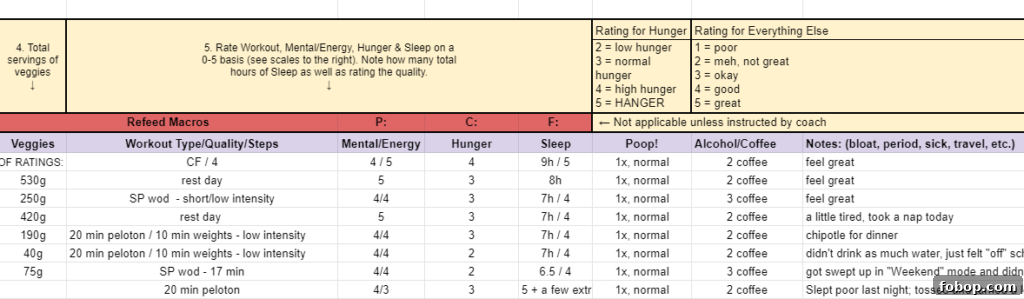
As coaches focused on your progress, we emphasize consuming your full macros each day, even when you feel little hunger. It’s also vital to log daily notes in your tracker—stress level, missed meals, and hunger patterns. These details help your coach make informed adjustments and offer better guidance. Tracking also gives you a chance to reflect: did you end the day with leftover macros because you truly weren’t hungry, or because a busy or stressful day led to missed meals?
Tips for getting meals in when you’re busy or off-schedule (weekends, errands, etc.)
- Set alarms on your phone and eat at predetermined intervals.
- Keep weekend meal and snack times similar to your weekday routine.
- When you’ll be out running errands, pack a lunch bag with snacks, a sandwich, a protein shake, and sliced fruit.
Skipping meals often leaves you with too many macros to consume at the end of the day, which can feel overwhelming.
What to do when you have many macros left at the end of the day:
- Finish the day with calorie-dense choices.
- Carbohydrates: juice, dried fruit, cereal, granola, gummy candies, or toast.
- Fats: olives, or add coconut oil to a warm cup of tea.
- Carb + Fat combos: chocolate, peanut butter cups, buttered toast, banana with peanut butter.
Protein options include deli meat, a protein shake, string cheese, or Babybel cheese.
The only reliable way to regulate hunger and fullness cues is to eat consistently. It may feel mechanical at first, but regular meal timing will improve appetite control over time.
Interested in macro nutrition coaching? Learn more about our program and get registered today!