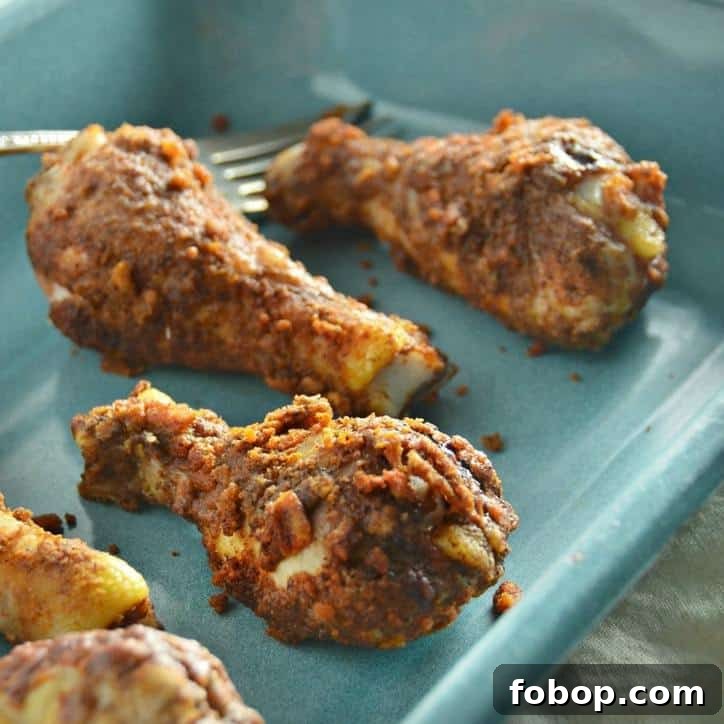
Admit it — you love fried chicken, fried green tomatoes and chicken fried steak. But you rarely make them at home because the breading always slips off in the pan, leaving your dish sad and bare. That ends today. Read on for the reliable secret to breading that actually sticks.
If you’ve ever planned a special meal only to find the tasty coating at the bottom of the pan, you’re not alone. That frustration is exactly why many recipes suggest oven-baking instead of frying. But you don’t have to give up on pan-fried perfection — there are a few simple steps that will keep the breading firmly attached every time.
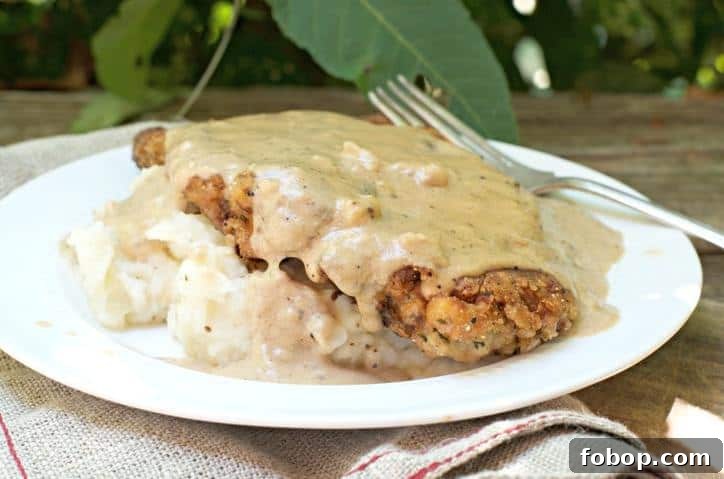
MY BREADING WON’T STICK — I NEED THE SECRET TO BREADING THAT STICKS
If your breading won’t adhere, it’s almost always because the surface was too wet. As the piece starts to cook, moisture turns to steam and pushes the breading away. That’s why you see coating in the bottom of the pan.
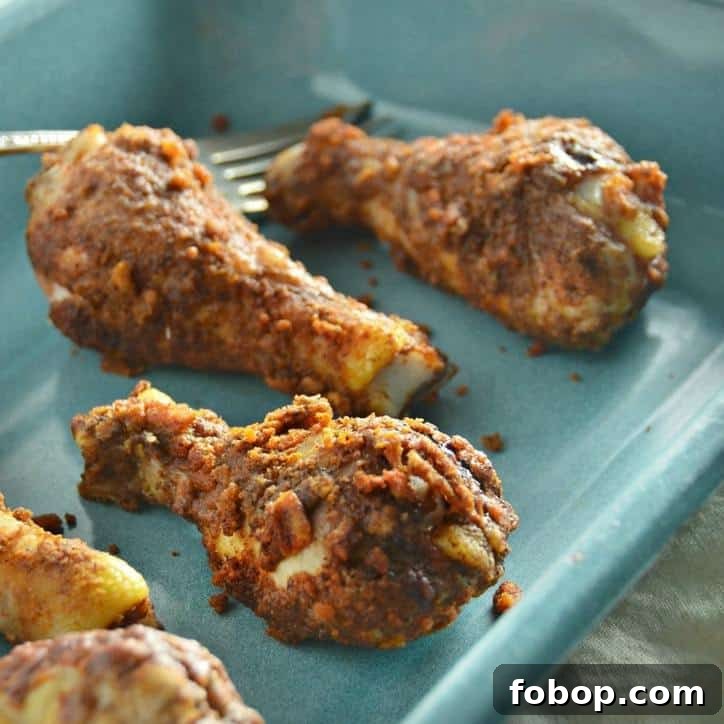

HOW DO I GET THE BREADING TO STICK TO THE MEAT?
There are a few approaches, but the method I recommend is simple and dependable. Follow these steps and your breading will cling every time.
- Start with a dry surface. Whether or not you brined the meat, it must be dry before breading.
- If you brined the meat, remove it from the brine at least an hour before cooking and let it air-dry on a rack over a sheet pan. Placing it uncovered in the refrigerator speeds the drying process, if you prefer.
- If you didn’t brine, take the meat from the package, sprinkle lightly with kosher salt and let it rest on a rack over a sheet pan to dry.
- Pat the piece dry with several layers of paper towels and press lightly to remove trapped moisture. Many grocery-sold cuts are pumped with added water; thorough drying reduces steam and helps the coating adhere.
- Score meat lightly with a knife to help the coating grip (skip this step for tomatoes).
-
Use a three-part breading process
- First: a light coat of plain flour only.
- Second: an egg and milk wash.
- Third: a seasoned flour and cornmeal mixture.
- Work in that exact order and do not bread pieces until you’re ready to fry. Position your breading station close to the stove to avoid mess and delays.
- Use containers large enough to comfortably coat each piece; shallow 9×9 pans work well. Leave room to pat the final coating onto the meat so it adheres firmly.
That’s the core of it: dry meat and a three-step breading.
If you want tips on frying for perfect color and crispness, or ways to keep the coating crisp until every piece is finished, explore the frying notes and technique sections below or consult more detailed posts about chicken fried steak.
Below is a reliable basic recipe for a breading station that works for chicken, beef or pork.

THE RECIPE FOR BREADING THAT STICKS

THE SECRET TO BREADING THAT STICKS TO MEAT
Ingredients
- ½ cup all purpose flour
- 2 large eggs – beaten
- ½ cup whole milk
- ½ cup all purpose flour
- 2 tbs cornmeal
- 1 teaspoon garlic powder
- 1 teaspoon onion powder
- 1 teaspoon paprika
- 1 tbs dried parsley
- ½ teaspoon chili powder
- 1 teaspoon black pepper
Instructions
-
Set up three dishes for a breading station that are large enough to accommodate the pieces of meat and ingredients.
-
Dish one: place ½ cup all-purpose flour.
-
Dish two: beat 2 large eggs with ½ cup whole milk.
-
Dish three: combine ½ cup all-purpose flour, 2 Tbsp cornmeal, garlic powder, onion powder, paprika, parsley, ½ tsp chili powder, 1 tsp salt and 1 tsp black pepper.
-
When the oil is hot and ready, pat the meat one final time to remove any remaining moisture. Dredge in the plain flour, then immediately dip in the egg and milk mixture. Transfer to the seasoned flour mix and pat the coating onto the meat to ensure it adheres.
-
Fry according to your preferred method and cook times for the cut you are using.
Notes
The seasoned flour may seem heavily spiced — that’s intentional. A generous seasoning balance ensures the final crust has noticeable flavor.
Nutrition
A VERSE TO SHARE
Some things have been on my mind lately. While researching, I came across an old Billy Graham video that expressed concerns relevant to its time. Replace a few specifics with current worries — geopolitical tension, national leadership, racial conflict and public demonstrations — and the message still resonates. I encourage you to reflect on it.
You get the idea.
Anyway, I’ll leave you with that thought.