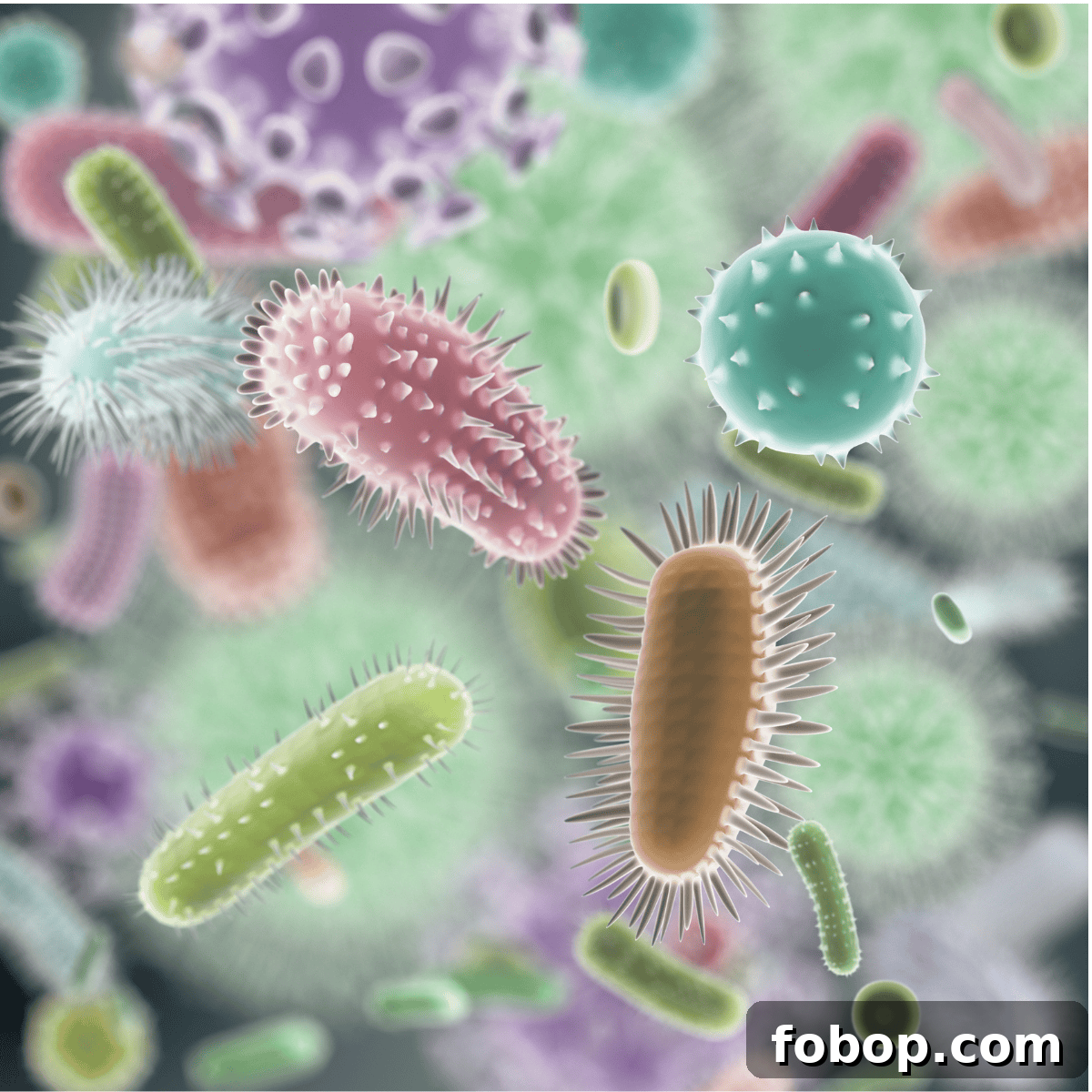
When you’re exploring natural ways to support your child’s health, probiotics are worth considering. While science is still uncovering the full picture of the gut microbiome and how probiotic supplements affect it, there’s growing evidence that certain strains can offer benefits in specific situations.
They’re not miracle cures, but many families find them helpful. Below is a practical, research-informed overview to help you decide whether probiotics are right for your baby or toddler.
Everything you need to know about probiotics for babies and toddlers
Here’s the bird’s-eye view
Our gastrointestinal tract hosts hundreds of trillions of bacteria from hundreds of species. Most are neutral, but some — called probiotics — can support health. Potential benefits of helpful bacteria include:
- Limiting growth of harmful bacteria
- Assisting digestion
- Supporting the immune system
- Potentially shortening the duration of some illnesses
- Helping maintain regular gut function
Probiotics are present in foods (yogurt, kefir, cottage cheese, sourdough and other fermented foods) and in supplement form. Fermented foods are great to include in kids’ diets but aren’t intended as medical treatments. Certain probiotic supplements, however, do show evidence for specific medical uses — and the effects depend on the strain and dosage.
Limitations on probiotics for toddlers and babies
Research on probiotics in infants and toddlers is growing but still limited. High-quality, large-scale randomized controlled trials are relatively few, so many findings come from smaller or observational studies that are harder to generalize. Because supplements are not tightly regulated, product claims can be misleading; it’s best to rely on clinical studies rather than marketing.
A few things we do know
Probiotics are not medicines and won’t cure diseases, but they can be supportive. They may help shorten the duration of some illnesses, aid gut recovery after illness, and contribute to overall gut health. The gut microbiome is complex, and many factors influence it; science is still mapping how probiotics fit into the bigger picture.
Probiotics for babies
Evidence for infants is sparse compared with adults. Probiotics are generally not recommended for preterm infants, but many strains are considered safe for healthy, full-term infants. Many products are not suited to babies under six months, and you should always check with your pediatrician before starting any supplement.
Some studies suggest that supplementing a specific strain, Bifidobacterium infantis (B. infantis), in early infancy can help establish beneficial gut colonization when combined with breastfeeding, with effects observed up to a year later. While promising, more research is needed to confirm long-term outcomes.
Probiotics for toddlers
Probiotics are generally regarded as safe for toddlers, but evidence for specific benefits is still limited. Research indicates possible benefits for conditions like eczema, but effects depend on the probiotic strain. If you’re considering probiotics for a particular issue, choose a product with clinical support for that condition.
Potential benefits of probiotic supplements
Probiotics for common infectious diseases
Probiotics are sometimes used to support the immune system during common viral illnesses like colds and upper respiratory infections. They’re not a substitute for medical care or symptom-relief medications, but many parents use certain immune-supportive probiotics alongside standard care to possibly reduce illness duration.
Probiotics for colic
Colic involves prolonged, often inconsolable crying in otherwise healthy infants. Several studies explore probiotics for colic, including randomized trials of Lactobacillus reuteri (L. reuteri). Some trials report reduced crying time, particularly in breastfed infants whose mothers avoided cow’s milk. Results are promising but not definitive for all infants, so discuss options with your pediatrician.
Probiotics for diarrhea
Diarrhea in children can result from illness, food reactions, or antibiotic use. Antibiotics can disrupt the gut microbiome, and research suggests coadministering probiotics with antibiotics may reduce the risk of antibiotic-associated diarrhea. Probiotics that have evidence for this use can be considered when children need antibiotics, again with pediatric guidance.
Probiotics for constipation
Probiotics can help relieve constipation in children as part of a broader strategy. A food-first approach is important: ensure adequate water and fiber intake alongside any supplement. Several strains show potential benefit for childhood constipation, including L. reuteri, L. rhamnosus, L. acidophilus, B. lactis, and B. breve. Combining dietary changes with an appropriate probiotic may provide the best results.
Prebiotics and constipation
Prebiotics — nondigestible fibers that feed beneficial bacteria — can enhance probiotic effectiveness and may help with constipation. They are worth considering alongside probiotics and dietary adjustments.
Probiotics for eczema / atopic dermatitis
Some studies suggest probiotic supplementation may reduce eczema severity in children. While evidence is not yet robust across all populations, probiotics could be one part of an overall management plan for eczema. Always consult your child’s healthcare provider before starting a new supplement.
Additional resources on probiotics for babies and toddlers
Resources that summarize evidence by condition and strain can be helpful when selecting a probiotic. Look for sources that list the probiotic strain, recommended products based on clinical studies, and the strength of the evidence. As research advances, recommendations may change, so stay updated and consult your pediatrician with any questions.
I hope this overview helps you make informed choices about probiotics for your family. When in doubt, discuss options with your child’s healthcare provider to choose the safest and most evidence-aligned approach.
Have a picky toddler in your house?