I’m back with a recap of the press trip I attended last week in California, hosted by The Alliance for Food and Farming.
Many thanks to the Alliance for Food and Farming for inviting me, sponsoring this post-event recap, and covering my travel expenses.
It had been a while since I went on a press trip — I don’t accept many anymore because I try not to be away from my little one too often — but the combination of California plus the theme of this trip, “Facts not Fears,” made it worth the trip.
The Alliance for Food and Farming (AFF) is a non-profit formed in 1989 that represents both organic and conventional fruit and vegetable growers of all sizes. Their mission is to provide credible, science-based information about the safety of produce, and this press trip was part of that effort.
Below are the key takeaways from the trip along with a few highlights from the food and activities I enjoyed with the other registered dietitians in attendance.
- Seeing farms up close
One full day of the trip was devoted to touring farms. We started in strawberry fields, where we sampled berries fresh from the plants. Strawberries are hand planted, hand weeded and hand harvested. They’re grown on raised beds to manage moisture, but harvesting still requires a lot of bending and hard work.
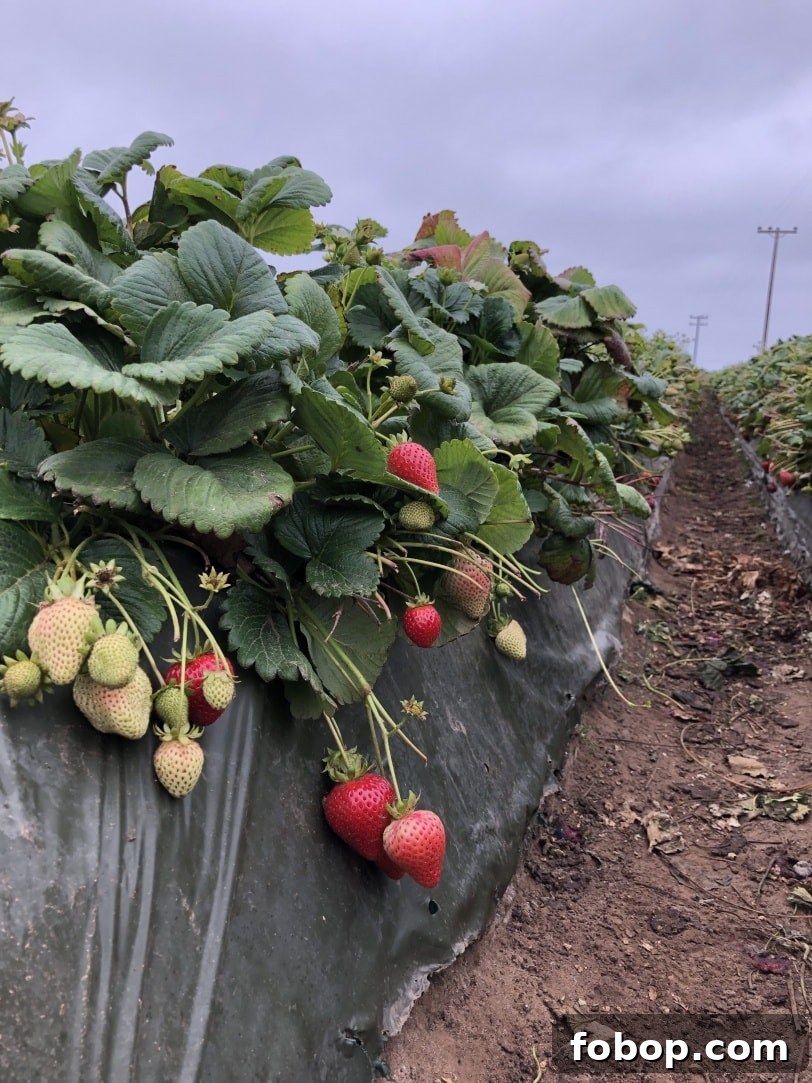
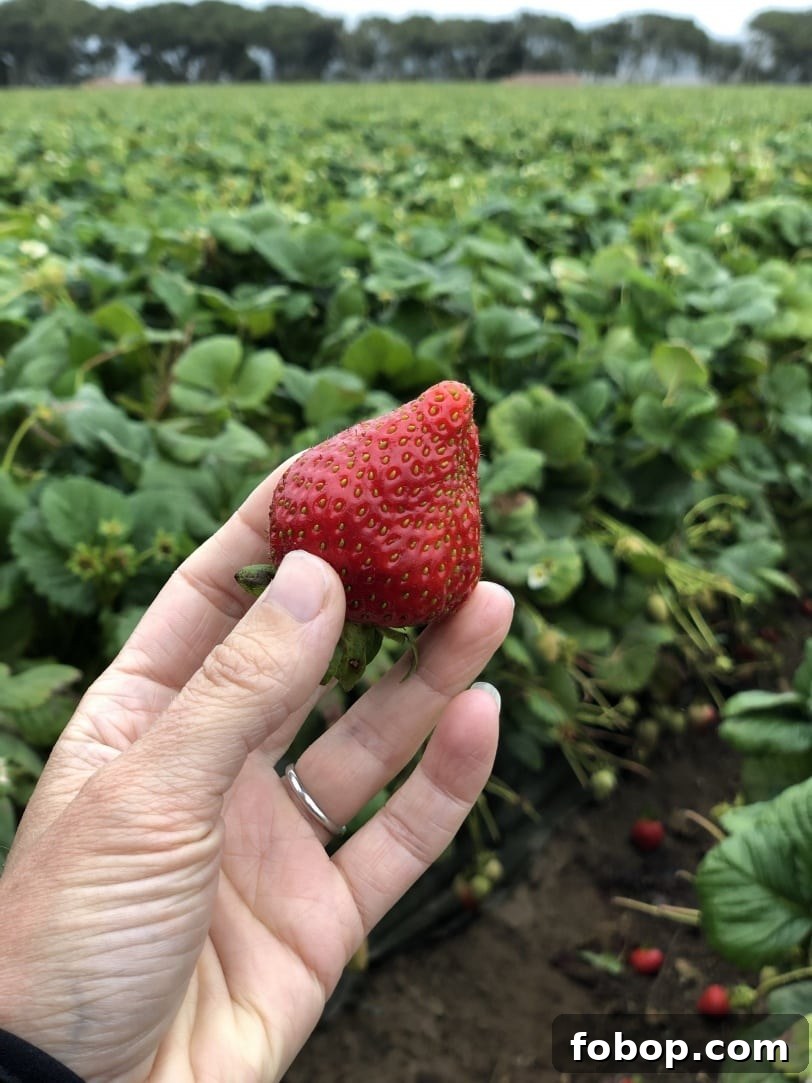
Strawberry plants produce fruit continuously throughout the season and are typically harvested every three days during peak season. The very large berries you sometimes see early in the season aren’t genetically modified — they’re simply the first, more vigorous fruits of the year.
Tips for enjoying strawberries at home:
- Don’t wash strawberries until you’re ready to eat them. Refrigerate unwashed berries and only rinse what you will eat right away; washing them before storing can speed spoilage.
- For the best flavor, bring strawberries to room temperature about 30 minutes before eating.
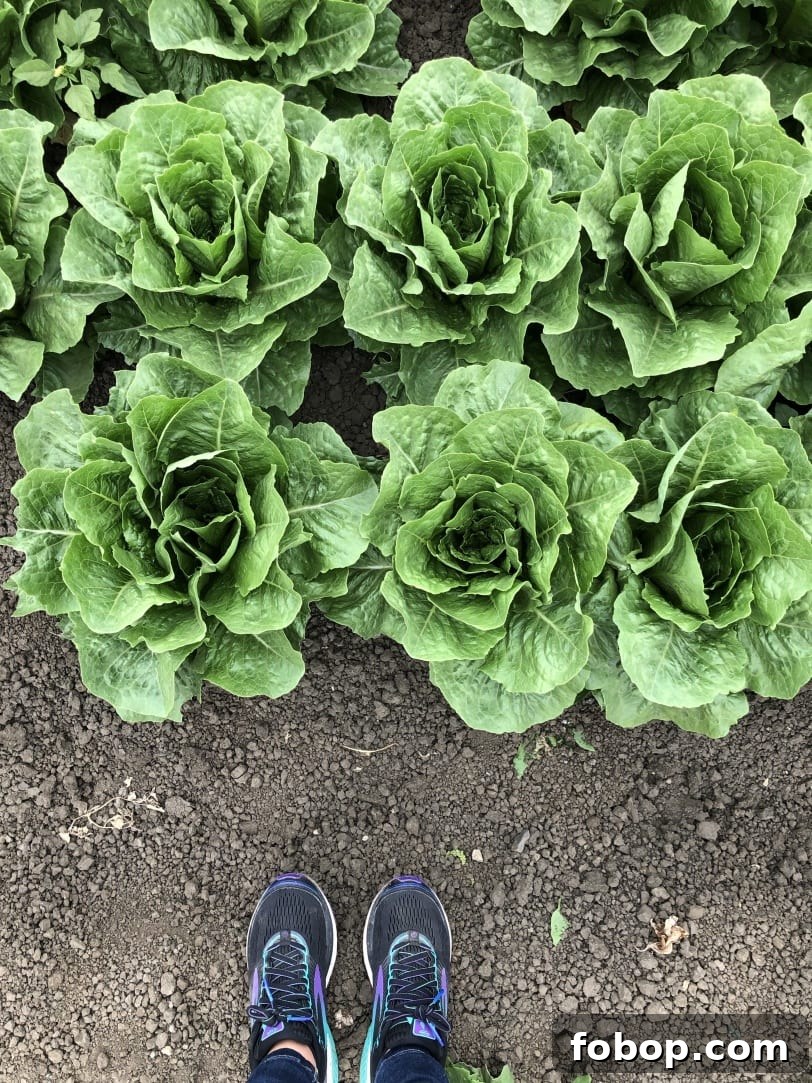
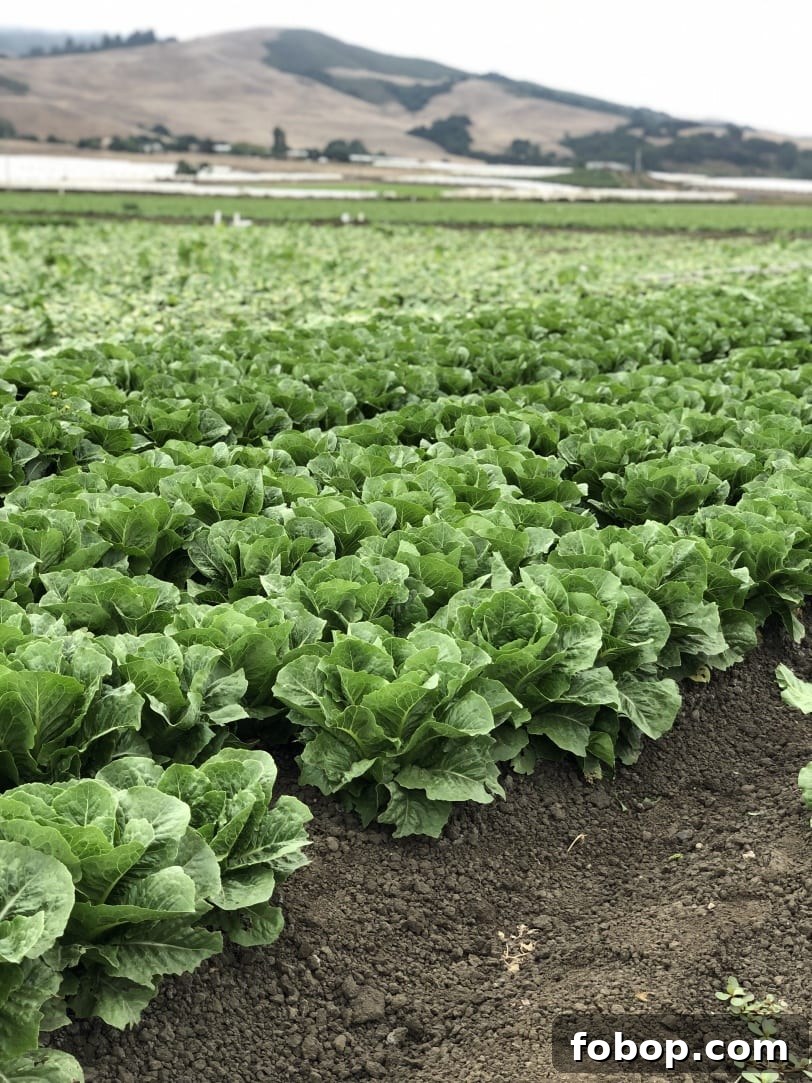
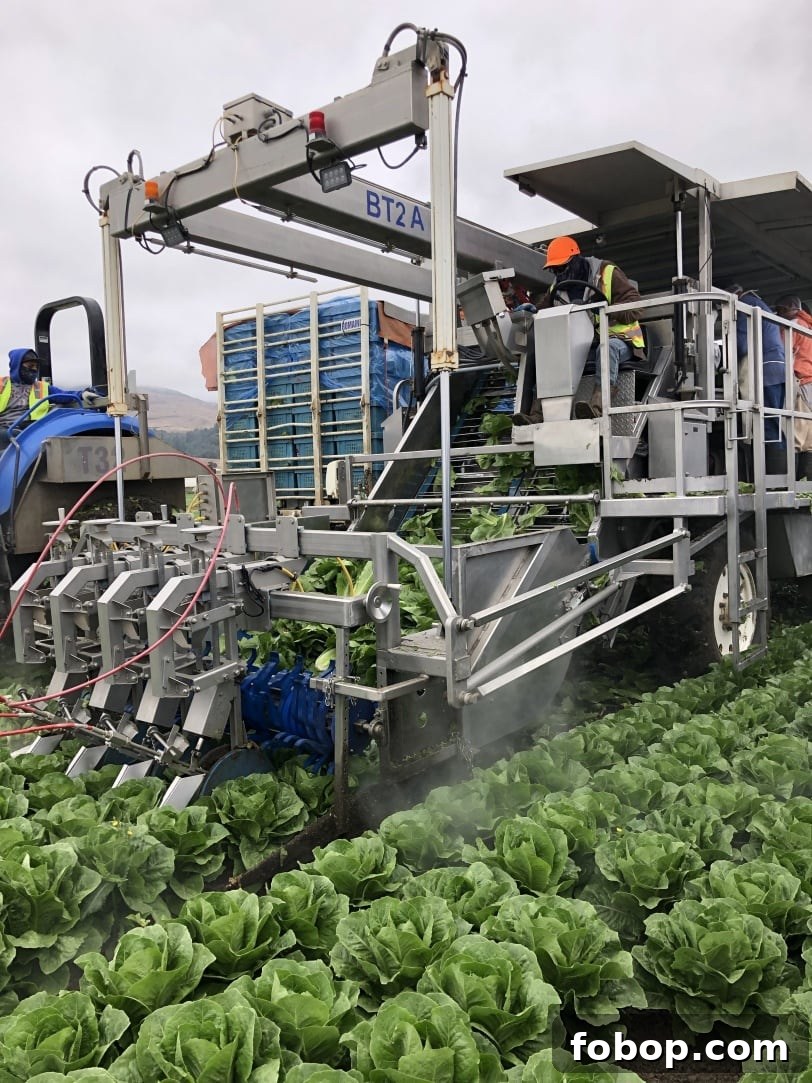
We also toured romaine fields and saw harvest machinery in action. The harvester uses jets of water to cut the romaine, and workers sort the heads on board — an efficient system that pairs machinery with manual sorting.
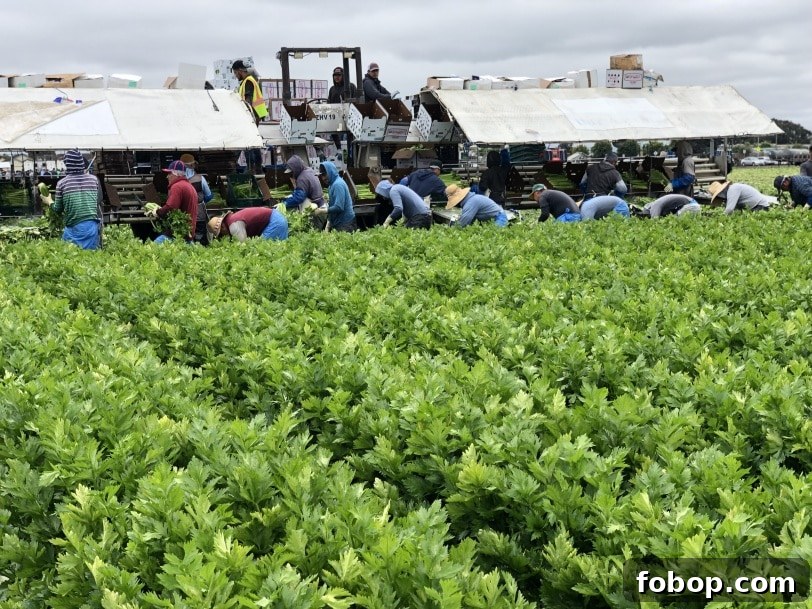
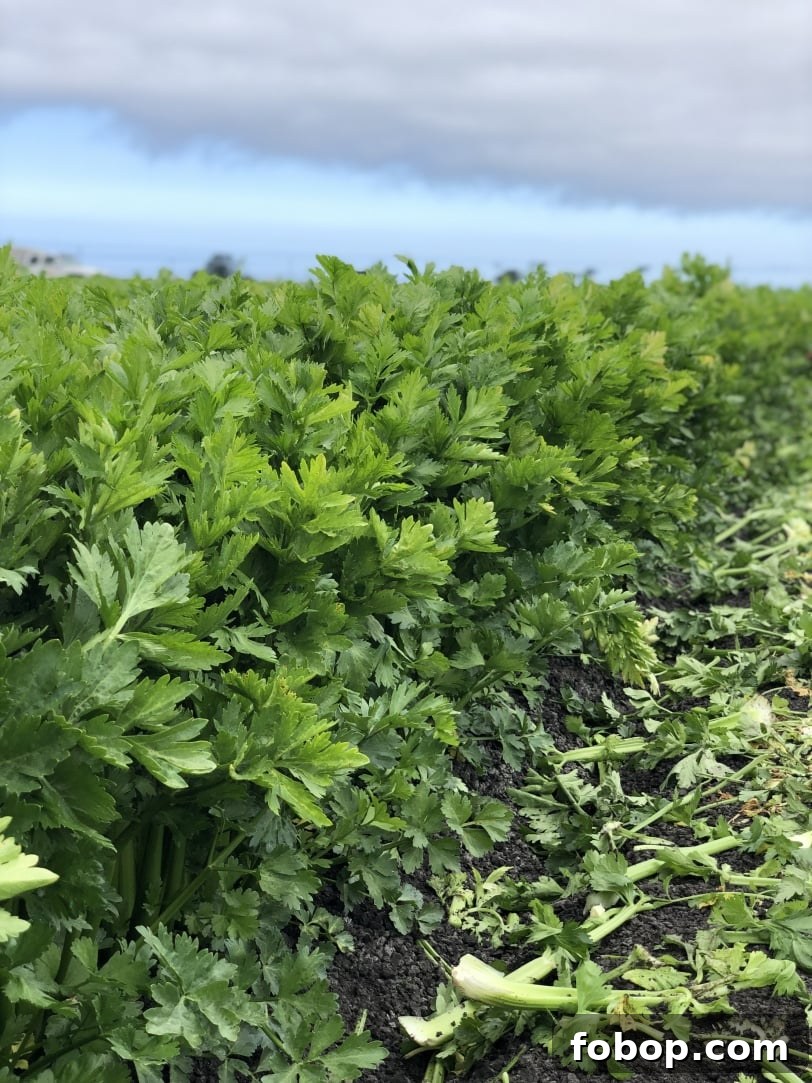
Next we visited a celery field. The aroma in the field was wonderful, and I was impressed by how skilled the harvest crews are. They use a curved blade that lets them dig up and cut the celery quickly and consistently. The farmer said his crews can harvest and size celery so reliably it’s almost like they could do it blindfolded.
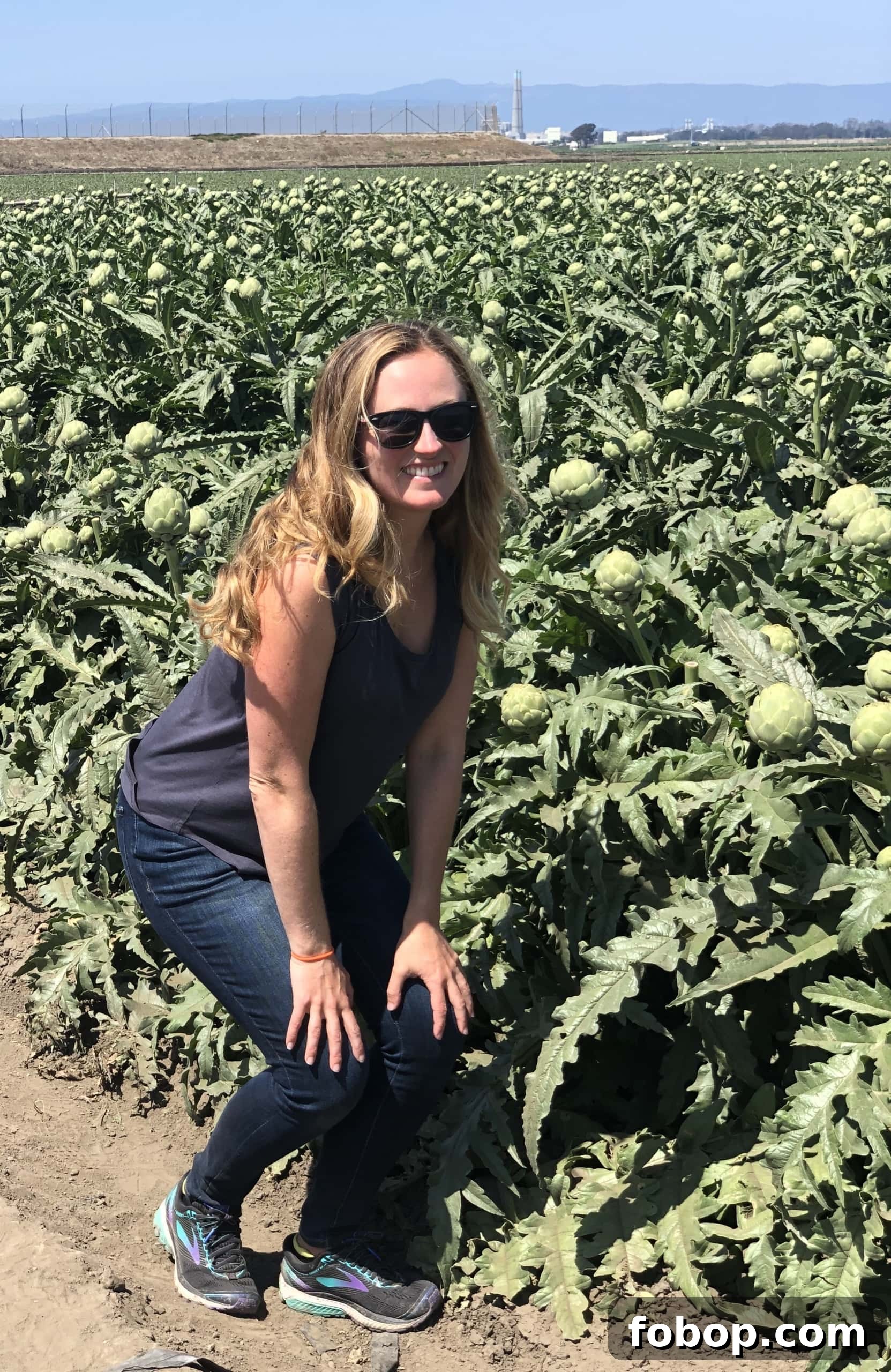
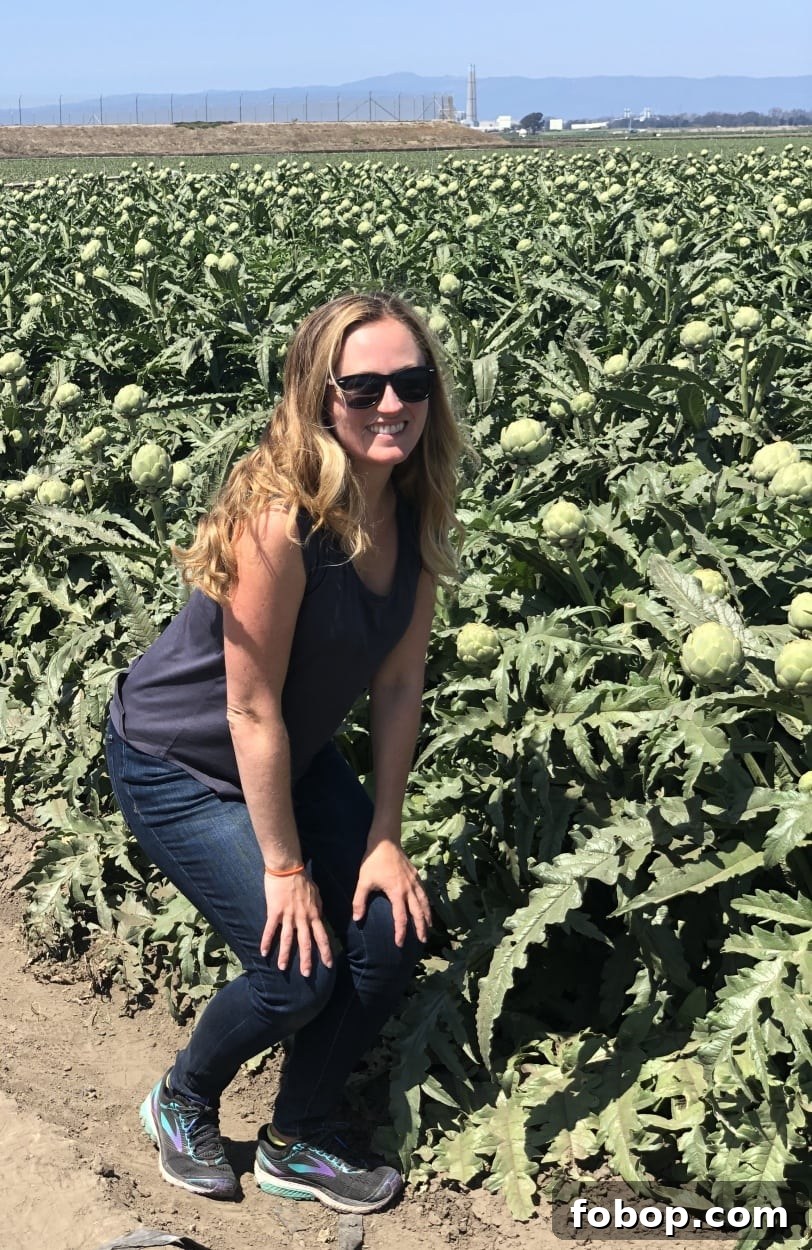
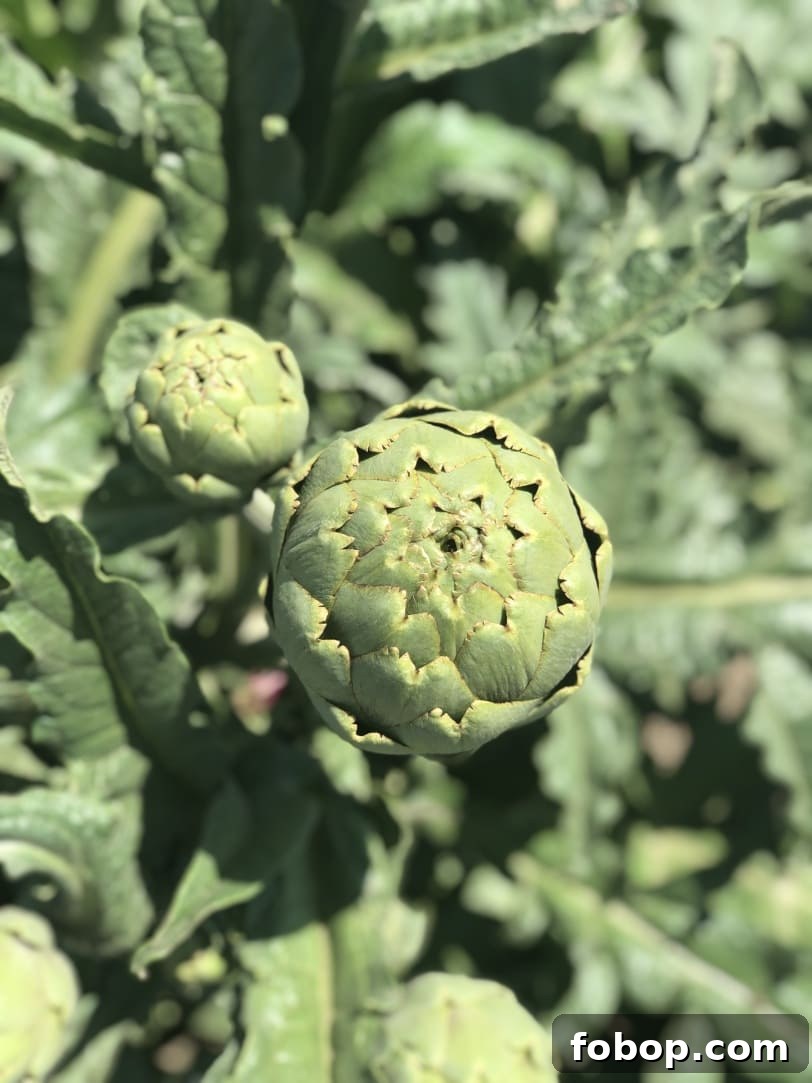
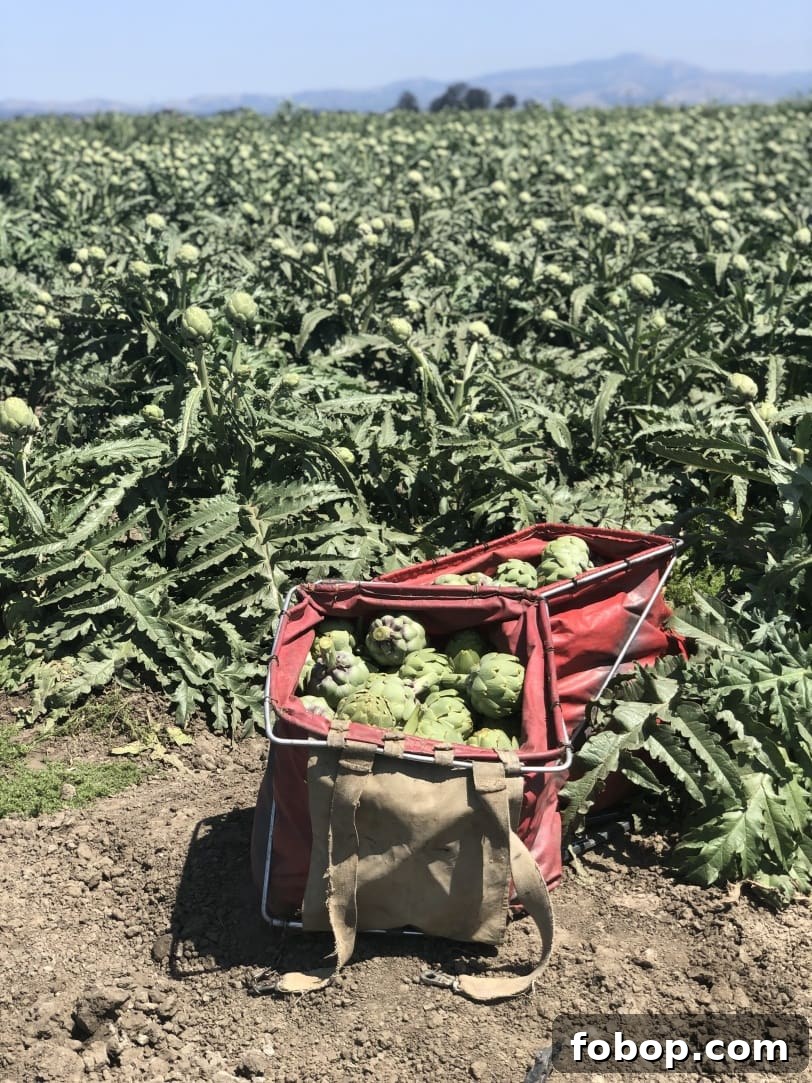
My favorite field was the artichoke patch. I’d never seen artichokes growing before — they’re striking plants. Harvest workers toss artichokes into packs that can weigh up to 70 pounds when full and may walk several miles a day during peak harvest. It’s hard, physical work and I left with new respect for these crews.
- Round table discussion with experts
On Wednesday morning we participated in a three-hour round table with experts from across the food and farming industries. One important point: food waste is a much larger problem in homes than on farms. Research suggests a significant portion of U.S. food waste occurs at the consumer level, so reducing household waste is crucial.
On farms, continued efforts are made to use as much of the harvest as possible. Leftover produce often becomes animal feed or is tilled back into the soil to improve fertility. Many packaged-food innovations also arise from a desire to reduce waste — for example, frozen products or cauliflower rice, which originated from utilizing small pieces left from processing.
We also discussed the impact of fear-based messaging about produce safety. Evidence shows that messages emphasizing fear can confuse consumers and may lead to reduced purchase of fruits and vegetables overall, both organic and conventional. This is concerning because most Americans already fall short of recommended fruit and vegetable intake.
Dr. Carl Winter from UC Davis, who has spent decades researching pesticide residues and naturally occurring toxins, explained that choosing organic produce can reduce pesticide exposure slightly, but the overall consumer risk from pesticide residues on conventional produce is typically far below levels known to cause harm. Washing fresh produce under running water often reduces or eliminates residues, so simple cleaning is an effective safeguard.
I buy organic where possible because supporting organic farming matters to me for reasons including animal welfare and land management. But when organic isn’t available or affordable, eating conventionally grown fruits and vegetables is still far better than skipping them.
- Time with fellow dietitians
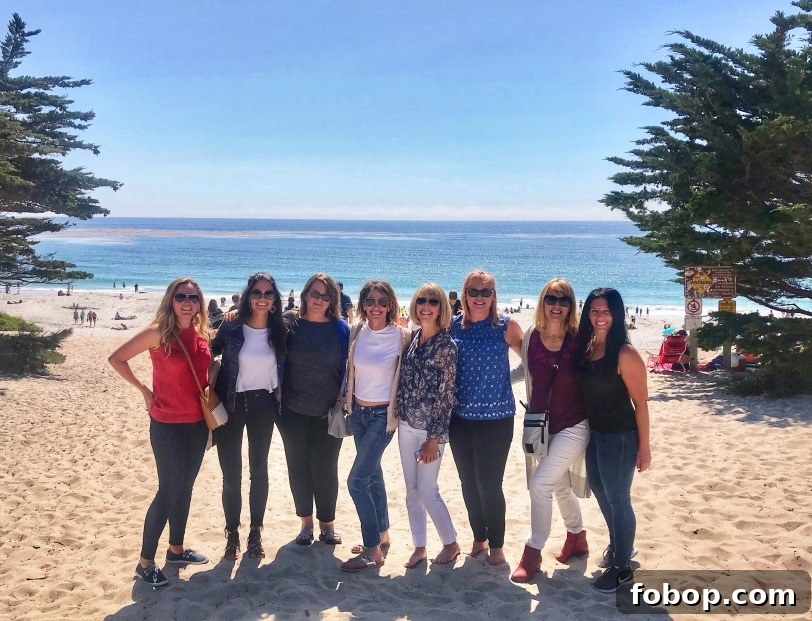
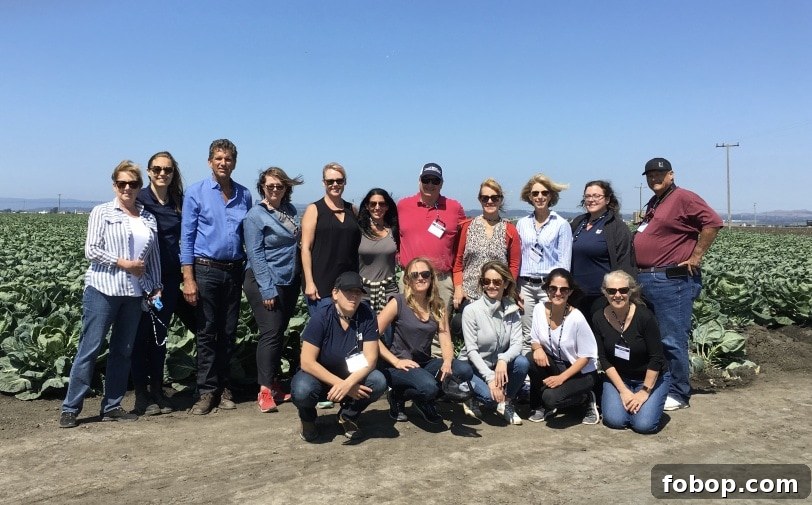
A press trip highlight for me is always spending time with other dietitians and food professionals. This trip included a great group of registered dietitians who work across blogging, traditional media, podcasting and more. It was energizing to share ideas and learn from each other.
Here’s the group photo from the trip:
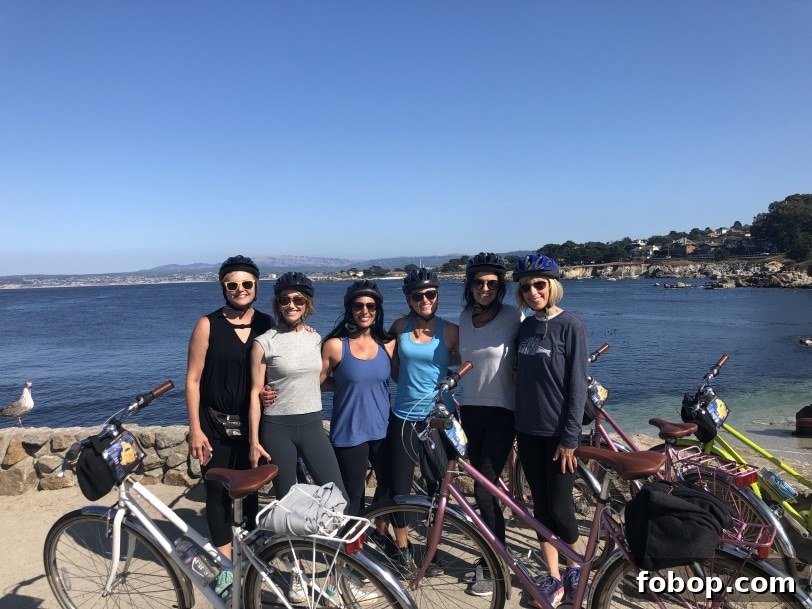
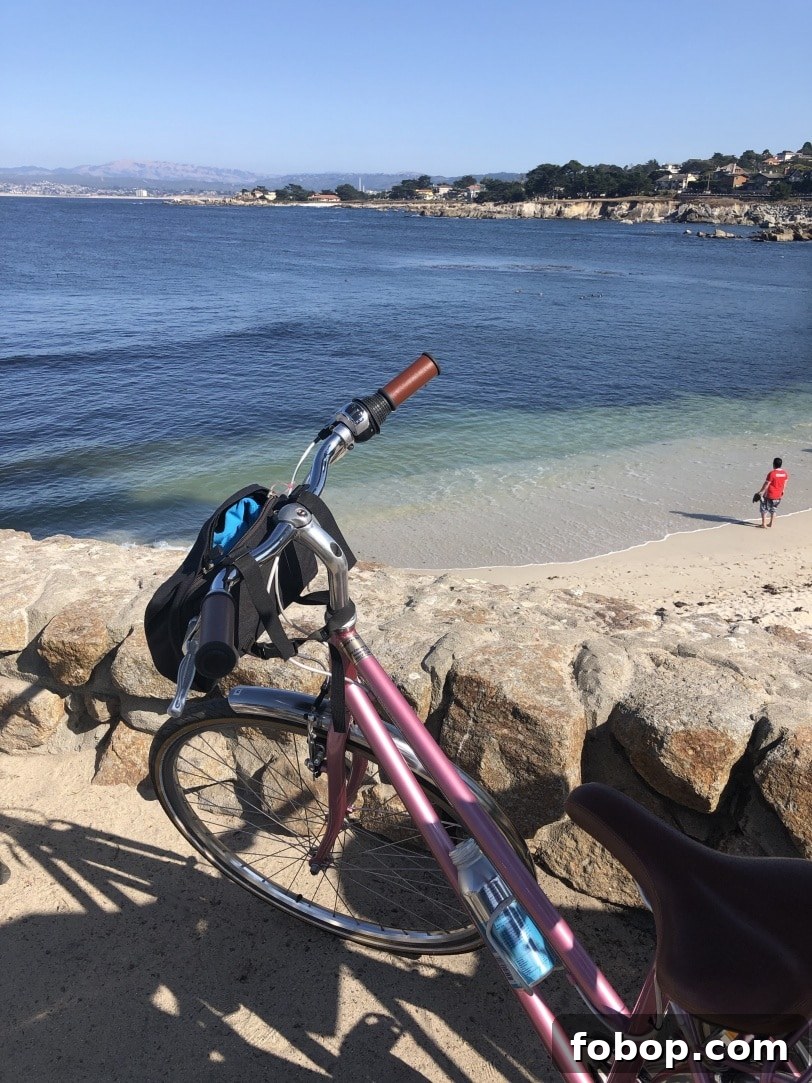
We had a couple of free hours both afternoons, which I used to explore the coast. One afternoon I led a bike ride from our hotel in Monterey along the coast toward Asilomar State Beach. The views were stunning and it was a treat to ride with the group.
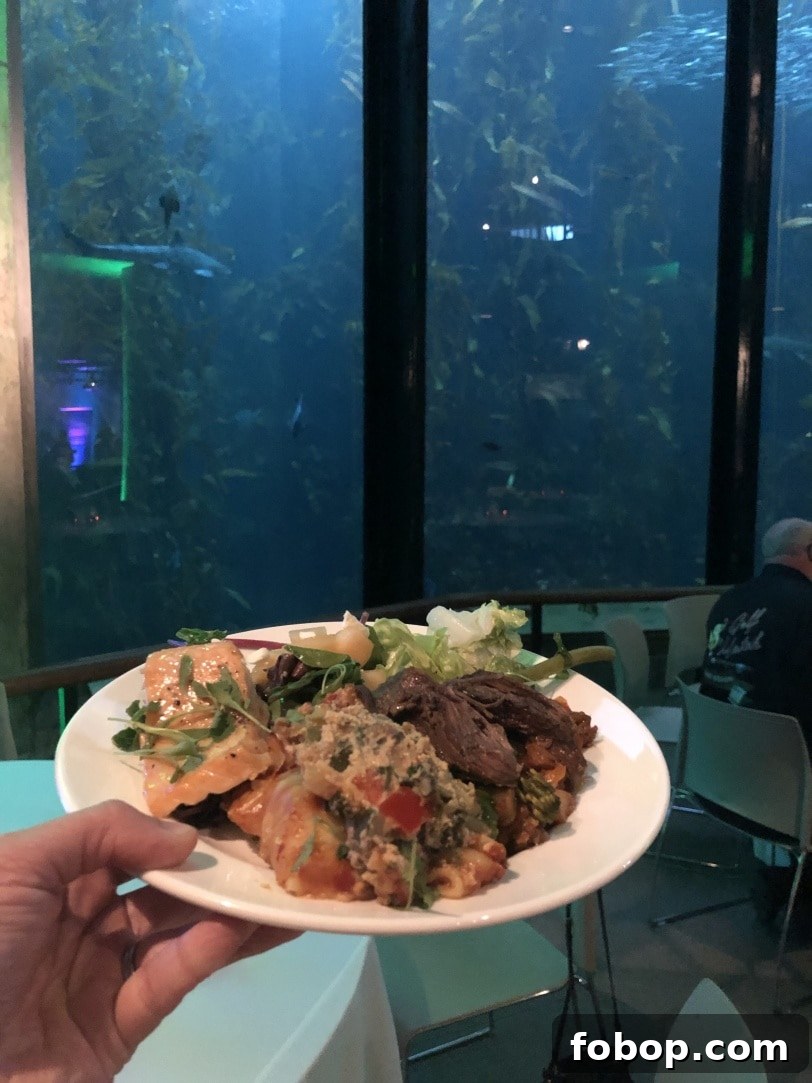
Another memorable evening was dinner at the Monterey Bay Aquarium. We dined in the Kelp Forest exhibit — a unique setting with beautiful marine displays and an unforgettable atmosphere.

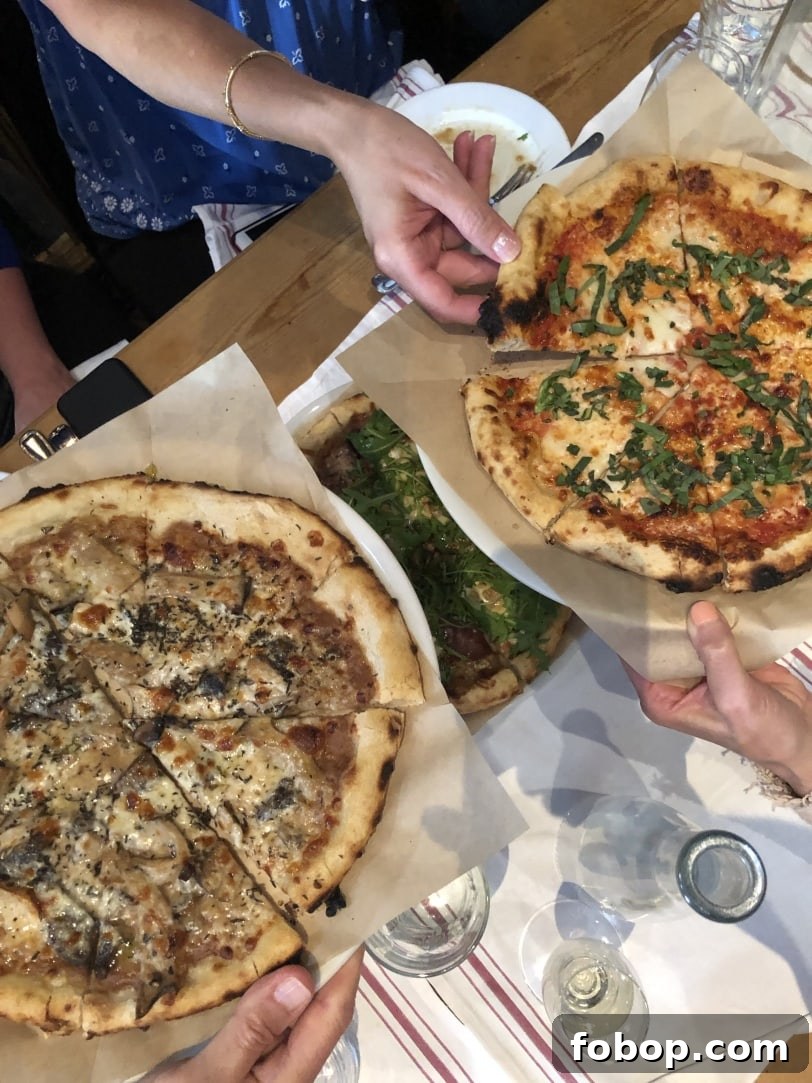
I also spent time wandering Carmel-by-the-Sea with the group and had a lovely late lunch at La Bicyclette — prosecco, salad and pizza were the perfect midday meal.

The trip was busy but informative and left me with greater appreciation for farmers, harvest crews and the science that informs food-safety communication. It was also a joy to reconnect with colleagues and enjoy the beautiful California coast together.
Have a great day — I’ll be back on Friday with a recap of what I’ve been eating and how I’ve been moving this week.