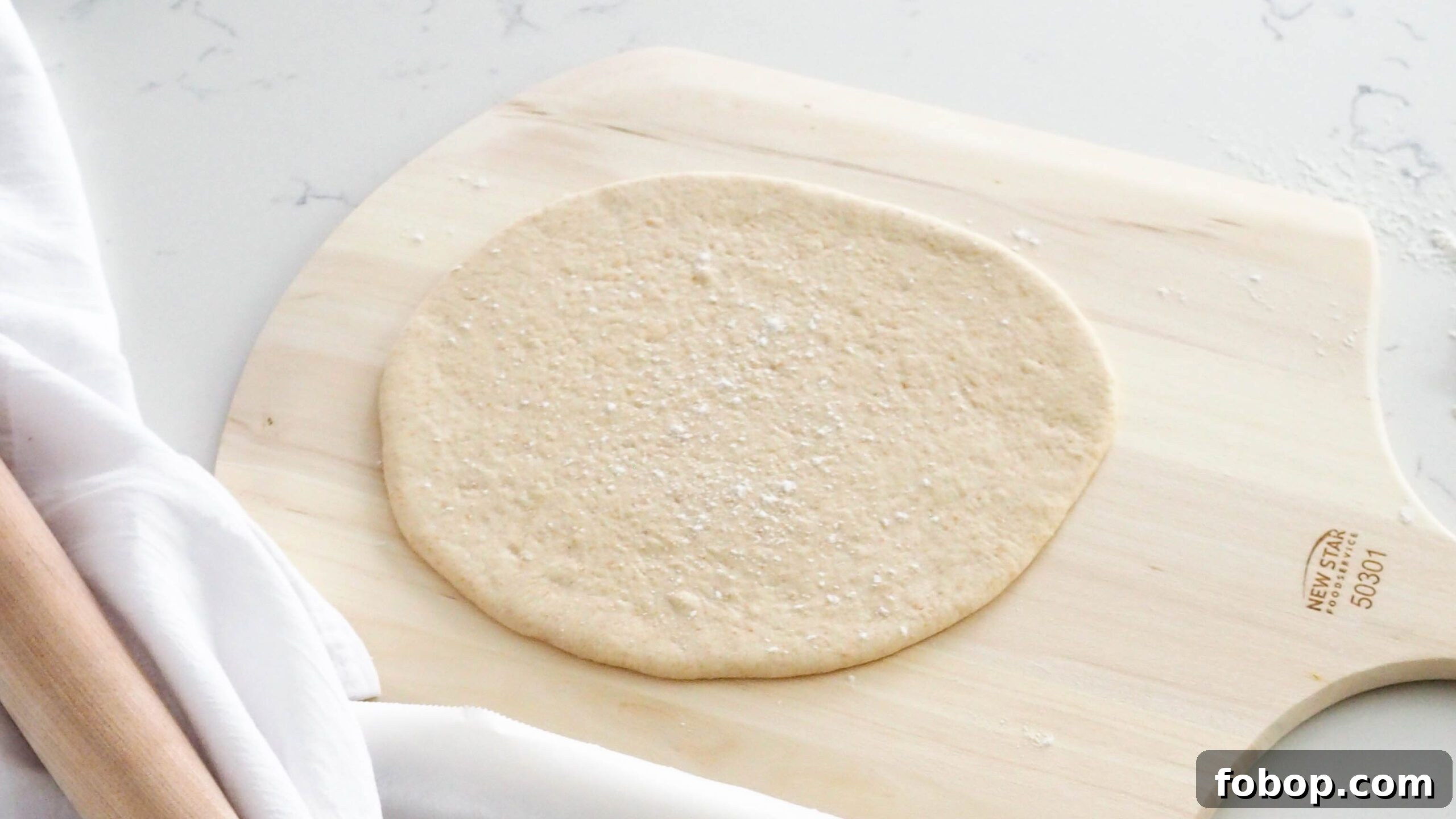
You can make a crispy, chewy thin-crust pizza at home using only a few simple ingredients and a pizza stone. A small amount of whole wheat flour gives the interior a pleasant chew, while a quick bake on a hot stone delivers a crisp exterior. Top with a quick pizza sauce or a creamy basil pesto, then add your favorite vegetables, meats, and cheeses. This recipe yields four 12″ pizzas—about eight servings—and can be scaled up or down to suit your needs.
Bonus: leftover dough keeps well. Store it in the refrigerator for up to three days or freeze for up to three months. I make a batch each month and freeze extras so my husband and I can enjoy easy pizza nights throughout the month. Serve with a simple salad and garlic breadsticks for a complete meal.
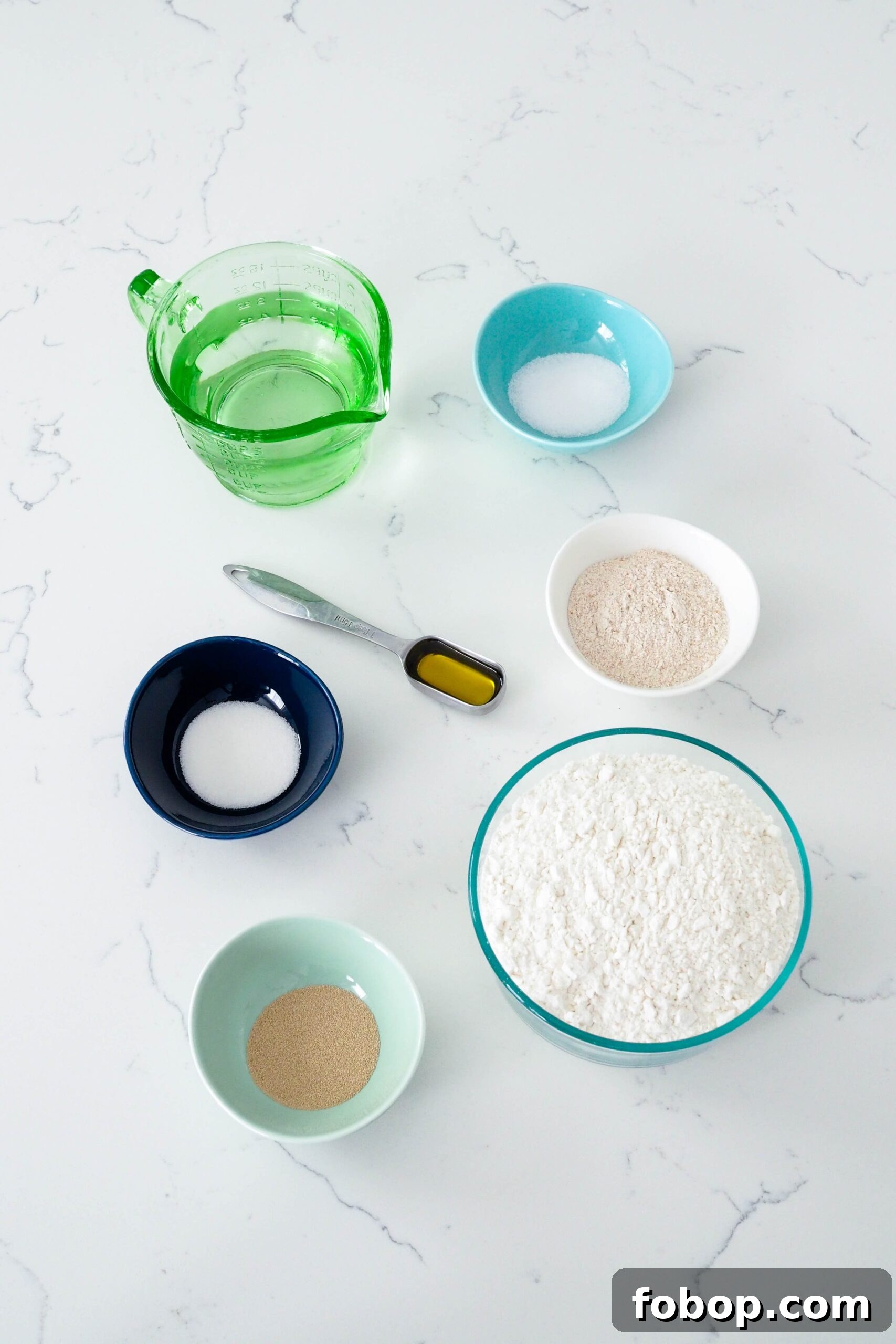
Ingredients for Thin Crust Pizza Dough
Traditional pizza dough requires just flour, yeast, salt, and water. A few small additions change the texture and flavor: a bit of whole wheat flour for chew, a touch of sugar for balanced flavor, and olive oil for improved texture. This version is a favorite in our household and is reliable every time.
- Active dry yeast. Active dry yeast works well; you can substitute instant yeast in the same amount and skip the initial five-minute proof.
- Granulated sugar. Two teaspoons add a hint of sweetness that complements tomato-based sauces and other toppings.
- Warm water. Yeast activates best in water around 105°F (40–43°C).
- Whole wheat flour. A small amount adds chew and depth of flavor. If you don’t have it, substitute with all-purpose flour (see recipe notes).
- All-purpose flour. The main flour for gluten development and structure.
- Salt. Salt seasons the dough and helps regulate yeast activity and gluten strength.
- Olive oil. A little oil improves moisture and texture; any neutral oil may be used if preferred.
How to Make Thin Crust Pizza Dough
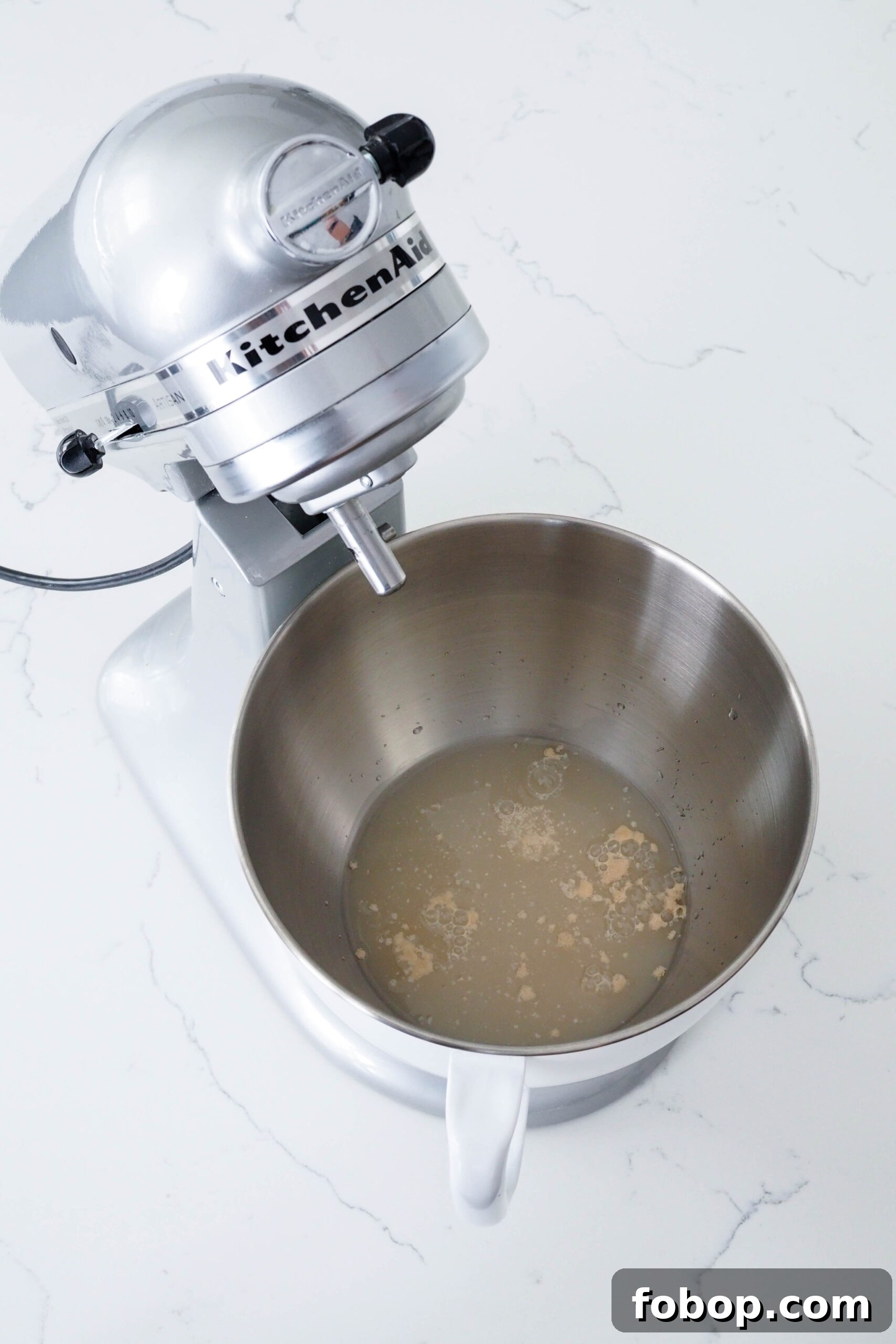
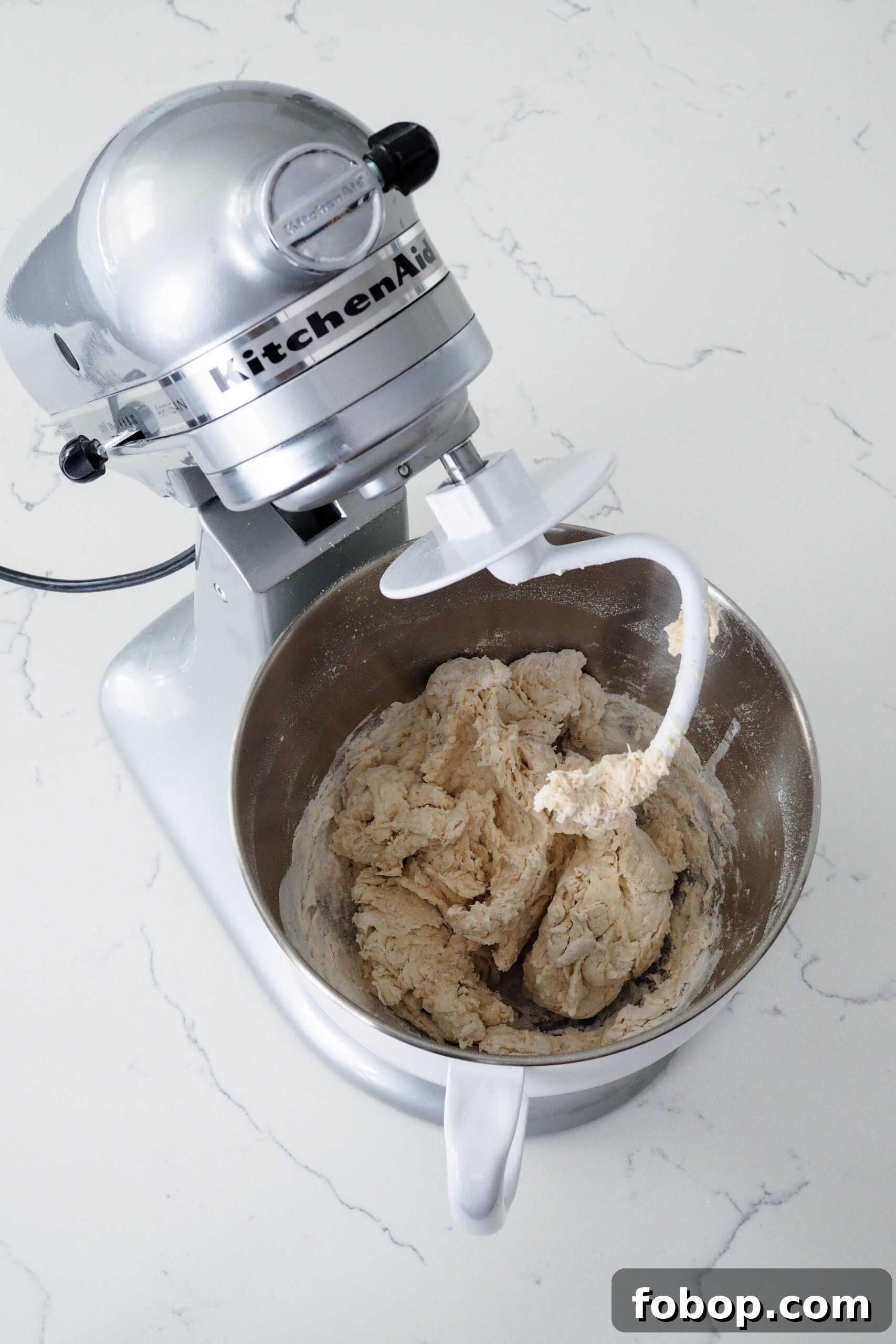
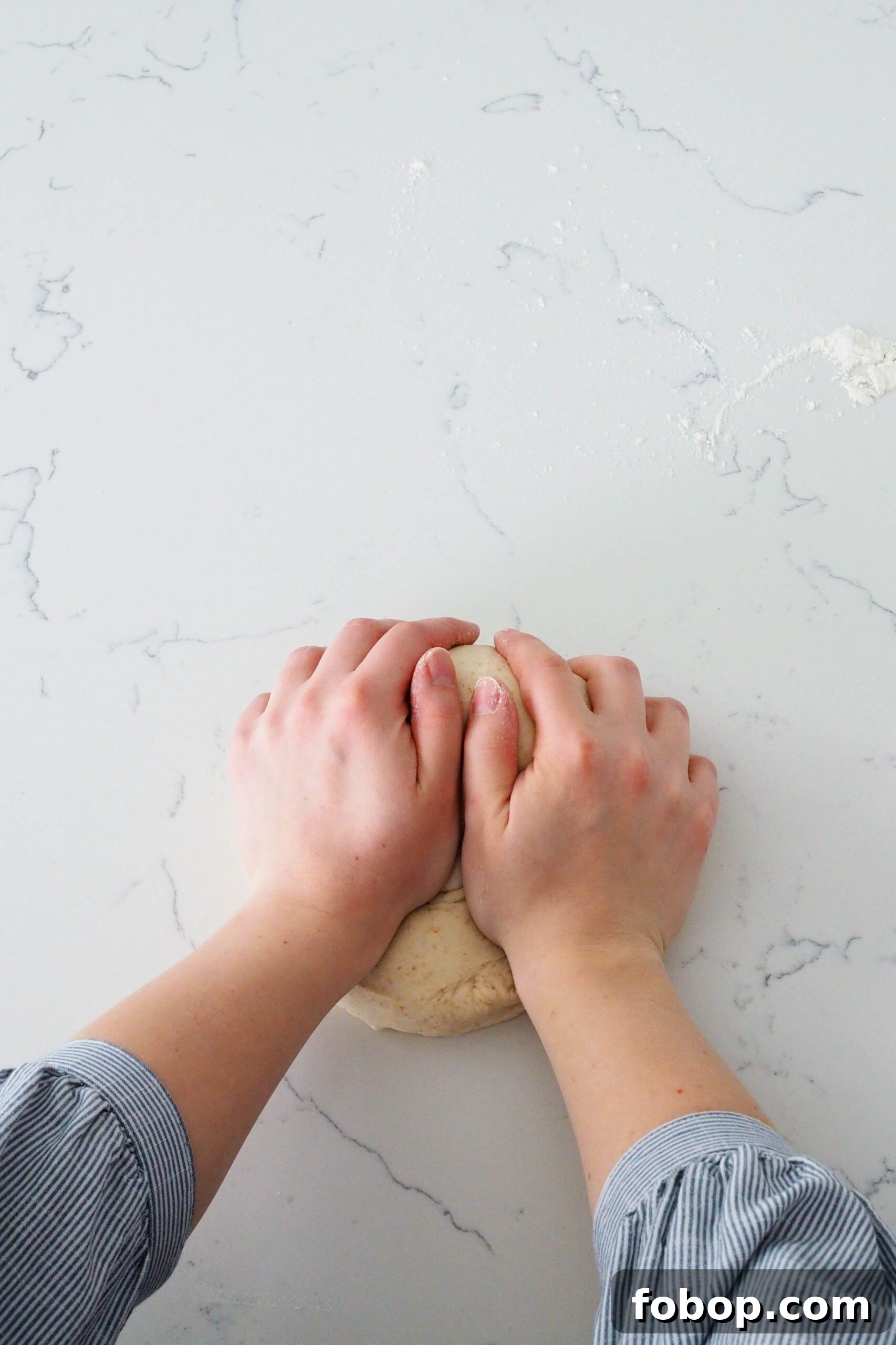
This dough can be made using a stand mixer or kneaded by hand. Hand kneading requires a bit more time but produces an excellent result. I find it easiest to add ingredients in stages: proof the yeast with warm water and sugar first, then add whole wheat flour and about half the all-purpose flour. After combining, add the remaining flour, salt, and olive oil. At that point the dough will need kneading until it becomes smooth and elastic.
Kneading Thin Crust Pizza Dough
Expect 10–20 minutes of kneading to properly develop the gluten. A stand mixer typically takes 10–15 minutes; by hand plan for 15–20 minutes. The dough should become stretchy and tacky rather than sticky.
How to Tell When the Dough Has Enough Gluten
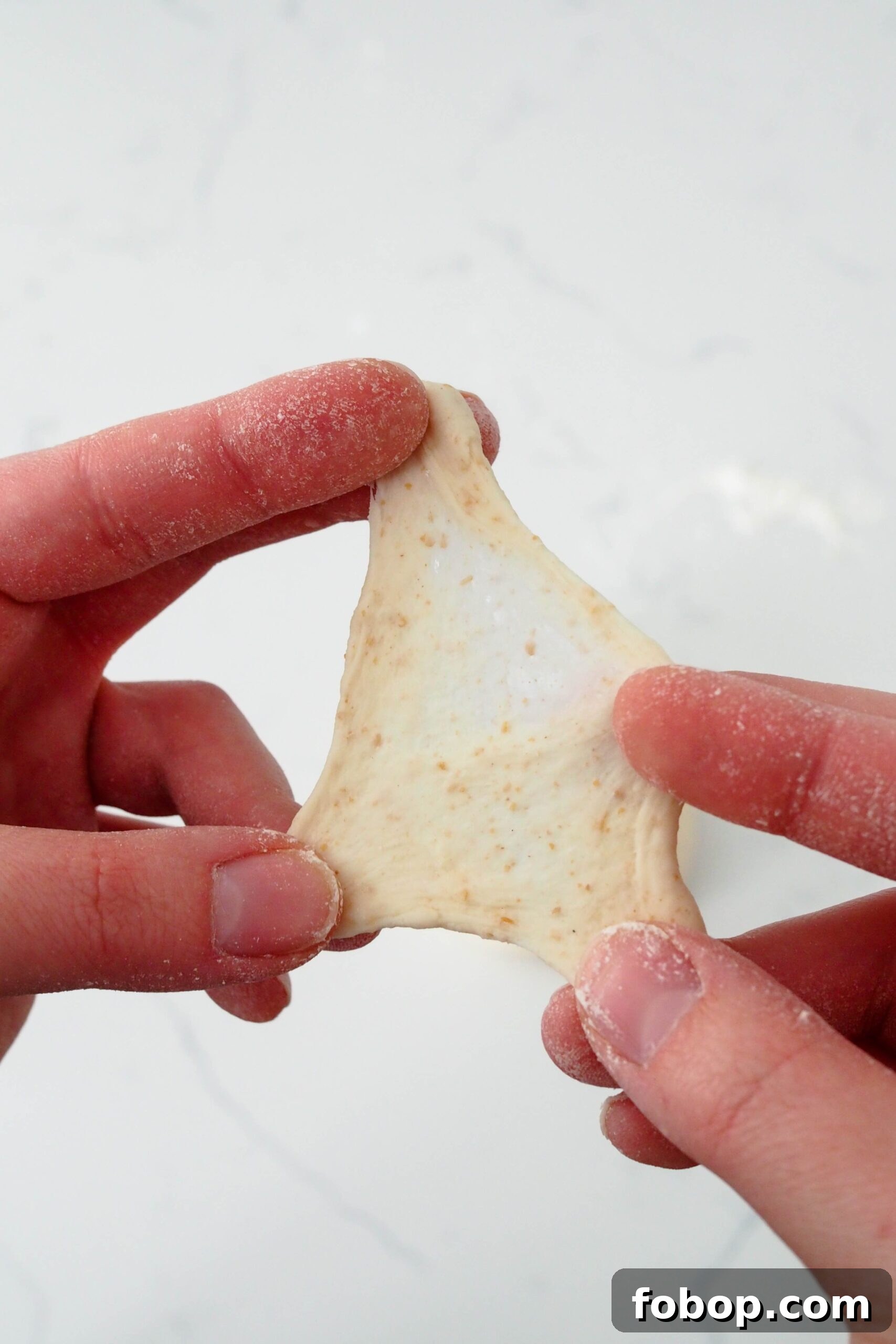
Perform the windowpane test: pinch off a quarter-sized piece of dough and gently stretch it. If it becomes thin enough to let light through without tearing, the gluten is developed. If it tears, knead a little longer and test again.
Proofing Thin Crust Pizza Dough
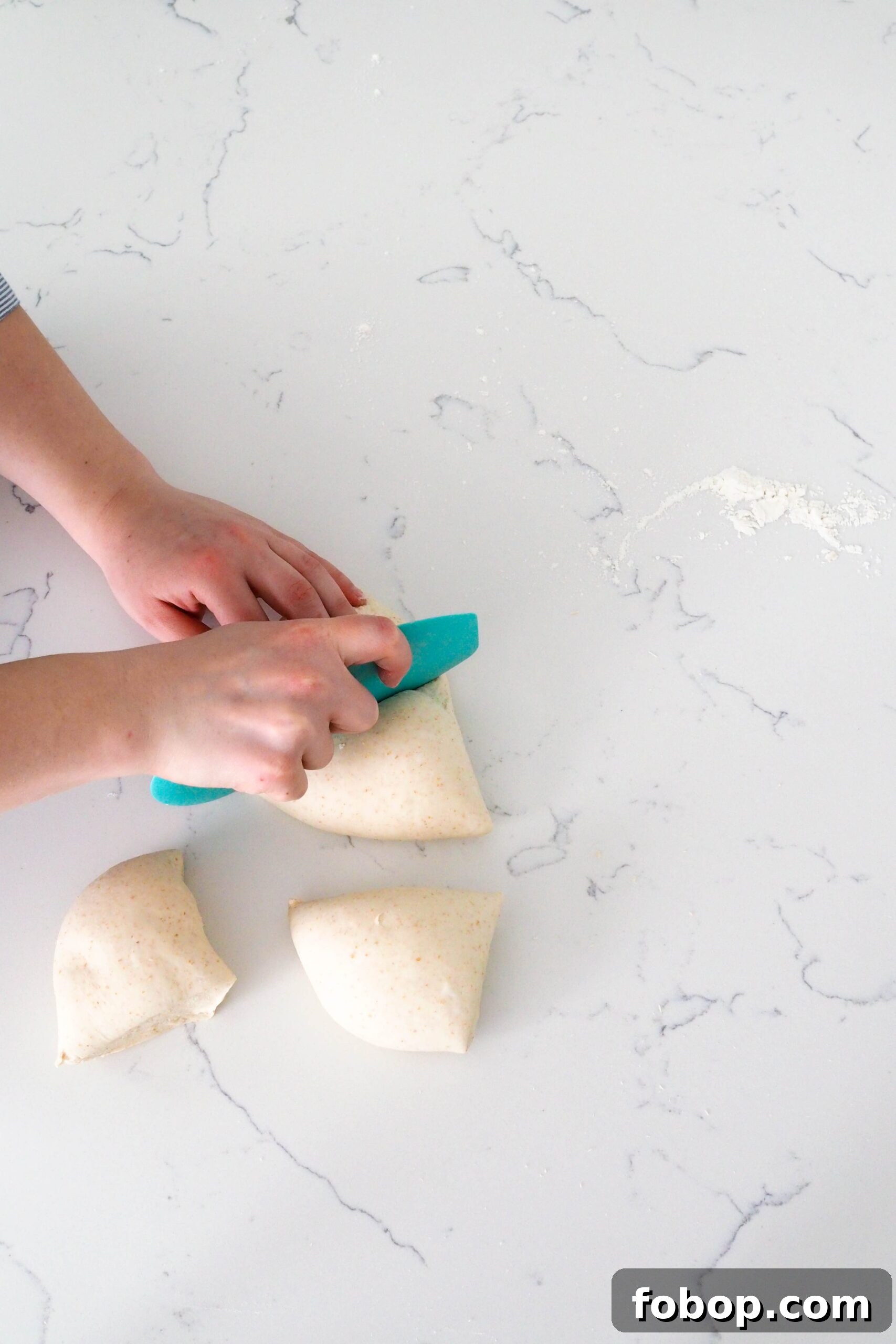
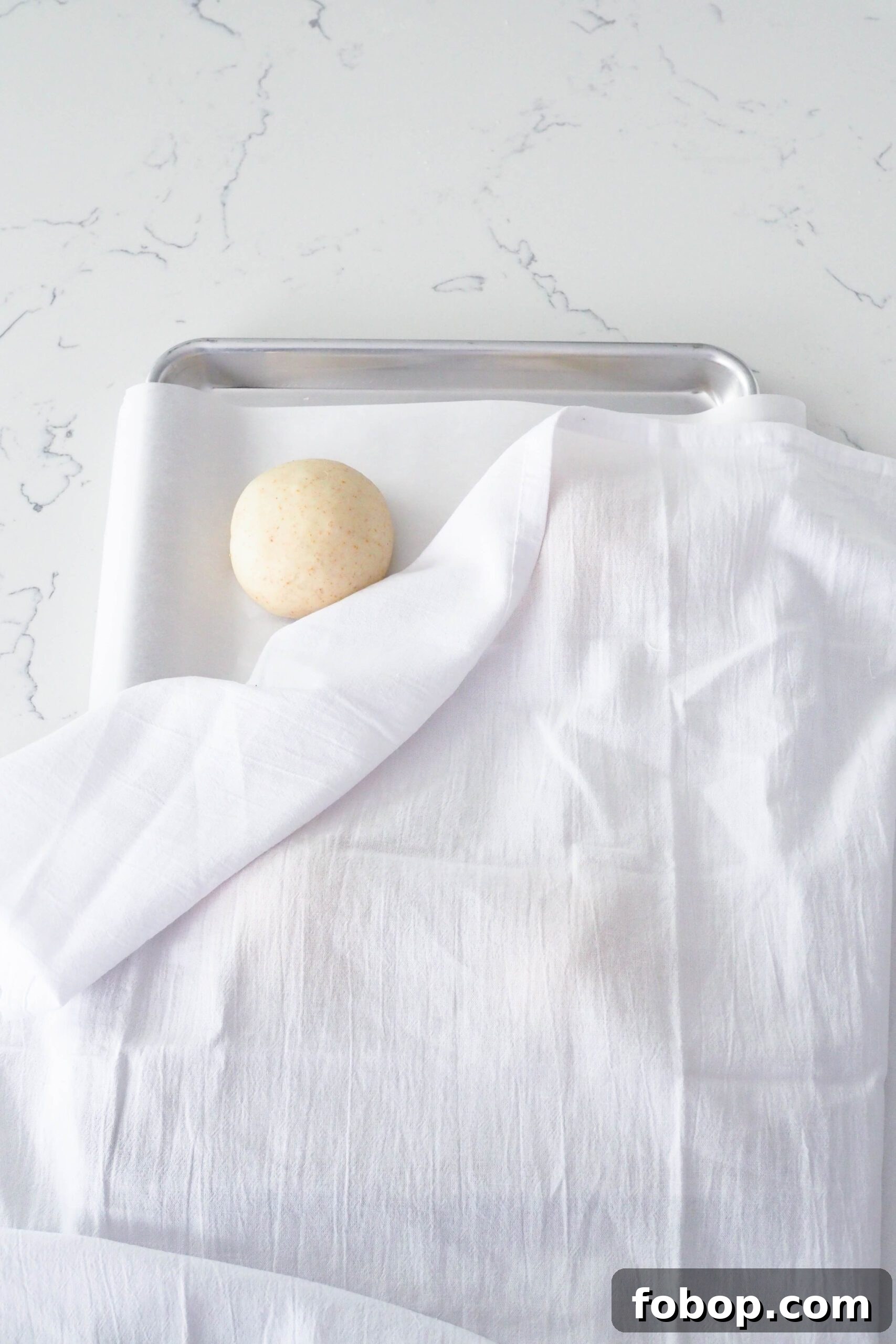
Proof the dough as one large ball or divide it into four smaller balls—both methods work equally well. Place dough balls on a parchment-lined baking sheet and cover with a towel or plastic wrap to prevent drying. Let rise until doubled in size, about an hour depending on temperature.
How to Roll Out Thin Crust Pizza Dough
Timing is important when working with pizza dough. Preheat the pizza stone before you roll out dough and have toppings ready to go. Dough continues fermenting and absorbing moisture, so any extra flour used to prevent sticking will eventually be absorbed.
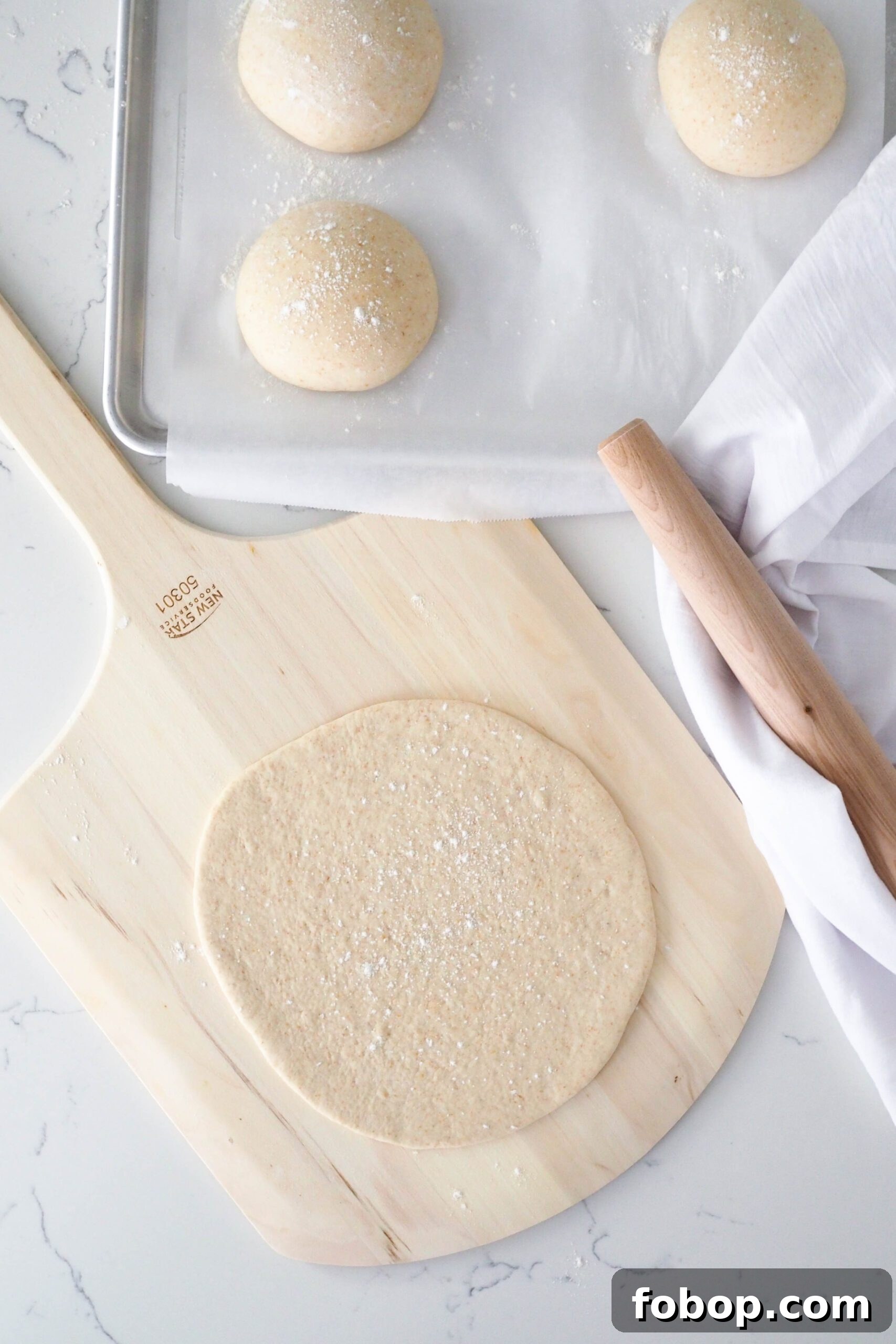
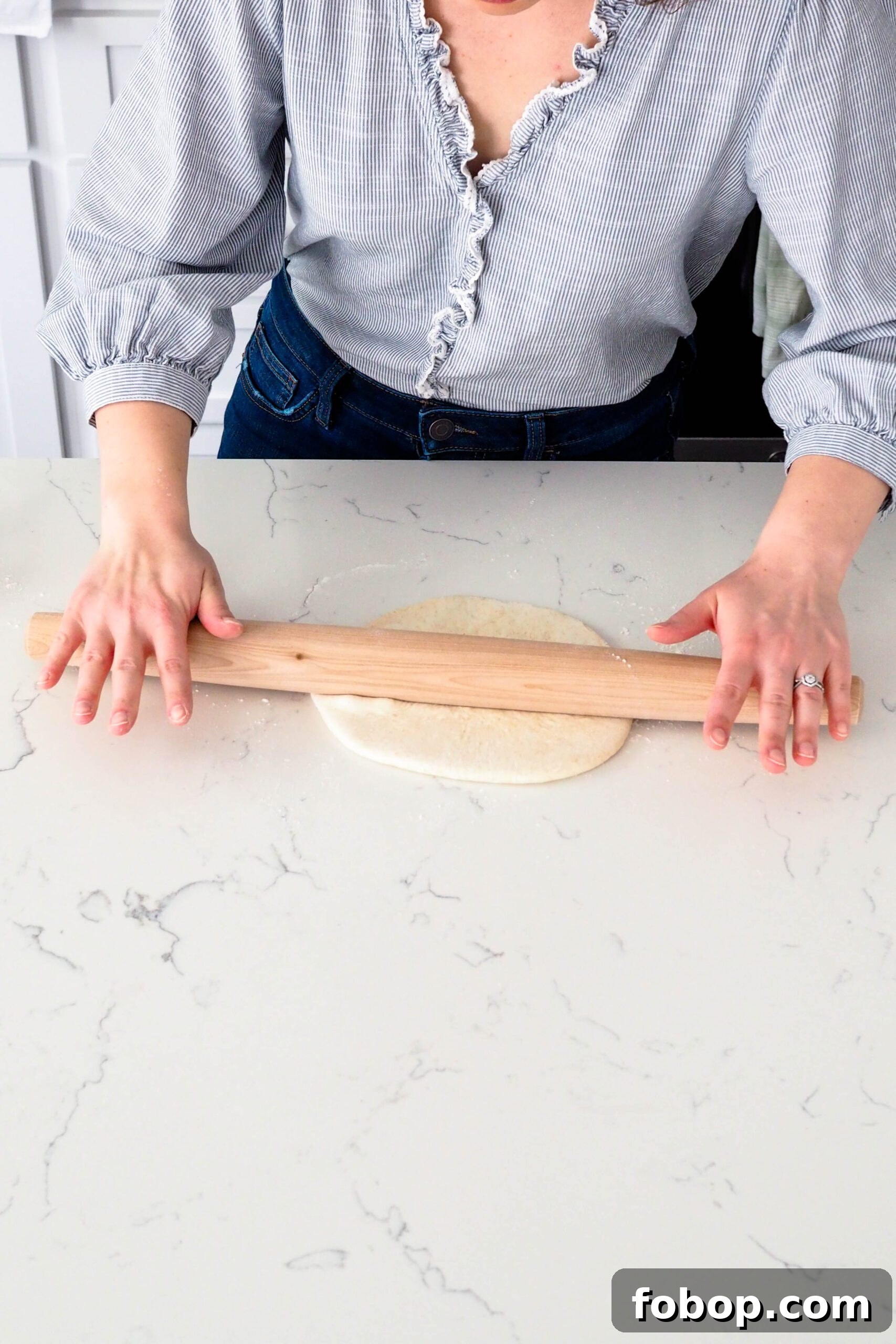
Lightly dust your workspace with a tablespoon or two of flour—avoid over-flouring, which dries the dough. Roll each dough ball by placing the rolling pin in the center and rolling away from you, rotating the dough a quarter turn between rolls. Continue until the round measures about 12″ (30 cm).
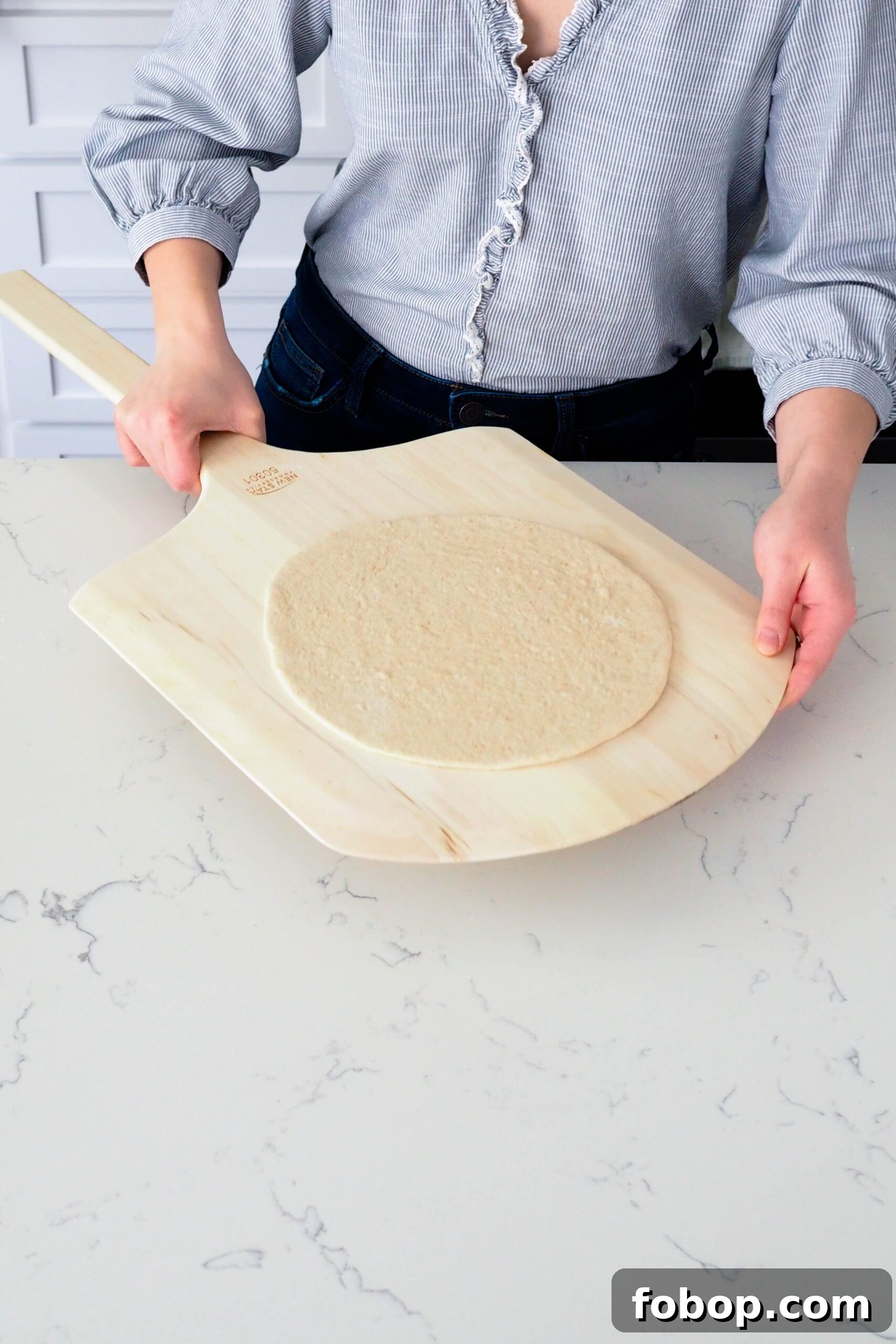
Dust a pizza peel or a heat-safe cutting board with flour, transfer the dough to the peel, and add toppings quickly. Work efficiently because the dough will start to stick as it sits.
Quick Tips for Baking Thin Crust Pizza
Place a cold pizza stone on the lowest oven rack and preheat to 475°F (250°C). If your oven’s maximum is lower, 450°F (232°C) will work. Let the stone heat for at least 30 minutes for best results. Always place the stone in a cold oven so it heats evenly and to reduce the risk of cracking.
Slide the pizza onto the preheated stone and bake for 8–10 minutes, until the edges are lightly golden. Remove with a peel or tongs and transfer to a cutting board. Let rest two minutes before slicing.
What to Use Instead of a Pizza Peel
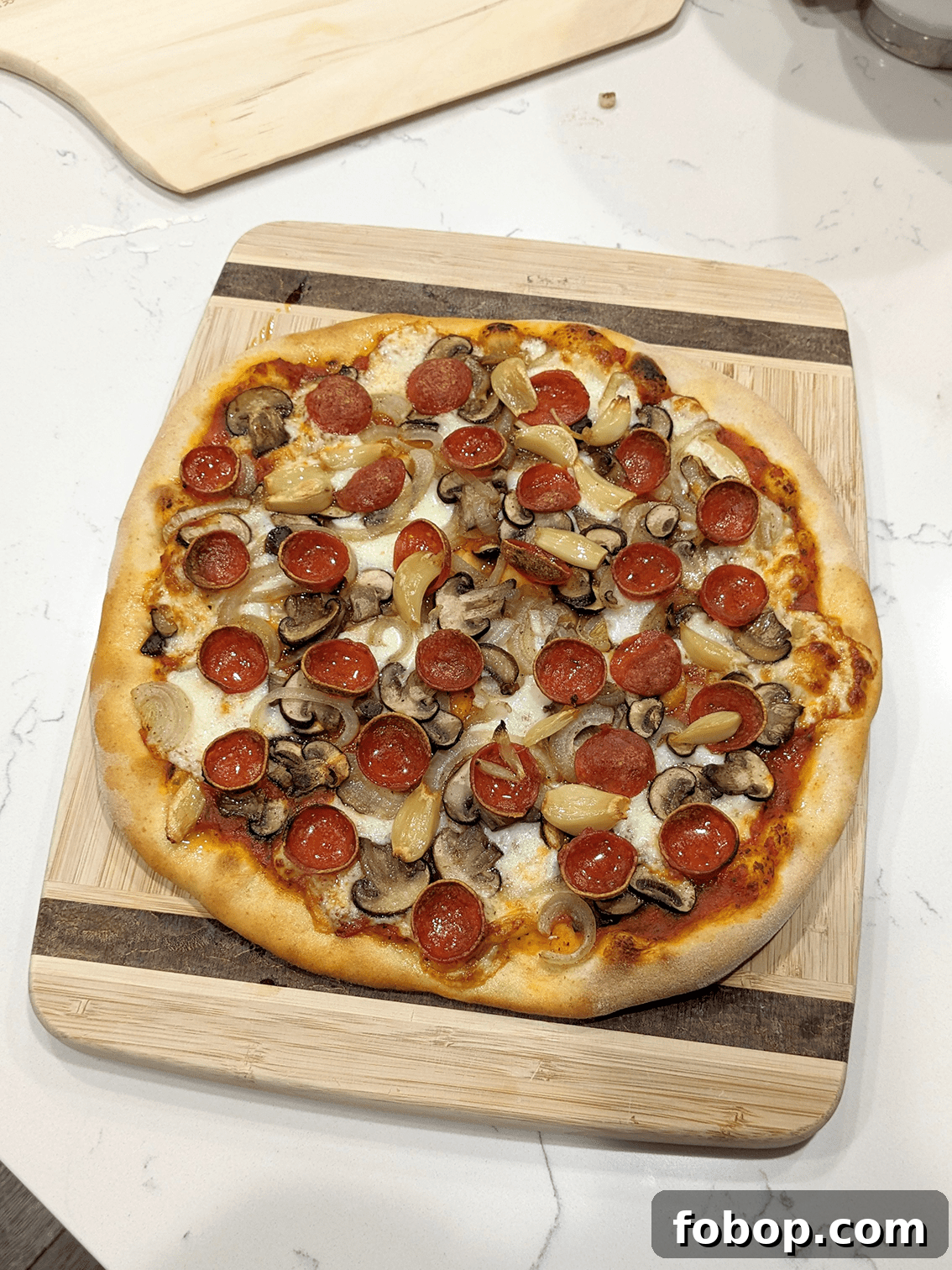
If you don’t have a pizza peel, a thin wooden cutting board dusted with flour works well. It may require two hands to transfer the pizza, but it’s an effective substitute.
If the Pizza Sticks to the Peel
If the dough sticks, gently shake the peel back and forth with gradually increasing intensity until the dough releases. If toppings begin to slide off, reduce the shaking. Once the dough unsticks, slide the pizza immediately onto the stone. Resting the peel on the back third of the stone and then shaking lightly often helps the pizza release smoothly.
Storing Thin Crust Pizza Dough Long-term
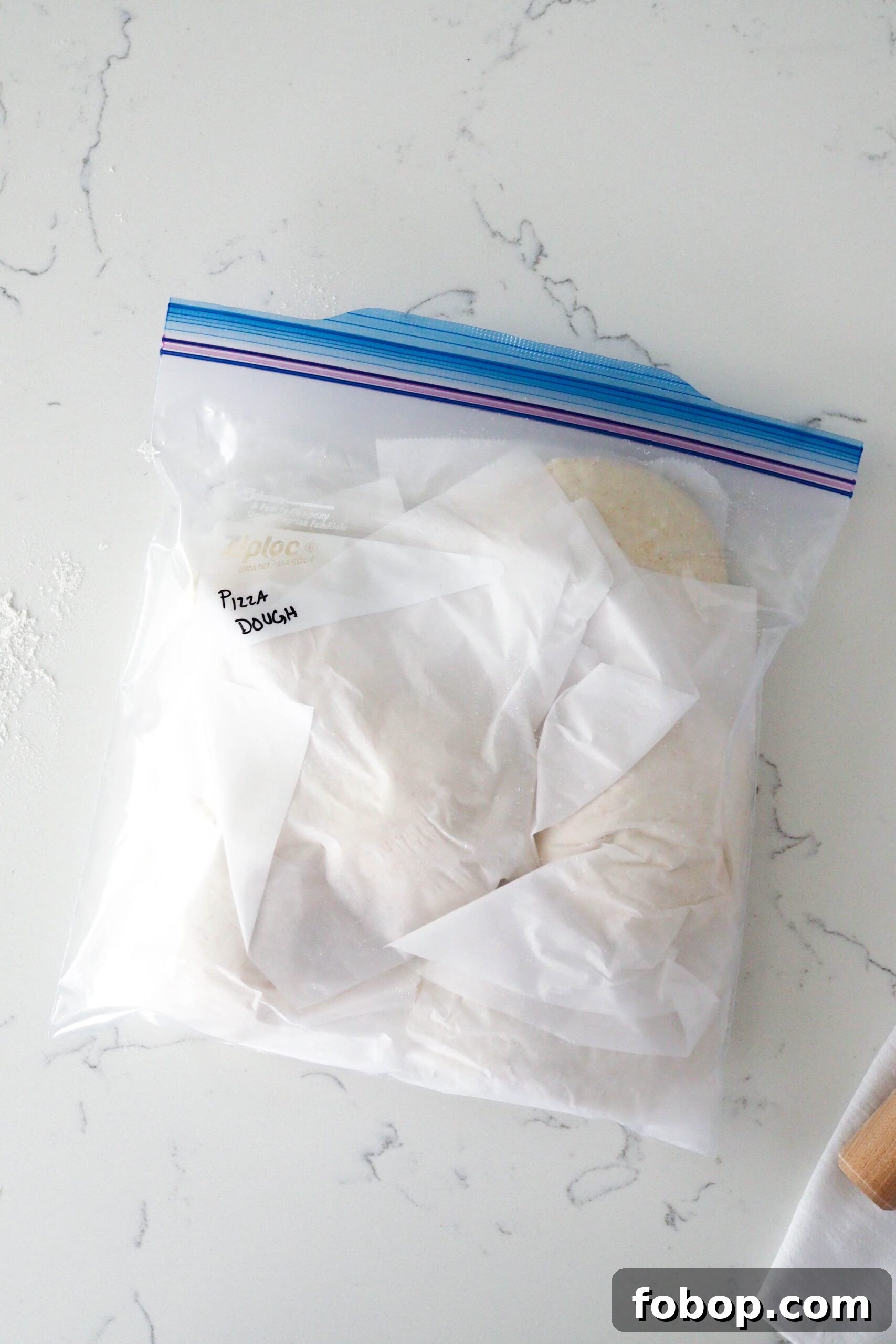
Store dough in the refrigerator for up to three days; flavor deepens with longer fermentation. For freezing, wrap each dough ball in parchment paper and place in a zip-top freezer bag—dough sticks to plastic, so parchment prevents that problem. Frozen dough keeps up to three months. Thaw refrigerated dough for about 2 hours before rolling.
Other Recipes You May Enjoy
If you enjoy this dough, check back for new pizza combinations. Meanwhile, here are a few other easy weeknight dinners you might like:
- One-pot chicken & brown rice
- Creamy Cajun spinach pasta for two
- Hoisin turkey and brown rice bowls
- Easy gochujang chicken ramen
Dish Cleanup: Piece of Cake
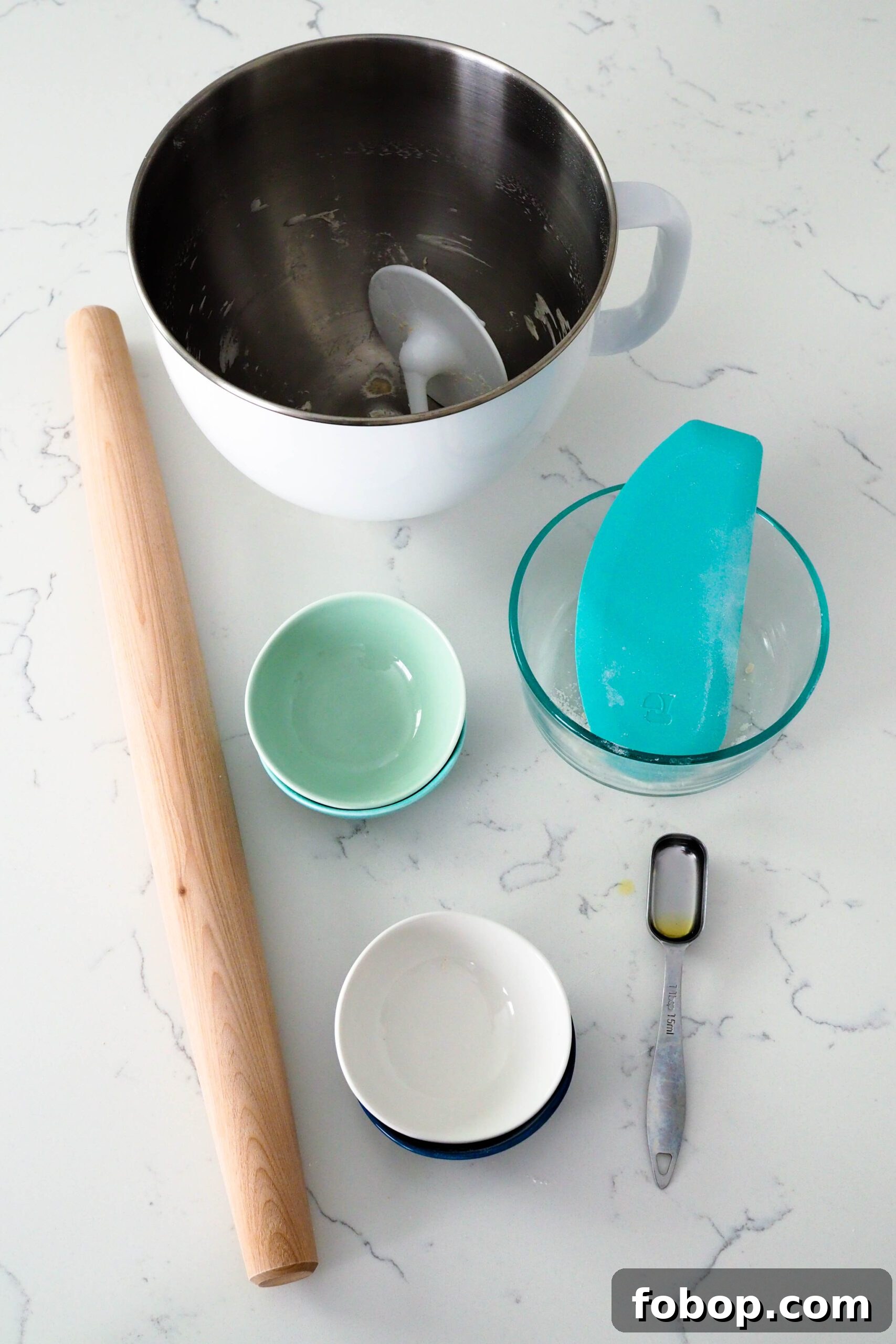
I rate cleanup on a scale of 1 to 5; this recipe is a 1. You’ll need only a few small bowls, a mixing bowl, and a rolling pin to wash. Pizza dough is great to make in bulk because it reduces both future prep time and cleanup.
Thin Crust Pizza Dough Recipe
Thanks for stopping by!
If you try this dough, please leave a review to share how it turned out.

Thin Crust Pizza Dough
Ingredients
- 2 teaspoons (7 g) active dry yeast (or one packet)
- 2 teaspoons (8 g) granulated sugar
- 1½ cups (350 ml) warm water (about 105°F/40°C)
- ¼ cup (40 g) whole wheat flour
- 3½ cups (500 g) all-purpose flour, plus extra for dusting
- 2 teaspoons (10 g) salt
- 2 teaspoons (10 g) olive oil
Instructions
Making the Dough
- Add yeast and sugar to a stand mixer bowl or a large bowl. Pour warm water over the yeast and let sit 5 minutes to activate.
- Add whole wheat flour and about half of the all-purpose flour, then stir until combined. If working by hand, a flexible bench scraper helps here.
- Add the remaining flour, salt, and olive oil, and stir until a shaggy dough forms.
- Kneading with a stand mixer: knead on speed 2 for 10–15 minutes until the dough is stretchy and pulls away from the bowl. Add flour, a tablespoon at a time, if it remains sticky. Kneading by hand: knead 15–20 minutes on a clean surface until the dough becomes tacky and stretchy. Add flour sparingly if it remains sticky.
- Perform the windowpane test: stretch a quarter-sized piece of dough. If it becomes thin enough to let light through, gluten is developed. If not, knead another minute and retest.
- Divide the dough into four, shape into balls, and place on parchment. Cover and let rise until doubled, about 1 hour.
Preheating the Oven
- Place a pizza stone on the lowest oven rack and preheat the oven to 475°F (250°C). Always put the stone in a cold oven so it heats with the oven.
- Let the stone preheat for at least 30 minutes to reach full temperature.
Prepping the Pizza
- Lightly dust your workspace with flour. Roll each dough ball by rolling away from you, rotating a quarter turn between rolls, until each round is about 12″ (30 cm) in diameter.
- Dust a pizza peel or heat-safe cutting board with flour, transfer the dough, and add toppings quickly.
- If the dough sticks to the peel, shake with slowly increasing intensity until it releases, then immediately slide it onto the pizza stone.
Baking the Pizza
- Slide the pizza onto the stone and bake 8–10 minutes until the edges are lightly golden. Remove with a peel or tongs and place on a cutting board. Let rest two minutes before slicing.
Video
Notes
**To make in advance, follow the recipe through shaping the dough balls, then store in an airtight container in the refrigerator up to three days or freeze up to three months. Take refrigerated dough out about 2 hours before rolling to come to room temperature.
Recommended Supplies
- Rolling pin
- Pizza stone
- Pizza peel or a thin wooden cutting board
- Bench scraper (helpful for hand kneading)
Nutrition
I’d love to see how your pizza turns out—take a photo and tag @floralapronblog or use #floralapronbakes to share it.