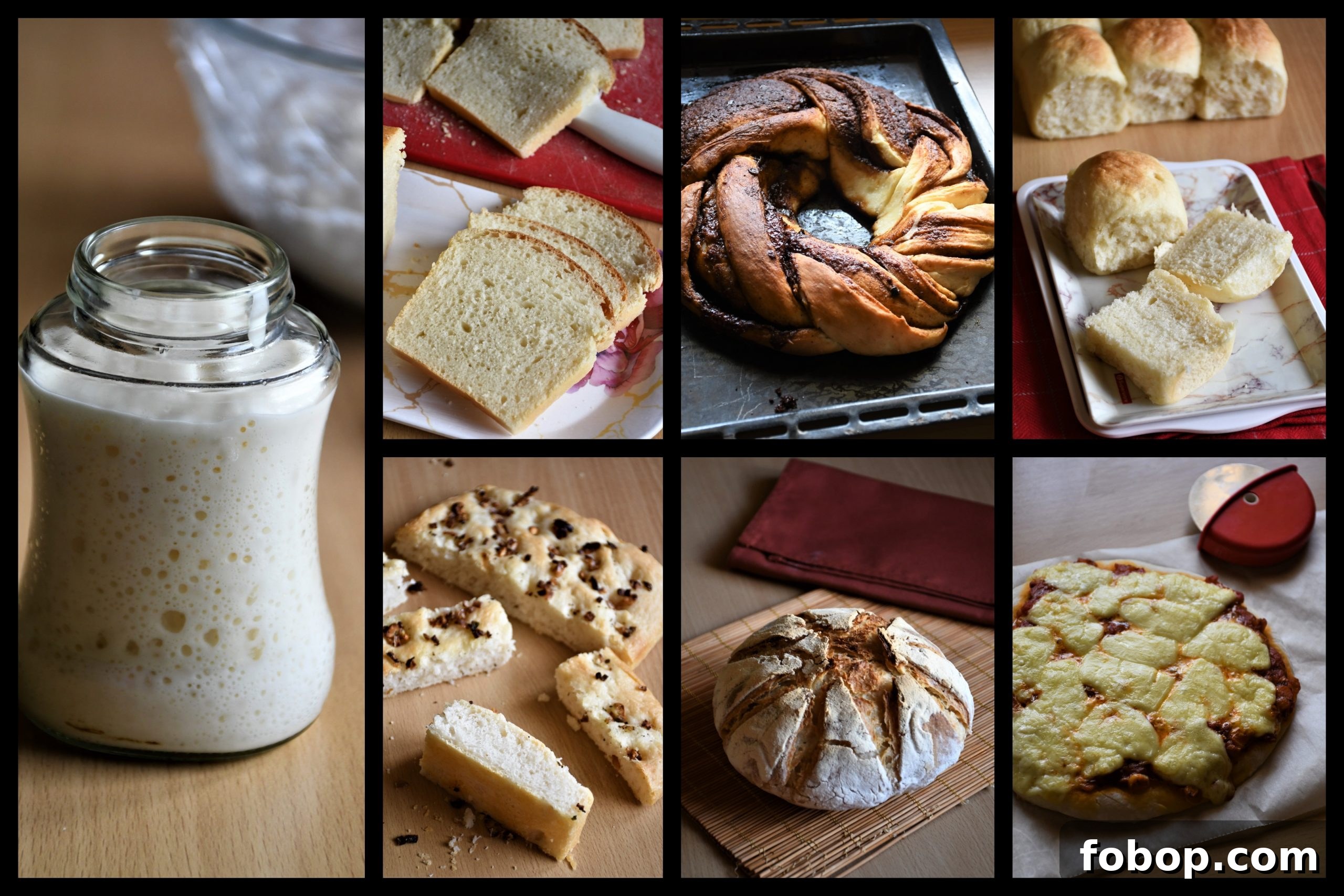
Ever since I published my sourdough starter recipe, I’ve received many requests for simple recipes using the starter and questions about converting yeast-based recipes to sourdough. This article explains how to convert ordinary yeast recipes into sourdough versions. I’ll share a video recipe on Sunday, but here I focus on the conversion process and practical tips for soft, everyday sourdough bread.
This guide is aimed at bakers who already have a working sourdough starter and some experience. It’s not a beginner primer; rather, it’s for those who have tried a few sourdough loaves and want to adapt familiar yeast recipes into sourdough versions. Most online sourdough recipes focus on artisan techniques—baguettes, ciabatta and other technical breads—but many home bakers prefer soft, tender loaves for daily use. My family’s preferences pushed me to develop softer sourdough breads that are not overly tangy.
My daughter loves thick, crunchy artisan crusts, but my husband prefers soft sandwich-style bread like the yeast loaves he’s used to. I experimented for about two months—baking daily—to achieve a soft crumb with controlled sourness. Below are the key lessons I learned that will help you adapt recipes and achieve softer sourdough loaves.
- Many sourdough recipes use long, cool bulk fermentation (12–16 hours) which increases sourness. To reduce tang, try bulk fermenting at room temperature. In a hot climate, dough may double in three to four hours, which shortens total time and produces milder flavor.
- The amount of starter strongly affects fermentation speed. For quicker fermentation, I often use a starter-to-flour ratio of 1:2, and sometimes even 1:1. While that sounds like a lot of starter, it reduces fermentation time and limits acidity buildup.
- Enrich the dough with milk and butter to improve softness. Adding fats and dairy produces a tender crumb similar to enriched yeast breads.
- Including mashed potatoes or using tangzhong (water-roux) can also yield a softer, moister crumb and extend freshness.
- Keep the final proof shorter. When the shaped dough reaches about 1.5 times its original volume, bake it. Depending on temperature, this may take one to two hours. Shorter proofing often yields a better oven spring and a softer texture.
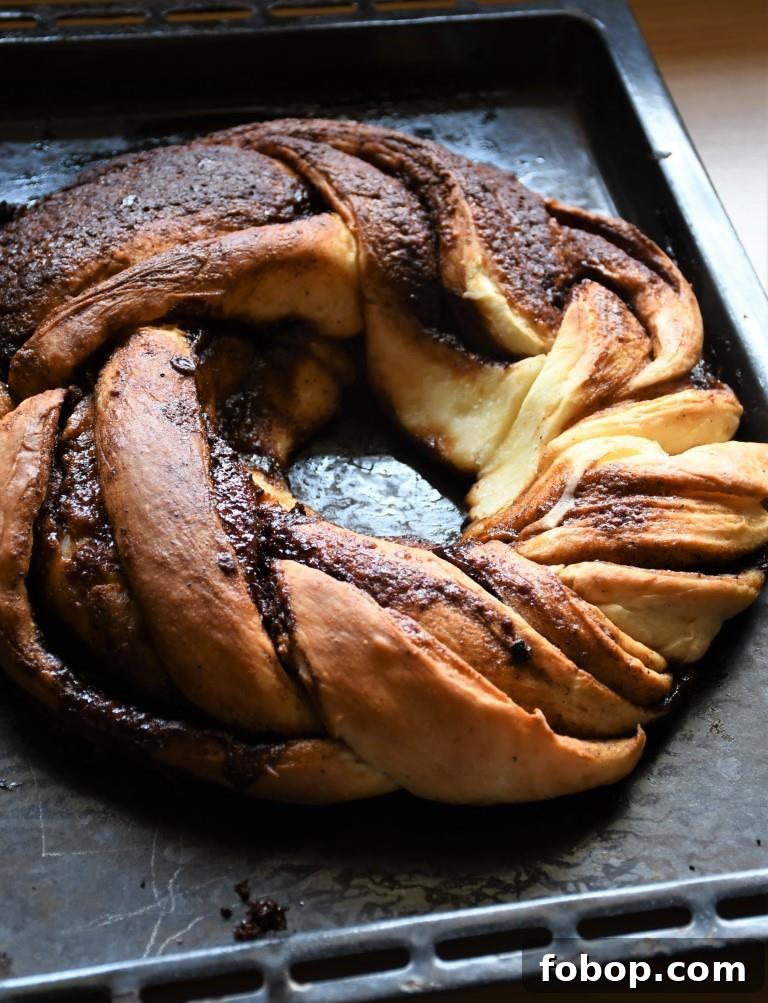
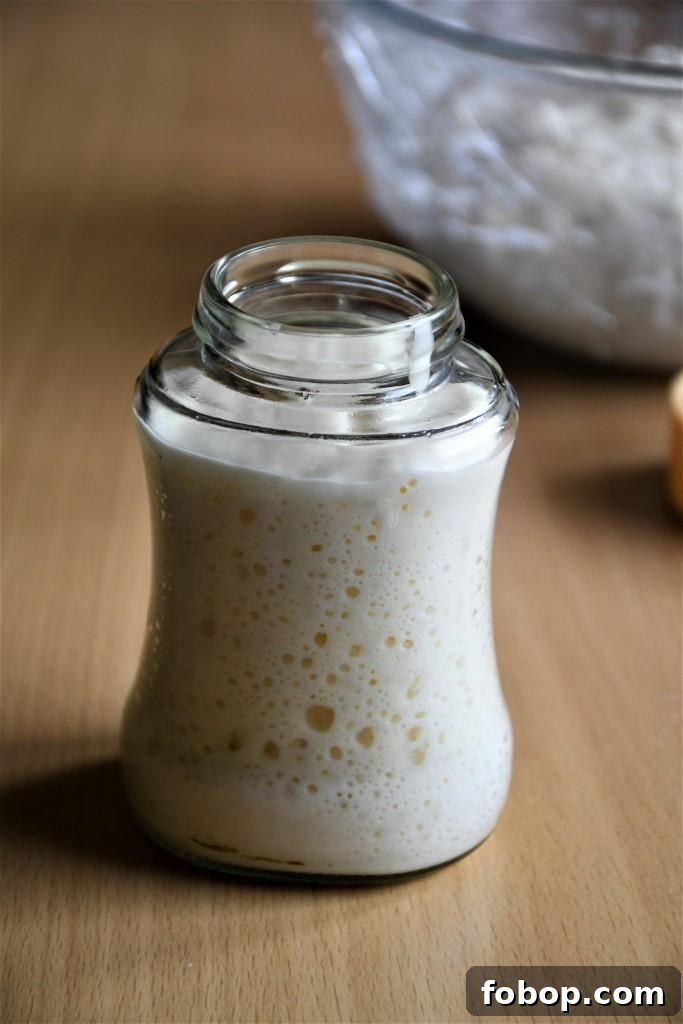
Now for the conversion method. I keep a starter at 100% hydration (equal parts flour and water by weight). In the morning I feed the starter with equal weights—for example, 50 g starter + 50 g flour + 50 g water, giving 150 g of active starter. That 150 g contains 75 g flour and 75 g water. Converting a yeast recipe uses simple subtraction of those amounts from the flour and water called for in the original recipe.
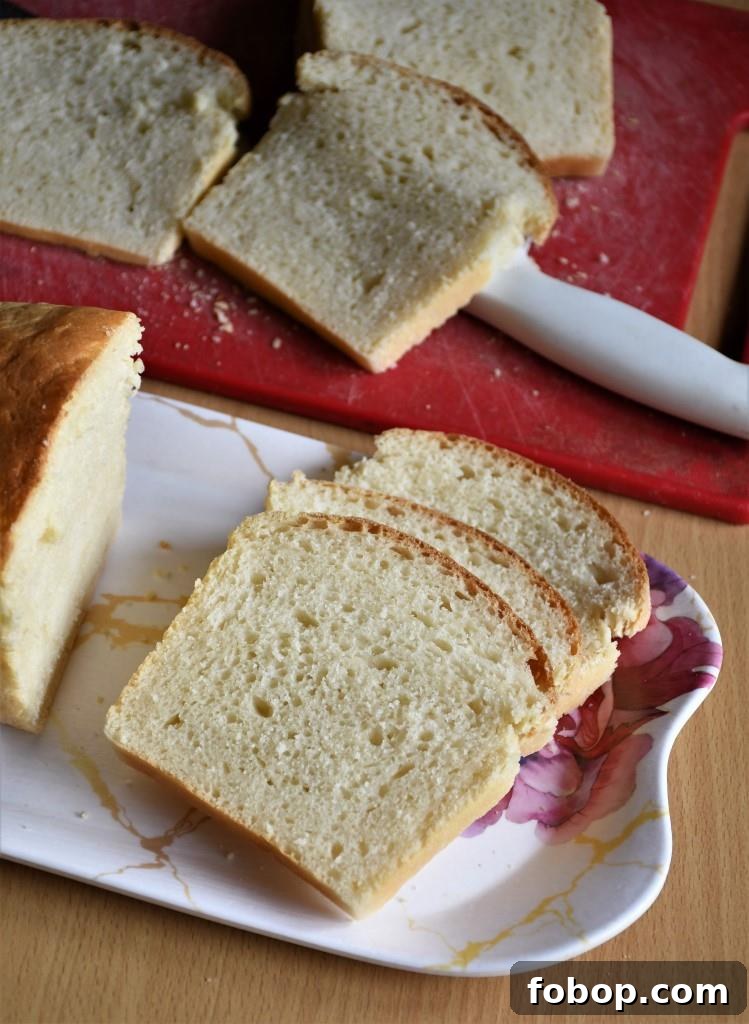
Example: a yeast recipe calls for 225 g flour and 100 ml water. Omit the commercial yeast and plan to use 150 g of your 100% hydration starter (which contributes 75 g flour + 75 g water). Subtract those amounts from the original ingredients: 225 g flour − 75 g = 150 g flour, and 100 g water − 75 g = 25 g water. All other ingredients—salt, sugar, butter, milk, herbs—remain the same. So you will mix 150 g flour, 150 g starter, 25 g additional water, plus the rest of the ingredients. Then proceed to mix, knead (or stretch and fold), bulk ferment, shape, final proof and bake. This straightforward calculation turns the yeast recipe into a sourdough version.
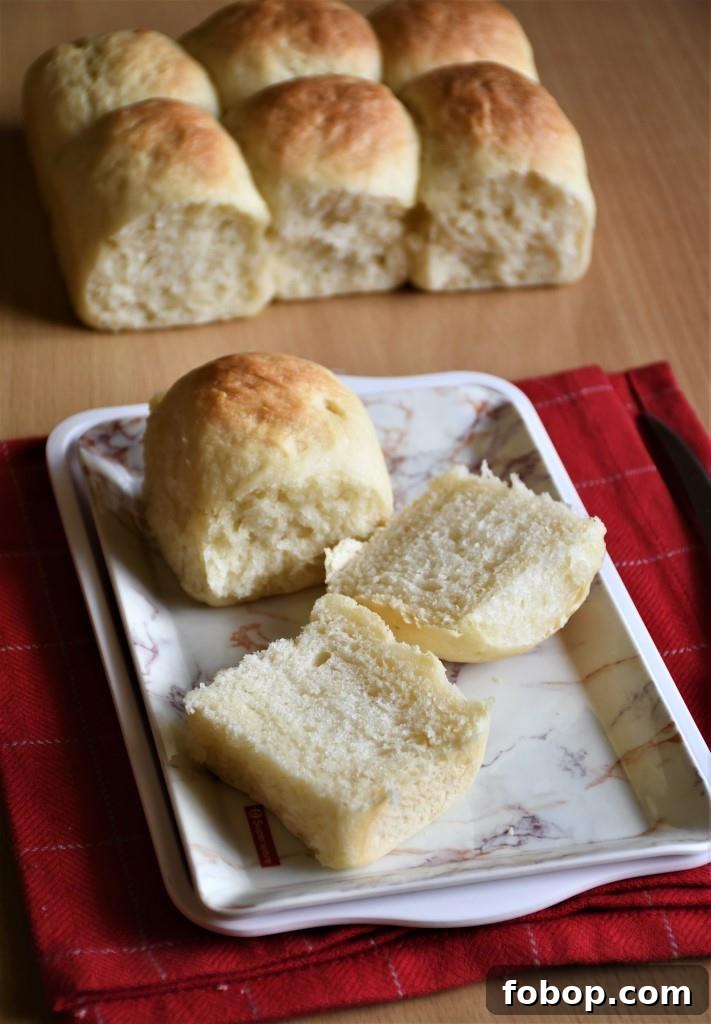
Converting recipes this way is simple, but it helps to have prior sourdough experience—knowing how to handle dough, how long your dough typically proofs, and how your starter behaves. I haven’t gone into the basics of handling or troubleshooting here, because this post focuses on conversion and tips for softer, less sour loaves. I hope these guidelines help you confidently convert and bake your favorite breads with sourdough. Happy baking!