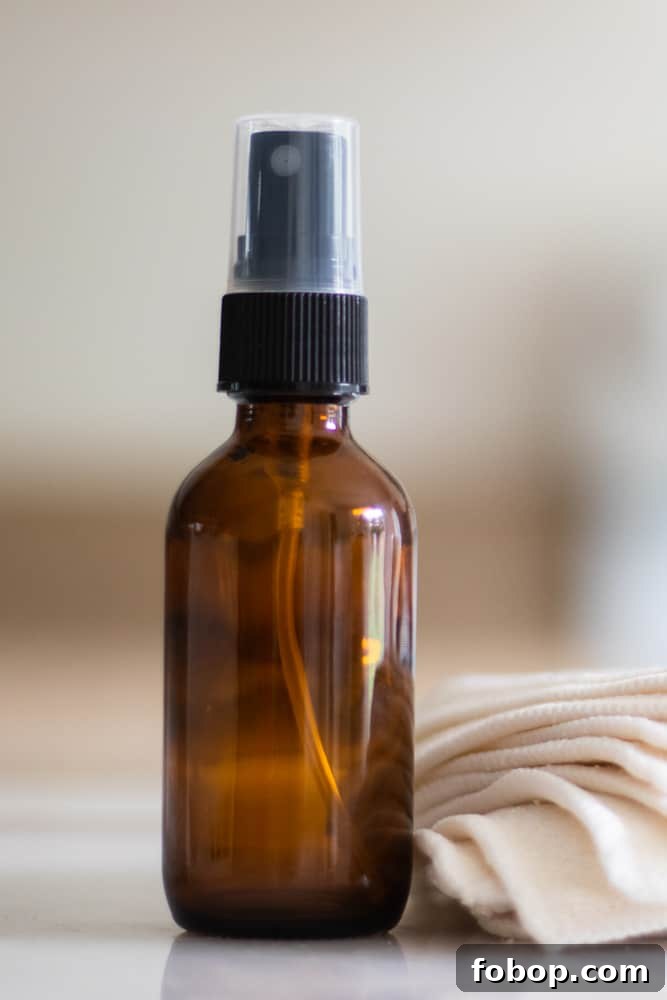
Homemade hair toner is easy to make and ideal for correcting unwanted undertones that often appear after coloring. Below are three all-natural, simple recipes you can use at home to tone your hair and refine the overall color.
This post was originally published in November 2020.
These DIY toners are straightforward and use ingredients you may already have in your kitchen or bathroom. They let you customize the intensity to match your hair color and the specific undertones you want to neutralize.
Toner is a helpful finishing step after dyeing: it adjusts unwanted warm tones like brassiness or yellow, helping your color look more even and polished. While salon toners can be very effective, these homemade alternatives work well for many people and are a quick, low-cost option for maintenance between appointments.
WHAT IS HAIR TONER?
Hair toner adjusts the undertone of colored or treated hair without completely changing the base color. It selectively reduces or neutralizes certain pigments to blend tones and refine the final shade. Toner is especially common for blonde hair to remove brassy or yellow tints, and it shows the most noticeable effect on lighter hair.
Important: toner works on hair that has been colored or chemically treated. If your hair has never been dyed, these toners won’t alter its natural color in any significant way.
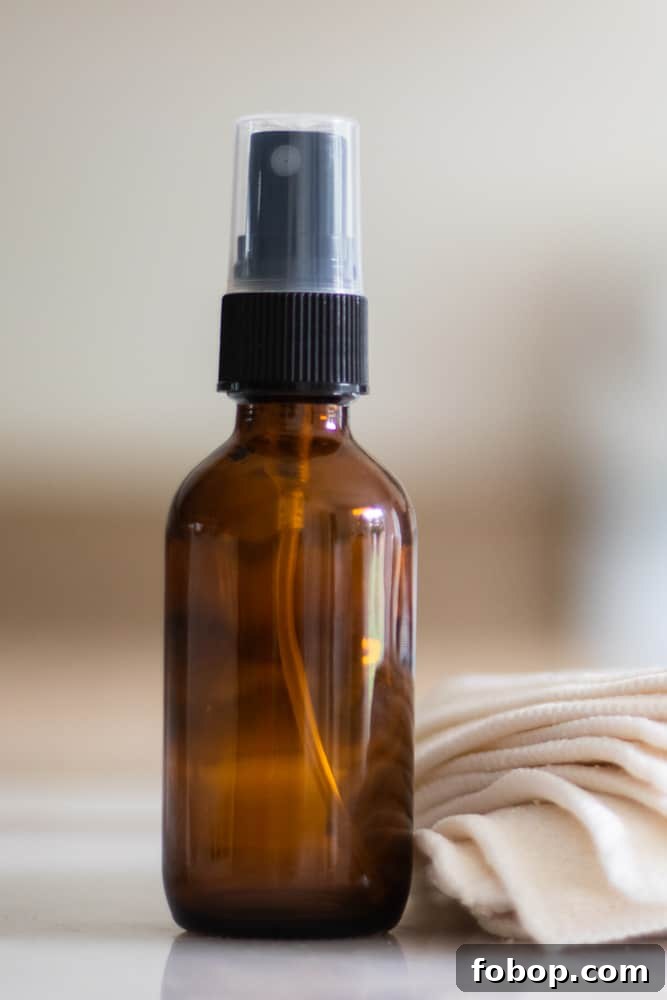
Why you’ll love these hair toners
- Simple to make and easy to apply at home.
- Long-lasting results—one application can last several weeks to a couple of months depending on hair washing frequency.
- Three different recipes to suit different hair needs and tones.
- Made with natural or common household ingredients—no synthetic dyes or harsh chemicals in these methods.
How to make hair toner
Choose the recipe that best matches your hair type and the undertone you need to correct. Key ingredients used here include baking soda, apple cider vinegar, and lemon juice. Use each method in moderation—overuse can dry or damage hair. Most stylists recommend reapplying toner every 6–8 weeks as needed.
These recipes are intended for occasional use and for one-time application; discard any excess product after use.
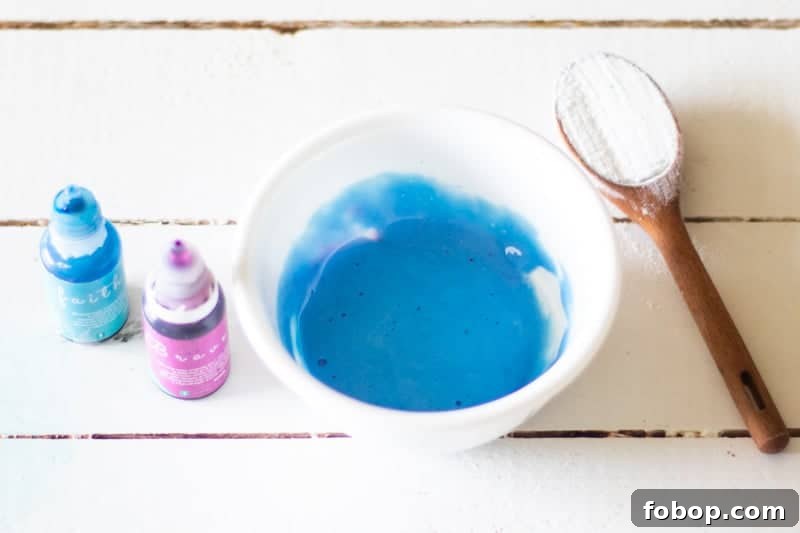
Baking soda hair toner
This option uses baking soda mixed into a sulfate-free shampoo with a tiny amount of purple and blue coloring to counteract orange or brassy tones. Because baking soda has a high pH, use this method sparingly: excessive use can dry the hair and increase breakage.
What you will need
- Sulfate-free shampoo (important—formula matters here).
- About 2 drops of purple food coloring and 2 drops of blue food coloring (very small amounts).
- 1 teaspoon of baking soda.
Instructions
- Squeeze a normal-shampoo amount into a small bowl.
- Add the purple and blue coloring and mix well.
- Sprinkle in the baking soda and stir until blended.
- Apply to damp hair, distribute evenly, and leave on for about 10 minutes, then rinse thoroughly.
- Condition afterward and avoid contact with skin if possible to prevent temporary staining.
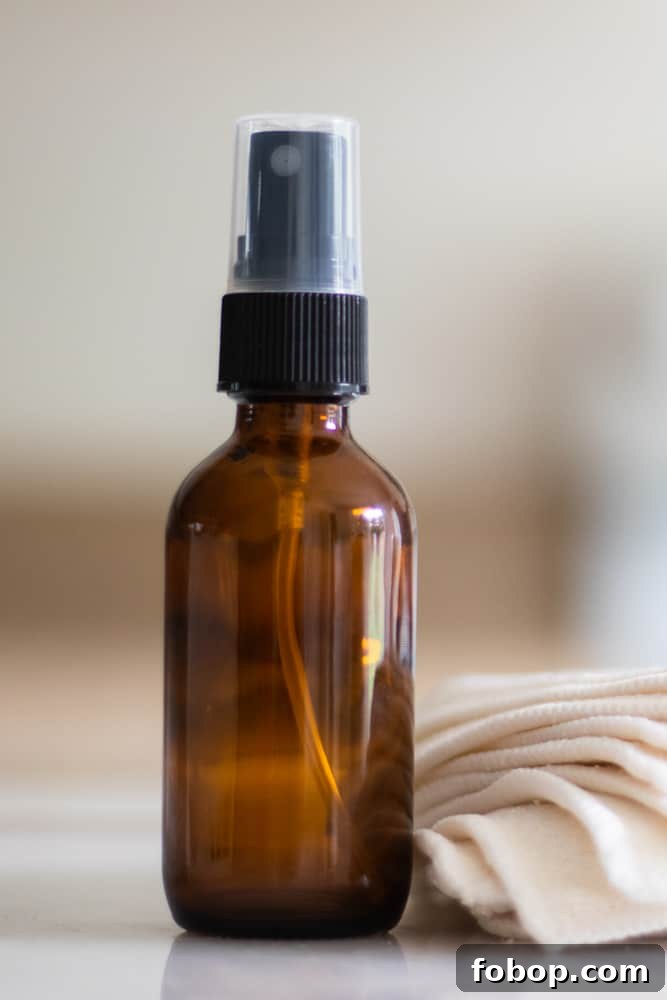
Apple cider vinegar hair toner
Apple cider vinegar (ACV) is a gentle acidic rinse that helps remove yellow tones and can subtly brighten hair. It also helps smooth the hair cuticle, which improves shine. For a simple toner, dilute ACV with water and apply as a spray or rinse.
What you will need
- Apple cider vinegar
- Water
- Spray bottle
Instructions
- Mix equal parts apple cider vinegar and water in a spray bottle.
- Shake well to combine.
- Spray generously on damp hair, ensuring full coverage.
- Let sit for about 15 minutes, then rinse with water.
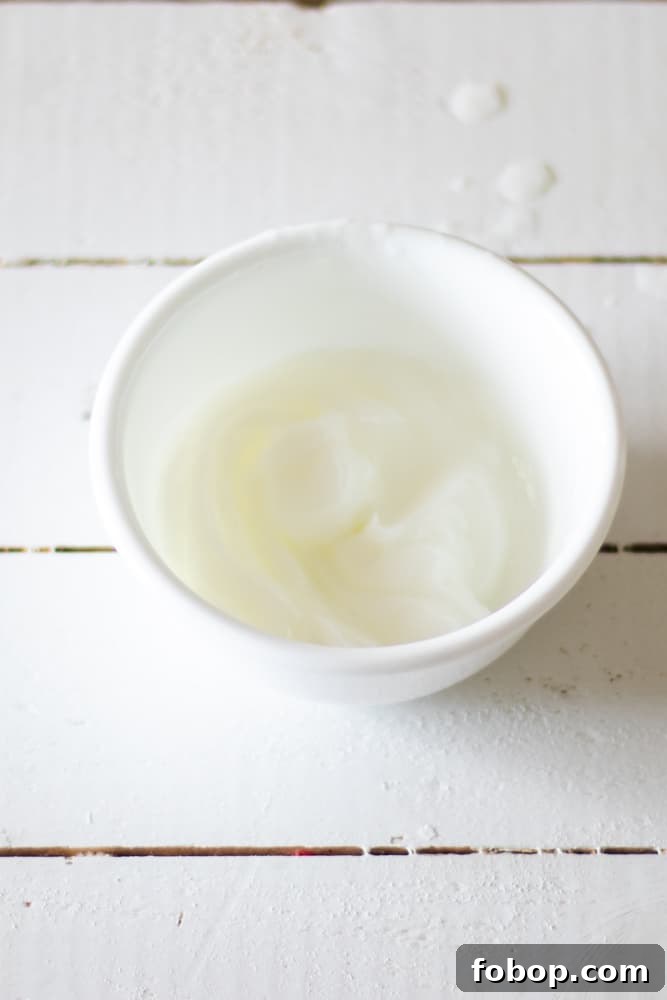
DIY hair toner with lemon
Lemon juice is a natural lightening and clarifying agent, especially useful on lighter hair to remove unwanted purple, gray, or silver tints. Because lemon can be drying, combine it with conditioner to preserve moisture while toning.
What you will need
- Juice from about 3 lemons (or an equivalent amount of bottled lemon juice).
- 1/4 cup of a moisturizing conditioner.
- A small bowl and a comb to distribute the mixture evenly.
Instructions
- Mix lemon juice with the conditioner in a bowl.
- Work the mixture into damp hair and comb through to coat every strand.
- Allow it to sit for 20 minutes to an hour, depending on how much lightening or toning you want.
- Rinse and wash hair as usual.
Hair toner tips
- Always apply toner to wet hair for even absorption. If reapplying, shampoo first and lightly towel-dry before application.
- Do not leave toners on longer than recommended; wash them out within an hour to reduce risk of damage.
- Longevity depends on your hair-washing routine—results typically last several weeks to a couple of months.
- Use sparingly; frequent or daily use can dry and weaken hair.

In Summary
- Homemade hair toners effectively correct undertones and are most noticeable on lighter, treated hair.
- Apply toner to damp hair and follow the recommended timing for each recipe.
- Do not use DIY toners daily; moderate use preserves hair health and prevents dryness.
Recipe box — Homemade Hair Toner
Homemade Hair Toner
Choose one of these simple toners to refine the tone of dyed hair. These recipes are intended for single use—discard any leftover mixture.
Ingredients
Baking Soda Toner
- 2 tbsp sulfate-free shampoo
- 2 drops purple food coloring
- 2 drops blue food coloring
- 1 tsp baking soda
Lemon Toner
- Juice from 3 lemons
- 1/4 cup conditioner
Apple Cider Vinegar Toner
- 1/4 cup apple cider vinegar
- 1/4 cup water
Instructions
Baking Soda or Lemon Toner
- Combine the ingredients in a small bowl and mix until uniform.
- Apply to wet hair and use a comb to distribute evenly.
- Let sit for about 10 minutes (lemon toner can be left up to an hour), then rinse thoroughly.
Apple Cider Vinegar Toner
- Mix equal parts apple cider vinegar and water in a spray bottle and shake.
- Spray on damp hair to cover completely.
- Rinse with warm water after about 15 minutes.
This content is for informational purposes only. Test a small strand of hair first and discontinue use if you experience irritation or unwanted results.