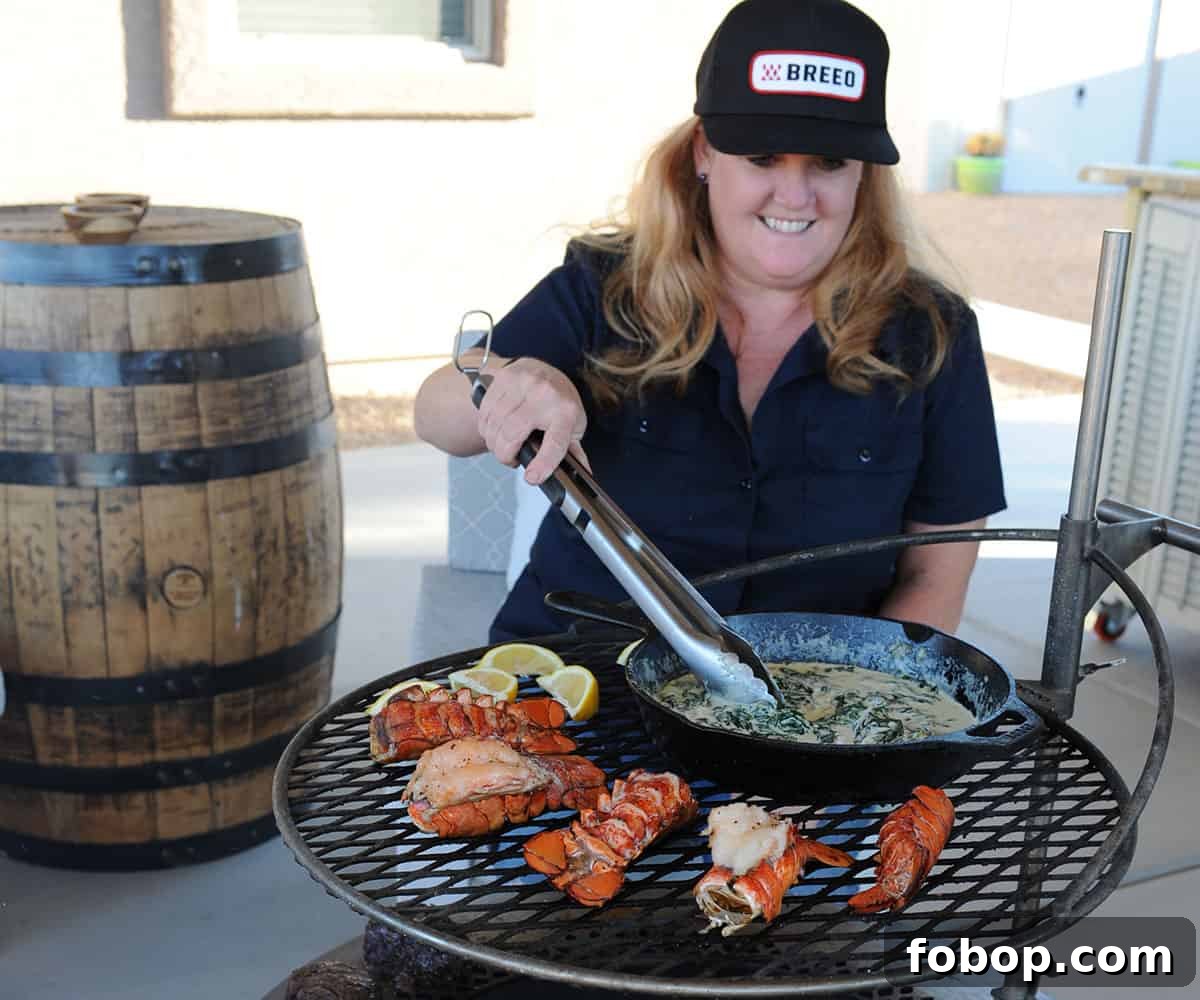
I partnered with TrueCar to deliver a virtual BBQ demonstration called Skills on the Grill for more than 400 of their employees as part of their summer program, Camp TrueCar.
TrueCar is an automotive digital marketplace that connects consumers with a nationwide network of Certified Dealers. With a broad inventory and a growing suite of vehicle discovery tools, TrueCar aims to make auto shopping more personalized and more efficient by bringing more of the process online. Visitors can explore price ratings, market context, and listings for new, used, and Certified Pre-Owned vehicles.
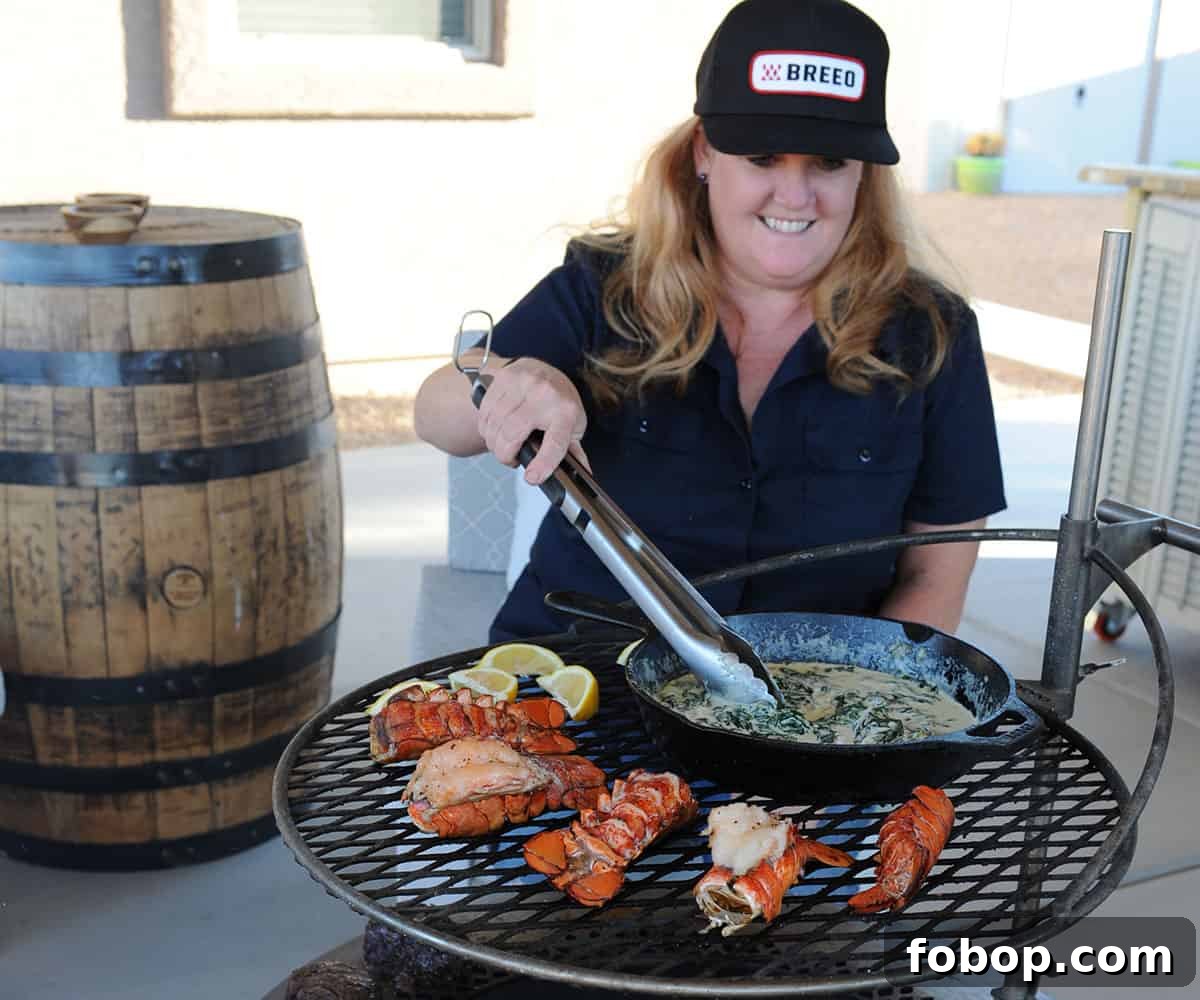
Want to sharpen your grilling skills but unsure where to begin? Below I cover grill types, essential tools, and practical techniques. I also walk through how to grill chicken properly, prepare pulled jackfruit as a vegetarian pulled-pork alternative, and make a skillet mac and cheese that’s perfect for a campfire or backyard cookout.
Skills on the Grill
Types of Grills
Most grills run on one of four heat sources: gas, charcoal, wood pellets, or electricity. Each type offers distinct advantages depending on how you like to cook and the flavors you want to achieve.
Gas grills are the most common in American homes. They run on portable propane tanks or on natural gas lines. Temperature control is quick and convenient—turning control knobs adjusts the gas flow and the heat level.
Charcoal grills come in many styles, from the classic keg-shaped kettle to ceramic cookers and drum smokers. You can use either briquettes or lump charcoal. Heat is regulated by adjusting vents; opening vents increases oxygen flow and raises the temperature.
Pellet grills have become popular for their ease of use. You fill a hopper with wood pellets, set the desired temperature, and the grill feeds pellets to maintain a steady heat and smoke level. They are excellent for slow, low-and-slow smoking or for set-and-forget cooks.
Electric grills plug into an outlet and are often used indoors or on patios where open flame is restricted. Indoor electric models don’t produce much smoke, while some outdoor electric grills let you add wood chips for more smoke flavor.
Managing Heat
Grilling is largely a practice in heat management. Some foods benefit from direct, high heat for searing, while others need indirect, gentler heat for even cooking. Knowing how to control zones on your grill is essential.
Pellet grills operate as indirect heat cookers by design, with a heat deflector that keeps food out of the direct flame. Some models offer accessories or features that allow you to expose the food to direct heat for searing.
Ceramic cookers are versatile: a heat deflector lets you choose between direct and indirect cooking. Standard charcoal and many gas grills are often used for direct cooking, but you can create indirect zones by moving coals to one side or turning off burners on a gas grill.
A two-zone setup—one hot side and one cooler side—gives you flexibility to sear, then move the food to a gentler area to finish cooking without burning the exterior.
Cooking Temperatures
Most grilling finishes happen at temperatures of 350°F and above. Traditional smoking, by contrast, usually takes place at lower temperatures, around 225–250°F for longer, slower cooks.
Every recipe should specify the recommended grill temperature and whether the food should be cooked over direct or indirect heat. Knowing the target temperature and the cooking method helps you plan the timing and when to apply sauces or finishes.
Some approaches combine both methods. For example, a reverse-sear technique starts meat at a low temperature over indirect heat, then finishes it over high direct heat to build a deep crust and final sear.
Food Temperatures
To ensure safe and juicy results, follow recommended internal temperatures for proteins. An instant-read thermometer is the most reliable tool to check doneness and avoid overcooking.
- 165°F — chicken, turkey
- 145°F — pork (whole cuts)
- 165°F — ground meats and sausages
- 125–165°F — steaks (depends on desired doneness)
- 145°F — most seafood
- about 200°F — smoked cuts like pork shoulder, brisket, and ribs when cooking low and slow
Temperature checks are useful for vegetables, too. Potatoes, for example, are typically tender when cooked to roughly 205–210°F.
Marinating, Brining, Saucing, Glazing
At a minimum, season with salt and pepper. Beyond that, spice rubs, marinades, and brines can transform flavor and texture. I use a variety of rubs on proteins and vegetables to add depth before cooking.
Marinades often contain an acidic component—vinegar, citrus, or wine—that can help tenderize and infuse flavor. They work well for cuts that benefit from both flavor and some tenderizing action.
Brines use salt to improve juiciness and texture. Wet brines are salt solutions often mixed with sugar and aromatics; meat soaks in the liquid in the refrigerator. Dry brines are a salt-heavy seasoning rubbed on the meat, then allowed to rest in the fridge so the salt can penetrate and season evenly.
Sauces and glazes that contain sugar should generally be applied toward the end of the cook. Applying sugary sauces too early risks burning before the interior reaches the correct temperature. Add these finishes in the final minutes or toward the end of a longer cook so the sauce can caramelize without charring.
Some sauces—like tangy white barbecue or vinaigrette-style dressings—are best served on the side as dips or finishing condiments rather than as cooking glazes.
Tools and Equipment
Your grill is the centerpiece, but a few additional tools make grilling safer and easier. Long-handled tongs and a long-handled spatula are essential for flipping and turning. A charcoal chimney simplifies starting a charcoal fire, and heat-resistant gloves protect your hands when working close to hot grates.
For pellet grills, a small shop vacuum helps remove ash buildup periodically. The most important precision tool is an instant-read thermometer—it’s the best way to ensure consistent, perfectly cooked results every time.
Recipes
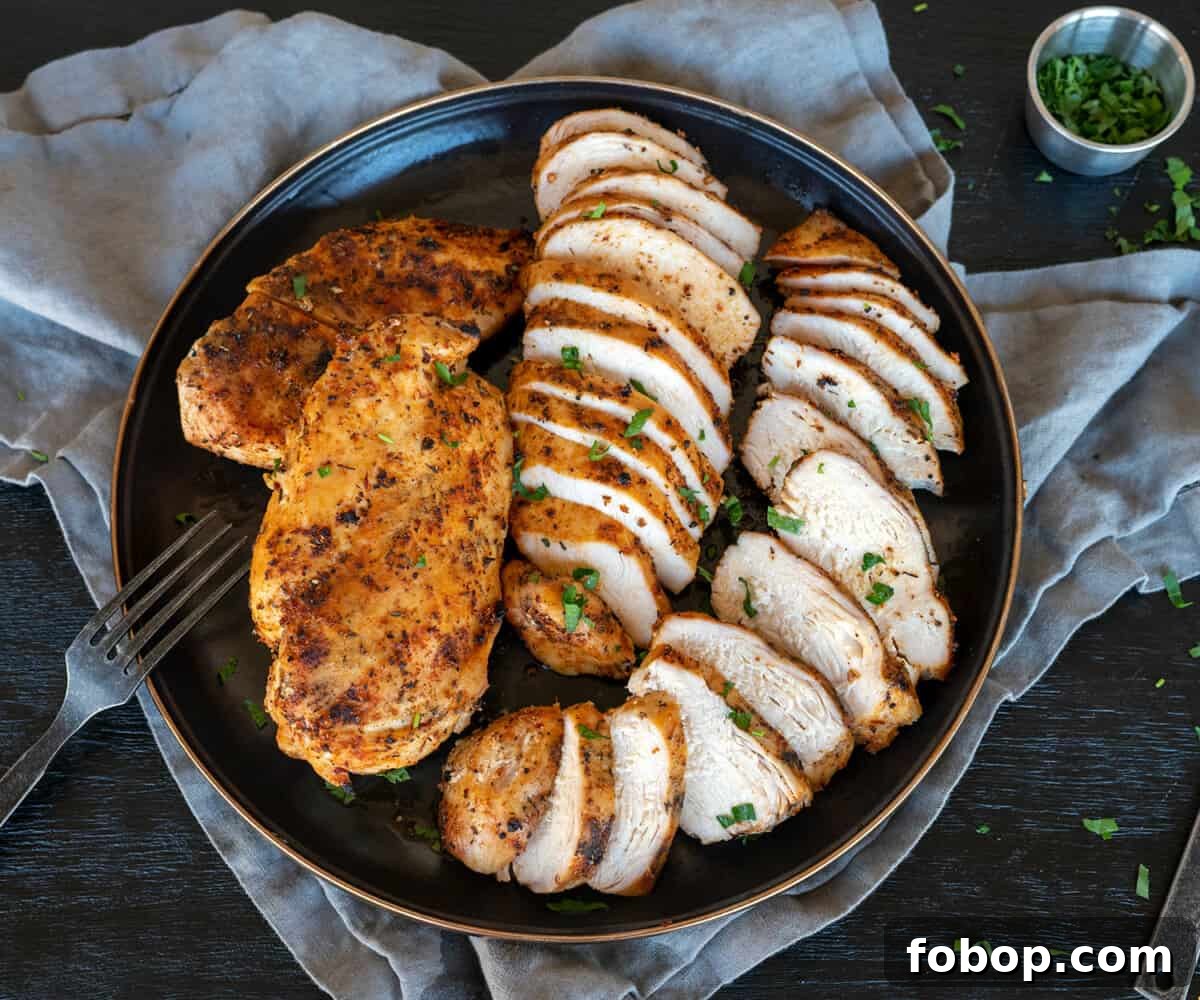
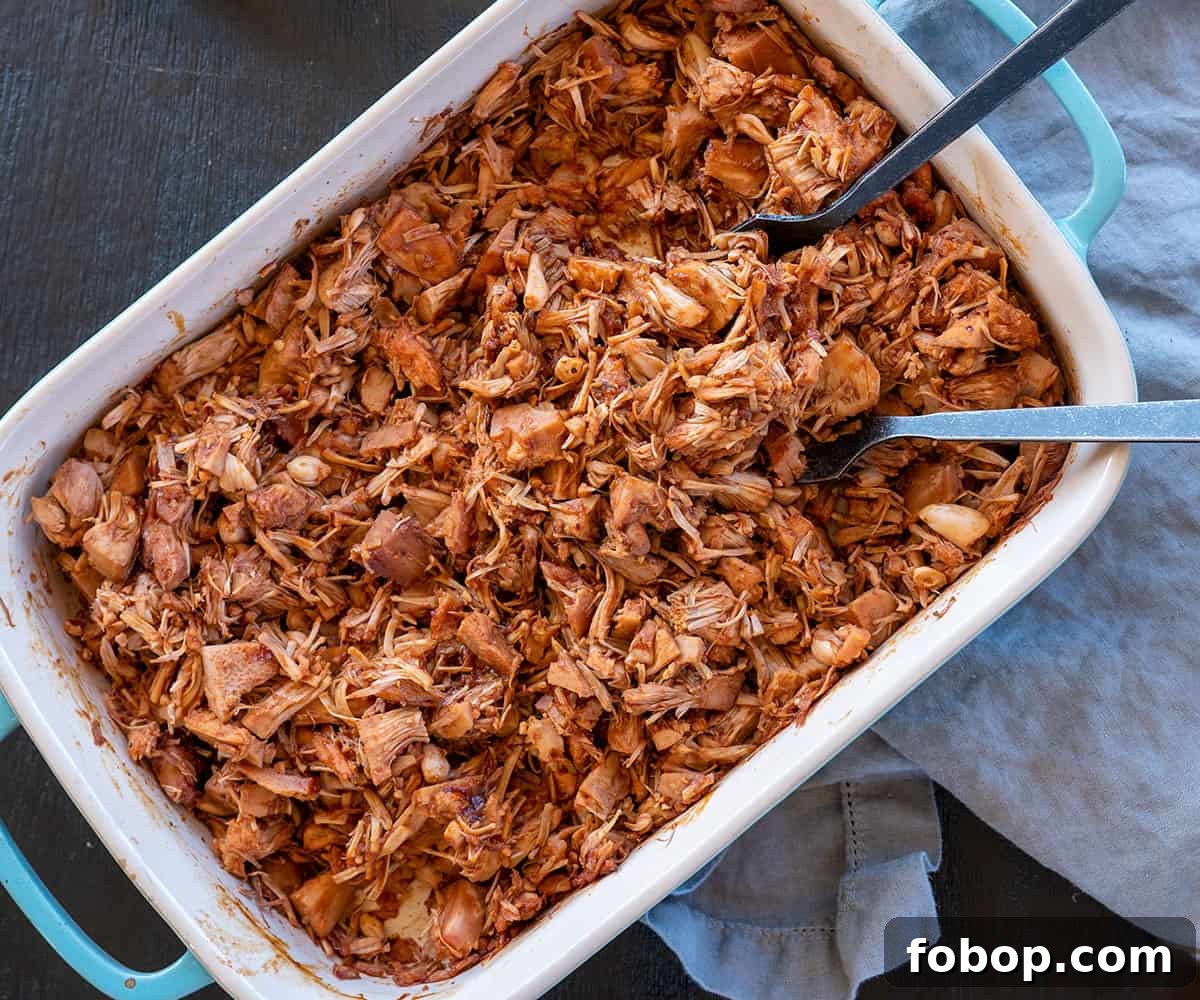
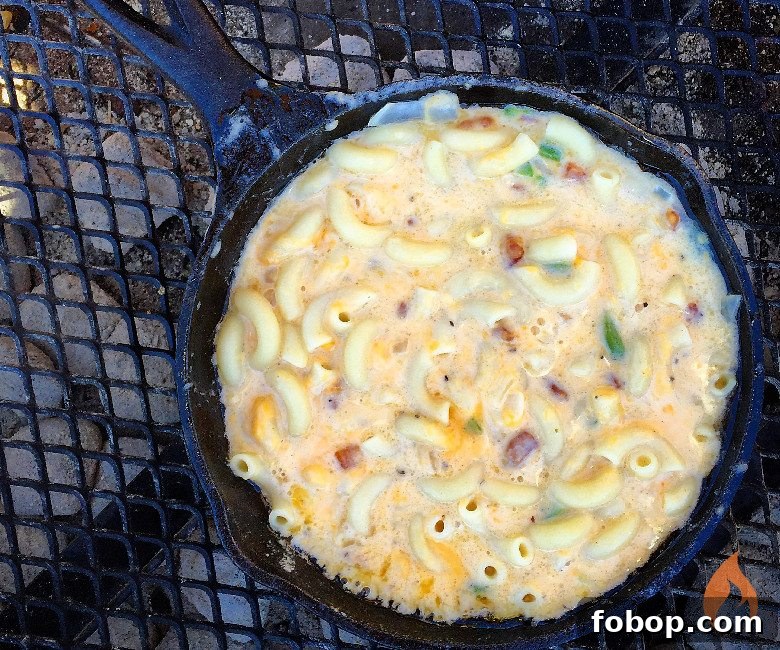
With the basics covered, here are three recipes that showcase common grilling approaches: juicy grilled chicken breasts, a smoked BBQ jackfruit that serves as a vegetarian pulled-pork alternative, and a campfire skillet mac and cheese—comfort food made simple whether you’re at home or camping.
Want more grilling recipes and practical tips? Subscribe to the newsletter for regular updates and follow the author on social media for the latest grilling adventures. If you try a recipe, please leave a comment and rating so others can learn from your experience.