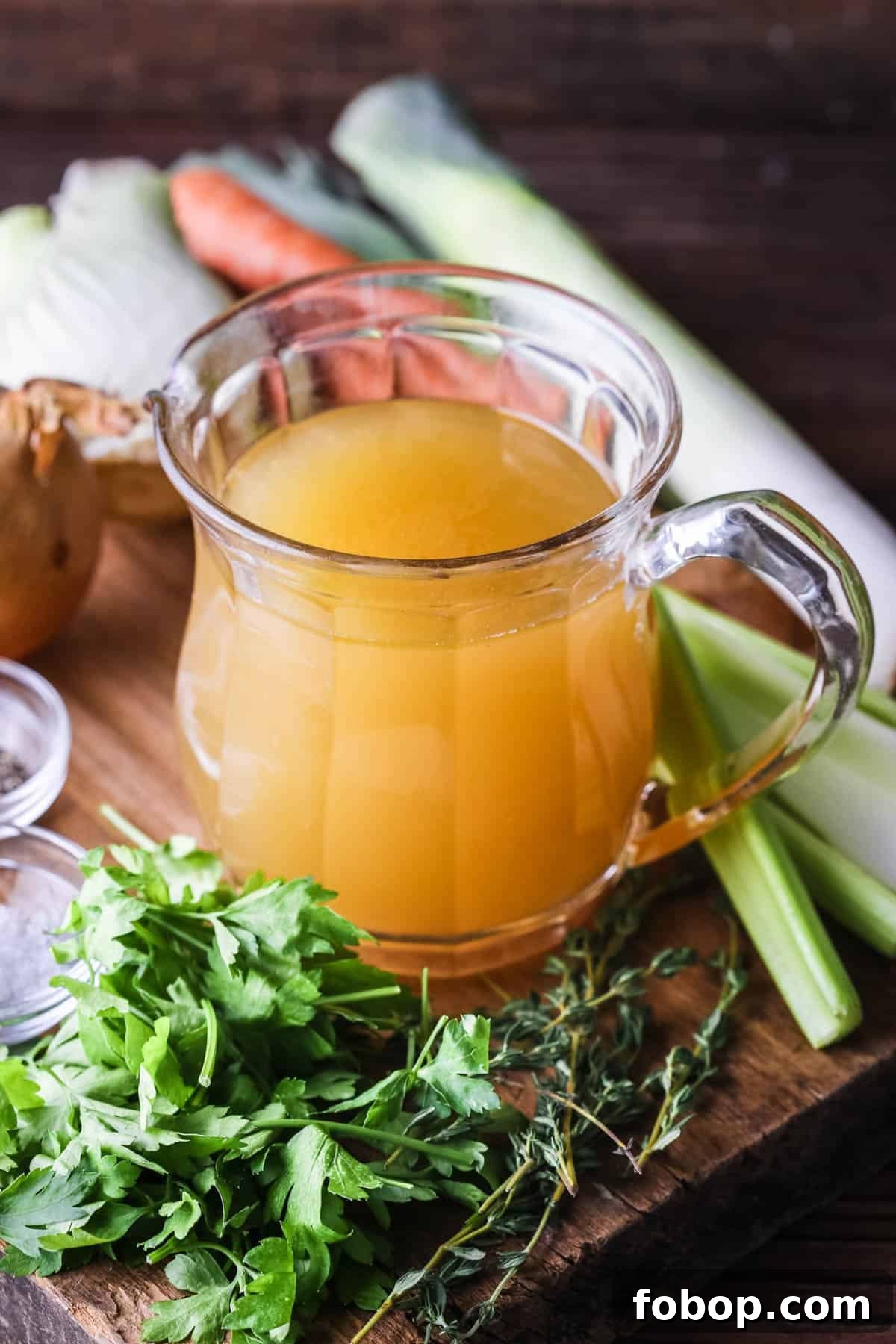
This easy homemade poultry stock is ideal for soups, gravies and pies. It’s made from leftover chicken or turkey bones for authentic, concentrated flavour. Below you’ll find clear instructions for making stock on the stovetop or in a pressure cooker, guidance on aromatics and equipment, and practical tips for cooling, storing and thawing so you always have quality stock ready to lift your dinners.
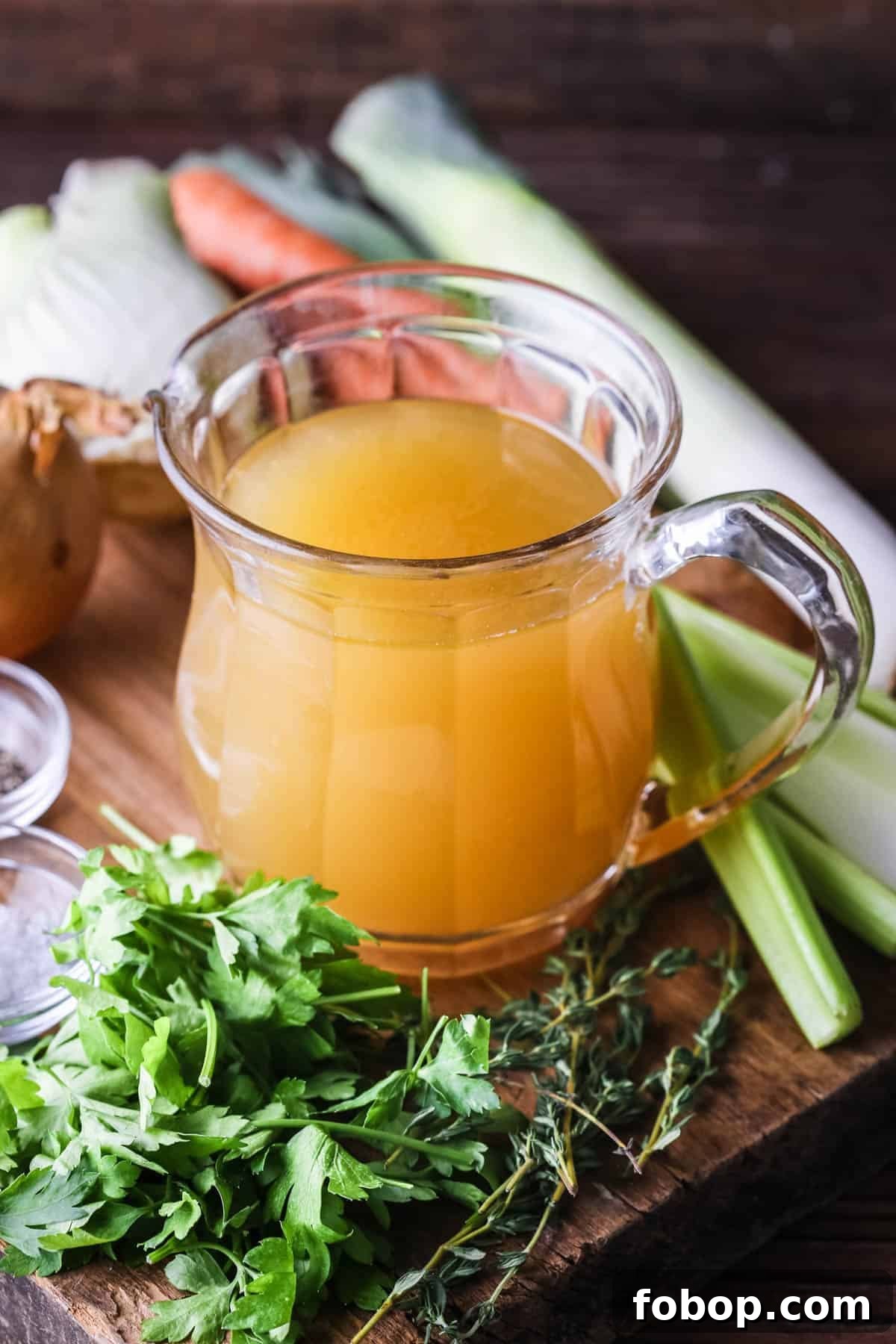
I’ve made chicken and turkey stock since I started cooking for my family in my late teens. For years I preferred making my own rather than buying stock cubes, keeping batches in the freezer for everyday use. With young children I now keep some gluten-free stock cubes for quick needs, but fresh stock remains incomparable in flavour and texture.
Homemade stock shines in recipes where the liquid’s depth and mouthfeel matter—risottos, casseroles, and especially homemade gravy. It’s a simple, economical way to turn bits and leftovers into a versatile flavour base.
In this guide I share practical tips from years of making stock both on the stove and in a pressure cooker: how to collect and freeze bones, which vegetables and herbs to use, how to cool and store stock safely, and the best ways to thaw and reheat it.
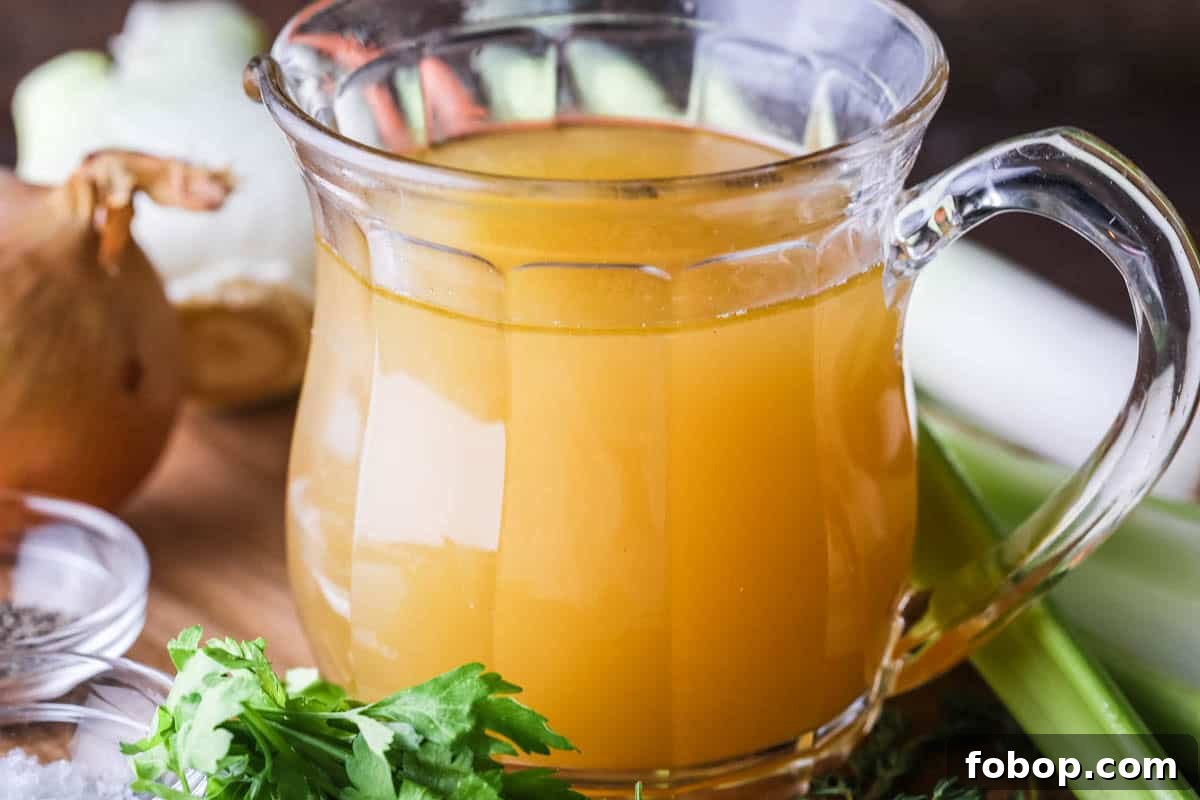
Frozen bones
Save any leftover poultry bones in labelled freezer bags. I keep a bag in the freezer for chicken bones collected after meals—wings, carcasses, plate scraps—then make stock when the bag is full. You can use frozen bones straight from the freezer; no thawing required. A single roast turkey carcass often yields enough intensely flavoured stock for multiple dishes and is worth making immediately after a roast.
Homemade stock vs stock cubes
Making your own stock gives you control over flavour, salt and intensity. Fresh herbs and real bones deliver a brighter, deeper characteristic than dried or processed stock cubes. You can adjust salt to taste, dilute or concentrate the stock as needed, and use vegetable scraps and bones that might otherwise be wasted, making it economical and sustainable.
Homemade stock also produces superior texture—silky, unctuous sauces and gravies—and can be made to suit dietary needs, such as gluten-free cooking, by controlling the ingredients.
Ingredients needed
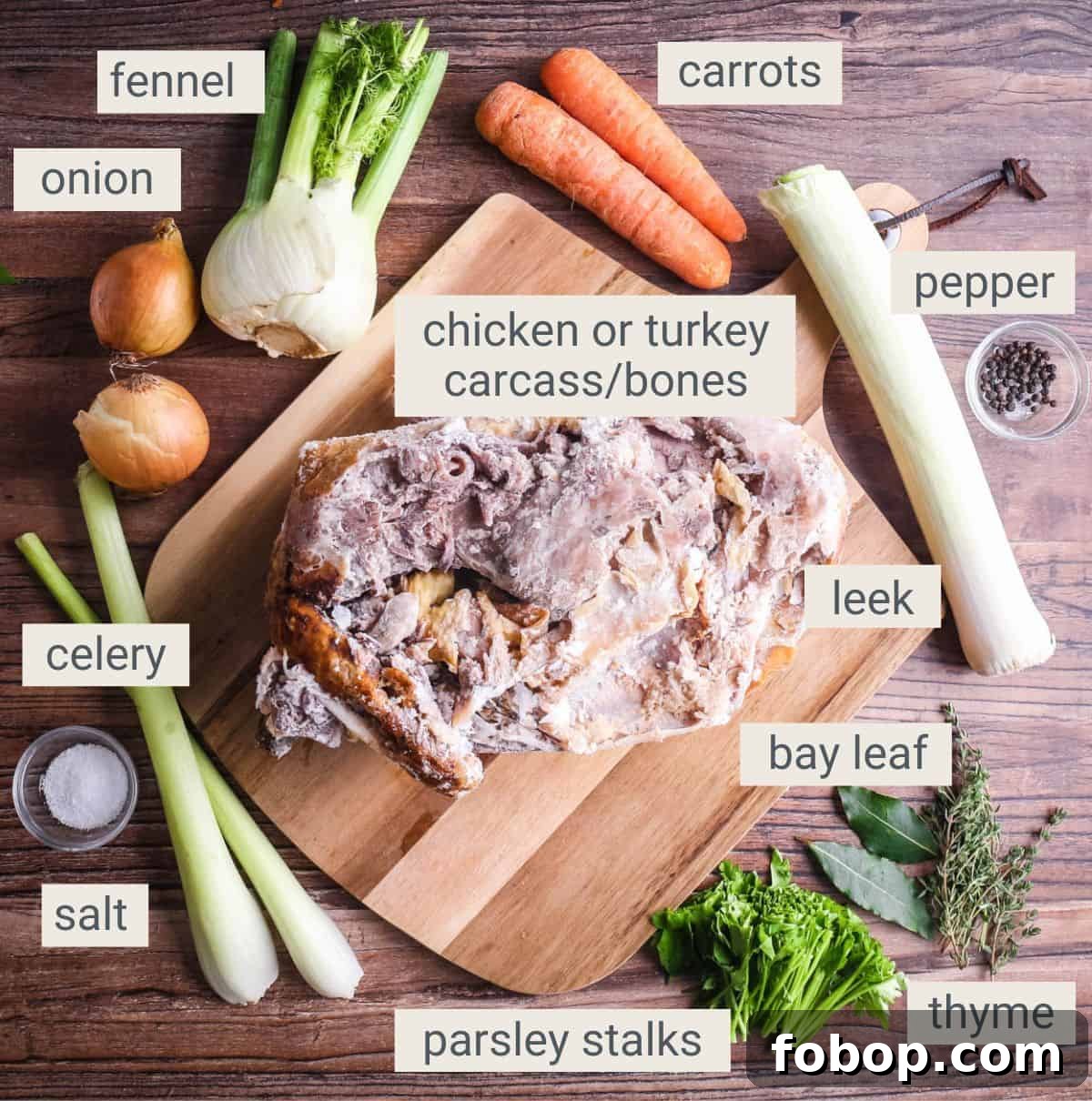
- Poultry bones: chicken or turkey carcasses or a mix of bones. Turkey gives a more intense flavour; label your batches accordingly.
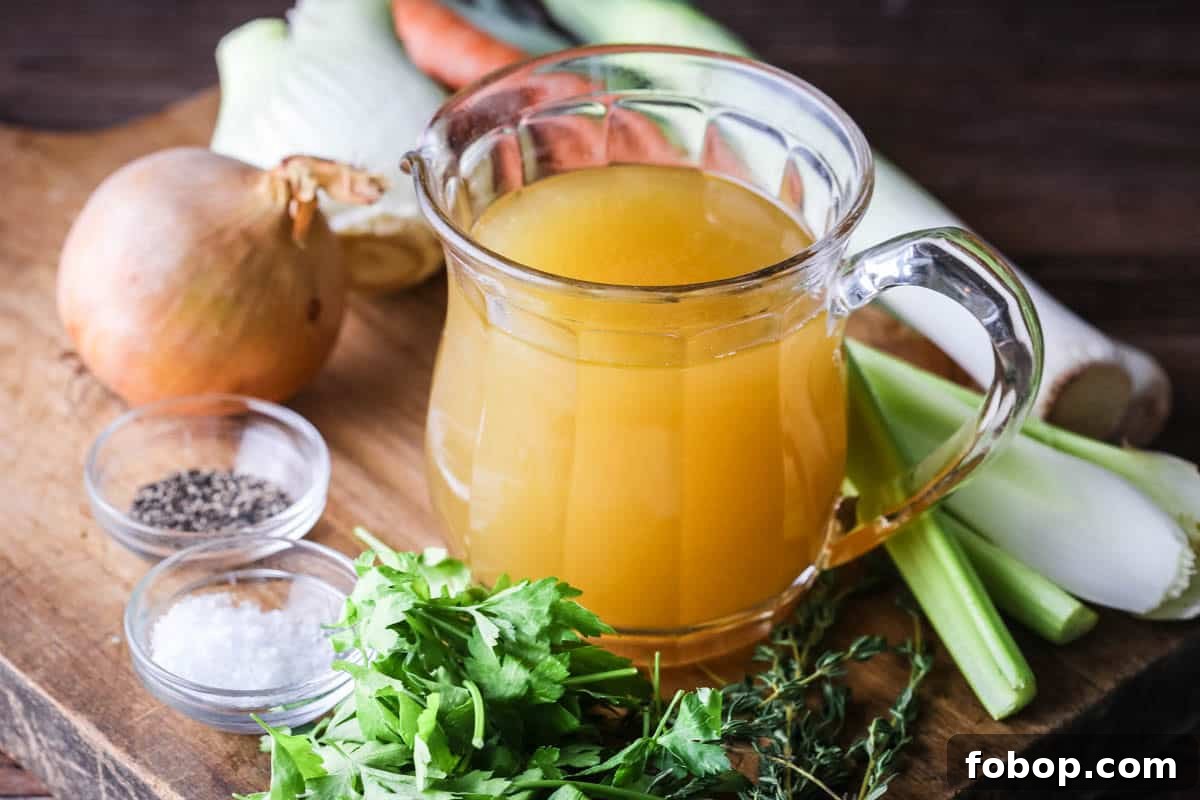
- Vegetables: carrots, onion and celery form the core base. Leek, fennel and other veg are optional—use what’s on hand as long as it’s clean and edible.
- Aromatics: parsley stalks, bay leaves and thyme are common choices. Fresh herbs are preferable, but omit any you don’t have—bay leaf and onion plus carrot and celery will still make a great stock.
- Seasoning: salt and whole black peppercorns. Salt is optional if you want a neutral base to season later; use less table salt than kosher salt if substituting.
Suggested equipment
- Fine sieve or chinois: for a cleaner, clearer stock.
- Large stock pot or Dutch oven: to hold bones, veg and water with headroom to prevent boil-over.
- Instant Pot / pressure cooker: optional for faster results and stove space savings.
- Ice bath container and lots of ice: essential for rapid cooling to food-safe temperatures.
- Food-grade storage bags or airtight containers: for cooling and freezing portions.
- Food bag holder or clip stand: helpful when filling bags with hot liquid.
- Digital thermometer: useful for checking cooling temperatures but not required if you follow the ice bath timing guidance.
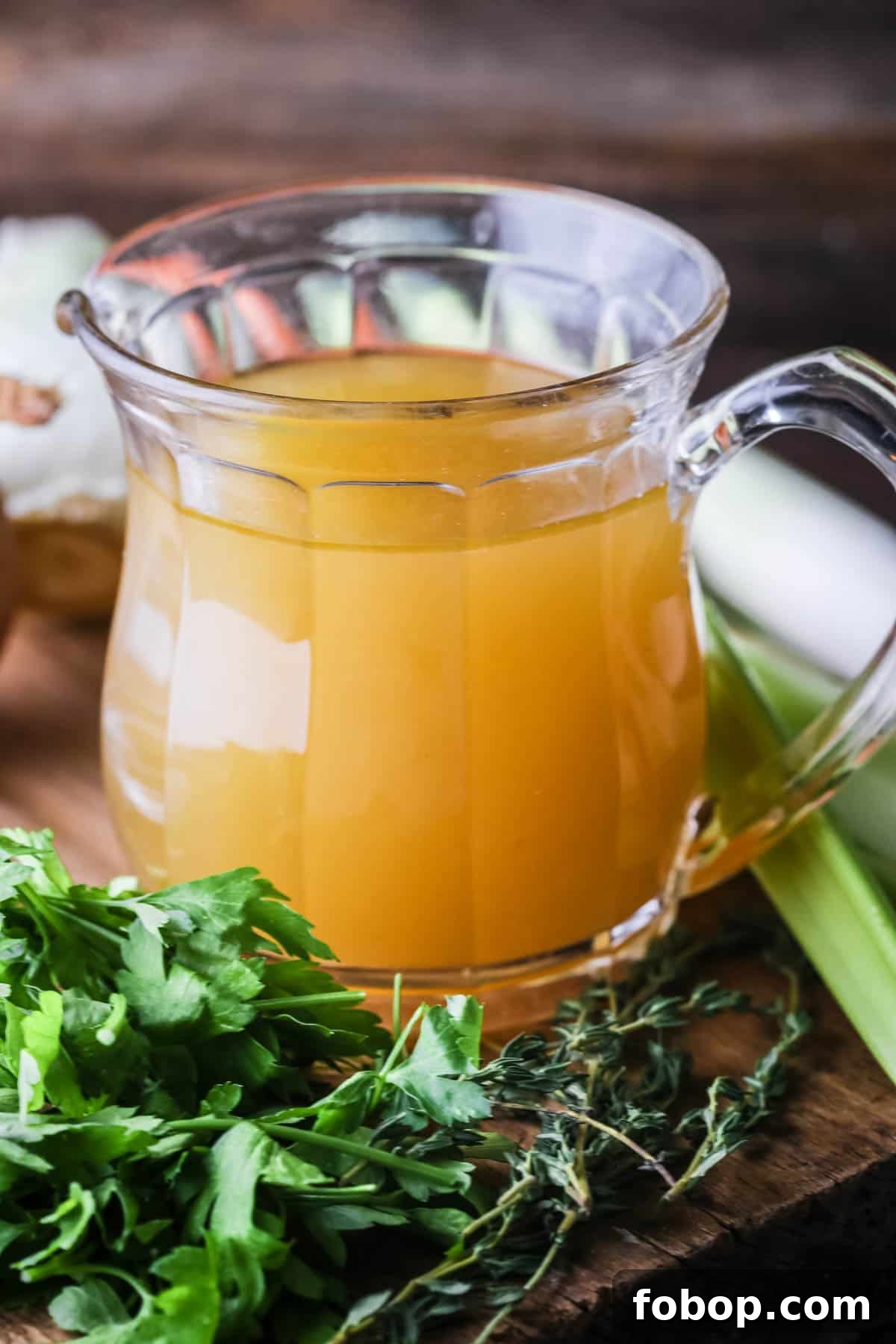
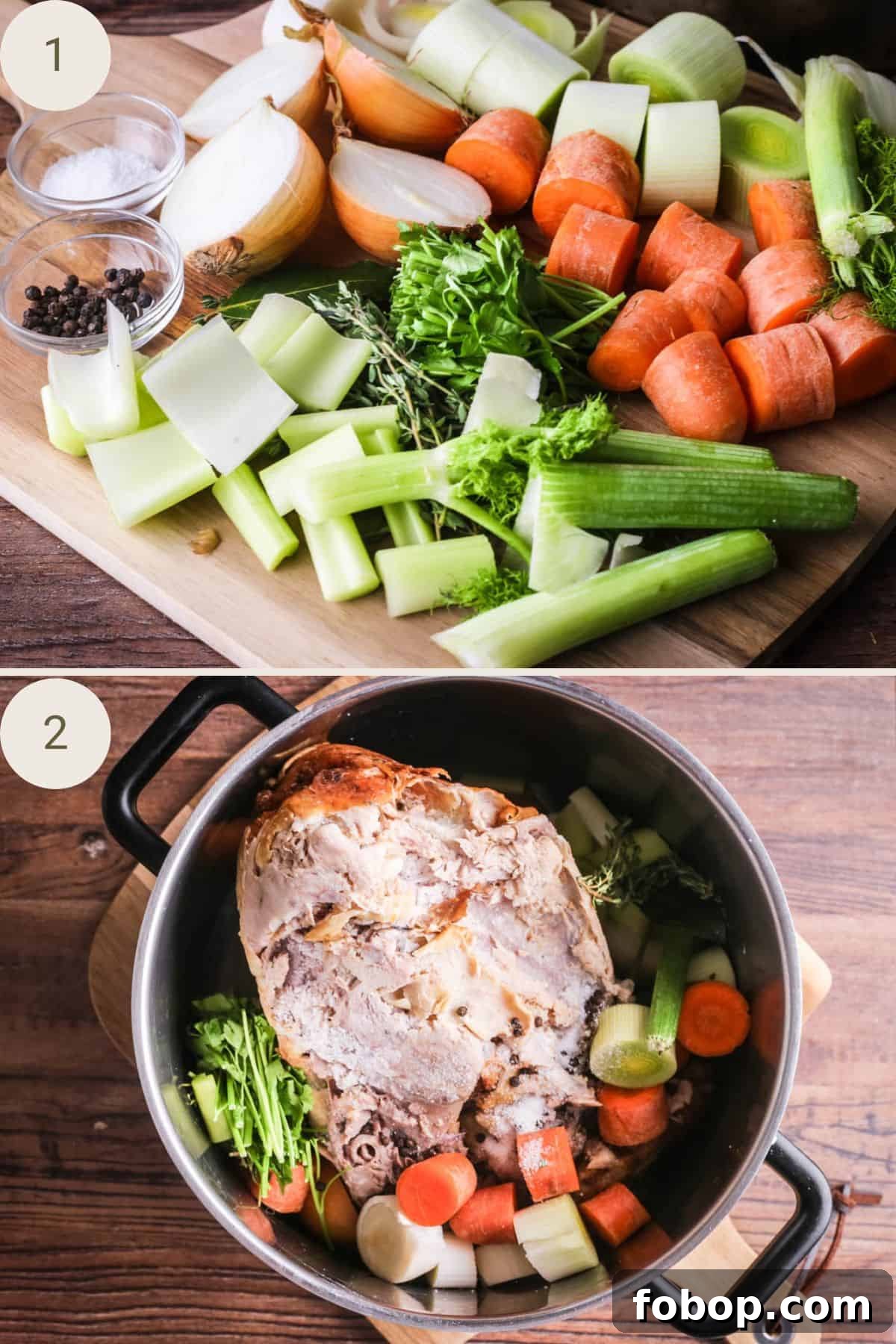
How to make chicken or turkey stock
Roughly chop vegetables—no need to peel, just wash—and place them in the pot with the bones, herbs, salt and pepper. Cover with cold water so everything is submerged, leaving headroom to avoid boil-over.
Stovetop method: bring the pot to a gentle simmer over medium-high heat, then reduce to maintain a gentle simmer. Simmer covered for about 2 hours for chicken or 3–4 hours for turkey. Avoid a rolling boil to keep the stock clear, and skim any foam or impurities from the surface occasionally.
When the cooking time is up, turn off the heat and strain the stock into a container with a pour spout.
Pour strained stock into food-grade bags or containers, expel excess air and seal. Place sealed bags in an ice water bath to cool rapidly to 4°C (39°F) within 90 minutes; this usually takes about an hour. Replenish ice as needed and check with a thermometer if you have one.
Once cooled, store the stock in the refrigerator for up to three days or freeze in portions for longer storage.
Making stock in the Instant Pot / pressure cooker
The Instant Pot speeds up stock-making and frees up the hob. Add bones, vegetables and aromatics to the pot, fill with water to the maximum line, seal the lid and pressure cook for 45 minutes for chicken or 60 minutes for turkey. Allow a 10-minute natural release, then quick-release the remaining pressure, strain and continue with the same cooling and storage steps described above.
Tips and troubleshooting
If a carcass was seasoned with citrus, remove the citrus rinds to prevent bitterness; leave garlic and herbs if present. Trim excess fatty skin from the bones if you want a leaner stock—fat can be removed after chilling if you prefer.
Ingredient amounts are flexible. Carrots and onions are the essential base; other vegetables and herbs are optional bonuses. You can omit salt to keep a neutral base, and always keep the pot at a gentle simmer, not a furious boil, to avoid cloudiness.
When straining, avoid pressing the solids through the sieve if you prefer a clearer stock. Skim any surface impurities during cooking for a cleaner finish. If you don’t have a thermometer, allow roughly an hour in an ice bath to reach safe temperatures before refrigerating or freezing.
Cooling
Rapid cooling is important for food safety. Prepare an ice bath by half-filling a large container with ice and topping with cold water. Seal cooled, strained stock in bags or containers and submerge in the ice water until the temperature reaches 4°C (39°F) within 90 minutes. Once cooled, store in the fridge for up to three days or freeze.
Freezing
Freeze in airtight containers or bags for up to three months. Portion according to how you use the stock—measure common recipe amounts so you can thaw only what you need. Silicone moulds or portion trays are handy for single-use portions.
Storage options
Food storage bags are convenient for cooling and storing flat in the freezer. Airtight 250–500ml containers are stackable and practical for frequent use. Silicone portion trays (Souper Cubes-style) allow easy pop-out portions and are useful for small quantities. Always label with date, volume and whether it’s chicken or turkey stock.
Thawing
You can heat stock directly from frozen for recipes that need hot stock. For bags, place the sealed bag in warm tap water for a few minutes to loosen, then pour into a saucepan and heat. For rigid containers, run warm water briefly to release the block and heat gently in a saucepan. Silicone portions can be popped out and heated directly.
Using homemade stock
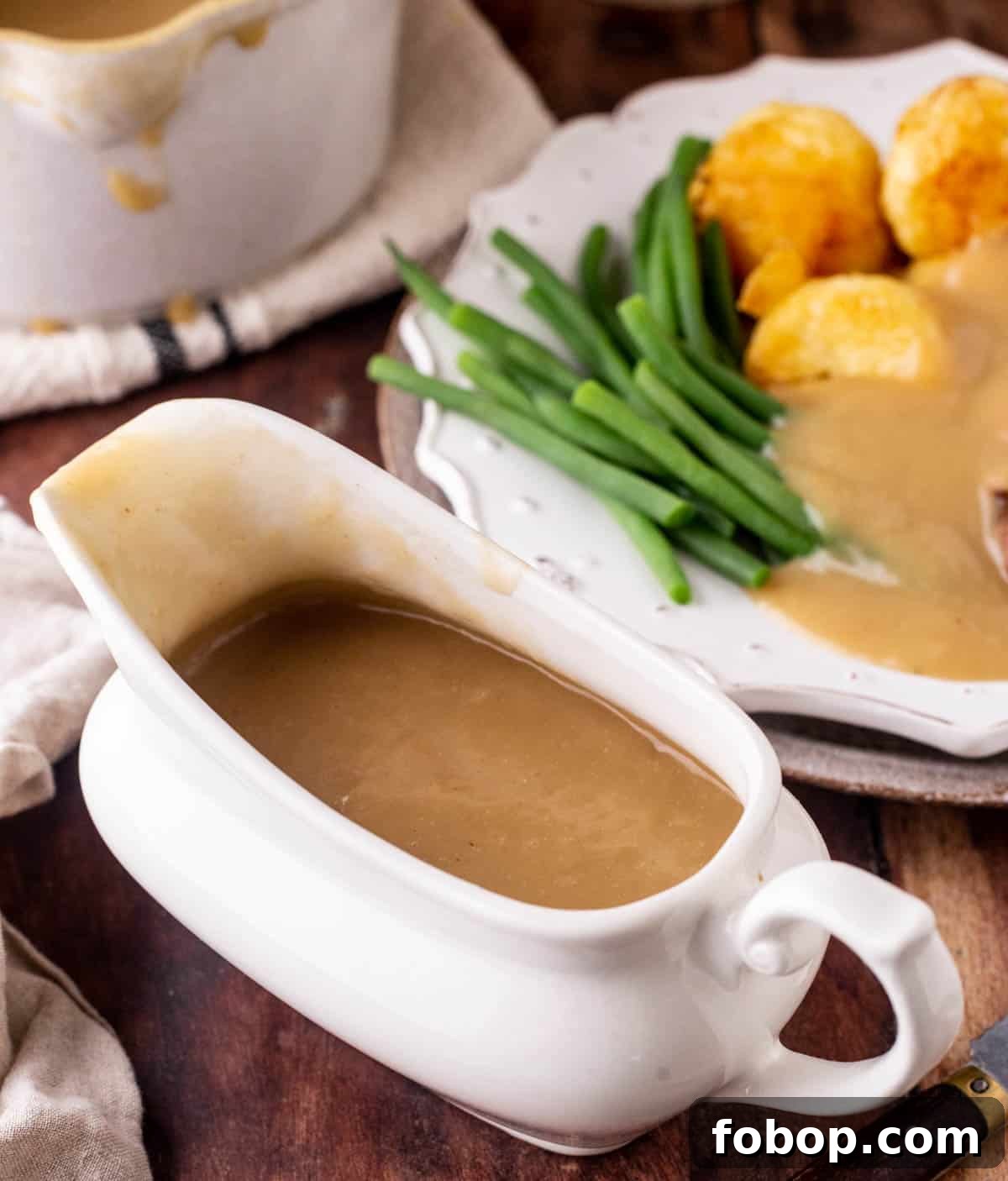
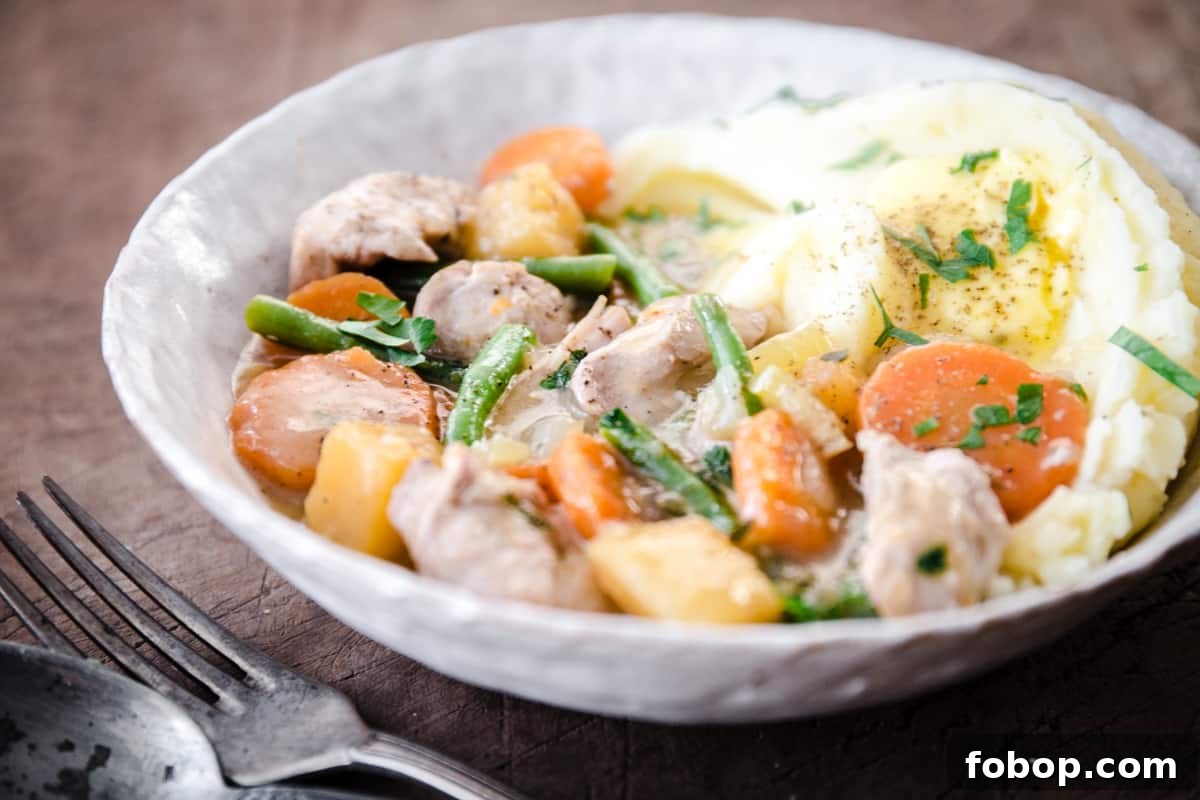
Reserve homemade stock for dishes where liquid flavour really matters: risottos, gravies, casseroles, stews and braises. For quick weeknight meals where stock is only a background liquid, a stock cube is perfectly acceptable. For dishes that benefit most from depth and texture, homemade stock makes a notable difference.
- Shepherd’s Pie
- Homemade gravy
- Chicken casserole
- Creamy meatballs in gravy
- Turkey hotpot
- Risotto
FAQs
They can be used interchangeably in many dishes, but turkey stock is more intense. Use chicken stock for delicate soups or risottos; reach for turkey stock for hearty gravies, stews or casseroles when you want a deeper, more pronounced flavour.
Roasting bones yields a darker, more caramelised stock, but it’s optional. Unroasted bones produce a lighter stock quickly and are perfectly fine for everyday cooking.
Stock is usually made from bones and intended as a cooking ingredient, while broth is often finished and seasoned to drink. “Bone broth” refers to a longer, lower-temperature cook meant to extract more nutrients; this recipe focuses on a practical cooking stock.
Yield depends on pot size and bones used. For two chicken carcasses or one turkey carcass in an 8-litre pot you’ll get roughly 3.5–4 litres. Use a large pot with a lid that comfortably fits bones, vegetables and enough water without risk of boil-over.
If it’s greasy, too much fat or skin was left on the bones. Chill the stock in a rigid container and remove the solidified fat from the surface, or blot with paper towel.
Weak flavour usually means too much water or not enough bones or aromatics. Reduce the stock to concentrate flavour, or enhance the final dish with additional seasoning and aromatics.
More homemade sauces and flavour bases you’ll love
Homemade stock is a foundation for many sauces and bases. Try it in a cheese sauce for pasta or cauliflower cheese, a quick gluten-free white sauce, or freeze portions of tomato sauce for easy midweek meals. Using quality stock elevates simple recipes into memorable family dinners.
Homemade Chicken or Turkey Stock
Ingredients
- 2 chicken carcasses or 1 turkey carcass
- 2 carrots, roughly chopped
- 1 large onion, quartered
- 2 celery stalks, roughly chopped
- 1 fennel bulb (optional)
- 1 leek (optional)
- Handful parsley stalks
- 2 bay leaves
- Large sprig thyme
- 1 teaspoon kosher salt (optional)
- 1 teaspoon whole black peppercorns
Instructions
- Place carcasses or bones in a large pot with a lid.
- Roughly chop vegetables (no need to peel) and add to the pot.
- Add herbs, salt (if using) and peppercorns.
- Cover with cold water, leaving headroom to prevent boil-over.
- Heat to a gentle simmer, reduce heat and simmer with the lid on for 2 hours (chicken) or 3–4 hours (turkey). Skim any impurities that rise to the surface.
- Turn off the heat and prepare an ice bath while the stock settles for a moment.
- Strain the stock into a large container with a pour spout, working in stages if needed.
- Transfer strained stock into food-grade storage bags or containers, expel air and seal.
- Submerge sealed bags in the ice bath and cool to 4°C (39°F) within 90 minutes (about an hour typically). Replenish ice as needed.
- Once cool, store in the fridge for up to three days or freeze in portions.
Instant Pot method
- Place bones, vegetables and aromatics into the Instant Pot and fill with water to the maximum fill line.
- Seal the lid and set to Pressure Cook for 45 minutes (chicken) or 60 minutes (turkey).
- Allow a 10-minute natural release, then quick-release the remaining pressure. Strain and follow the same cooling and storage steps above.
Notes
Fresh / frozen: Frozen bones can be used straight from the freezer; timings are the same.
Vegetables / aromatics: The ingredient list is flexible. Carrots, onion and celery are the essentials; other vegetables and herbs are optional.
Salt: Add or omit salt to suit your needs. For a neutral base omit the salt and season dishes when you use the stock.
Chilling: Keep cooled stock in the refrigerator for up to 3 days.
Freezing: Freeze in airtight containers for up to 3 months. Thaw overnight in the fridge or heat directly from frozen.
Storage methods: Use food bags, airtight containers or silicone portion trays. Label with date, volume and poultry type.
Nutrition: Nutrition values are approximate and will vary with ingredients and portion sizes.
Nutrition
Per serving (estimate): Calories 9 kcal; Carbohydrates 2 g; Protein 0.3 g; Fat 0.1 g; Sodium varies depending on added salt.
Please leave a review and star rating to support the recipe and help others discover it.